
REVIEW · VIETNAM
From Sapa: 1-Day Trekking through Terraces Rice Fields
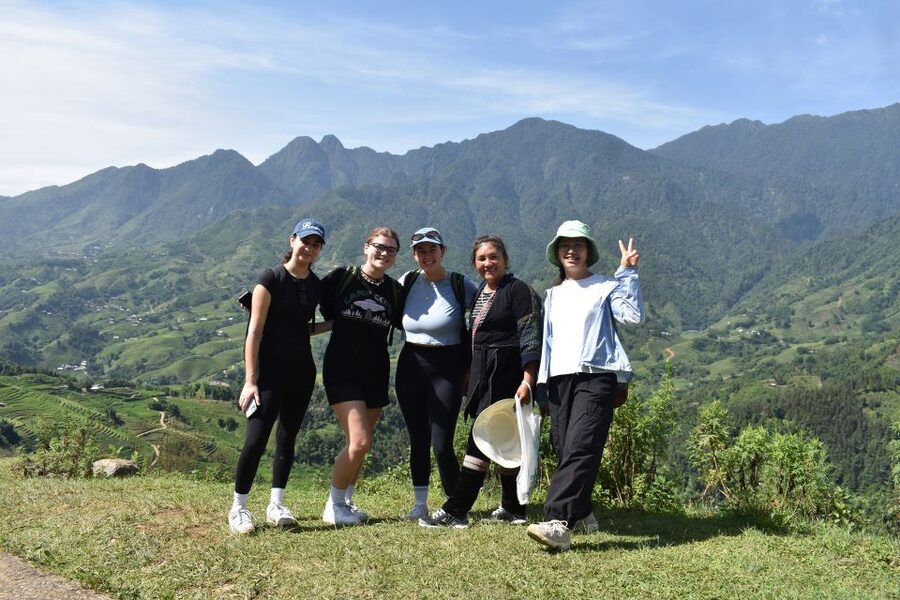
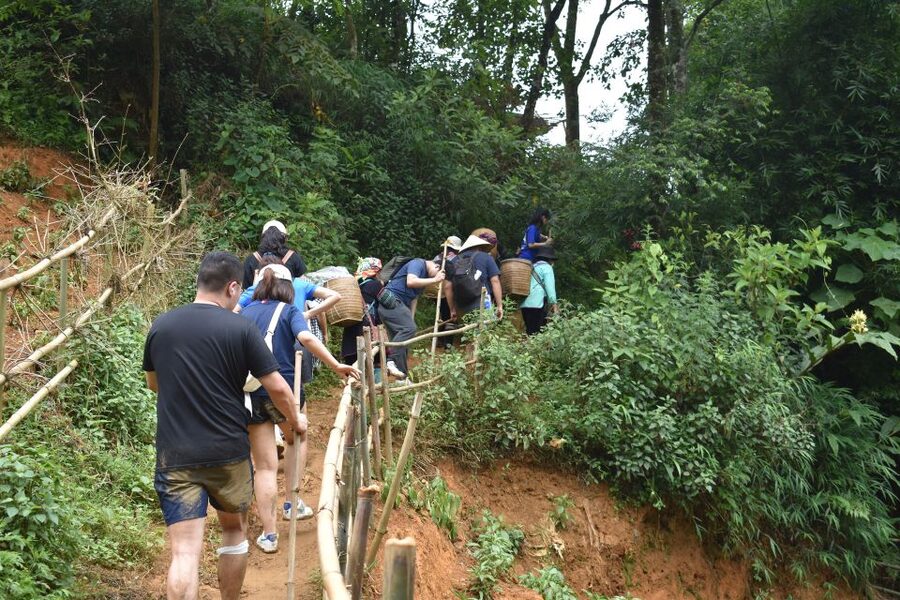
The best part of this Sapa trek is the route itself. Instead of following the main road, you walk down a less-used trail toward Y Linh Ho, where rice terraces spread across the hills and the Hoang Lien Son mountains frame simple stilt houses. It feels far removed from town without requiring a multi-day trek.
I like the quiet village setting and the chance to eat local food in Lao Chai, where lunch comes with views of the terraces. I also like that it is a private group, so the day should feel more personal than a large coach excursion. The main drawback is the rough, downhill walking, so comfortable shoes are not optional, and this is not suitable for pregnant women.
Key points at a glance
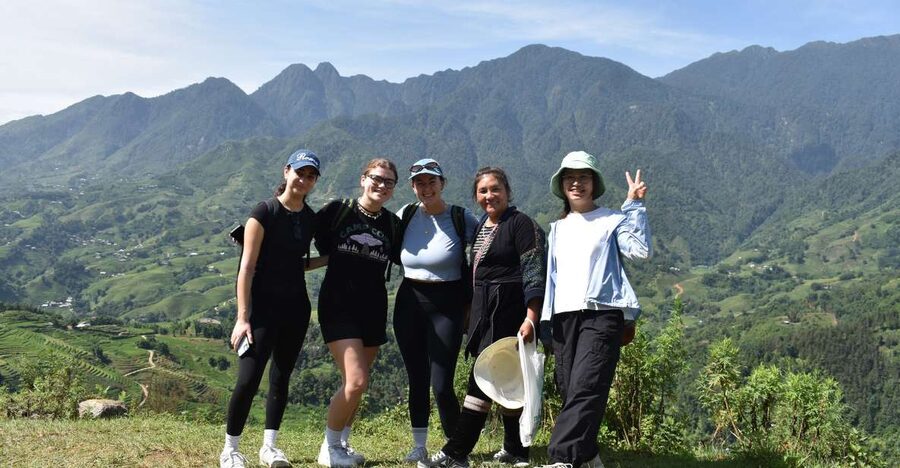
- A quieter trail from Sapa: The route leaves the main road and heads down through countryside toward Y Linh Ho.
- Three villages in one day: You visit Y Linh Ho, Lao Chai, and Ta Van, with H’mong and Giay culture at the center.
- Rice terraces and bamboo forest: The walking combines open hillside views with greener, more enclosed sections.
- Local lunch in Lao Chai: A meal at a H’mong restaurant is included, with vegetarian food available if requested.
- Simple logistics: Hotel pickup, return transport, an English-speaking guide, village entry fees, and 1.5 liters of water are included.
Why this Sapa trek feels different
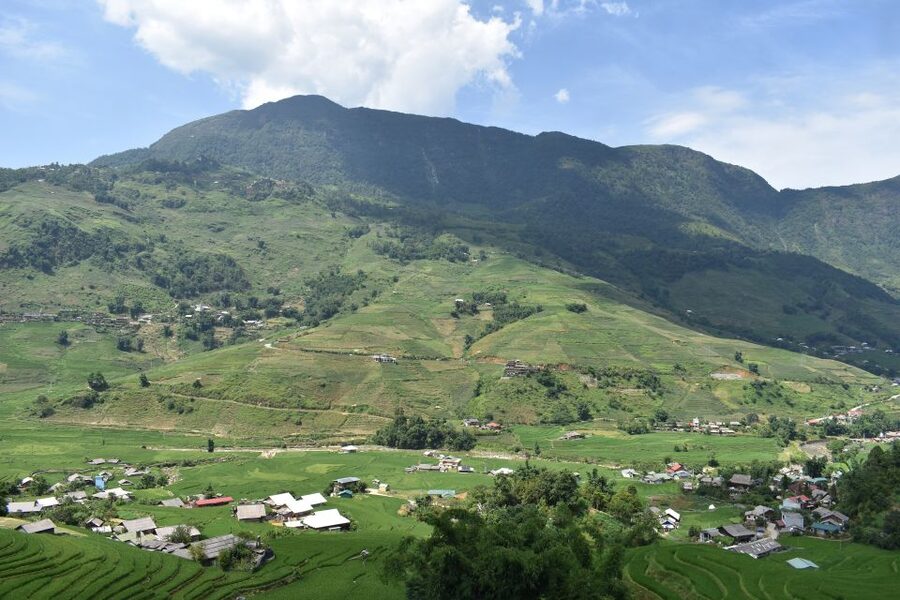
Sapa is famous for its rice terraces, but the quality of the walk depends heavily on where you go. This route does not simply keep you beside the main road, looking down at villages from a distance. You start on the road and then follow a trail down the valley, giving you a closer view of the hillsides, homes, streams, and farming areas.
The first destination is Y Linh Ho, a village settled along the Muong Hoa stream. The setting is quiet, with rice fields spread over the slopes and the Hoang Lien Son mountain range beyond. I like this early part of the day because it offers the clearest sense of rural Sapa. You are not rushing from one photo stop to another. You are walking through a working countryside.
The route includes rice fields and bamboo forest. That makes the day more varied than a walk made up entirely of open terraces. In one section, you may have broad views across the valley. In another, bamboo and hillside vegetation create a more enclosed path. The supplied information does not give a precise difficulty rating, so you should prepare for uneven walking and changes in slope.
More Rice Terrace Treks in Vietnam
- Sa Pa: Muong Hoa Valley Trek and Local Ethnic Villages
★ 4.6 · 864 reviews - Explore Sapa by TrekkingAdventures, Mountain,Rice fields
★ 4.9 · 229 reviews - Sa Pa: 6-Hours Muong Hoa Valley Trek with Local Ethnic guide
★ 4.5 · 178 reviews
Leaving Sapa for Y Linh Ho
The day begins at 8:30 a.m. You meet your English-speaking local guide at your hotel or at the tour office, then start from the main road. Pickup is included, but you should be at your hotel front desk 30 minutes before departure so the meeting goes smoothly.
The trail then heads down toward Y Linh Ho. A downhill start can be pleasant, but it also puts pressure on your knees and requires steady footing. Comfortable shoes are specifically recommended, and the practical advice is simple: choose shoes with a good grip rather than casual trainers with smooth soles.
Y Linh Ho is known here for its calm atmosphere and rural setting. The village sits beside the Muong Hoa stream, with rice terraces climbing the hillsides. You can expect views of simple stilt houses and daily life shaped by the mountains. The appeal is not a single monument or formal attraction. It is the combination of homes, fields, forest, and distance from the road.
This is also a good section for photography, but keep your attention on the path. Terraced fields often mean narrow edges, uneven ground, and sudden changes in height. You will get better pictures if you stop safely rather than trying to walk and photograph at the same time.
Walking the terraces toward Lao Chai
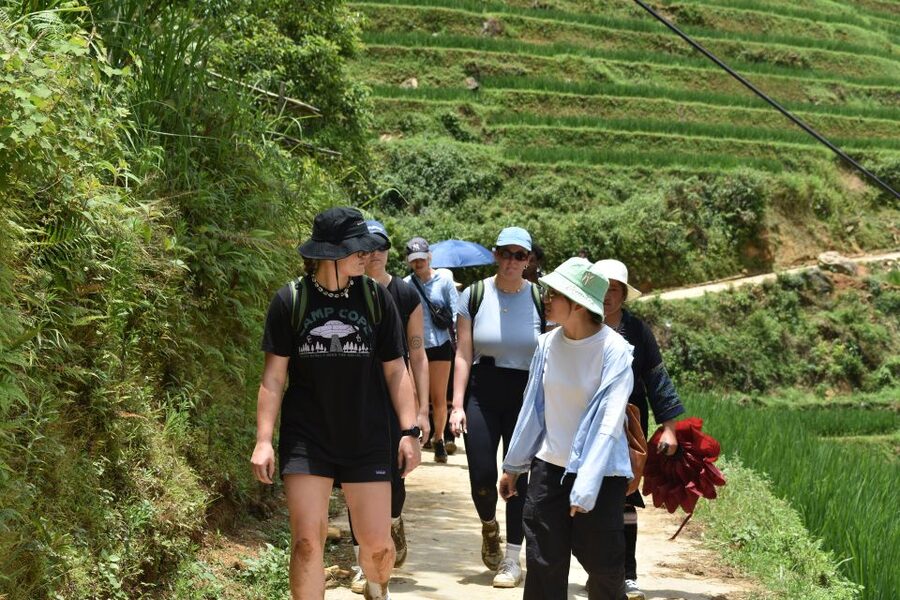
From Y Linh Ho, the trek continues toward Lao Chai, home to the Black H’mong people. The rice terraces are the star of this section. Their shapes follow the curves of the hills, and the valley opens toward the surrounding mountains.
The views change with the season, but the tour information does not promise a specific planting or harvest period. That matters because rice fields can look very different depending on the time of year. You should book this walk for the valley, village life, and mountain setting as a whole, not only for one particular shade of green.
The walk also offers a glimpse of how ethnic communities live in the Sapa highlands. The route passes simple homes and farming areas rather than presenting culture in a staged show. You may see the relationship between the houses, terraces, stream, and hills more clearly than you would from a road transfer.
A local guide is especially useful here because the value of the walk comes from context as much as scenery. The guide speaks English and accompanies you during the tour. No guide name is provided, so you will receive the assigned guide’s details when the booking is arranged.
Lunch in Lao Chai at noon
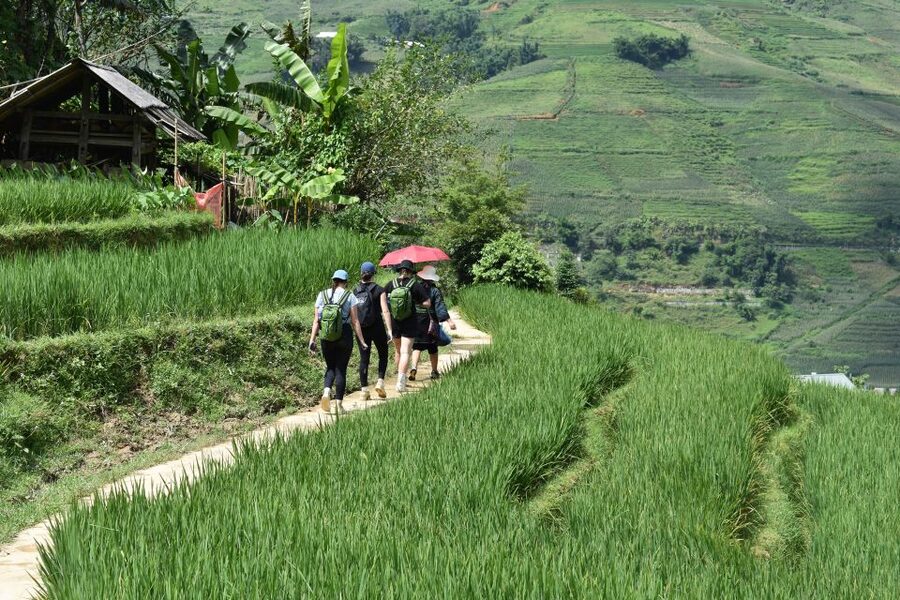
At about 12:00 p.m., you stop for lunch at a local H’mong restaurant in Lao Chai. The meal is included, along with 1.5 liters of water for the day. Local food is one of the most praised parts of this experience, and the meal gives you a proper pause after the morning walk.
You can expect special local dishes, though the exact menu is not stated. Vegetarian food is available on request, so mention this when booking rather than waiting until the day itself. If you have other dietary needs, the supplied information does not confirm what can be provided, so ask the operator in advance.
The setting adds to the meal. You eat near the mountains and terraced fields, with the views reaching toward local homes. This is a useful contrast with a packed restaurant in central Sapa. You are still on a schedule, but lunch takes place within the village environment rather than back in town.
The main thing to remember is that local food may not match familiar restaurant fare. That is part of the point, but anyone who prefers a narrow range of food should ask what is planned. The available feedback specifically praises the food as delicious, which makes lunch a strong part of the value at $36 per person.
Another trail to compare in Vietnam:
- Hanoi – Sapa 2 Days 1 Night Overnight At Homestay
★ 5.0 · 899 reviews - From Hanoi: 2-Day Sapa Trekking Trip with Homestay & Meals
★ 4.8 · 704 reviews - Sapa 3 Days 2 Nights Trekking Tour (1 Night In Ta Van Village, 1 Night In Hotel)
★ 5.0 · 699 reviews - Sapa: Eco Adventure Terrace Fields and Local Villages Trek
★ 4.9 · 636 reviews
Ta Van and the Giay community
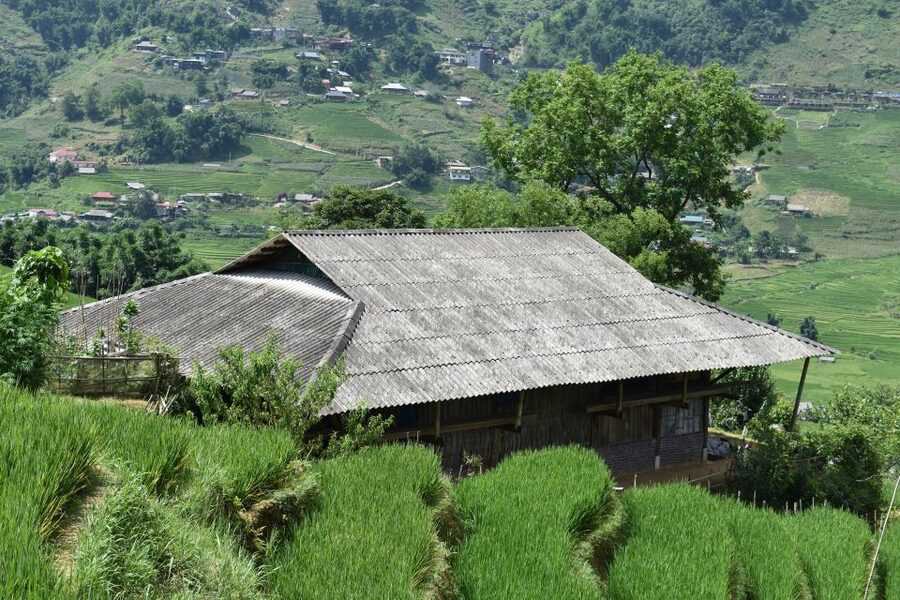
After lunch, the trek continues at about 1:00 p.m. toward Ta Van village. This village is associated with the Giay people and also includes H’mong and Red Dao communities. The result is a more mixed cultural setting than the quieter stretch around Y Linh Ho.
Ta Van has ancient houses, rice terraces near the Muong Hoa stream, corn hills, sidewalks, and homestays. Compared with Y Linh Ho, it is described as the busier village, with more visible signs of local accommodation and interaction between different ethnic groups.
That makes Ta Van a good final stop because it shows another side of the valley. Y Linh Ho gives you peace and open countryside. Lao Chai provides the lunch stop and Black H’mong setting. Ta Van brings together several communities and a more developed village atmosphere.
Do not expect a long independent visit. The schedule allows roughly an hour and a half between the start of the afternoon walk and the return journey at 2:30 p.m. Your guide can help you understand what you are seeing, but the available details do not promise a formal museum visit, performance, or extended homestay stop.
Returning to Sapa by vehicle
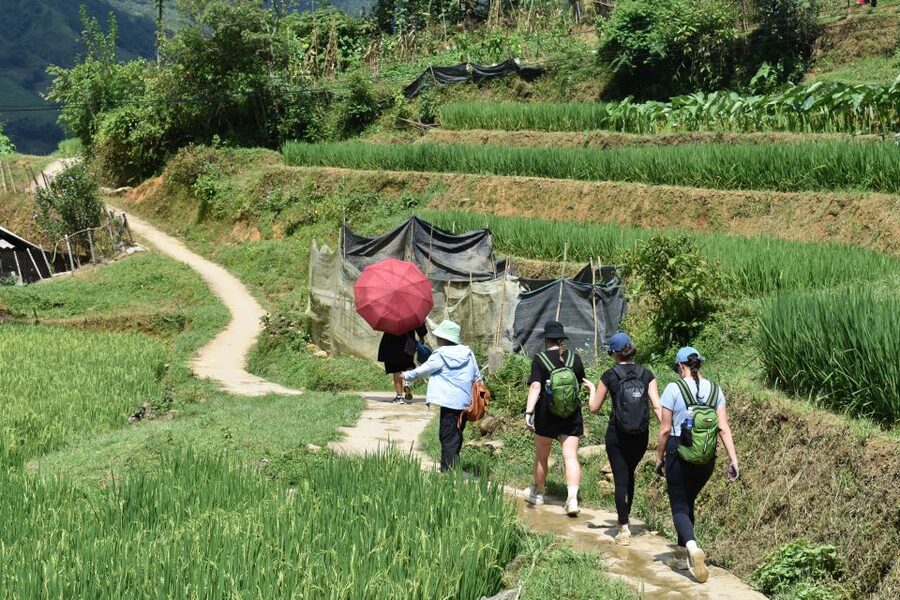
At about 2:30 p.m., a car waits to take you back to your Sapa hotel. This is one of the tour’s practical strengths. You get a full day of walking without needing to arrange a separate return transfer or find your way back after reaching Ta Van.
The return vehicle also keeps the schedule manageable. The walking finishes in the afternoon rather than stretching into the evening, which may suit you if you have a train, dinner plan, or another Sapa activity later. Exact return timing can depend on the road and the day’s pace, so leave some flexibility in your plans.
Transportation during the tour is included, as are village entry tickets. Those inclusions matter because small entrance charges and return transfers can otherwise make a low headline price less useful. Here, the basic structure is clear: walk, eat, visit the villages, and ride back to your hotel.
Optional herbal baths and foot care
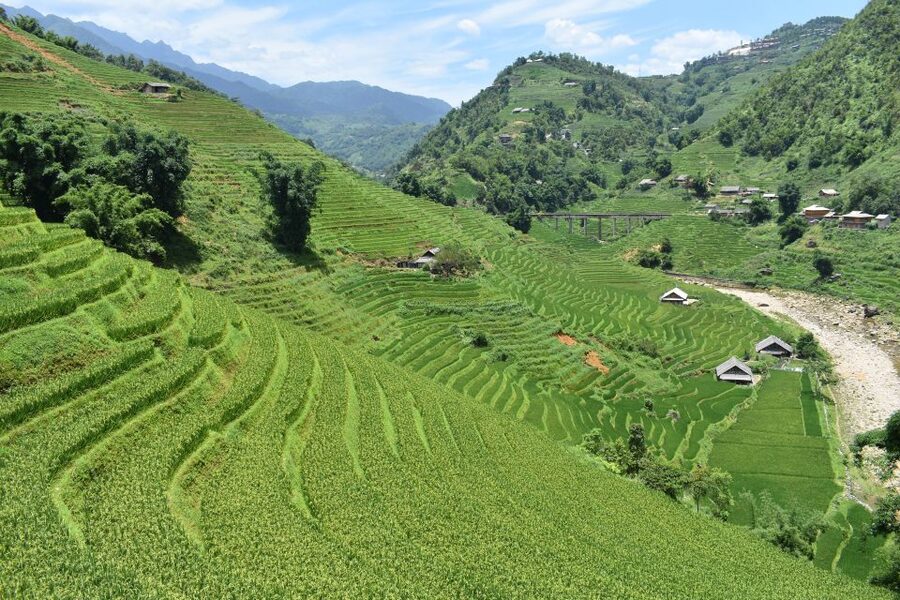
At the end of the adventure, you can choose an indigenous herbal bath, foot bath, or massage. These are optional services, not part of the listed inclusions, so confirm the price before agreeing to anything.
After several hours on uneven paths, a foot bath may sound appealing. Still, you should treat this as an extra rather than a reason to book the trek. The core experience is the walk through the valley, the local lunch, and the village visits.
Is $36 a good value?
At $36 per person, the price is reasonable for a private one-day experience that includes several useful items. You receive hotel pickup and drop-off, transport, an English-speaking guide, lunch, 1.5 liters of water, and village entry tickets.
The private group is important. You are not paying only for access to a walking route. You also get a guide focused on your group rather than a large crowd moving at one fixed pace. The exact group size is not stated, so ask if you need to know how many people will join you.
The value is strongest if you want a straightforward day with transport handled for you. You avoid arranging a village visit, finding a local lunch, and organizing a return from Ta Van. The price is less compelling if you only want a short viewpoint walk or prefer to explore independently.
Personal expenses are not included. Any extra food, drinks, souvenirs, or optional herbal treatments would be your responsibility. The tour does not list other services beyond the stated inclusions, so ask before adding anything.
What to bring for the trail
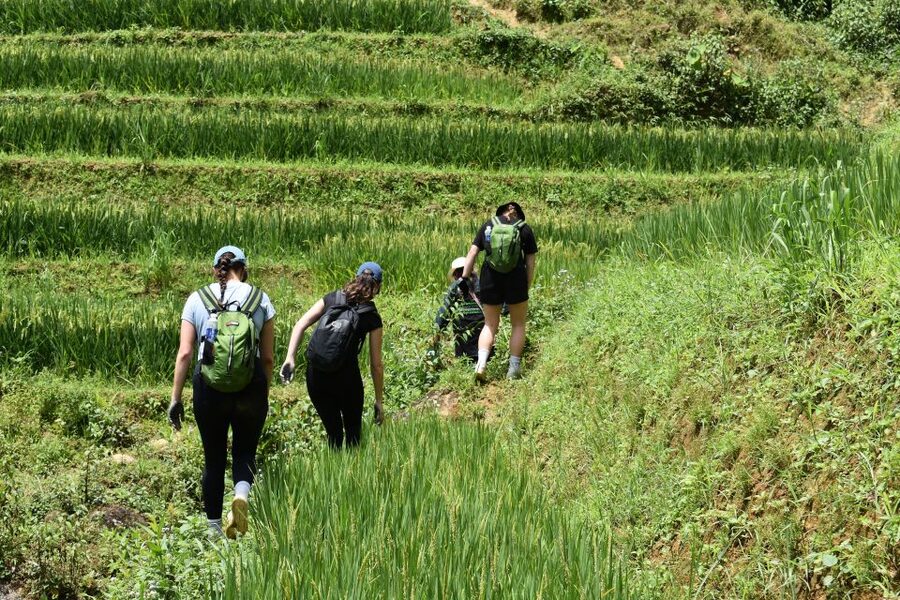
Bring sunscreen and a hat. The route crosses open rice fields, where shade may be limited, even though other sections pass through bamboo forest.
Wear comfortable shoes with solid grip. One piece of direct practical advice from the available feedback is to wear good shoes, and that is worth taking seriously. The route follows a trail through fields and forest rather than a smooth urban pavement.
You receive 1.5 liters of water, but you may still want to bring a little extra if you usually drink heavily while walking. The supplied information confirms the included amount, but it does not state whether refill points are available.
Keep your daypack light. You need room for water, sun protection, a phone, and perhaps a light layer. The tour information does not specify weather conditions or seasonal clothing, so check the forecast before leaving Sapa.
Who should book this day in the Muong Hoa Valley?
I would recommend this walk if you want a close look at Sapa’s countryside without committing to an overnight trek. It suits people who enjoy mountain views, village paths, local food, and a day that mixes walking with a little cultural context.
It is also a sensible choice for first-time visitors who want the main valley experience arranged in one package. The three village stops give you variety, and the return car removes the hassle of planning transport.
You should think twice if you dislike uneven trails, downhill walking, or a full morning on foot. This is not suitable for pregnant women, and the route details do not indicate an easier alternative. People who need a precise accessibility assessment should contact the provider before booking.
The tour is also a good fit for vegetarians, provided you request the meal in advance. If you want a highly structured cultural program, a museum visit, or a long homestay, this is probably not the right format. The focus is the countryside walk and the villages themselves.
Should you book it?
Book this trek if you want rice terraces, local food, and three distinct villages in one practical day from Sapa. The quieter trail to Y Linh Ho, lunch in Lao Chai, and the mixed community setting of Ta Van give the route more substance than a simple roadside viewpoint tour.
The strongest reasons to choose it are the private group, included transport, and local H’mong meal. The main caution is the terrain. Bring proper shoes, protect yourself from the sun, and be ready for a real walk rather than a gentle sightseeing stroll.
Cancellation is free up to 24 hours before departure, and you can reserve now and pay later. That gives you some flexibility while you decide, but the more important question is whether your legs and footwear are ready for the trail.
FAQ
How long does the Sapa trekking experience last?
It is a one-day activity. The schedule starts at 8:30 a.m., reaches lunch at about noon, continues to Ta Van at 1:00 p.m., and begins the return transfer around 2:30 p.m.
Which villages does the trek visit?
The route visits Y Linh Ho, Lao Chai, and Ta Van. Y Linh Ho is associated with the Muong Hoa stream and quiet countryside, Lao Chai is home to the Black H’mong people, and Ta Van includes Giay, H’mong, and Red Dao communities.
Is hotel pickup included?
Yes. Hotel pickup and drop-off are included. You should be at the hotel front desk 30 minutes before departure.
Is lunch included?
Yes. Lunch at a local H’mong restaurant in Lao Chai is included. Vegetarian food is available on request.
What language does the guide speak?
The tour includes an English-speaking live guide.
Is this a private tour?
Yes. The group type is listed as private.
What should I bring?
Bring sunscreen, a hat, and comfortable shoes. The tour includes 1.5 liters of water.
Is the trek suitable for pregnant women?
No. The activity is listed as not suitable for pregnant women.
More one-day treks in Vietnam
- From Sapa: 1-Day Guided Trek to Lao Chai & Ta Van with Lunch
★ 4.9 · 416 reviews - Sapa 1 Day Long Trek: Trek to Hau Thao and Sa Seng Villages
★ 4.6 · 344 reviews - 1-day Authentik trek & Panorama valley views
★ 5.0 · 189 reviews - 1 day Fansipan Trekking
★ 5.0 · 180 reviews
Latest treks added in Vietnam
- Small Group – Bach Ma National Park Trekking Tour From Hue★ 4.5 · 18 reviews
- Explore Bach Ma National Park – Trekking with Small Group Tour★ 5.0 · 12 reviews
- Bach Ma National Park Trekking and Camping 2 days Tour★ 5.0 · 9 reviews
- My Son sanctuary and mountain trekking★ 5.0 · 9 reviews
- UNESCO Listed Can Gio Mangrove and Monkey Island trek★ 5.0 · 11 reviews
- 2-Day Trekking & Biking Nam Cat Tien National Park from HCM City★ 5.0 · 12 reviews
- From Hanoi : Sapa Moutain Trek – Halong bay Heritage★ 4.5 · 25 reviews
- Trekking In Ha Giang 5 Days★ 5.0 · 4 reviews
Rice Terrace Treks, compared.
Muong Hoa Valley Trek and Local Ethnic Villages
Read our review →
Explore Sapa by TrekkingAdventures, Mountain,Rice fields
Read our review →
Selogriyo Temple and Trekking Java Rice Terraces, hidden waterfall -Nature Java
Read our review →
6-Hours Muong Hoa Valley Trek with Local Ethnic guide
Read our review →
Sapa Muong Hoa Valley & Ta Van Eco Village Scenic Tour (No Trek)
Read our review →
Daily Tour: Sapa Trekking in Muong Hoa valley, Bamboo forest
Read our review →
Rice Terrace, Holy Water Temple & Waterfalls Trek Tour
Read our review →Browse the lists this tour appears in