
REVIEW · HANOI
3 Day 2 Night Trek
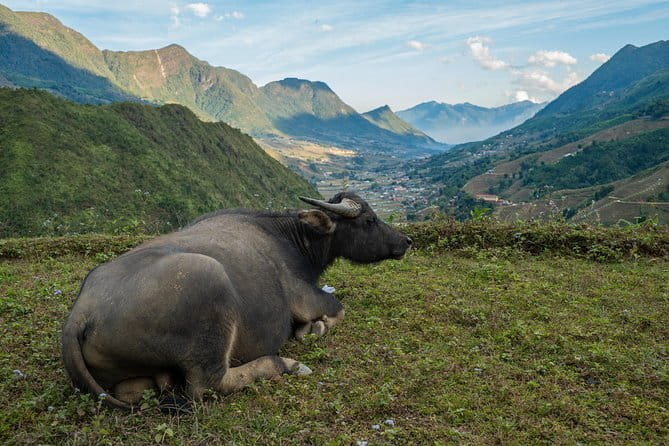
Sapa’s best reward comes after the town thins out. This three-day trek leads you past rice terraces, bamboo forest, and remote villages where H’Mong, Dzay, Red Dzao, and Tay families still shape daily life. The family homestays turn a long walk into a real cultural stay, not just a scenic outing.
I like two things right away: the route reaches quieter valleys, and the guides can adapt the pace and route to your needs. Giang is especially involved in helping with practical details around Sapa, while her family members Zo and Ma also guide sections of the trek. The warm meals, hot showers, Wi-Fi at some homestays, and time around a family fire add real comfort.
The main drawback is the physical demand. You walk for several hours each day on uneven mountain paths, with roughly 12 kilometers on day one, and weather can affect the schedule. If you want a gentle sightseeing trip, this is not it. If you can handle moderate exertion, the slower pace pays off.
Key details before you book
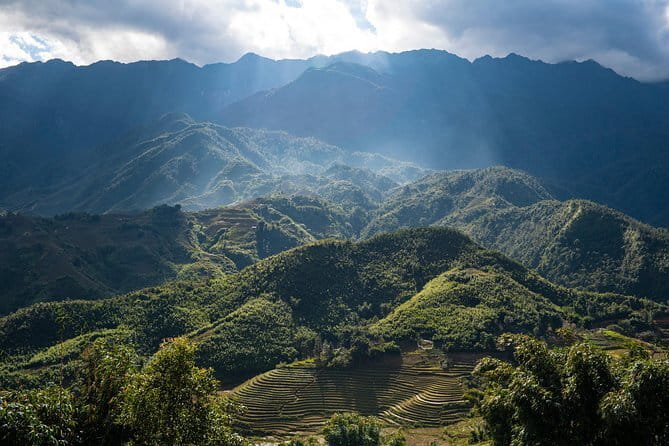
- Three days of mountain walking: The route covers Y Linh Ho, Lao Chai, Ta Van, Giang Ta Chai, Su Pan, Ban Ho, and Nam Toong.
- Two nights with local families: You stay in a Dzay homestay or local house the first night and with a Tay family in Ban Ho the second.
- Several ethnic communities: You see H’Mong, Dzay, Red Dzao, Tay, Zay, and Xa Pho traditions along the route.
- Meals are built in: Two breakfasts, three lunches, and two dinners are included.
- A private experience: Only your own group takes part, with one or more English-speaking local guides.
- Good value at $180: The fee covers guiding, lodging, and six meals over three days, though transport to Sapa is not listed as included.
Leaving Sapa for Y Linh Ho and Lao Chai
The trek begins at 9:00 a.m. from 690 Duong Dien Bien Phu in Sapa. That central meeting point is useful if you are already in town, and the activity returns there on day three. Pickup is offered, but you should confirm the arrangement before setting out, especially if you are arriving by bus.
The first day gives you the clearest sense of what this trip is about. You walk toward Y Linh Ho, then follow rice terraces and the Muong Hoa Stream toward Lao Chai, a Black H’Mong village. The Hoang Lien Son mountains provide the wide views, while the paths bring you close to cultivated hillsides and village life.
The listed distance is about 12 kilometers, taking roughly three and a half hours. That timing likely covers the main walking route rather than every pause, meal, and village visit, so keep your day open. You will want time for photos, conversations, and the changing views.
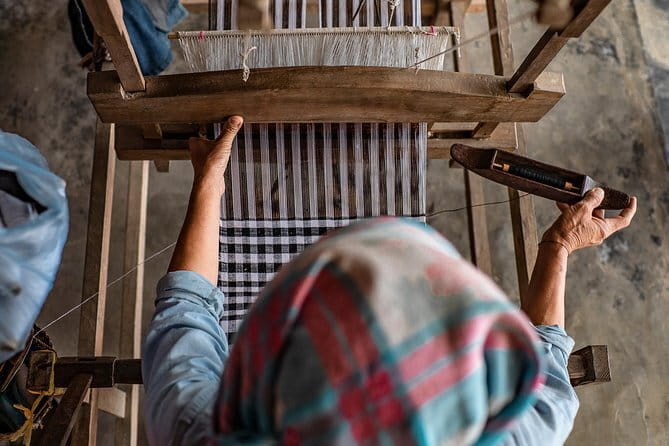
One appealing detail is the chance to see traditional clothing associated with several local groups, including H’Mong, Dzao, Tay, Zay, and Xa Pho people. Clothing is not just decoration here. It gives you a visible introduction to the area’s many communities, and a local guide can help explain what you are seeing without turning the encounter into a lecture.
Lunch may be at a restaurant or with a local family. That flexibility is helpful, since the best choice can depend on the route and the day’s conditions. You should expect simple local food rather than a long restaurant meal. The point is to keep moving and spend time in the villages.
More evening departures in Hanoi
- Hanoi – Sapa 2 Days 1 Night Overnight At Homestay
★ 5.0 · 899 reviews - Sapa 3 Days 2 Nights Trekking Tour (1 Night In Ta Van Village, 1 Night In Hotel)
★ 5.0 · 699 reviews - Hanoi – Sapa 3 Day 2 Night Trekking With Hotel & Homestay
★ 5.0 · 389 reviews
Ta Van and your first homestay
By late afternoon, you approach Ta Van, home to Dzay people. This is where the trip shifts from a day hike to a cultural stay. You check into a homestay or local house, meet the family, and have time to watch the sunset over the mountains.
The accommodation can vary. Some homestays offer Wi-Fi and hot showers, while an authentic local house may feel more basic. That difference matters. Ask your guide what kind of lodging is planned for your group, and pack with modest facilities in mind even if hot water is available.
Dinner is either with the family or enjoyed more privately at the homestay. The strongest part of the evening is the chance to talk, share local food, and sit near an open fire with rice wine. You are not being rushed through a dining room and sent back to a city hotel. You are given a little time to see how a household works in the valley.
The homestay also gives your legs a break. After a 12-kilometer opening day, you will appreciate not having to travel elsewhere for dinner or sleep. Still, a family house is not a resort. Bring patience, a willingness to adapt, and respect for the household’s routines.
Bamboo forest and Giang Ta Chai on day two
Day two starts with breakfast prepared by your host family. You then continue through rice fields and into bamboo forest, with stops for broad views over Ta Van and Giang Ta Chai. Giang Ta Chai is associated with the Red Dzao community, adding another cultural setting to a route that already passes through several groups.
This is the day for people who prefer quiet paths to crowded sights. The route continues through Su Pan, where lunch is served at the home of an H’Mong or Dzao family. You can expect the countryside to feel more important than any single monument. The appeal is the combination of walking, scenery, and contact with people who live in these valleys.
After lunch, you cross more rice terraces and follow the valley toward Ban Ho. The afternoon route is described as peaceful and lightly visited, but you should not treat that as a promise of total solitude. Conditions, farming activity, and the route chosen by your guide can change the feel of the walk.
Your second night is with a Tay family in Ban Ho. You may be able to help with farming or cooking local food, or simply enjoy a quiet evening. That choice is worth discussing with your guide. Joining in can be memorable, but you should not feel obliged to perform for the sake of the experience. A polite conversation and genuine interest are enough.
The private format helps here. Since only your group participates, the guide can respond to your fitness, curiosity, and energy. Giang has been praised for adjusting routes and timing to the group’s needs, which is useful on a trek where weather and trail conditions can affect the day.
Sunrise and Nam Toong before returning to Sapa

Day three starts with sunrise in Ban Ho and breakfast prepared by the family. The morning light is a good reason not to sleep late, though you should expect an early start if you want to see it properly.
The final walk goes through Nam Toong village, associated with Tay and Red Dzao people. You have lunch at a restaurant or local house, with time to meet local people and learn about daily life before returning to Sapa.
This final section is shorter in emotional distance than the first two days, but it completes the cultural pattern of the trip. You have moved through several communities, slept in two local settings, and seen how the valleys connect. Returning to Sapa after the countryside can feel like a sharp change, so leave room in your plans if you need a quiet afternoon afterward.
The end point is back at the original meeting point. The supplied details do not state the exact return time, so do not book a tight onward departure on day three.
More three-day treks in Hanoi
- 3-Day Trekking Adventure of Sapa from Hanoi – Stay Ta Van Village
★ 5.0 · 611 reviews - From Hanoi: Trek and Stay: 3-Day Sapa Highlands Adventure
★ 4.6 · 152 reviews - Sapa 3 Days 2 Nights Trekking Tour From Hanoi (2 Nights in Hotel)
★ 5.0 · 112 reviews - Sapa: 3-Day, 3-Night Trek and Hotel with Overnight Train
★ 4.2 · 64 reviews
What the $180 price really covers

At $180 per person, this is not the cheapest way to see Sapa, but the price covers more than a day walk. You receive a private three-day activity, local guiding, two nights of homestay accommodation, two breakfasts, three lunches, and two dinners.
The value is strongest if you want direct contact with local households and do not want to arrange each piece yourself. You would otherwise need to organize a guide, two nights of lodging, and meals, while also finding the right valley routes. The local guide is especially useful for village etiquette, route choices, and communication with host families.
The price does not list transport from Hanoi to Sapa or other personal costs as included. You are responsible for arranging your way to the meeting point unless pickup has been confirmed. One useful detail from the booking support is that Giang has helped arrange a taxi from the bus office and luggage storage. Treat this as assistance that may be available, not as a guaranteed inclusion.
The tour is often reserved well ahead of time, with an average booking lead of about 65 days. That suggests you should not leave it until the last moment if your dates are fixed. The free cancellation rule allows a full refund if you cancel at least 24 hours before the 9:00 a.m. start, but late changes are not accepted. Poor weather can also lead to a different date or a full refund.
Comfort, fitness, and what to pack
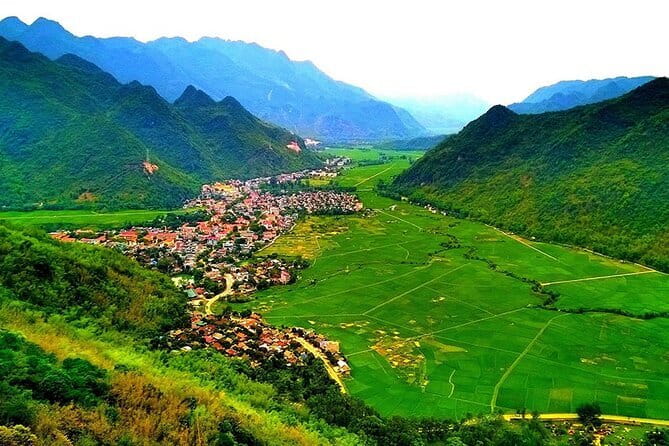
You need moderate physical fitness. This is not technical mountaineering, but three days of walking through terraces, forest, villages, and valleys can be tiring. Paths may feel more demanding after rain, and the weather policy confirms that conditions can affect the activity.
Pack light. A small bag with breathable clothes, sturdy walking shoes, rain protection, a flashlight, personal medication, and a change of clothes should be more useful than a large suitcase. Since luggage storage may be arranged, ask before arrival rather than carrying everything into the mountains.
Homestay comfort varies. Wi-Fi and hot showers are available at some accommodations, while an authentic local house may offer fewer conveniences. You should be comfortable with shared or basic facilities and with the possibility that the evening routine will be simple.
Bring full travel insurance, especially because the tour involves physical activity and remote mountain areas. If you have a medical condition, consult your medical practitioner before booking. Service animals are allowed, and the meeting point is near public transportation, but the physical route remains the key accessibility concern.
The guides and the human side of the trek
The local guiding is one of the strongest reasons to choose this experience. You are accompanied by one or more English-speaking guides from the area, with knowledge of Sapa, its communities, local customs, and the route.
Giang is the main name connected with the experience, and her help can extend beyond the walking itself. She has assisted with getting to Sapa, taxi arrangements, and luggage storage. Her family, including Zo and Ma, may also guide parts of the trek.
The guide relationship matters because this route is built around homes and villages rather than a short list of photo stops. A good guide helps you understand when to ask questions, when to wait, and how to behave respectfully around family life. The local connection also means your booking supports H’Mong guides and other local people in a region where many households face serious financial hardship.
You should still keep your expectations sensible. A local cultural visit is not a staged show, and you may have to communicate across language or cultural differences. The best approach is to be curious, polite, and willing to accept a slower rhythm.
Who should book this Sapa trek
You should consider it if you want:
- A private route rather than a large group
- Three days of walking with a moderate fitness requirement
- Rice terraces, mountain valleys, bamboo forest, and village paths
- Two nights with local families
- Meals and lodging arranged as part of the package
- Guidance from people connected to the Sapa area
- A trip that supports local H’Mong guides and host families
You may want something else if you need guaranteed hotel standards, fixed return times, or very easy walking. The route includes several ethnic communities, but it is not a formal museum tour. Its value comes from the setting, the walking, and the time spent with host families.
Should you book the 3 Day 2 Night Trek?
Book this trek if you want Sapa as a place where people live, farm, cook, and welcome visitors, not simply as a viewpoint. The combination of Lao Chai, Ta Van, Giang Ta Chai, Su Pan, Ban Ho, and Nam Toong gives you a broad look at the area over three days.
The strongest match is an active visitor who values local contact more than polished accommodation. Giang’s practical help, flexible route planning, and family connections add reassurance, while the private format keeps the experience personal.
Skip it if you dislike uneven walking, basic homestays, or changing plans caused by weather. For the right person, $180 is a fair price for guiding, meals, two nights with local families, and access to mountain routes that would be difficult to arrange alone.
FAQ
How long is the trekking experience?
The activity lasts about three days and includes two nights in local homestays or houses.
Where does the trek start?
It starts at 690 Duong Dien Phu, TT. Sa Pa, Sa Pa, Lao Cai, Vietnam, at 9:00 a.m.
Where does the activity finish?
The trek ends back at the original meeting point in Sapa.
How far do you walk on the first day?
The first day covers about 12 kilometers and takes approximately three and a half hours of trekking.
Which villages are included?
The route includes Y Linh Ho, Lao Chai, Ta Van, Giang Ta Chai, Su Pan, Ban Ho, and Nam Toong.
Which ethnic communities do you encounter?
You may see H’Mong, Dzao, Tay, Zay, Xa Pho, Dzay, and Red Dzao communities along the route.
What meals are included?
The price includes two breakfasts, three lunches, and two dinners.
Is this a private tour?
Yes. Only your own group participates, accompanied by one or more English-speaking local guides.
Can you cancel for a refund?
You can cancel at least 24 hours before the start time for a full refund. If bad weather causes the activity to be canceled, you are offered another date or a full refund.
Latest treks added in Hanoi
- From Hanoi : Sapa Moutain Trek – Halong bay Heritage★ 4.5 · 25 reviews
- Trekking In Ha Giang 5 Days★ 5.0 · 4 reviews
- Trekking around Ha Giang 5 days 4 nights★ 3.0 · 2 reviews
- 8-Days Hanoi, Sapa Trekking And Halong Bay Cruise★ 5.0 · 8 reviews
- 2-Day Trekking in Sa Pa from Ha Noi by sleeping bus★ 5.0 · 4 reviews
- Hanoi: 3D2N Mu Cang Chai Visit All Attractions, Trek, Ethnic Life★ 5.0 · 3 reviews
- Mai Chau – Pu Luong trekking 3 days 2 nights★ 4.5 · 7 reviews
- Sapa trekking 2days by bus from Hanoi ( over night in homestay)★ 5.0 · 21 reviews
Evening Experiences, compared.

Stromboli: Sunset Trekking at Sciara del Fuoco
Read our review →
Etna Sunset Tour: Volcano trek, Cave & tasting from Catania
Read our review →
2-Day Mt. Toubkal Trek with 1-Night Stay & Meals
Read our review →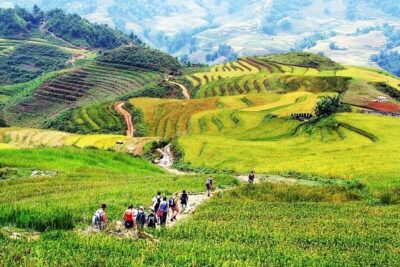
Sapa 3 Days 2 Nights Trekking Tour (1 Night In Ta Van Village, 1 Night In Hotel)
Read our review →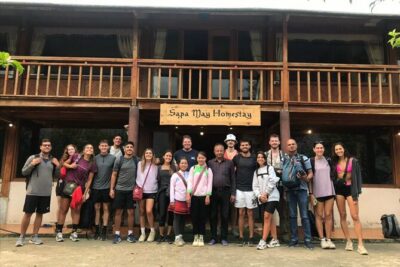
Sapa 3 Day 2 Night Trekking With Hotel & Homestay
Read our review →
Browse the lists this tour appears in