
REVIEW · CUSCO
07 Day: Inca Jungle Adventure with Mountain Bike, Rafting, Zipline & Trek
The best thing about this seven-day Inca Jungle adventure is the variety. You do not simply walk toward Machu Picchu. You descend from high Andes passes by mountain bike, paddle Class II and III rapids, cross the jungle by zipline, and hike old Inca routes before reaching the famous citadel.
I like the easy logistics and the mix of culture with outdoor action. Airport pickup, transport, entrance fees, bikes, safety gear, meals, and lodging are arranged for you. I also like the guide-led feel. Guides including Jonathan, Wilbert, Percy, and Freddy have been praised for clear explanations, calm support, and the ability to adjust the pace for the group.
The main consideration is physical effort. You will spend long hours on the road and trail, start early several mornings, and move from Cusco’s 3,400-meter altitude to hot, humid valleys. The tour suits an active person who wants a full week of activity, not someone seeking a slow holiday.
Key points at a glance
- Start with altitude time in Cusco: Day one is set aside for rest and adjustment at 3,400 meters.
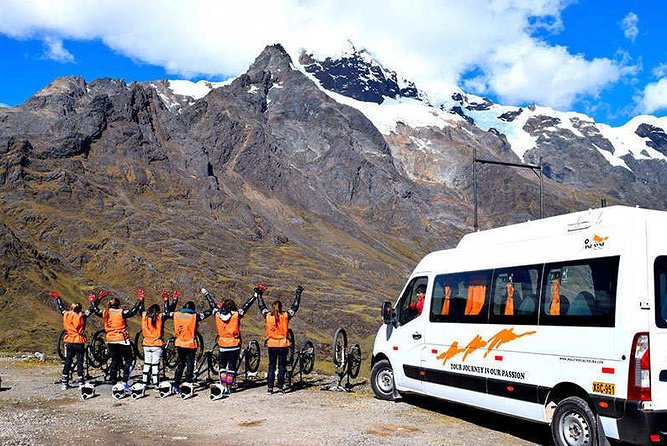
- Ride from 4,350 meters to the jungle: The mountain-bike descent takes about three hours and includes a full-suspension bike, helmet, and gloves.
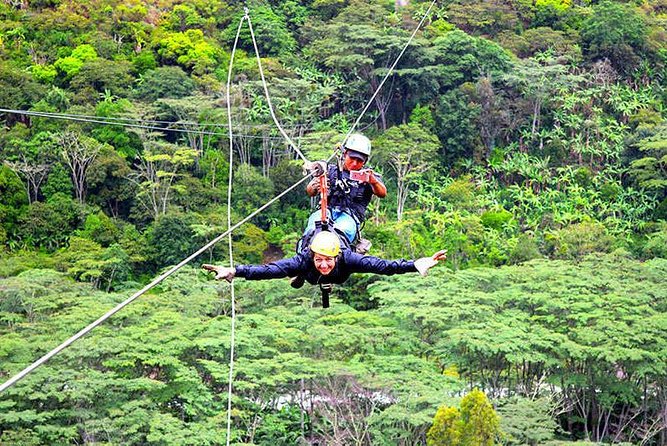
- Add real adventure to the route: Rafting, ziplining, and trekking create a varied way to reach Machu Picchu.
- See more than the usual Sacred Valley stops: Moray, the Maras salt pools, and Chinchero add archaeology and living Andean traditions.
- Pay for a bundled private trip: At $1,129 per person, the price includes most major transport, admissions, accommodation, guides, and several meals.
- Plan for early starts and simple lodging: Two nights are in hostels in Santa Maria and Santa Teresa, while other nights use three-star hotels.
What this seven-day route is really like
This is a point-to-point adventure from Cusco to Machu Picchu, with the route changing dramatically as you go. You begin among high Andean peaks and archaeological sites, then drop into warmer valleys filled with orchards, rivers, and jungle vegetation.
The schedule is busy but logical. The first day protects you from rushing into strenuous activity at altitude. The next day gives you a gentler introduction through the Sacred Valley. The demanding bike ride, rafting, zipline, and hikes come after that, once you have had time to settle in.
The trip is listed as a private activity, so only your group participates. That matters here. A private guide can pay attention to your pace, explain local history as you walk, and help adjust the day when someone is tired. Several guides have earned especially warm praise for looking after families and mixed-ability groups.
More Jungle Treks in Cusco
- Chiang Mai: 2-Day Jungle Trek with Elephant Farm & Raft Ride
★ 4.7 · 881 reviews - 3-Day Ethical Orangutan Jungle Trek | Bukit Lawang, Sumatra
★ 5.0 · 401 reviews - Monkey Business 3 days – 2 nights Jungle trekking (including rafting)
★ 5.0 · 294 reviews
Day 1: Give Cusco at 3,400 meters time
Your arrival day begins with airport pickup at Alejandro Velasco Astete Airport. A representative from Inkayni Peru Tours takes you to your hotel, then leaves the day open for rest, a gentle walk, or a quiet look around Cusco.
That pause is not wasted time. Cusco sits at about 3,400 meters, or roughly 11,000 feet. Even fit people can feel the altitude, especially if they arrive from near sea level. The plan gives your body time to adjust before the long days ahead.
In the evening, you meet the expedition group and go over the upcoming route. Use this time to ask about clothing, the next morning’s pickup, and which activities will be done on which day. The supplied schedule mentions ziplining as an included activity, but it does not specify its exact time, so confirm that during this briefing.
Day 2: Moray, Maras, and Chinchero
Pickup is scheduled for about 8:00 AM, followed by a roughly 1-hour-20-minute drive through the Sacred Valley. This is a scenic day, with snow-capped peaks, wheat fields, villages, and broad mountain views along the way.
At Moray, you see three large, circular terrace formations cut into the earth. Their exact purpose remains debated, but they are commonly linked to Inca agricultural experiments. The shape makes this stop feel different from a standard ruin site. Instead of walls and temples, you are looking into a carefully built series of bowls in the ground.
The Maras salt mines are about 3 kilometers away. More than 3,000 salt pools still collect salt here, fed by mineral-rich water that flows down the mountainside. The pools form a striking patchwork on the slope, and the site also gives you a useful link between old Inca practices and present-day work.
Chinchero is the final stop. At about 3,762 meters, it is even higher than Cusco. The stop adds another layer of Andean culture and archaeology to the day. Keep your pace gentle, since the altitude is still serious even though you are not yet doing the main adventure activities.
This is an eight-hour touring day, so it is not merely a transfer. You will spend enough time in the vehicle to cover ground, but the stops break up the ride. Comfortable walking shoes and water are sensible choices.
Day 3: A high-speed descent, then Class II and III rapids
The action begins early, with pickup around 6:00 AM. A three-hour drive takes you to Malaga Pass at about 4,350 meters, or 15,190 feet. From here, you start the mountain-bike descent.
The route lasts about three hours and drops through villages, orchards, and river country before reaching Huamanmarca at approximately 1,800 meters. The change in climate and scenery is the point. You move from cold high-altitude air into a much warmer valley, and the ride gives you a close view of that transition.
A full-suspension bike, helmet, and gloves are included. That is useful on a route where comfort and control matter more than speed. You should still be comfortable riding for several hours and managing a long downhill route. The tour requires a moderate level of physical fitness, and this is one of the clearest reasons why.
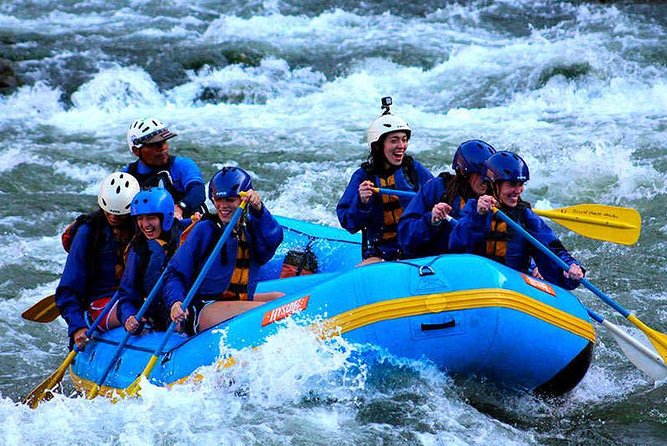
A private bus then takes you to Santa Maria. After a break and lunch, you head to the river for about two hours of rafting. The rapids are Class II and III, with a professional safety kayaker overseeing the trip. This is active and exciting, but it is not described as an extreme white-water expedition.
Dinner follows in Santa Maria, where you spend the night. The change from bike to raft makes this one of the fullest days of the tour. It also means you should not expect much spare time. Pack your day bag so you can reach water, sun protection, a change of clothes, and any personal items without opening your main luggage.
More bike tours in Cusco
- Cruising- Kayaking- Cycling- Trekking 3D/2N from Cat Ba in less tourist areas.
★ 5.0 · 119 reviews - Rent a Trekking bike: Full Day 24 hours
★ 5.0 · 34 reviews - Pu Luong 3-Day Adventure: Trekking, Cycling & Local Cooking Class
★ 5.0 · 26 reviews - Mount Batur: Sunrise Dirt Bike Trek with Trained Riders
★ 4.6 · 15 reviews
Day 4: Old Inca paths and the walk toward Santa Teresa
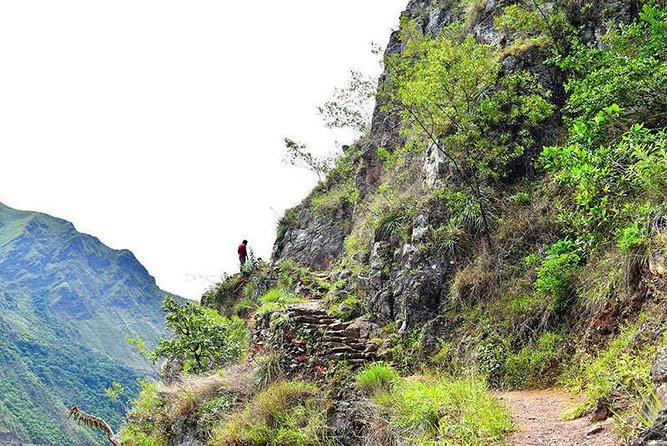
After breakfast, you begin trekking at about 6:00 AM. The first two hours climb uphill, with stops to look at local plants and animals. The climb is not simply a fitness test. The guide uses the pauses to explain the area and to keep the group together.
A stop at a local family’s home gives the day a more personal feel. You can rest, eat fresh tropical fruit, and refill your water. This is the kind of small contact that makes the route feel like a journey through a lived-in region rather than a chain of attractions.
The trail then follows a historic section of the Inca Trail that once linked Machu Picchu with Vilcabamba. Your guide explains how the Inca road system supported communication and movement across difficult terrain. The views toward Huancarccasa Canyon add drama, but the real value is the link between the physical path and the wider story of the Inca world.
The route descends to Quellomayo for lunch and time in hammocks before continuing toward Santa Teresa. The day is listed at about six hours, though walking times can feel longer when the trail is hot or wet. The combination of a morning climb and later descent makes trekking poles useful, though they are not listed as included.
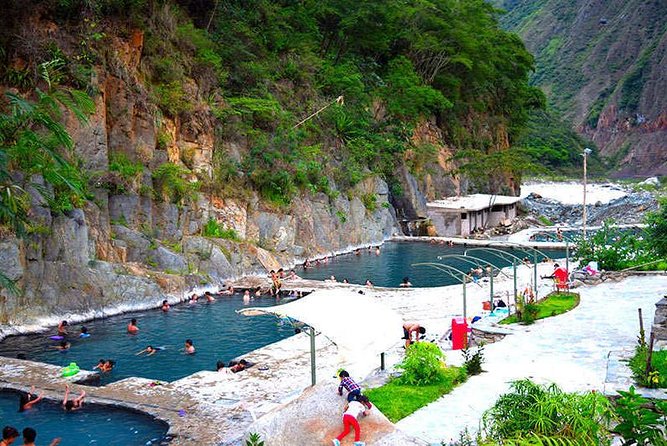
Santa Teresa is one of the two nights spent in hostel accommodation. That means simpler rooms than the three-star hotels, but it also places you close to the route and keeps the journey moving. An optional visit to the hot springs costs an additional $5 per person. It is not part of the main price, so decide in advance if you want to add it.
Day 5: Through the Aobamba Valley to Aguas Calientes
The fifth day starts around 6:00 AM. You walk for about three hours through the Aobamba Valley, with thick plant growth and mountain views around you. The route continues the gradual shift from highland archaeology to warmer valley scenery.
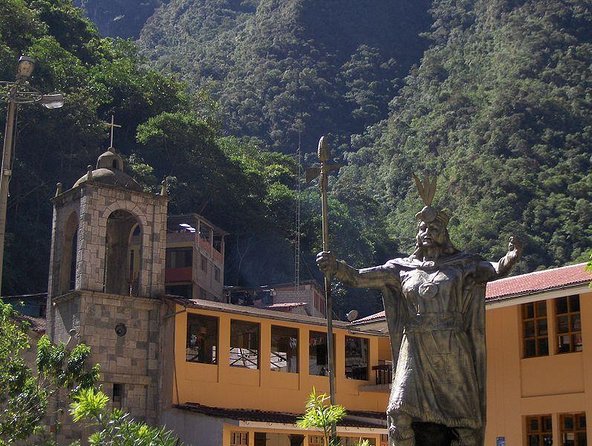
You pass the Intihuatana sector and a government control post before continuing toward the Machu Picchu area. The ancient astronomical sundial is one of the day’s most interesting cultural details. You also see other structures near the famous citadel, which gives you a preview before the main visit.
Lunch is provided along the way. That matters because the walk occupies much of the morning, and there is no need to stop at a restaurant away from the route. Still, bring water and small personal snacks if you prefer to eat often.
You spend the night in Aguas Calientes, the town used as the gateway to Machu Picchu. The accommodation here is listed as a three-star hotel. After two more active days, this overnight stop gives you a base for the early visit to the sanctuary.
Day 6: Machu Picchu with a guided visit
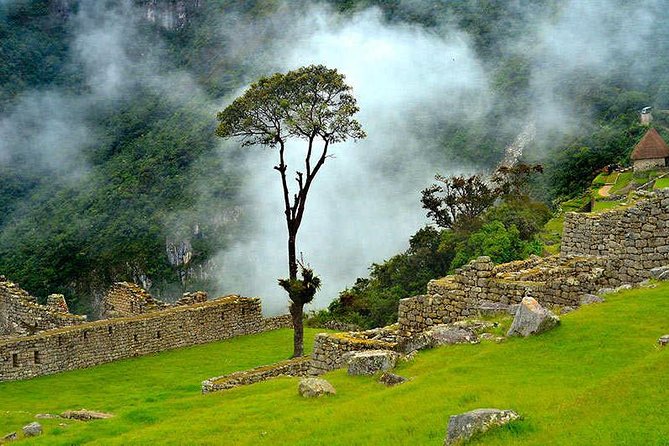
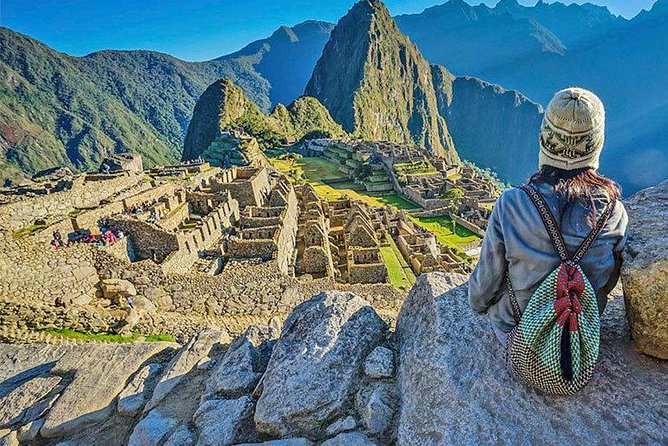
This is the payoff, but it is not the only worthwhile day. After breakfast, you take one of the morning buses to Machu Picchu. Your guide leads the visit through temples, ceremonial spaces, terraces, storage areas, and other important parts of the citadel.
A guide adds real value here. Machu Picchu is visually powerful, but without context it can become a series of beautiful stone walls and viewpoints. The planned explanation helps you connect the buildings to Inca engineering, ceremony, farming, and daily life.
The standard visit includes the citadel entrance and guided tour. Huayna Picchu or Machu Picchu Mountain requires an extra ticket booked in advance, listed at $85. If you want one of those climbs, arrange it before the trip and do not assume it is included in the $1,129 price.
After the guided visit, you return to Aguas Calientes for a break and lunch at your own expense. In the afternoon, you begin the return by train and bus toward Cusco. The return transport is included, but the day remains long, so avoid scheduling anything important late that evening.
Day 7: A simple airport departure
The final day is reserved for your transfer to Cusco Airport according to your flight schedule. This is a useful service for anyone with an early or fixed departure, since you do not need to arrange a separate ride after a demanding week.
Be careful with your flight timing. The tour includes return transportation by train and bus to Cusco, but the exact road and rail timing can vary. Give yourself a sensible buffer before an international or domestic flight.
What the $1,129 price includes
At $1,129 per person, this is not a budget trek. It is also more than a simple guided walk to Machu Picchu. The price bundles a long chain of services:
- Airport pickup and departure transfer
- Transportation throughout the route
- Three nights in three-star hotels
- Two hostel nights in Santa Maria and Santa Teresa
- One three-star hotel night in Aguas Calientes
- Six breakfasts
- Three lunches
- Three dinners
- Professional English-speaking guide
- Entrance fees
- Mountain bike, helmet, and gloves
- Rafting equipment and safety equipment
- Zipline activity
- One-way bus to Machu Picchu
- Return train and bus transport to Cusco
The value is strongest if you want a single company to handle the moving parts. You are paying for activity equipment, multiple transfers, accommodation in several locations, and Machu Picchu access, not just guiding.
You still need to budget for travel insurance, international and domestic flights, meals not listed, the $5 Santa Teresa hot springs entrance, and the $85 Huayna Picchu or Machu Picchu Mountain ticket. Solo travelers pay a $270 supplement.
Food, lodging, and comfort
Breakfast is included at the accommodation each morning. Lunch is included on three days, and dinner is included on three days. The schedule does not state that every meal is covered, so check which meals are included before setting your daily spending budget.
The lodging changes with the route. The hotels offer a more familiar base in Cusco and Aguas Calientes, while the hostels in Santa Maria and Santa Teresa are practical stops during the jungle section. If you need polished hotels every night, this may feel uneven. If you care more about staying on the route, the arrangement is sensible.
Pack light for the active section. You will move between vehicles, hostels, hotels, and Aguas Calientes, and easy access to your walking clothes will make the transfers less annoying.
The guide can shape the whole trip
A strong guide is especially important on this route because the guide is doing more than explaining ruins. You need help with timing, activity transitions, trail pace, safety, and transport.
Jonathan is repeatedly praised for keeping people safe, explaining Inca history, staying on time, and helping when flight delays affected the schedule. Wilbert is noted for practical help, cultural explanations, and strong organization. Percy is described as kind and considerate, while Freddy is praised for his understanding of Andean and Peruvian culture.
Those names do not guarantee which guide you will receive. They do show what to look for: clear communication, patience, outdoor ability, and an interest in the people and places along the route. The tour’s perfect recommendation rate and 4.9 rating from 36 published ratings point to a very strong overall record, though you should still understand the physical demands before booking.
Who should book this adventure?
I would choose this trip if you want Machu Picchu to be part of a larger active journey. It suits couples, friends, and families with a moderate fitness level who enjoy changing activities and do not mind early mornings.
It is also a good fit if you value a guide and fixed transport more than independent planning. The operator handles the complicated sequence from Cusco to Malaga Pass, Santa Maria, Santa Teresa, Aguas Calientes, Machu Picchu, and back to Cusco.
I would think twice if you dislike rafting, heights, long bike rides, uphill hiking, or simple accommodation. The trip is not designed around long afternoons at leisure. It is full, active, and occasionally tiring.
The non-refundable booking rule also deserves attention. Since cancellations and amendments do not receive a refund, make sure your flights, health, and schedule are firm before paying.
Should you book it?
Book this tour if you want four ways to experience the route: biking, rafting, ziplining, and trekking, with Machu Picchu at the end. The included equipment, admissions, meals, airport transfers, and return transport make the $1,129 cost easier to justify than a bare activity package.
Skip it if your priority is a quiet Cusco holiday or a classic multi-day hiking route with camping. For an active person who wants cultural stops, jungle scenery, adventure sports, and a guide managing the details, this is a strong all-in-one choice.
FAQ
How long is the Inca Jungle Adventure?
The experience lasts approximately seven days, beginning with airport pickup in Cusco and ending with a transfer to Cusco Airport.
Is airport pickup included?
Yes. Pickup from Alejandro Velasco Astete Airport is included on arrival, and a final transfer to Cusco Airport is arranged on departure.
Is this a private tour?
Yes. Only your group participates in the private activity.
What physical fitness level is required?
A moderate level of physical fitness is recommended. The program includes a three-hour mountain-bike descent, rafting, uphill trekking, long walks, and several early starts.
What activities are included?
Mountain biking, rafting, ziplining, and trekking are included. A full-suspension bike, helmet, gloves, rafting equipment, and safety equipment are provided.
Are meals included?
Six breakfasts, three lunches, and three dinners are included. Other meals are not included unless specifically stated.
What accommodation is provided?
The package includes three nights in three-star hotels, two hostel nights in Santa Maria and Santa Teresa, and one three-star hotel night in Aguas Calientes.
Is the Huayna Picchu ticket included?
No. The Huayna Picchu entrance fee is listed as an additional $85. Machu Picchu Mountain also requires an additional ticket booked in advance.
Can I visit the hot springs in Santa Teresa?
Yes, but the hot springs entrance is an optional extra costing $5 per person.
More zipline runs in Cusco
- Mendoza: Trekking, Abseiling and Zipline
★ 3.7 · 7 reviews - Medellin: Day Trip to Private Zipline and Waterfall Trek
★ 5.0 · 2 reviews
Latest treks added in Cusco
- Small Group: 4-Day Inca Trail Trek to Machu Picchu★ 5.0 · 33 reviews
- Salkantay Trek: 5 Days to Machu Picchu★ 5.0 · 33 reviews
- 5 Day – Salkantay trek to Machu Picchu – Group Service★ 4.5 · 27 reviews
- Humantay Lake Full-Day Adventure: Scenic Trek and Stunning Views★ 4.5 · 39 reviews
- Inca Trail Trek to Machu Picchu – 2 Days (Small Group or Private)★ 5.0 · 31 reviews
- Salkantay 5-Day Trek To Machu Picchu★ 5.0 · 39 reviews
- Ausangate and Rainbow Mountain Trek – 3 Days / 2 Nights★ 5.0 · 35 reviews
- 6 day Rainbow Mountain x Ausangate Trek – FlashpackerConnect★ 5.0 · 30 reviews
Jungle Treks, compared.
3-Day Ethical Orangutan Jungle Trek | Bukit Lawang, Sumatra
Read our review →
Monkey Business 3 days – 2 nights Jungle trekking (including rafting)
Read our review →
Khao Sok: Private Day Trekking, Jungle Dinner & Night Safari
Read our review →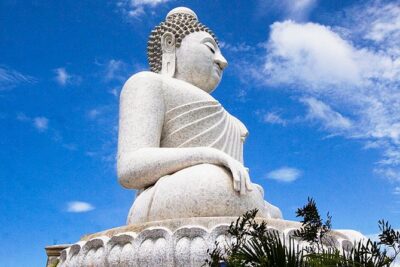
Big Buddha Jungle Trekking and Temple tour with Lunch
Read our review →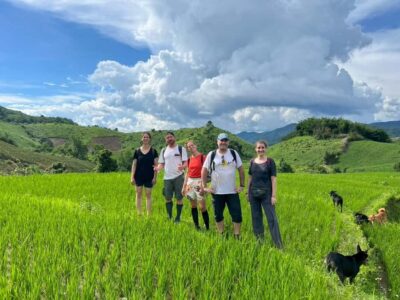
Jungle Adventure-Group Trekking & Bamboo Cooking
Read our review →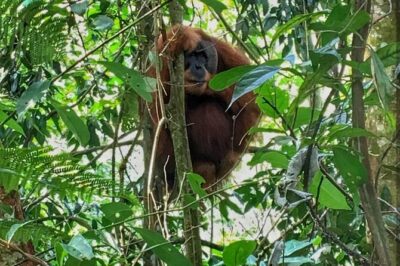
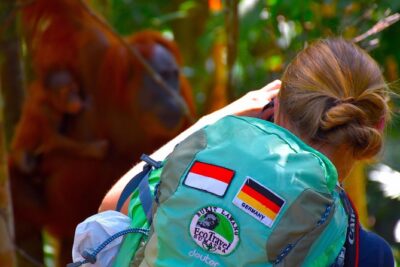
ORANGUTAN TREK (2D/1N) by EcoTravel Bukit Lawang
Read our review →Browse the lists this tour appears in