
REVIEW · JAPAN
Trekking Tour to Faith, Ancient Paths and the Falls from Hitachi
The best part of this two-day trip is the change of pace. You leave Tokyo’s orbit behind and move through sacred forest, old footpaths, and quiet mountain towns in Ibaraki. Oiwa Shrine gives the first day a spiritual focus, while Fukuroda Falls supplies the big natural spectacle on day two.
I like that the price covers the pieces that can make rural Japan awkward to arrange yourself: a private guide, lodging, meals, luggage transfer, and local transport. I also like the finish by train, with a simple ride from Hitachi-Daigo to Mito instead of a long return by road. The catch is the cost, $833.05 per person, plus the need for eight total walking hours and a 759-meter climb.
Key points to know before booking
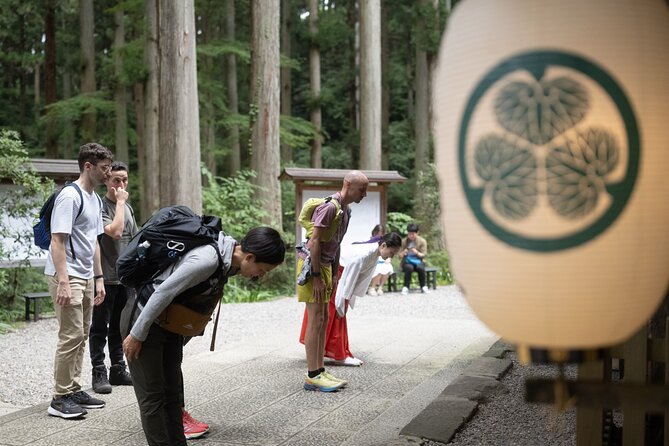
- Oiwa Shrine offers a spiritual start: Walk through a place of faith with roots in ancient Japan and receive a special blessing.
- The route is private: Only your group takes part, allowing the guide to adjust the pace for fitness and weather.
- An onsen night breaks up the hiking: Nakanoya includes accommodation, dinner, and breakfast in a traditional countryside setting.
- Fukuroda Falls is the visual high point: You walk a peaceful route to one of Japan’s three most famous waterfalls.
- The numbers matter: The course covers 10.5 km, 759 meters of ascent, 761 meters of descent, and about eight hours of walking.
- The ending is pleasantly local: A train ride beside the Kuji River brings you from Hitachi-Daigo to Mito.
Why this Ibaraki route feels different from Tokyo

Ibaraki is close enough to reach from Tokyo in roughly two hours, yet the mood changes quickly. The meeting point is JR Hitachi Station, where you can look toward the Pacific before heading inland. That first sea view is a useful reminder that this is not just a mountain walk. It connects coast, shrine, forest, village, waterfall, and railway in one compact trip.
I like the route because it does not treat rural Japan as a quick photo stop. You spend time walking between the main sights, meeting local people, hearing about temple beliefs, and sleeping in the area rather than rushing back to Tokyo at sunset. The result feels more like a small regional journey than a standard day trip.
The private format is important here. Your guide can adjust the route for your physical condition and experience, though that does not make the course easy. The published figures still add up to a serious walking program, particularly when the ascent and descent are spread across forest paths and mountain terrain.
More Trekking Tours in Japan
- Okinawa Jungle Trails & Waterfalls – Private Yanbaru Tour
★ 5.0 · 43 reviews - Sawanobori River Trekking Tour
★ 5.0 · 30 reviews - Private Local Hiking to enjoy the nature and culture of Mt.Fuji
★ 5.0 · 22 reviews
Starting at Hitachi Station beside the Pacific
Meet at Hitachi Station at 10:00 in the morning. The station sits on the JR Joban Line and offers a view of the sea, which makes it a more memorable starting point than an ordinary transport hub.
You have 15 minutes here to meet the guide and get oriented. Do not expect a long station visit. This is your practical meeting place and your first glimpse of Hitachi before the tour turns toward the hills.
The station is near public transportation, so it works well if you are reaching the area by train. Since the tour ends at Mito Station rather than returning to Hitachi, you also avoid retracing the entire route. That one-way design saves time and gives the second day a clear sense of progress.
Oiwa Shrine and the quiet side of Japanese faith
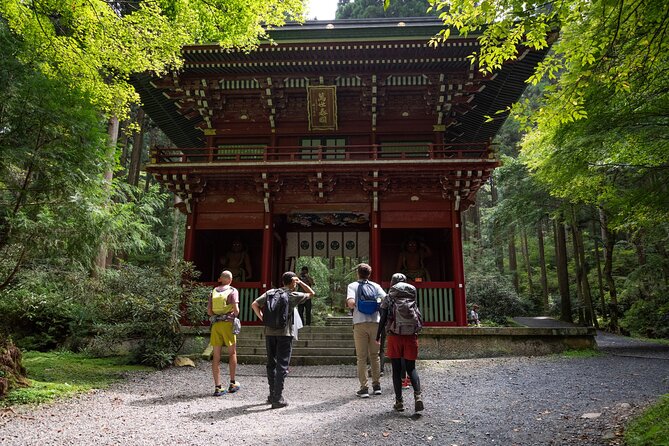
Oiwa Shrine is the first major stop, and it sets the tone for the trip. You spend about 40 minutes walking around a place of worship that has served as a site of faith since ancient times.
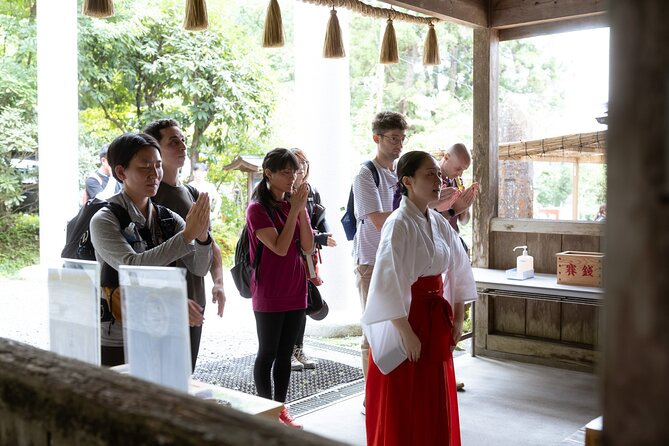
This is not simply a stop for a quick photograph. The appeal is the chance to see how religious practice fits into a forest setting, with the walk itself forming part of the experience. You can expect an explanation of the shrine and a special blessing as part of the visit.
I like this early stop because it gives cultural meaning to the trails that follow. The forests are not presented as empty scenery. They are part of a place where people have practiced faith for generations.
The short duration also keeps the visit focused. If you want a long, self-guided shrine exploration, this may feel brief. If you prefer a clear introduction before walking onward, 40 minutes is enough to give the place a proper look without slowing the whole day.
Gyokurenji and the old paths through local life
From Oiwa Shrine, the route continues toward Gyokurenji along what are described as living and ancient paths. This wording matters. You are not only walking a marked recreation trail. You are moving through routes connected with local life and older traditions.
At Gyokurenji, the abbot explains the temple’s history and beliefs. That conversation gives the stop a personal touch that you rarely get from reading a sign or arriving alone. It also adds a second religious perspective after the shrine, helping you compare the role of a Shinto site with the setting of a Buddhist temple.
The visit lasts about 40 minutes. You may interact with local people along the way, which is one reason this tour suits anyone who wants more than scenic viewpoints. The experience is strongest when you stay open to slower moments, short explanations, and the details of how a rural community uses its paths and places of worship.
This part can feel less dramatic than Fukuroda Falls. That is also its value. The tour gives you time to notice the human side of Ibaraki instead of packing every hour with famous sights.
Another trail to compare in Japan:
- Frozen fall trekking
★ 5.0 · 21 reviews - 3hours Primeval Forest and Stunning Views of Cliff Trekking Tour
★ 5.0 · 20 reviews - Mt. Inunaki Trekking and Goma Prayer Experience in Osaka
★ 5.0 · 8 reviews - Iriomote’s Adventure: Pinaisara Falls Canoe and Trekking Tour
★ 5.0 · 7 reviews
Nakanoya turns the first day into a real escape
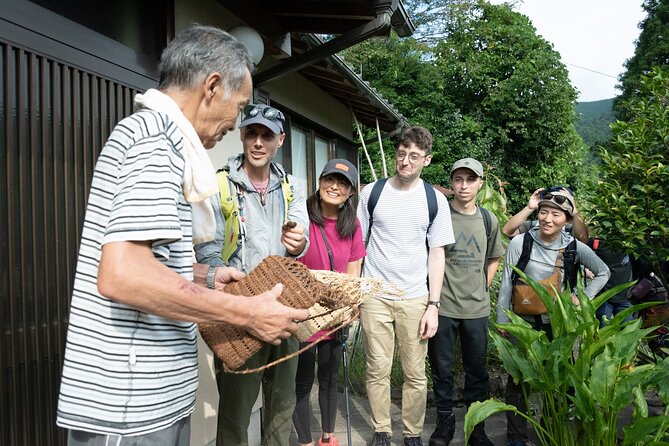
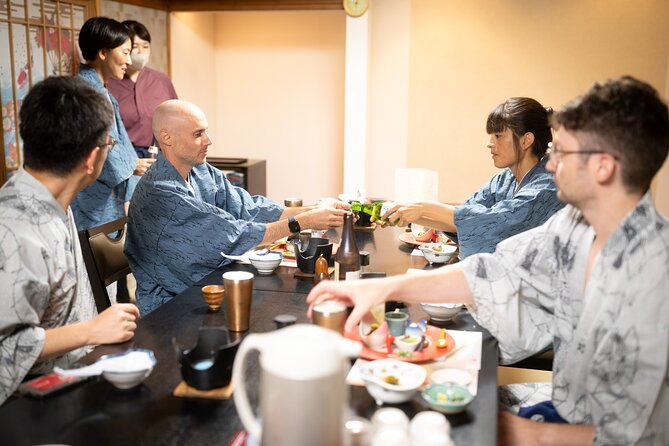
After the first day’s walk, Nakanoya provides an onsen stay with local food. Dinner and breakfast are included, as is the accommodation itself. You also have time to rest in a soothing hot spring setting before the second day begins.
For me, this overnight stop is one of the strongest reasons to consider the tour. A rural hike followed by an onsen is a much better rhythm than returning to Tokyo tired and trying to fit in another train connection. The bath gives your legs a chance to recover, while the meal adds a local element that a packed lunch cannot match.
The exact room arrangements and bathing details are not specified, so you should confirm any special accommodation needs before booking. Still, the package clearly treats Nakanoya as more than a place to sleep. It is the pause that makes the two-day format work.
Luggage transfer is included. That means you can walk with a lighter day bag instead of carrying your full overnight gear over the trails. For a route with 759 meters of ascent, this is a useful practical benefit.
Day two begins with a gentler morning
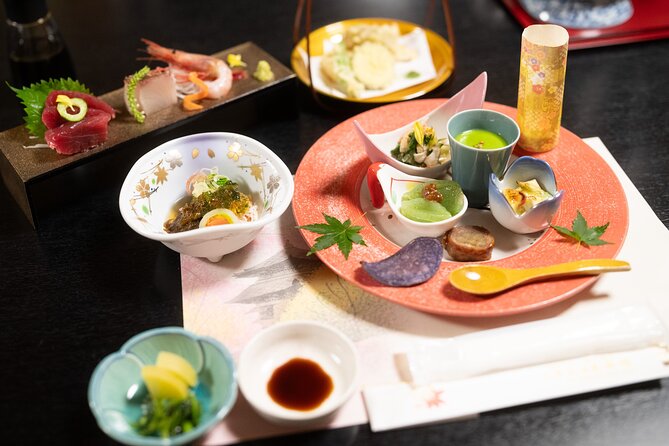
The second morning starts at Nakanoya, with about 30 minutes scheduled before heading onward. Breakfast is included, so you do not need to organize an early meal in an unfamiliar rural area.
The morning segment is short, but it is not a completely free day. You still have the waterfall walk and the train journey ahead. Use this time to prepare water, check your footwear, and make sure you have anything needed for the day, since personal drinks and trekking snacks are not included.
The tour provides lunch, which helps keep the day simple. Personal food and drinks outside the included meals remain your responsibility. That distinction is easy to miss when planning, so bring or buy anything extra you may want for the trail.
Fukuroda Falls delivers the big natural sight
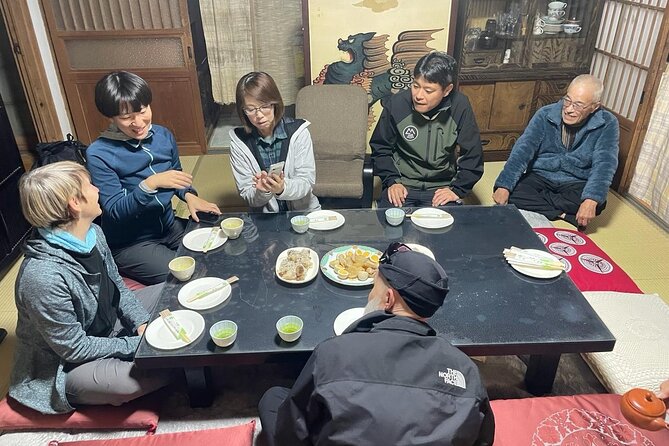
Fukuroda Falls is the headline attraction on day two. You walk to one of Japan’s three most famous waterfalls, with about an hour set aside for the visit.
The route to the falls is part of the appeal. You are not simply dropped at a viewing area and sent back to the vehicle. The walk gives you time to hear the water, take in the surrounding forest, and see the cascades from the approach.
An hour is enough for a focused visit, but it is not an all-day exploration. If you want to linger at every viewpoint or take a slow independent walk around the area, the schedule may feel tight. The private guide can help with pacing, but the tour still has to reach the afternoon train.
Weather will shape this stop. The operator cancels when more than 2 millimeters of precipitation is expected, and the route can change if conditions worsen or the guide considers a change necessary. That policy protects the hiking experience, but it also means you should keep your dates flexible if possible.
Daigo adds cafés, shops, and a slower finish
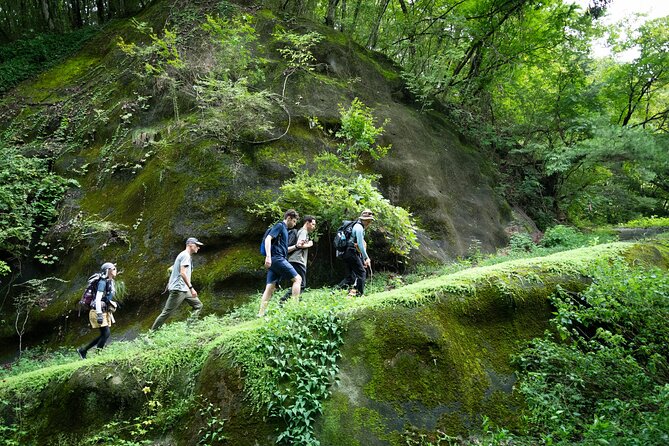
After Fukuroda Falls, the route includes time in Daigo, a town with nostalgic streets, small cafés, and local shops. This is a welcome change after the forest walking.
Daigo gives you room to slow down and see the area as a lived-in place rather than a chain of scenic stops. A café break or browse through a shop can make the day feel less like an exercise schedule. It also gives you a chance to spend a little on personal purchases, which are not included in the tour price.
The town visit may appeal most to people who enjoy modest local details. Do not expect a large shopping district or a long list of major attractions. The charm comes from the pace, the older streets, and the chance to pause before the final train ride.
The Kuji River train ride completes the journey
At Hitachi-Daigo Station, you board a local train with your guide. The ride follows the Kuji River and offers mountain views on the way to Mito.
I like this ending because it uses public transport as part of the experience. You are not placed back in a private vehicle and whisked to the finish. The train gives you one last look at the countryside and lets the trip end in the same unhurried manner in which it began.
The train fare from Hitachi-Daigo to Mito is included. At Mito Station, the tour ends at the station gates, where you say goodbye to the guide. From there, you are responsible for your onward plans.
How demanding are 10.5 kilometers and 759 meters of ascent?
The total walking distance is 10.5 kilometers, with 759 meters of ascent and 761 meters of descent. Total walking time is listed at about eight hours across the two days.
Those numbers make this a moderate physical activity, not a casual sightseeing walk. You should be comfortable spending several hours on foot and managing uphill and downhill sections. Good shoes are sensible, and you should be ready for changing conditions on forest paths.
The private format helps because the itinerary can be adjusted for your condition, experience, and the weather. Still, an adjustment does not remove the basic physical nature of the trip. If you dislike hills, have trouble with long walks, or want a mostly vehicle-based tour, this is probably the wrong choice.
One useful detail is the luggage transfer. You can leave larger bags with the service and carry only what you need during the walks. That makes a real difference on climbs, especially if the weather is cool and you need extra layers.
What the $833.05 price includes
At $833.05 per person, this is a costly regional excursion. Its value depends on how much you would otherwise spend arranging the same pieces yourself.
The price includes:
- A private guide for your group
- Accommodation at Nakanoya
- Dinner and breakfast
- Lunch
- Transport during the tour
- The train from Hitachi-Daigo to Mito
- Luggage transfer
- Accident insurance
That is a substantial package. You are paying for planning, rural transport, a local escort, an overnight stay, and meals, not just admission to a waterfall. The private format also means you do not share the activity with a larger tour group.
The price is harder to justify if you only want to see Fukuroda Falls or if you are comfortable arranging trains, lodging, and a short hike yourself. It makes more sense if you value a ready-made two-day route and want cultural interpretation at Oiwa Shrine and Gyokurenji.
Personal shopping, drinks, and extra food are not included. Budget a little for Daigo and for anything you want during the walking portions.
Weather rules and the need for flexible plans
This experience requires suitable weather. It is canceled when more than 2 millimeters of precipitation is expected, and the guide can change the course on the day if conditions require it.
That is a sensible rule for a route with substantial walking. Rain can affect footing, visibility, and the comfort of the shrine and waterfall visits. The tradeoff is that you should not book this as a tightly fixed part of a short trip unless you have room to move it.
If poor weather causes cancellation, you are offered another date or a full refund. For your own cancellation, you must cancel at least three full days before the start time for a full refund. Changes or cancellations inside that window are not accepted or refunded.
Confirmation arrives within 48 hours, subject to availability. Since this is a private activity, the exact plan belongs only to your group, but the operator still controls the weather call and any necessary route changes.
Who should book this two-day escape?
I would recommend it to you if you want rural Japan without giving up structure. It suits people who enjoy walking, shrine and temple visits, hot springs, local trains, and small-town stops more than big-city sightseeing.
It is also a good match for anyone who wants a private experience. You can move at a more suitable pace, ask questions during the temple and shrine visits, and avoid the feel of a large coach tour. The presence of a guide such as Miyuki, described as an energetic hiking companion who serves hot tea even on a snowy peak, adds a human touch to the experience.
I would hesitate to recommend it if your main goal is a cheap day trip, if you need guaranteed dry weather on a fixed date, or if eight hours of walking sounds excessive. The tour is not built around easy access or passive sightseeing.
Should you book it?
Book this tour if you want to see an authentic, quieter side of Ibaraki and appreciate having the difficult details handled for you. Oiwa Shrine, Gyokurenji, Nakanoya, Fukuroda Falls, Daigo, and the Kuji River train ride form a varied two-day route with a strong sense of place.
Skip it if you want maximum independence or the lowest possible price. At $833.05, the value comes from the private guide, overnight onsen stay, meals, luggage transfer, and carefully connected transport. For the right person, that combination makes rural Japan far easier to enjoy.
FAQ
Where does the tour begin?
It begins at Hitachi Station, 1 Chome-1 Saiwaicho, Hitachi, Ibaraki, at 10:00 am.
Where does the tour end?
It ends at Mito Station. You say goodbye to the guide at the station gates.
How long is the tour?
The experience lasts approximately two days.
How much walking is involved?
The total walking distance is 10.5 kilometers, with 759 meters of ascent, 761 meters of descent, and about eight hours of total walking time.
What meals are included?
Dinner, breakfast, and lunch are included. Personal shopping, drinks, and additional food are not included.
Is accommodation included?
Yes. The price includes accommodation at Nakanoya, along with dinner and breakfast.
What happens if the weather is poor?
The tour is canceled if more than 2 millimeters of precipitation is expected. The route can also change because of weather or if the guide considers it necessary. If the operator cancels because of poor weather, you can choose another date or receive a full refund.
Latest treks added in Japan
- Ninja Trekking half-day tour at Mt.Daimonji Kyoto★ 5.0 · 6 reviews
- Relax and refresh in Karuizawa Forest! Shinanoji down trekking around two people★ 4.0 · 2 reviews
- Mt. Inunaki Trekking and Goma Prayer Experience in Osaka★ 5.0 · 8 reviews
- Matt Canyon River Trekking Nishiwaga Town, Iwate Prefecture★ 5.0 · 4 reviews
- Mt. Inunaki Trekking and Hot Springs in Izumisano, Osaka★ 5.0 · 3 reviews
- Iriomote’s Adventure: Pinaisara Falls Canoe and Trekking Tour★ 5.0 · 7 reviews
- 3hours Primeval Forest and Stunning Views of Cliff Trekking Tour★ 5.0 · 20 reviews
- Shizuoka : Mt Fuji Secret Canyon River Trekking★ 5.0 · 6 reviews
Japan Trekking Tours, compared.
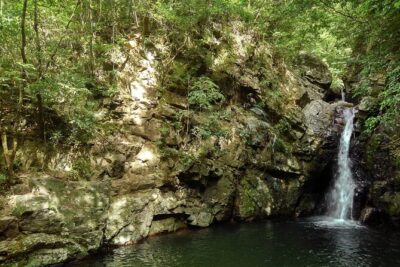
Okinawa Jungle Trails & Waterfalls – Private Yanbaru Tour
Read our review →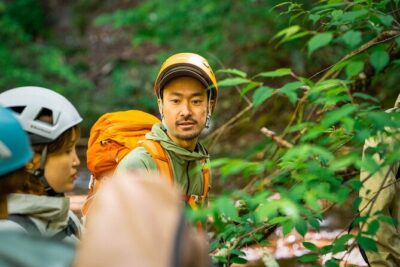
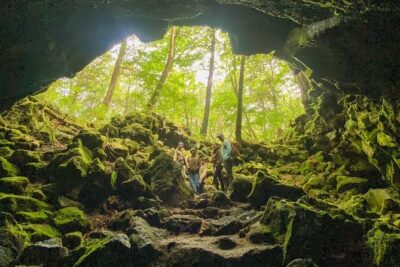
Private Local Hiking to enjoy the nature and culture of Mt.Fuji
Read our review →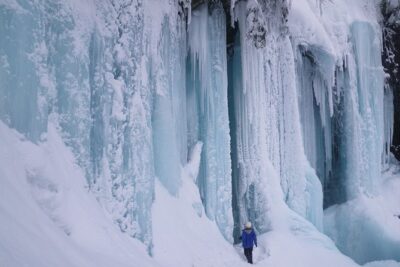
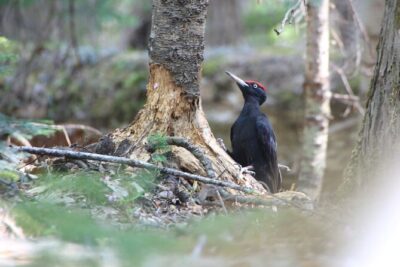
3hours Primeval Forest and Stunning Views of Cliff Trekking Tour
Read our review →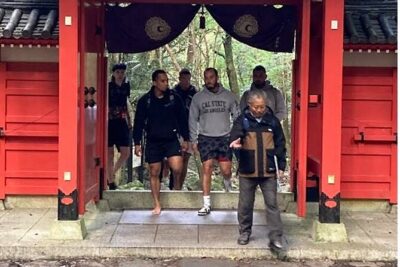
Mt. Inunaki Trekking and Goma Prayer Experience in Osaka
Read our review →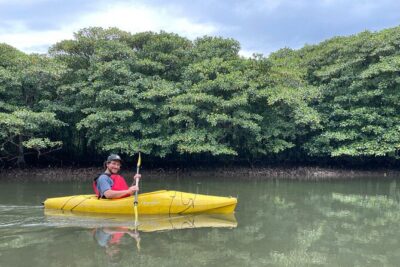
Iriomote’s Adventure: Pinaisara Falls Canoe and Trekking Tour
Read our review →
Browse the lists this tour appears in