
REVIEW · JAPAN
3hours Primeval Forest and Stunning Views of Cliff Trekking Tour
Shiretoko’s primeval forest is the real attraction here. You follow animal paths through a part of the national park that feels far removed from the developed visitor routes, then reach views of cliffs rising more than 100 meters above the coast and a waterfall. The scenery shifts from quiet woodland to open sea views, which gives this short walk a satisfying range.
I like two things right away: the small group limit of eight keeps the walk personal, and the included rubber boots, rainwear, and binoculars mean you do not need to pack specialist gear. Guides such as Makoto, Yuki, Kato, Yusuke, Yuriko, and Mark have also been praised for clear explanations and strong English skills.
The main consideration is the terrain. This is a roughly three-hour walk, not a roadside viewpoint visit, and the ground can become muddy or wet. You need a moderate level of fitness, and a clear forecast matters because poor weather can lead to a date change or cancellation.
Key points to know before you book
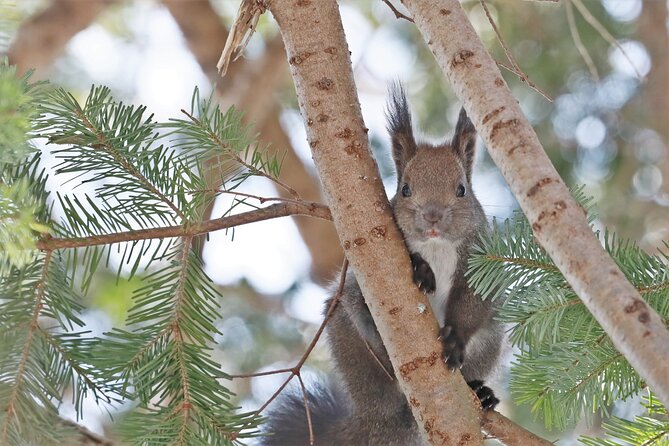
- Wildlife paths lead through genuine forest: You may see deer, birds, bear tracks, and other signs of life rather than simply walking along a paved sightseeing route.
- The cliff view is a major payoff: The route includes sea cliffs more than 100 meters high and a waterfall.
- Useful gear is included: Rainwear, rubber boots, and binoculars are provided at no extra charge.
- Guiding adds real value: Guides explain forest ecology, local wildlife, bear safety, and the history of the area.
- Groups stay small: A maximum of eight people makes it easier to hear the guide and ask questions.
- The walk is weather-dependent: You can cancel for a full refund up to 24 hours ahead, and bad weather may trigger a free reschedule or refund.
Walking into Shiretoko’s primeval forest
The tour begins at the Shiretoko National Park Nature Center in Onnebetsumura, Shari. The same location is used at the end, so you do not need to arrange a separate return transfer. Pickup is offered, but the listed meeting point remains the Nature Center, so check the exact arrangement when booking.
The walk itself lasts about three hours, with the full activity taking roughly three and a half hours. That timing gives the guide room to stop, point out tracks, explain plants and wildlife, and wait for the group to take in the views. This is not a rushed march from one photo stop to another.
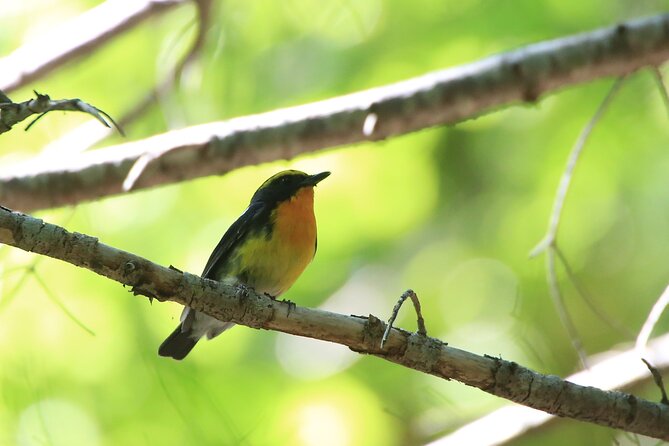
The first part takes you into forest used by native animals. The appeal is not a string of guaranteed sightings. It is the chance to read the woods through tracks, movement, sounds, and small details that are easy to miss alone. The route follows animal paths, and your guide helps explain what those paths reveal about the forest.
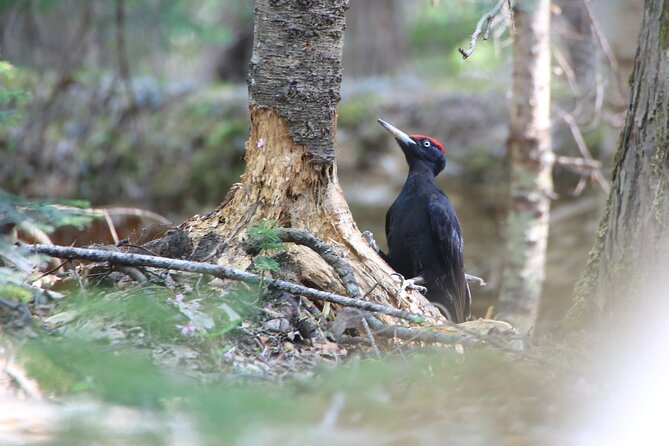
That guidance matters in Shiretoko. A forest can look quiet while deer, birds, and larger animals remain close but unseen. Several guides have been praised for spotting wildlife that participants would have missed, including deer and a wide range of birds. One outing included eagles and a black woodpecker, while another included a bear sighting handled quickly and safely by the guide.
You should treat wildlife as a possibility, not a promise. The tour is designed around the chance to encounter signs and animals in their natural setting, but nature does not work on a schedule. The guide’s ability to read the area is more valuable than any fixed checklist.
More Trekking Tours in Japan
- Okinawa Jungle Trails & Waterfalls – Private Yanbaru Tour
★ 5.0 · 43 reviews - Sawanobori River Trekking Tour
★ 5.0 · 30 reviews - Private Local Hiking to enjoy the nature and culture of Mt.Fuji
★ 5.0 · 22 reviews
Cliffs higher than 100 meters and a waterfall
The forest route eventually opens toward one of the tour’s strongest visual moments: a cliffline rising more than 100 meters, with a waterfall adding movement to the view. This is a different side of Shiretoko from the enclosed woodland. You get a sense of the scale of the coast, the drop to the sea, and the force of the weather that shapes the peninsula.
The cliff section gives the walk a clear payoff. If you have already visited famous viewpoints such as the Shiretoko Five Lakes or Furepe Waterfall, this tour adds a less familiar angle. It does not replace those sights, but it lets you see the national park from a quieter forest approach.
Weather can change this part of the outing. Rain, mist, and cloud may soften the views, while a clear day should give you the best chance of seeing the cliffs and sea. Even in wet conditions, the forest can remain atmospheric, but you should not book this expecting a guaranteed postcard view every time.
The supplied binoculars are useful here. They also help earlier in the walk, when your guide points toward birds or distant movement. You will get more from them if you are patient and let the guide choose the best moments to stop.
What the guides add to the walk
This tour is much more than a marked path with equipment rental. The guide gives the walk its meaning. A forest full of unfamiliar trees and tracks can seem like a pleasant green corridor. With explanation, it becomes a record of animal habits, seasonal change, and the relationship between wildlife and the park.
Guides named in past outings include Makoto, also referred to as Mark, Yuki, Kato, Yusuke, Yuriko, Ako, Tomo, and Kaito. Several have been praised for friendly manner, strong English, humor, and careful attention to the group. You may not receive a particular guide, so it is best to view these names as examples of the guiding team rather than a guarantee.
Makoto and Mark have been noted for explaining wildlife ecology and local history in an engaging way. Yuki has been praised for her English and her care with questions about the forest. Kato has been described as energetic and enthusiastic, while Yusuke has been praised for animated explanations and a good command of English.
The exact style may vary from one guide to another. That is normal for a nature walk, and it can be a plus. Some guides may focus more on animal behavior, others on the forest’s history or seasonal signs. The consistent point is that the tour gives you a trained set of eyes in a place where you could otherwise walk past much of the story.
English support is an important benefit for international visitors, but you should still expect the experience to involve outdoor observation rather than a formal lecture. The best questions are practical ones: What made this track? How can you tell? Which animals are active in this season? What should you do if a bear is nearby?
Bears, deer, birds, and the value of safety
Shiretoko is bear country, and the tour does not pretend otherwise. That is part of what makes a guided walk sensible. You are not simply wandering into the forest and hoping for the best. The guide explains the area and watches the surroundings while you focus on the experience.
Bear sightings are not guaranteed, and they should never be the goal. One past outing included a bear, and the guide moved the group to safety quickly. Other walks found numerous bear tracks in snow without seeing a bear. That is a good picture of what you may encounter: evidence, not necessarily the animal itself.
Deer appear to be a more realistic possibility, and birds can add life to the quieter sections. Sightings have included deer, eagles, and a black woodpecker. Still, the best reason to book is the chance to understand the forest, not to collect a wildlife scorecard.
The small group size helps here. With no more than eight people, the guide can keep the group together and respond to changes in the surroundings. It also means less noise and fewer people crowding a viewing spot. That is valuable in a forest where patience and quiet observation pay off.
Another trail to compare in Japan:
- Frozen fall trekking
★ 5.0 · 21 reviews - Mt. Inunaki Trekking and Goma Prayer Experience in Osaka
★ 5.0 · 8 reviews - Iriomote’s Adventure: Pinaisara Falls Canoe and Trekking Tour
★ 5.0 · 7 reviews - Ninja Trekking half-day tour at Mt.Daimonji Kyoto
★ 5.0 · 6 reviews
Boots, rainwear, and what the terrain feels like
The included gear is one of the tour’s strongest practical features. You receive rental rainwear, rubber boots, and binoculars, so you can take part without buying equipment for one walk. Rubber boots are especially useful if the trail is wet or muddy.
Terrain conditions change with the weather. One outing noted that rain boots were less necessary after a dry period, but the point of the included boots is flexibility. You do not have to guess perfectly in advance. If rain has fallen recently, expect mud and choose clothing that can handle dirt.
Wear comfortable walking clothes and bring layers suitable for Hokkaido conditions. The tour description does not set out a detailed clothing list, so do not assume the rental gear covers every personal need. The provided rainwear protects against wet weather, but you still need ordinary clothing suitable for a three-hour walk.
The moderate fitness requirement deserves attention. You do not need to be an expert hiker based on the information provided, but you should be comfortable walking for about three hours on natural terrain. The phrase easy walk appears in one description, yet muddy ground, weather, and forest paths can still make the outing tiring for some people.
The price and what you receive for $53.73
At about $53.73 per person, this is a strong-value way to explore Shiretoko if you want more than a short viewpoint stop. The fee includes the guide, the three-hour forest walk, rainwear, rubber boots, and binoculars. You are also paying for access to local interpretation and outdoor safety in bear country.
The value is clearest if you would otherwise need to rent boots or rain gear separately. It is also better for you if wildlife and forest ecology are central interests. Someone who only wants a quick cliff photograph may find the three-hour commitment less appealing.
A maximum group size of eight adds to the value. Large nature tours can make quiet wildlife viewing awkward, while this format gives you a better chance to hear explanations and ask questions. Private guiding is not promised, but occasional bookings have created very small groups, including a private-style outing when only one party booked.
The tour is often booked about 30 days in advance. That does not mean you must reserve exactly one month ahead, but it is a useful warning for a small-group activity in a remote national park. If your Hokkaido route is fixed, booking early makes sense, especially if you need a particular date.
Seasons, rain, and changing conditions
The outing runs in conditions that can vary sharply. A mid-April walk took place when it was still cold, after the drift ice had gone. A winter walk included snow, deer, eagles, a black woodpecker, and bear tracks. Summer outings have included muddy terrain, sea views, and forest wildlife.
Those examples show why you should choose clothing and expectations for the season rather than relying on a single picture of the tour. Winter changes the feel of the forest and makes tracks easier to read in snow, while warmer months may offer greener woodland and different wildlife activity. The tour description does not promise one fixed seasonal program.
Poor weather can affect the schedule. If conditions make the activity unsafe or unsuitable, you may be offered another date or a full refund. You can also cancel for a full refund if you do so at least 24 hours before the start time. Changes or cancellations inside that 24-hour window are not accepted for a refund.
That policy gives you some protection, but it also means you should watch the forecast as your date approaches. If the weather is uncertain, keep some flexibility in your Shiretoko plans.
Who will get the most from this experience
I would choose this walk if you want a guided look at Shiretoko’s natural side and prefer a small group to a crowded attraction. It suits people who enjoy forests, wildlife signs, birdwatching, and learning how to read a natural area.
It is also a good fit if you are visiting the park for the first time and want context. A guide can connect the animal tracks, cliff views, waterfall, and bear country in a way that separate short stops may not.
Families with older children may find the wildlife focus engaging, but every member of the group should be ready for a three-hour walk on natural ground. The moderate fitness requirement should be taken seriously. This is not a fully accessible sightseeing ride or a simple roadside photo stop.
You may want to skip it if your schedule is tight, you dislike wet or muddy conditions, or your priority is only the famous viewpoints. The cliff view is a highlight, but the tour earns its price through the whole forest walk and the guide’s explanations.
Should you book the Shiretoko forest walk?
Book it if you want to see Shiretoko through animal paths, forest ecology, and changing coastal views rather than only from marked visitor stops. The included boots, rainwear, and binoculars remove much of the usual outdoor planning, while the group limit keeps the outing manageable.
I would be especially keen to book this for a flexible day in Shiretoko, when I could accept a weather-related change and give the forest a full three hours. Choose another activity if you need guaranteed wildlife sightings or a short, effortless visit. For an active visitor who values local guidance, the combination of primeval forest, bear-country awareness, deer and bird possibilities, and 100-meter cliffs makes this a well-priced choice.
FAQ
Where does the tour start and finish?
The tour starts at the Shiretoko National Park Nature Center, 531 Onnebetsumura, Shari, Shari District, Hokkaido 099-4356, Japan. It ends back at the same meeting point.
How long does the experience last?
The full activity takes approximately three hours and 30 minutes. The forest walk itself lasts about three hours.
How many people can join the tour?
The group can include a maximum of eight people.
What equipment is provided?
Complimentary rainwear, rubber boots, and binoculars are provided.
Do I need a high level of fitness?
You should have a moderate level of physical fitness. The activity involves a roughly three-hour walk through primeval forest, where the ground may be muddy or wet.
What happens if the weather is poor?
The experience requires good weather. If it is canceled because of poor conditions, you may be offered a different date or a full refund. You can also cancel at least 24 hours before the start time for a full refund.
Latest treks added in Japan
- Ninja Trekking half-day tour at Mt.Daimonji Kyoto★ 5.0 · 6 reviews
- Relax and refresh in Karuizawa Forest! Shinanoji down trekking around two people★ 4.0 · 2 reviews
- Mt. Inunaki Trekking and Goma Prayer Experience in Osaka★ 5.0 · 8 reviews
- Mt. Inunaki Trekking and Hot Springs in Izumisano, Osaka★ 5.0 · 3 reviews
- Matt Canyon River Trekking Nishiwaga Town, Iwate Prefecture★ 5.0 · 4 reviews
- Iriomote’s Adventure: Pinaisara Falls Canoe and Trekking Tour★ 5.0 · 7 reviews
- Trekking Tour to Faith, Ancient Paths and the Falls from Hitachi★ 5.0 · 2 reviews
- Shizuoka : Mt Fuji Secret Canyon River Trekking★ 5.0 · 6 reviews
Japan Trekking Tours, compared.
Okinawa Jungle Trails & Waterfalls – Private Yanbaru Tour
Read our review →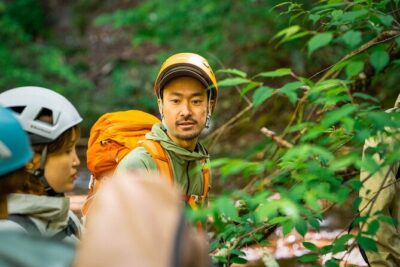
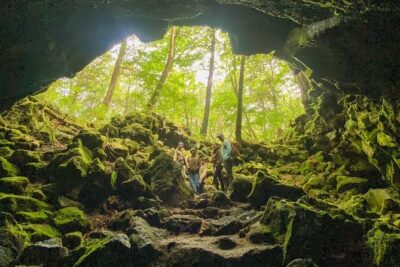
Private Local Hiking to enjoy the nature and culture of Mt.Fuji
Read our review →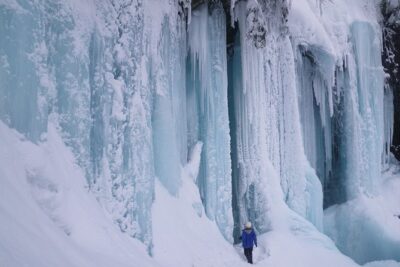

Mt. Inunaki Trekking and Goma Prayer Experience in Osaka
Read our review →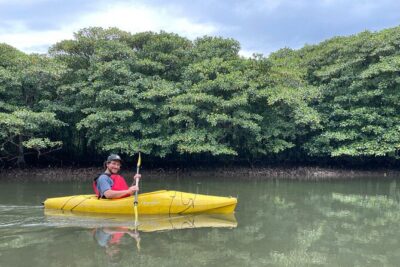
Iriomote’s Adventure: Pinaisara Falls Canoe and Trekking Tour
Read our review →

Ninja Trekking half-day tour at Mt.Daimonji Kyoto
Read our review →Browse the lists this tour appears in