
REVIEW · INDONESIA
Oke Rinjani 2-Day Trek – Summit senaru Climb & Amazing Views
Mount Rinjani’s Senaru route gives you two big rewards in a short trip: sunset above Segara Anak Lake and a pre-dawn climb to the second summit. I like the mix of dense forest, high camp, open mountain views, and a sunrise start without the longer crater-to-summit schedule. I also like that porters carry the tent, food, and cooking gear, leaving you with a manageable daypack.
The catch is simple: this is a hard hike. The climb to Pelawangan Senaru is long and steep, and the summit push begins before dawn. Cold nights, tired legs, and slippery sections on the way down mean you should come prepared, even if you are a fit beginner.
Key points to know before booking
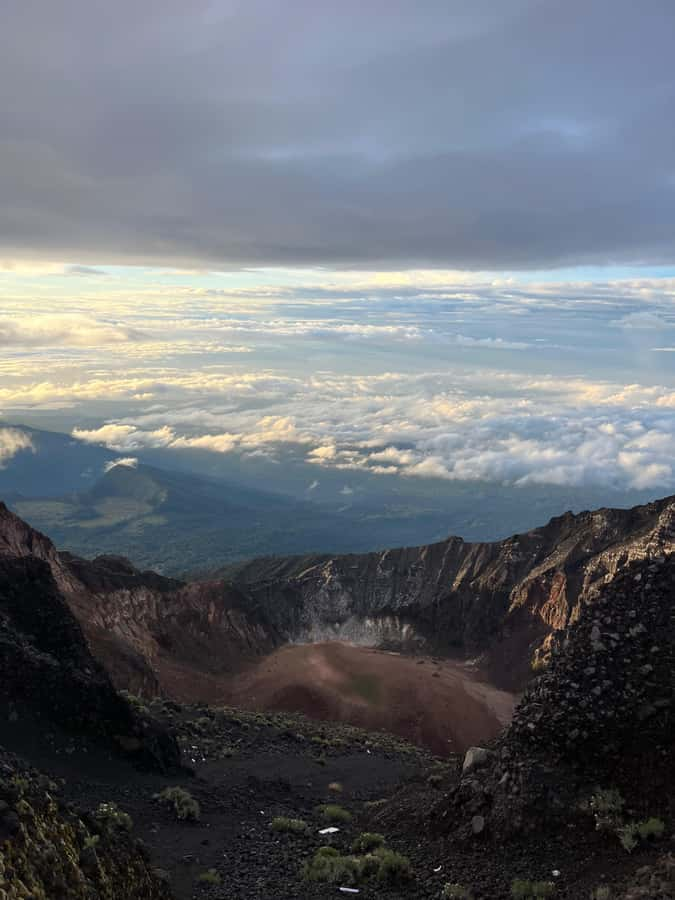
- Sunset at 2,641 meters: Camp at Senaru Crater Rim with views toward Segara Anak Lake and the volcanic peaks.
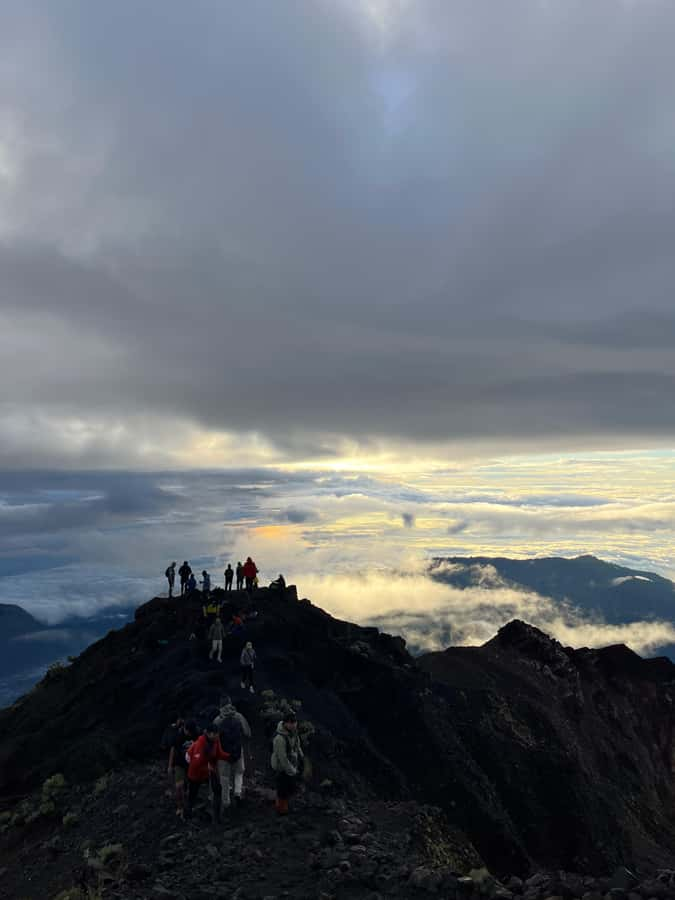
- Sunrise from the second summit: Start before dawn and climb to roughly 2,700 meters for morning views toward the sea, lake, and volcano.
- Forest first, mountain later: The opening section passes through dense tropical forest at Pos 1, Pos 2, and Pos 3.
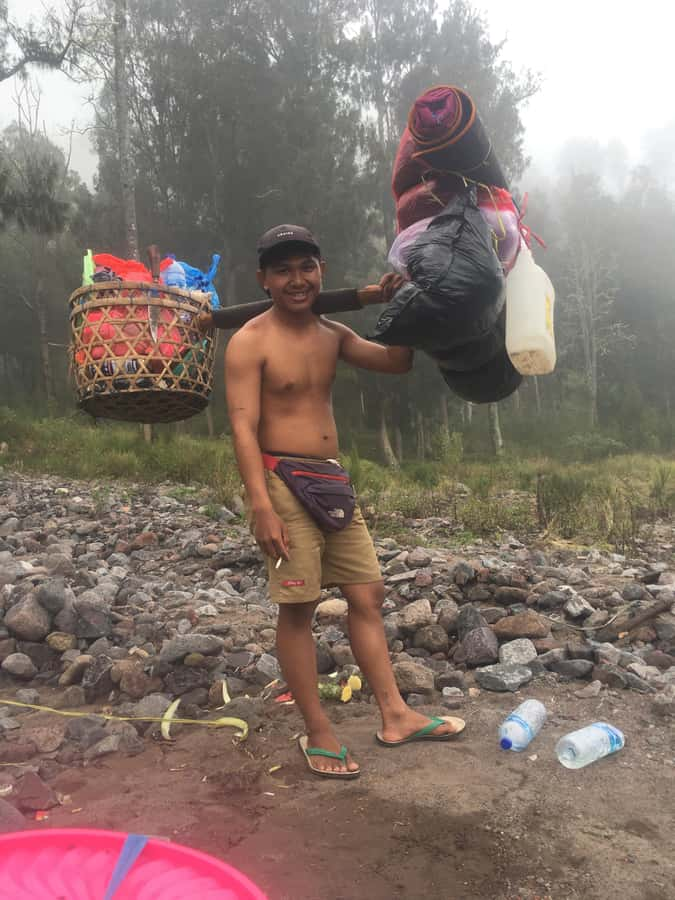
- Porters carry the camp: Your guide and porters handle tents, cooking equipment, and food, while you carry a daypack.
- Cold and demanding conditions: Night temperatures can fall to 5 to 10 degrees Celsius, and the uphill route is strenuous.
- A practical package: The $171 price includes transport, guide, porters, camping equipment, four meals, and drinks, but not park fees or the medical check.
From Senaru Village into the tropical forest
Your morning begins with hotel pickup in Senaru, followed by a light breakfast and trek registration. The route then enters the forest, where the first part feels shaded and green rather than exposed and rocky.
You pass through the early posts, including Pos 1, Pos 2, and Pos 3. Lunch is served at Pos 3, giving you a useful break before the tougher climb. This is also the point where you should check your water, adjust your pack, and deal with hot or wet clothing before the trail rises more sharply.
The forest is a major part of the appeal. It gives you changing plant life, shade, and a sense of progress as the trail moves away from Senaru Village. It also hides the scale of the climb for a while. You may feel fresh at the start, but the steady uphill walking adds up.
The package includes drinking water, tea, and coffee. The detailed inclusions specify 3 liters of mineral water per person each day, which is a useful amount for a strenuous trek. Still, keep an eye on your own pace and hydration. You do not want to arrive at the crater rim already depleted.
More Mount Rinjani Treks in Indonesia
- Mount Rinjani Trek 3D-2N To Summit – Lake – Hotspring
★ 4.7 · 111 reviews - Rinjani trekking 2D 1N RIM
★ 5.0 · 94 reviews - Mount Rinjani 2-Day Trek to Senaru Crater Rim
★ 4.8 · 89 reviews
The climb to Pelawangan Senaru at 2,641 meters
After Pos 3, the route becomes the real test. You continue uphill toward Pelawangan Senaru, the crater rim camp at about 2,641 meters. The climb is not technical mountaineering, but it demands stamina, steady footwork, and patience.
I would treat this section as a slow mountain walk, not a race. Let the guide set a sensible rhythm, and use short rests before you feel completely spent. The porters carry the heavy camping load, but you still need to carry personal items, warm layers, water, snacks, and perhaps a camera.
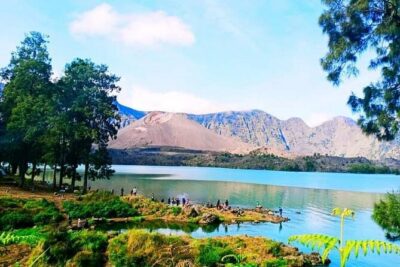
The reward arrives as the trees give way to broad mountain views. At camp, the setting changes quickly from forest to open high ground. You can look toward Segara Anak Lake and watch the light shift across the crater as evening approaches.
The tour sets up your tent at the rim and serves dinner there. A toilet tent, sleeping bag, mattress, and tissues are included, so you are not expected to bring a full camping kit. This is basic mountain camping, not a comfortable lodge night. The included gear makes the trip easier, but you should still expect a cold, simple night outdoors.
Sunset above Segara Anak Lake
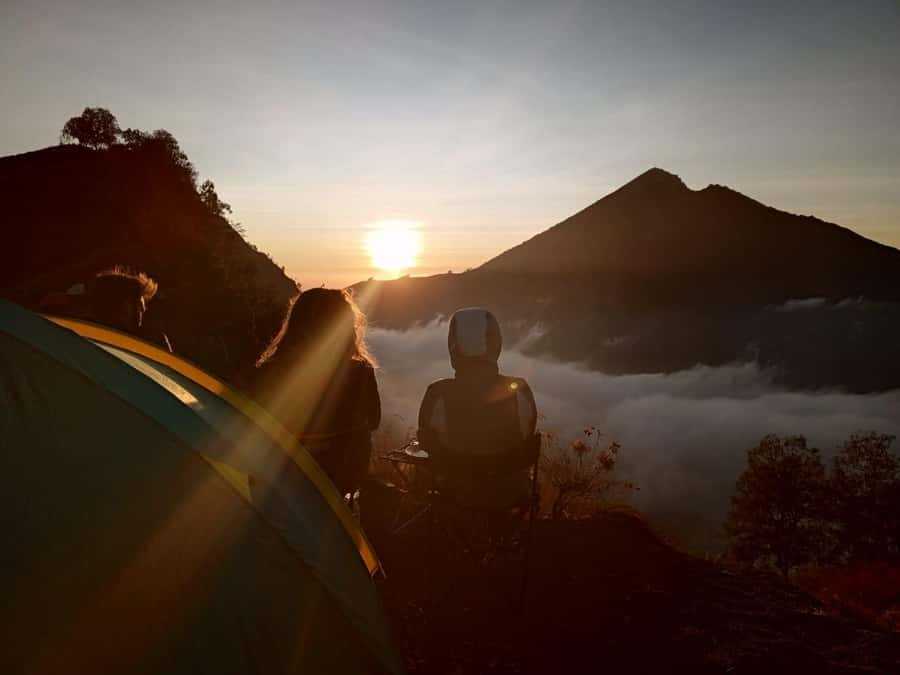
Sunset is one of the best reasons to choose this two-day route. From Senaru Crater Rim, you can see Segara Anak Lake below and watch the evening light spread across the volcanic setting.
The view has a useful advantage over a rushed summit itinerary: you get time to sit at camp and take it in. You are not trying to catch sunset from a vehicle or squeezing it between sightseeing stops. The mountain is your evening setting.
Weather controls how much you see. Clear conditions can bring wide views toward the lake, volcano, and sea. Cloud or rain can reduce the scene to a much closer view, but the forest and high camp still make the night feel remote.
Dinner is freshly cooked, with nasi and other simple mountain food available. Breakfast includes pancakes, according to the meal details shared by the operator. The food is part of the practical value here. After the climb to camp, a hot meal matters far more than a polished menu.
Before bed, the guide gives a safety briefing for the early start. Listen carefully, lay out your clothing, and keep your headlamp within reach. You will not want to search through a cold tent in the dark.
The pre-dawn push to the second summit
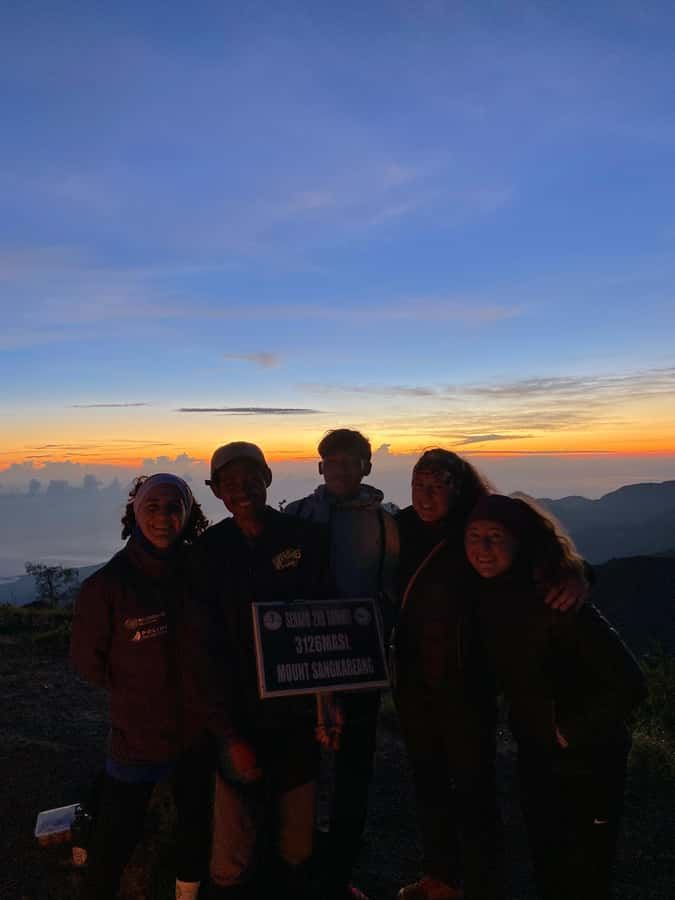
You wake before dawn for hot tea or coffee and begin the climb to the second summit at approximately 2,700 meters. The distance is not the only challenge. You are walking in darkness, after a full day of uphill hiking, and the cold becomes more noticeable as you gain height.
A headlamp or flashlight is essential. Bring spare power for it if needed, and carry a power bank for your phone. Gloves are especially useful. One hiker specifically wished they had brought them because hands became cold at the summit, so this is a small item with a real payoff.
The top is timed for sunrise. From the second summit, you can look across the lake and volcano as the first light arrives, with views toward the sea when conditions are clear. This is the most dramatic moment of the trip, but it is also the section that demands the most from your legs.
You should bring hiking shoes with a firm tread. Sneakers may work for some people, but the return can be slippery, and worn soles give you less control. Gaiters are recommended, while trekking poles can help on the descent. Jackets, trousers, shoes, poles, headlamps, and small daypacks can be rented at the Oke Rinjani office, though available sizes may be limited, particularly for some men’s shoe sizes.
Do not assume rented gear will solve every problem at the last minute. If you have your own hiking boots, warm jacket, gloves, and headlamp, bring them. The mountain is not the place to discover that your footwear pinches or your light is unreliable.
More two-day treks in Indonesia
- 2 Days and 1 Night Ethical Jungle Trek
★ 5.0 · 229 reviews - 2D1N Senaru Crater Rim Trekking
★ 5.0 · 178 reviews - 2 Days 1 Night Ethical Jungle Trekking
★ 5.0 · 153 reviews - ORANGUTAN TREK (2D/1N) by EcoTravel Bukit Lawang
★ 5.0 · 122 reviews
Breakfast, forest descent, and the return to Senaru
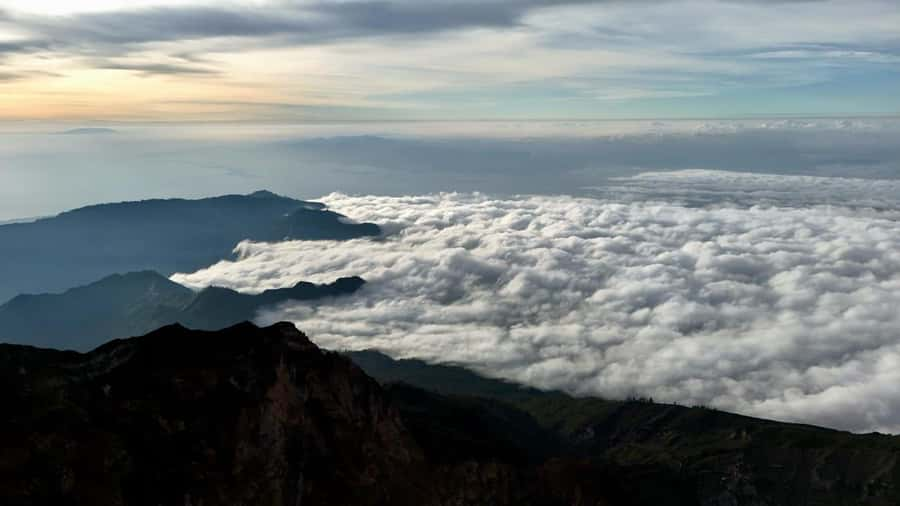
After sunrise, you return to camp for breakfast. This pause gives you time to pack and regain some energy before the descent.
The walk back to Senaru takes you through the forest again. Downhill sounds easier than uphill, but tired knees and poor footing can make it demanding. Good grip is especially helpful here, and trekking poles may reduce strain.
The descent is also a chance to notice the forest in daylight. You may see details that were hidden during the first climb, when the focus was simply on reaching camp. Keep your daypack light, but include water, snacks, sunscreen, a rain layer if needed, and personal medication.
At the end, transport returns you to your hotel or an arranged location. The package specifies transfers to Senggigi, Mataram, or Bangsal Harbor after the trek. Pickup is included from hotels in Senaru, with transport arrangements for other listed areas available through the operator.
What the $171 price really covers
At $171 per person, the package offers solid practical value if you need a guided trek with camping support. It includes hotel pickup, transport after the hike, an English-speaking mountain guide, professional porters, four freshly cooked meals, drinking water, tea, coffee, and the main camping equipment.
The equipment package is substantial. You receive a tent, sleeping bag, mattress, toilet tent, and tissues. You also avoid arranging a separate vehicle and finding a porter team on your own.
The price does not include the Mount Rinjani National Park entrance fee, listed as IDR 200,000 per day. Since this is a two-day trek, ask Oke Rinjani how the charge will be applied to your booking. A mandatory medical check is also extra, listed at IDR 15,000.
You pay separately for personal trekking gear if you rent it. Jackets, headlamps, poles, shoes, small daypacks, and long trousers are available at the office. Extra porter help for personal belongings can also be requested.
I would also budget for tips. Tipping guides and porters is not included, but it is an appropriate way to thank the crew for carrying equipment and preparing meals in mountain conditions.
Accommodation at the Oke Rinjani base is optional if you need it. That can be useful if your transport schedule makes an early start awkward, but confirm the arrangement and cost before booking.
How hard is this two-day Rinjani trek?
The tour is described as suitable for fit beginners and intermediate hikers. That does not mean easy. The route is uphill for much of the first day, followed by a pre-dawn summit climb and a long descent.
Your fitness matters more than technical experience. You do not need to be an expert climber, but you should be comfortable walking for several hours on steep terrain. If you rarely hike, the route may feel much tougher than the two-day label suggests.
The age information is inconsistent, with several different minimum and maximum ages listed. Children under 3, 4, 5, and 6 are each marked as unsuitable in different parts of the information, while both over 70 and over 95 appear as upper limits. Contact the operator before booking if age is relevant to your group.
The route is not suitable for anyone expecting a relaxed nature walk. It suits people who want a short, demanding mountain adventure and accept that weather may affect the views.
What to pack for cold nights and slippery descents
Pack for a mountain night, not a warm tropical evening in Lombok. Temperatures may drop to 5 to 10 degrees Celsius at camp and near the summit.
Bring:
- Warm layers and a windproof jacket
- Gloves, especially for the summit start
- Hiking shoes with good tread
- Long hiking trousers
- Headlamp or flashlight
- Daypack
- Personal medication and toiletries
- Biodegradable sunscreen
- Energy bars or other snacks
- Camera and charged smartphone
- Power bank
- Cash, passport, or a copy
- Hand sanitizer or tissues
- Sandals or flip-flops for camp
A daypack should hold the items you need during the day. Your porters carry the camping equipment and food, but do not treat that as permission to pack heavily. Keep valuables and personal essentials with you.
Alcohol and drugs are not allowed. If you need specific equipment, ask about rental sizes before departure rather than assuming every item will be available.
The guide and porter support
The guide is English-speaking and leads the route, explains the plan, and gives the safety briefing before the summit start. The porters carry camping gear, cooking equipment, and food, then help make the camp and meals possible.
This support changes the trip. You still do the walking, but you are not carrying a full tent and kitchen up to 2,641 meters. That makes the route more realistic for fit beginners.
The work is demanding, and the porters deserve respect. One practical point from the experience is that porters may use simple footwear such as flip-flops, but you should not copy that approach. Your own shoes should prioritize grip, warmth, and comfort.
The crew is also reachable through WhatsApp for questions before the trek. Use that contact to confirm pickup time, rental sizes, park fees, medical check arrangements, and any age concern.
Who should book this experience?
I would choose this trek if you want a strong mountain experience but have only two days. You get forest, crater-rim camping, sunset, a summit sunrise, meals, porters, and return transport in one package.
It is a good match for fit beginners who want support, couples or small groups seeking a memorable outdoor challenge, and hikers who prefer not to organize every camping detail themselves.
I would look elsewhere if you want a gentle walk, a warm night, guaranteed clear views, or a fully private and comfortable mountain stay. Weather can spoil the panorama, and the uphill sections are serious. You also need to pay extra for park entry, the health check, and any rented equipment.
The booking terms allow cancellation up to 24 hours in advance for a full refund, and reserve-now, pay-later booking is available. That flexibility helps if your Lombok plans are still moving.
Should you book the Oke Rinjani two-day trek?
Book it if sunset over Segara Anak Lake and sunrise from the second summit are worth a demanding two days to you. The package handles the parts that are difficult to arrange independently, including porters, food, camping gear, and transport.
Before paying, confirm the park fee, medical check, pickup point, available shoe and clothing sizes, and the age rules. Then arrive with gloves, a warm jacket, a headlamp, and shoes with real tread.
For a short Rinjani trip with strong views and practical support, this is a good choice. Just respect the mountain: the scenery is rewarding, but you must earn it.
FAQ
How long is the Mount Rinjani trek?
The experience lasts two days. Day one runs from Senaru Village to Pelawangan Senaru Crater Rim, and day two includes the second summit climb and descent to Senaru.
Where does the trek start?
The trek starts in Senaru Village after hotel pickup, a light breakfast, and trek registration.
Where do you camp?
You camp at Senaru Crater Rim, at approximately 2,641 meters, with views toward Segara Anak Lake.
What time does the summit hike begin?
You wake before dawn, have hot tea or coffee, and begin the climb to the second summit for sunrise.
Are meals included?
Yes. The package includes four freshly cooked meals during the trek, along with drinking water, tea, and coffee.
Is camping equipment provided?
Yes. A tent, sleeping bag, mattress, toilet tent, and tissues are included. Personal trekking gear such as jackets, shoes, headlamps, poles, and small daypacks is available to rent separately.
Is the national park entrance fee included?
No. The Mount Rinjani National Park fee is listed separately at IDR 200,000 per day. The mandatory medical check is also separate and listed at IDR 15,000.
Can you cancel the booking?
Yes. Cancellation up to 24 hours in advance qualifies for a full refund. Reserve-now, pay-later booking is also available.
Latest treks added in Indonesia
- Day Tour – Tumpak Sewu Waterfall and Goa Tetes Trekking via Malang★ 5.0 · 4 reviews
- 2Day – Semeru Trekking Adventure via Malang with Local Guide★ 4.5 · 2 reviews
- Rinjani Trekking 2D/1N Senaru Crater Rim★ 5.0 · 2 reviews
- Trekking Rinjani 1 Day Trek Senaru Crater Rim★ 5.0 · 3 reviews
- Rinjani Trekking 1 day Trek To the rim via senaru 2,642m★ 5.0 · 16 reviews
- Rinjani Trekking 2D1N Senaru Crater rim★ 4.5 · 9 reviews
- Popular Rinjani Trekking Tour Service To Summit For 2 Days Via Sembalun Trail★ 5.0 · 8 reviews
- Mount Rinjani 3D2N Private Trek – Summit, Crater Rim & Hot Spring★ 5.0 · 13 reviews
Mount Rinjani Treks, compared.
3D/2N Rinjani trekking summit,lake and hot springs.
Read our review →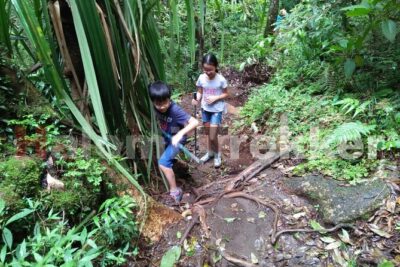
Mt Rinjani Trekking 2 Days 1 Night (Senaru Crater Rim)
Read our review →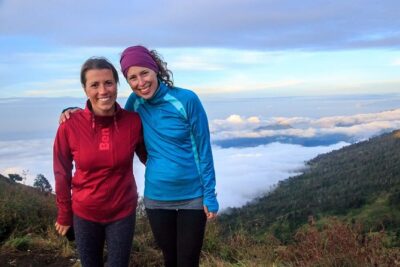
Rinjani Trekking 3 Days 2 Nights (Sembalun – Senaru)
Read our review →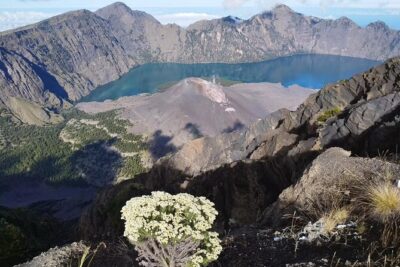
Rinjani Trekking Three Days Two Night Summit Lake
Read our review →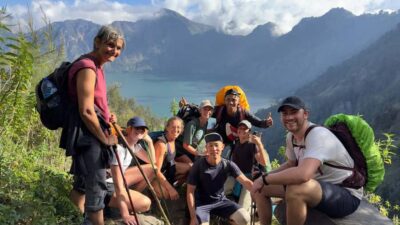
Mount Rinjani Trekking 2D/1N Summit Sunrise & Sunset Views
Read our review →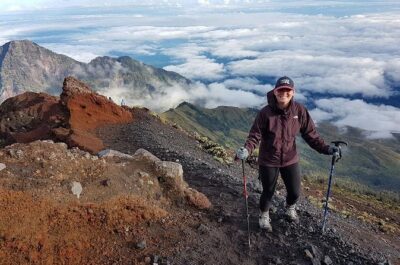
Browse the lists this tour appears in