
REVIEW · ITALY
Mount Etna: Trek to the Craters of The 2002 Eruption
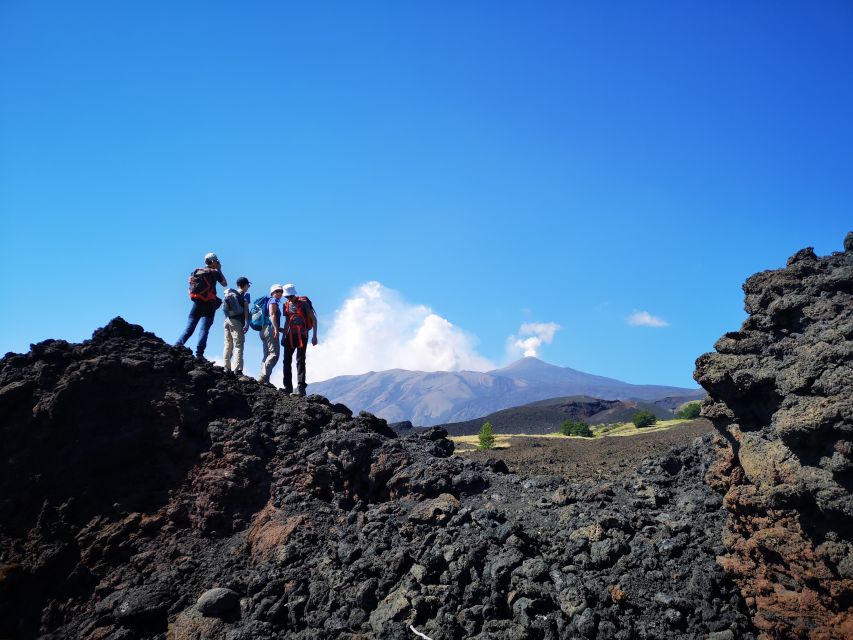
The most striking part of this Mount Etna outing is its route along the 2002 eruptive fault, where hardened lava and explosive side cones show the mountain’s force in plain view. You walk across the remains of a real eruption, then peer into craters formed when gas and rock burst through the slope.
I like two things here: the walk gives you useful geology rather than just a scenic stroll, and the views reach across the Bay of Naxos to the Calabrian coast. The main point to consider is the high, exposed setting. You need proper shoes, water, sun protection, and a jacket, and the route is not suitable for people with mobility impairments, vertigo, or pregnancy.
Key points about the 2002 Etna crater walk
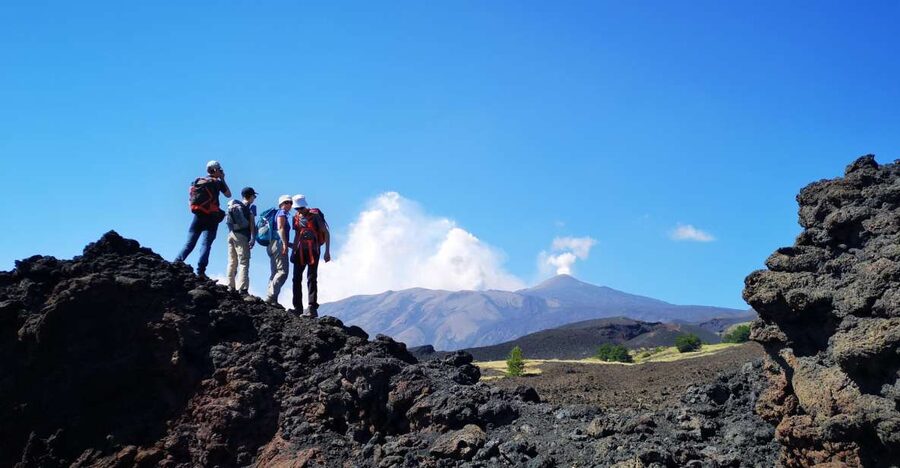
- Follow the northern eruptive fault: Walk beside the fissure created during the October 27, 2002 eruption.
- See several volcanic formations: Hardened lava, lateral cones, gas-explosion craters, and rock fragments make the geology easy to read.
- Learn as you walk: Your guide explains Etna’s eruptions, history, mythology, and role in Sicilian farming.
- Enjoy wide coastal views: From the upper route, you can see the Bay of Naxos and the Calabrian coast.
- Start and finish at Piano Provenzana: The meeting point is at the first parking area, by the wooden house marked Gruppo Guide Etna Nord.
- Best for active families: The walk is rated easy, and the guide’s clear, friendly approach has earned especially strong praise from family groups.
Why the 2002 eruption makes this walk special
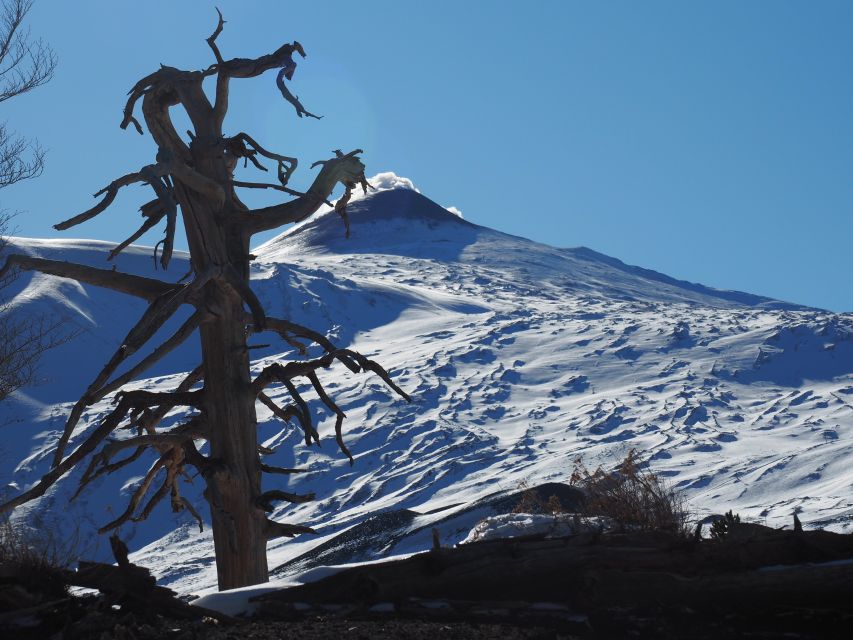
Mount Etna can feel enormous and abstract from a distance. This route gives you something much better than a distant mountain photograph: a close look at what an eruption leaves behind.
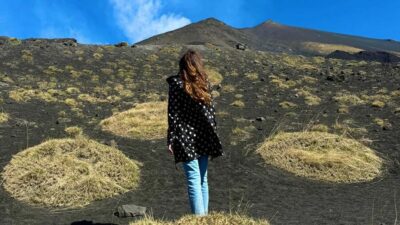
The trail follows the eruptive fault on Etna’s northern side. This is the line where the 2002 eruption opened up and sent lava downslope. The event began at dawn on October 27 and is remembered locally as the perfect eruption. That phrase refers to the way the eruption displayed several classic volcanic features in one area, including fissures, lava flows, gas explosions, and new side cones.
You do not need a science background to enjoy the walk. Your guide connects the visible features to the forces that created them. A dark slab of rock becomes a cooled lava flow. A mound beside the fault becomes a cone formed by gas and broken rock. A crater is no longer just a hole in the ground, but evidence of pressure escaping from below.
I like this kind of outdoor tour because the scenery and the explanation support each other. Without a guide, you might see black rocks and rough ground. With the geology explained, you can start to read the mountain.
More Volcano Treks in Italy
- Mount Etna: Trek to 3000m with cable car and 4×4
★ 4.6 · 3,823 reviews - Mount Etna: Summit Crater Trek with Cable Car
★ 4.8 · 1,875 reviews - Etna: summit craters trekking with volcano guide 3350mt
★ 4.7 · 1,712 reviews
Starting at Piano Provenzana
The activity begins at Piano Provenzana, the main meeting area for this northern Etna route. Look for the first parking area and the wooden house marked Gruppo Guide Etna Nord. The activity ends at the same place, so you do not need to arrange a separate return from the mountain.
That simple start and finish matter. You can arrive with only the essentials, join the guide, and return to your vehicle after the walk. Food and drinks are not included, so bring your own water and any snack you may want.
The meeting area is also useful for getting your clothing right before you set off. Etna’s conditions can change with altitude and weather. Even if the day begins warm elsewhere in Sicily, a jacket and rain gear belong in your bag. Sunglasses and a sun hat are also recommended.
Wear comfortable walking shoes. Sandals and flip flops are not allowed, and they would be a poor choice on hardened lava anyway. Volcanic ground can be uneven, and a firm sole will make the walk more comfortable.
Walking beside the northern fault
Once the group leaves Piano Provenzana, the focus turns quickly to the eruption zone. The route takes you along the fault on Etna’s northern flank, placing the volcanic activity at the center of the experience rather than treating it as background scenery.
The walk is described as easy, but easy does not mean completely effortless. You will be walking outdoors over volcanic ground, and the group’s rhythm affects the total time. The activity is listed at about two and a half hours, while the guided walking portion is also described as taking around three hours. Plan for the longer estimate so you are not rushing your day.
The route’s value comes from its variety. You are not simply walking to one viewpoint, taking a photograph, and returning. The guide points out the fault, lava flow, cones, and craters as you move. That makes the outing feel like a short field lesson with a view.
A family group can make good use of this format. Children and adults have visible objects to examine, and the eruption story gives the walk a clear narrative. The guide’s work is the part that receives the strongest praise, with a top rating specifically highlighting the quality of the guiding for a family outing.
Hardened lava and explosive side cones
The hardened lava flow is the most direct reminder that Etna is active. You walk on material that was once hot and moving, now frozen into rough volcanic rock.
The surface itself helps explain how lava behaves. Some sections may appear broken and jagged, while other pieces show the shapes left as molten rock cooled. The provided information does not promise a particular lava texture or formation at every point, so keep your attention on the guide’s explanation rather than expecting one exact feature.
The lateral cones are another important part of the route. These smaller volcanic mounds formed along the fault during powerful explosions of gas and rock fragments. They are separate from Etna’s main summit, but they reveal how pressure can find new paths through the mountain.
This is where a guide adds real value. A smaller cone can be easy to dismiss as a pile of dark stones. Once you understand how it formed, it becomes one of the most interesting sights on the walk. You start noticing the arrangement of the rock and the shape of the ground instead of seeing only a field of black lava.
Another trail to compare in Italy:
- Catania: Mount Etna Trekking Tour Beyond the Tourist Trails
★ 4.9 · 1,596 reviews - Mount Etna: Guided Trek 3,000 Meters to the Summit
★ 4.8 · 1,407 reviews - Stromboli: Sunset Trekking at Sciara del Fuoco
★ 4.6 · 1,372 reviews - Etna Sunset Tour: Volcano trek, Cave & tasting from Catania
★ 4.8 · 1,290 reviews
Looking into Etna’s craters
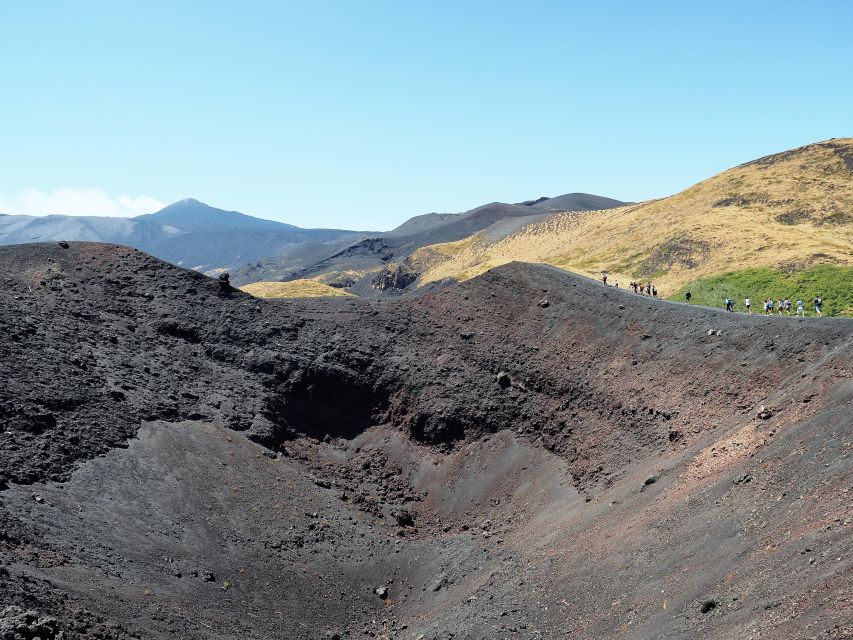
The route also brings you to impressive craters created during the eruption. Looking into a crater gives the outing its strongest sense of scale. You can see where explosions broke through the surface and imagine the force needed to throw gas and rock fragments outward.
The tour does not involve a difficult climb to Etna’s main summit. Instead, it focuses on the 2002 eruption area on the northern flank. That distinction is important when choosing the activity. You are booking a manageable volcano walk centered on recent eruptive features, not a summit expedition.
I find that this makes the tour a practical choice for a first Etna experience. You receive a close look at volcanic landforms without signing up for a demanding full-day outing. The easy difficulty rating also makes it suitable for many families and casual walkers, provided everyone is comfortable on uneven outdoor ground.
Still, the route is not right for everybody. Anyone with vertigo may find the craters or exposed setting uncomfortable. People with mobility impairments are specifically advised not to book, and the activity is not suitable for pregnant women. Those limits are worth taking seriously rather than treating the easy rating as a promise that the walk suits all abilities.
The Bay of Naxos and Calabrian coast views
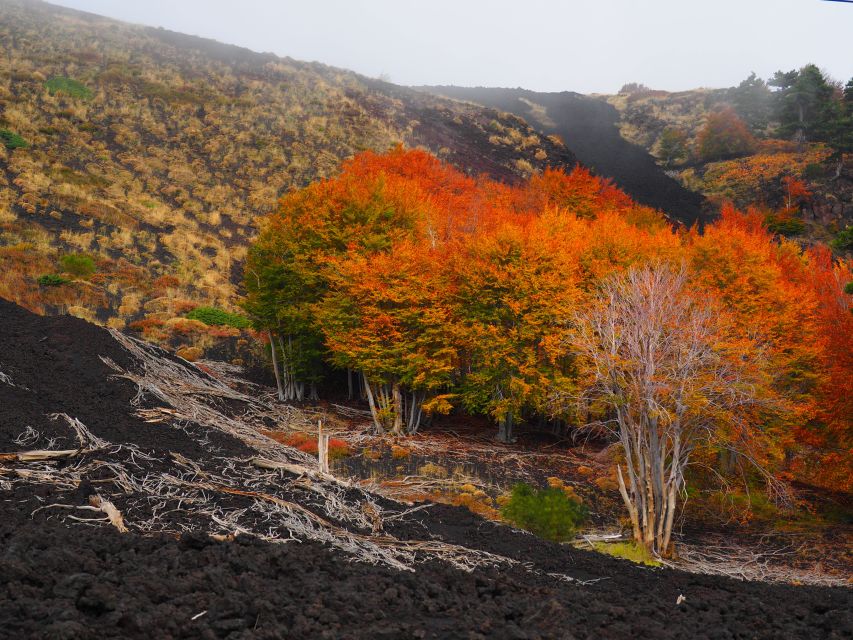
The volcanic ground is the main attraction, but the coastal views provide a welcome change from black rock. From the route, you can look toward the Bay of Naxos and the Calabrian coast.
This contrast is one of the tour’s best features. Etna’s lava fields can appear stark and severe, while the sea and distant coast open the view beyond the eruption zone. The mountain’s height gives you a broad outlook, and the guide can place the surrounding region in context.
Bring sunglasses even on a cooler day. Bright light at an exposed mountain location can be tiring, and sunglasses are included among the recommended items. A hat and water are equally sensible.
Weather can affect how much of the coast you see. The tour information promises the viewpoints, but no mountain activity can promise perfect visibility. Pack rain gear and a jacket so changing conditions do not spoil the walk.
Etna’s place in Sicilian life
The guide also explains why Etna matters beyond geology. The volcano has a long place in Greek mythology and continues to shape daily life in eastern Sicily.
Its fertile volcanic soils support extensive agriculture in the surrounding region. That makes Etna both a source of danger and a source of productivity. The same volcanic forces that create lava and craters also help form soils that support farming.
This broader explanation keeps the tour from becoming a simple eruption show. You learn how the mountain has affected local stories, food production, and the way people live around it. For me, that regional connection is just as useful as learning the names of the craters.
The UNESCO World Heritage status also gives the area wider importance, but the walk stays grounded in what you can see underfoot. You are not being asked to admire an abstract designation. You are seeing the volcanic features that helped make Etna such a significant natural site.
Guide languages and the pace of the group
The tour is offered with a live guide in Italian, English, or French. That is helpful if you want explanations rather than a self-guided walk with no context.
No individual guide name is provided, so you should not book this expecting a particular person. The operator is Gruppo Guide Etna Nord di Ragonese Biagio & C sas, and the meeting point uses the same Gruppo Guide Etna Nord name.
The pace depends on the group. The advertised duration is approximately two and a half hours, but the walk can take longer according to how quickly everyone moves. That flexibility is useful for families and people who want time to listen, look into the craters, and take photographs.
It also means you should avoid placing a tight appointment immediately afterward. Treat this as a half-day mountain activity, even though the actual walking time is relatively short.
Is $39.86 a fair price?
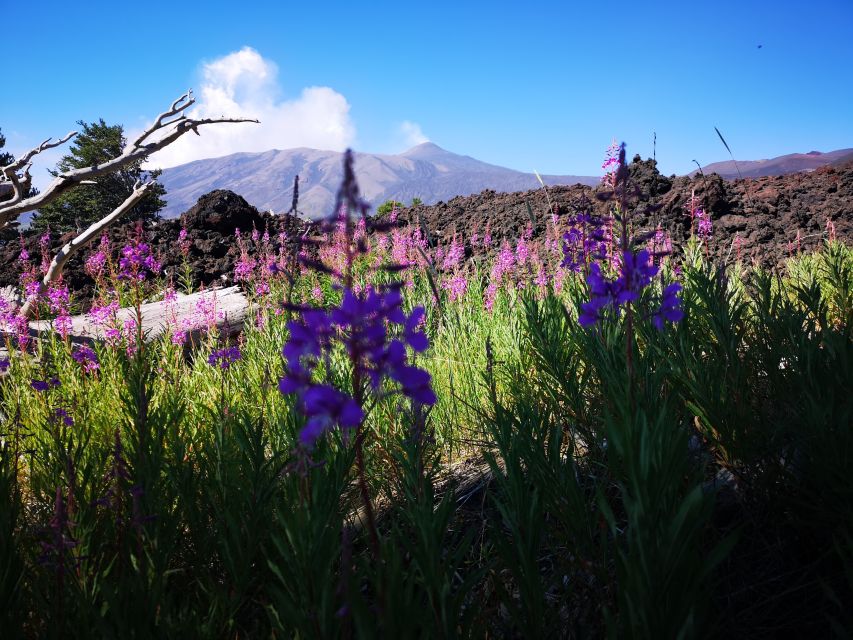
At $39.86 per person, the price is reasonable if you want a guided introduction to Etna’s recent volcanic activity. The fee includes the guided tour and an official English or French-speaking guide, with Italian also available. Food and drinks are not included.
The value rests mainly in the interpretation. You can reach a volcanic area and look at lava on your own, but you may not understand which formations came from lava, which came from explosions, or how the fault shaped the eruption. The guide turns the walk into a coherent experience.
This price also suits visitors who do not want a full-day Etna program. You get a focused route, a clear eruption story, coastal views, and a return to Piano Provenzana. If you already have a packed Sicily schedule, the shorter format is useful.
It is less suitable if you expect transport from your hotel, meals, or a summit climb. None of those are included. You need to reach the meeting point yourself, bring water and food if wanted, and understand that this is a northern-flank crater walk.
The option to reserve now and pay later adds flexibility. You can hold a place without paying immediately, and cancellation is free up to 24 hours before the activity for a full refund.
What to bring for a comfortable walk
Pack lightly, but take the mountain conditions seriously:
- Comfortable walking shoes with good support
- Water
- Sunglasses
- A sun hat
- A jacket
- Rain gear
- Food or a snack, since none is provided
The no-sandals rule is practical, not fussy. Flip flops offer poor support on rough lava and leave your feet exposed. The route is easy by difficulty rating, but volcanic ground still calls for sensible footwear.
A jacket and rain gear may seem excessive on a sunny Sicilian morning. At Etna, they are cheap insurance. The activity information specifically recommends both, and you will be glad to have them if the weather shifts.
Who should book this Etna experience?
I would choose this walk if you want to understand Etna through a recent eruption rather than simply photograph the mountain. It suits families, casual walkers, and anyone who likes a short outdoor activity with a strong natural story.
It is also a good fit if you want to see volcanic features without committing to a demanding summit trek. The route is easy, guided, and based at Piano Provenzana, with the same start and finish.
I would look elsewhere if you need accessible terrain, dislike exposed mountain settings, or feel uncomfortable near craters. The tour is not suitable for people with mobility impairments, vertigo, or pregnancy. It also does not include food, drinks, hotel transport, or a summit ascent.
Should you book the 2002 eruption walk?
Book it if the idea of walking beside a real lava flow, inspecting explosion cones, and learning how Etna works appeals to you. The strongest reason to go is the guide’s interpretation, especially for families who want more than a scenic walk.
At $39.86, the outing offers good value for a focused volcano experience. Just allow extra time beyond the nominal two and a half hours, bring proper clothing and water, and arrive at the first Piano Provenzana parking area by the wooden Gruppo Guide Etna Nord house.
If you want a short, informative introduction to Etna’s active side, this is a sensible choice. If you want a strenuous summit adventure or fully accessible path, it is not.
FAQ
Where does the Mount Etna walk start?
The meeting point is in the first parking area at Piano Provenzana, by the wooden house with the sign Gruppo Guide Etna Nord.
Where does the activity finish?
The walk ends back at the same meeting point at Piano Provenzana.
How long does the tour last?
The activity lasts approximately two and a half hours, though the walking time can vary with the pace of the group. The guided walk is also described as taking about three hours.
What languages does the guide speak?
The live guide can lead the tour in Italian, English, or French.
What is included in the price?
The price includes the guided tour and an official guide who speaks English or French. Italian is also available.
Are food and drinks included?
No. Food and drinks are not included, so you should bring water and anything else you want to eat.
What should I wear and bring?
Bring comfortable shoes, sunglasses, a sun hat, water, a jacket, and rain gear. Sandals and flip flops are not allowed.
Is the tour suitable for everyone?
No. The activity is not suitable for pregnant women, people with mobility impairments, or people with vertigo. The walk itself is rated easy.
Latest treks added in Italy
- Trekking on the roof of Tuscany★ 5.0 · 6 reviews
- Otranto Trekking Adventure: The Path of the Hermit and the Bay of the Turks★ 3.5 · 8 reviews
- Lecce: Hike to Otranto with town visit – Half Day Trekking +Taxi★ 5.0 · 2 reviews
- Wild Walk – Discovering the hidden paths★ 5.0 · 31 reviews
- Wine Hiking Sip & Trek★ 5.0 · 3 reviews
- Dolomites Trekking Experience★ 4.5 · 3 reviews
- Trekking an Island of Palmaria★ 4.5 · 6 reviews
- Trekking in the morning on Mount Etna★ 5.0 · 2 reviews
Volcano Treks, compared.
Mount Etna: Trek to 3000m with cable car and 4×4
Read our review →
Etna: summit craters trekking with volcano guide 3350mt
Read our review →
Mount Etna Trekking Tour Beyond the Tourist Trails
Read our review →
Mount Etna: Guided Trek 3,000 Meters to the Summit
Read our review →
Etna Sunset Tour: Volcano trek, Cave & tasting from Catania
Read our review →
Browse the lists this tour appears in