

REVIEW · HANOI
From Hanoi: 3 Days Sapa Trekking & Ethnic Villages by Dcar
Sapa’s appeal is easy to understand: cool mountain air, steep farmed hills, village paths, and several ethnic cultures living around the same town. This three-day trip gives you a good first look without asking you to carry luggage from one guesthouse to the next. Cat Cat Village and Ham Rong Mountain provide the main walking, while the hotel keeps the trip comfortable.
I like the small maximum group of 10 and the simple all-in-one setup. Round-trip DCAR limousine transport, two hotel nights, three lunches, two breakfasts, and a local guide are included in the $140 price. The main drawback is the long road journey: you leave Hanoi at 6:30 a.m. and do not return until about 8:30 p.m. on the third day.
This suits you best if you want a guided introduction to Sapa, prefer a hotel over a homestay, and have moderate fitness. It is less suitable if you want long, remote treks or a quiet trip with no fixed schedule.
Key points to know before booking
- Two nights in Sapa: You sleep at a three-star hotel rather than changing rooms each night or staying in a village homestay.
- A small group of up to 10: This should make village walks and guide communication easier than on a large coach tour.
- Three different walking areas: The plan includes a local village visit, Cat Cat Village, and Ham Rong, also called Dragon’s Jaw Mountain.
- Fansipan is optional: The cable car is not included, so you pay separately if you choose this add-on.
- Most meals are covered: You receive three lunches and two breakfasts, but the supplied details do not include dinner.
- An early start and late return: Pickup begins around 6:30 a.m., with the return to Hanoi scheduled for about 8:30 p.m. on Day 3.
Why this three-day Sapa plan works
Sapa is not just a viewpoint town. It is a meeting place for H’Mong, Red Dao, Tay, Giay, and Xa Pho communities, each with its own clothing, customs, farming methods, and daily routines. A short visit cannot explain every difference, but a guide can help you see more than mountain scenery.
The schedule mixes cultural visits with moderate walks. That balance matters. You get time to look at village life, yet you are not assigned a long multi-day trek with basic sleeping arrangements. For many first visits to northern Vietnam, this is a sensible middle ground.
The $140 price covers the expensive pieces that can add up quickly: transport from Hanoi, two nights of lodging, a guide, breakfasts, and lunches. You still need to budget for dinner, personal spending, and the Fansipan cable car if you want to ride it. The value is strongest for solo visitors, couples, or families who would rather have the route arranged than negotiate each part independently.
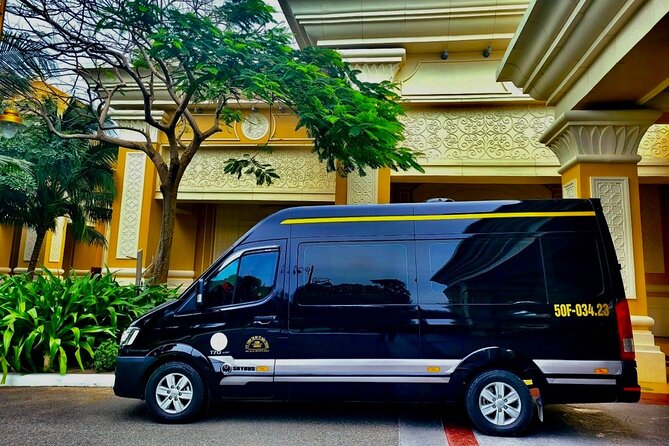
The trip also has practical support built in. Pickup is offered in Hanoi’s Old Quarter, with the stated meeting point at Hanoi Opera House. The group size is capped at 10, and the tour uses a DCAR limousine rather than a basic public bus. The word limousine should not make you expect luxury; the useful point is that the transport is arranged for you and connects Hanoi directly with Sapa.
More three-day treks in Hanoi
- Sapa 3 Days 2 Nights Trekking Tour (1 Night In Ta Van Village, 1 Night In Hotel)
★ 5.0 · 699 reviews - 3-Day Trekking Adventure of Sapa from Hanoi – Stay Ta Van Village
★ 5.0 · 611 reviews - Hanoi – Sapa 3 Day 2 Night Trekking With Hotel & Homestay
★ 5.0 · 389 reviews
Day 1: The long road from Hanoi to Sapa

Pickup begins between 6:30 and 7:00 a.m. at your Old Quarter hotel or at the meeting point near Hanoi Opera House. This is an early start, so arrange your morning carefully. The road trip takes the better part of the morning, with arrival in Sapa planned for about 1:00 p.m.
Once you reach town, you have lunch and check in at the three-star hotel. The accommodation is one of this trip’s strongest practical features. You can unpack, shower, and settle into one base for two nights instead of carrying a bag along village trails.
The afternoon visit introduces you to a local village near Sapa. The supplied plan describes this as a chance to learn about local life, though it does not name the village or promise a particular ethnic community. That lack of detail is worth noting. If a specific village or group matters to you, ask the operator before departure.
This first outing is useful because it gives context for the next two days. Sapa’s ethnic communities are not a single cultural group, and clothing, farming, housing, and customs can differ from one area to another. Your guide can help explain what you are seeing, but you should approach village visits with respect. These are lived-in communities, not open-air museum sets.
The schedule lists about 20 minutes for the stop, though the description also presents it as a local village visit. That may mean a brief introduction rather than a long walk. Keep your expectations realistic: Day 1 is mainly a travel and orientation day.
Past customer comments praise the smooth arrangement from Hanoi pickup through hotel check-in. Several people also singled out helpful coordination, including support from staff members called Ms. Mei and Mikey. Names and assignments can change, but the practical lesson is clear: save the operator’s contact details and use them if you need help with pickup or timing.
Day 2: Cat Cat Village and your Fansipan choice
Breakfast at the hotel runs from 7:00 to 8:30 a.m., followed by the main walk at 9:00. Cat Cat Village is one of Sapa’s best-known cultural stops, and this is the day when the tour feels most like a trekking trip.
Expect walking on village paths and uneven ground. The exact distance and elevation gain are not provided, so you should not treat this as a measured hiking route. The tour asks for a moderate level of physical fitness, which is a useful warning for anyone with knee, balance, or stamina concerns.
Cat Cat is valuable because it places you closer to the agricultural life around Sapa. The area is associated with H’Mong culture, but the tour’s own details do not promise a particular performance, workshop, or private home visit. Your guide will take you through the area and explain what you encounter. Wear shoes with a firm grip, especially if the path is wet.
Lunch is scheduled at noon. Three lunches are included across the tour, but the menu is not specified. Past comments praise the food, and one person described the hotel room as large, with meals and transport working well. Still, bring a little extra money for drinks or snacks, since those are not listed as included.
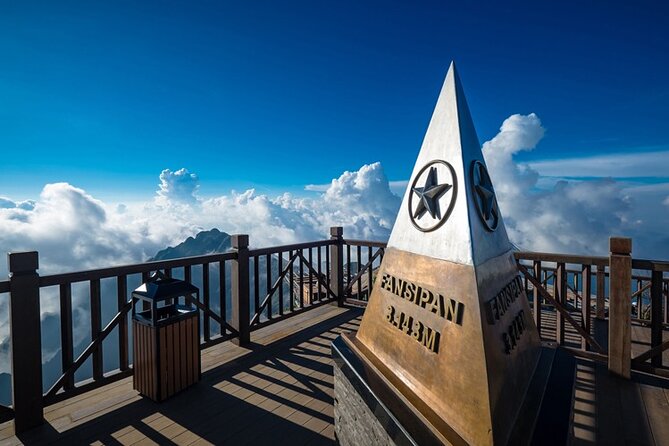
At 3:30 p.m., you choose between an optional Fansipan visit and free time in Sapa. Fansipan is Vietnam’s highest mountain, and the cable car offers a way to reach the summit area without a full mountain climb. The cable-car ticket is not included in the tour price, so check the current cost before deciding.
The optional trip can be a good use of the afternoon if you want a major mountain attraction and clear weather. It can be less rewarding in cloud, fog, or rain, conditions that are common in high mountain areas. The schedule gives you a choice, which is helpful: you can save money and walk around Sapa instead.
Free time in town gives you a slower afternoon after Cat Cat. You might prefer this if you want to browse local shops, rest at the hotel, or simply enjoy the cooler air. Sapa’s weather can shift quickly, with spring-like mornings, warmer sunny afternoons, cloud and mist later in the day, and cold nights. Pack layers rather than relying on one heavy jacket.
You return to the same hotel for the second night. That fixed base is especially helpful after a muddy or tiring walk.
Day 3: Ham Rong and the return to Hanoi
Breakfast is scheduled for 7:30 a.m., then the final walk begins at 9:30. Ham Rong, or Dragon’s Jaw Mountain, gives you a different kind of outing from Cat Cat. Instead of focusing mainly on a village route, this section takes you up a mountain area above Sapa.
The name suggests the shape of the ridge, and the visit is intended to provide elevated views over the town and surrounding hills. The plan calls it a trek up Ham Rong, but no exact walking distance or duration is supplied. Again, moderate fitness is the right assumption.
The morning timing is sensible. You walk before the hottest part of the day, return for lunch at noon, and have time to collect your belongings before departure. The schedule says goodbye to Sapa between 2:10 and 2:30 p.m., with arrival back in Hanoi around 8:30 p.m.
That final road leg is long. I would not schedule a flight, important dinner, or another tour immediately afterward. Traffic can affect any road journey, and the official arrival time is an estimate rather than a guarantee.
The late return also shapes the overall value of the trip. You receive nearly three days away from Hanoi, but Day 1 and Day 3 include substantial transport. The plan is best understood as a compact Sapa introduction, not three full days of trekking.
More Trekking Tours in Hanoi
- From Hanoi: 2-Day Sapa Trekking Trip with Homestay & Meals
★ 4.8 · 704 reviews - 2-Day Sa Pa Ethnic Homestay Tour & Trek with Limousine Bus
★ 4.8 · 440 reviews - From Hanoi: 2-Day Sapa Trek Tour – Luxury Limousine Transfer
★ 4.1 · 249 reviews - From Hanoi: Trek and Stay: 3-Day Sapa Highlands Adventure
★ 4.6 · 152 reviews
The hotel, food, and transport in practical terms

The package includes two nights in a three-star Sapa hotel. Previous customers praised clean, comfortable rooms, good service, and pleasant food. One person specifically described the room as large. The exact hotel can matter, so confirm its name before booking if location or facilities are important to you.
The tour includes hotel pickup from Hanoi’s Old Quarter, but the stated start point is Hanoi Opera House. Pickup arrangements may depend on your hotel location. Confirm the time and place in advance, especially if you are staying outside the Old Quarter.
The DCAR limousine is a major convenience. You avoid arranging a separate transfer to Sapa and do not need to manage luggage changes during the trip. The tradeoff is that the vehicle ride remains long, particularly on the return to Hanoi.
You receive two breakfasts and three lunches. Dinner is not included in the supplied package, so plan to pay separately for evening meals. Holiday surcharges may also apply. Ask about those dates before you commit if your visit falls during a major Vietnamese holiday.
How challenging is the trekking?

The word trekking can mean different things in Sapa. Here, it refers to guided walks at Cat Cat and Ham Rong, plus a shorter village visit, rather than a remote overnight route through the mountains.
The tour requires moderate physical fitness. You should be comfortable walking on uneven paths, handling some uphill sections, and spending several hours on your feet. The exact trail conditions can change with weather.
Good preparation is simple:
- Wear shoes with solid traction.
- Bring a light waterproof layer and warm clothing.
- Carry water and small snacks.
- Keep room in your bag for changes in temperature.
- Tell the guide early if you need a slower pace or a break.
You will not need to carry camping equipment. Your main bag stays with you through the hotel portion, and the two-night arrangement keeps the walking days manageable.
What the cultural side can and cannot promise

The tour’s strongest idea is the chance to see several ethnic communities around Sapa, not just take photographs from a viewpoint. The overview names H’Mong, Red Dao, Tay, Giay, and Xa Pho groups, but the daily schedule does not guarantee visits with each one.
That distinction matters. You should expect an introduction to local village life, not a complete cultural survey. A good guide will explain differences in clothing, farming, and customs without turning people into scenery.
The guide is central to the quality of the trip. Several comments praise kind, helpful guides and quick assistance. One guide, described as Ms. Mei, was especially associated with friendly support, while Mikey handled coordination for another booking. These names may not be the people assigned to your departure, so ask who your guide will be when you confirm.
Is $140 good value?
For three days and two nights, $140 is a fair package price if you want convenience. Transport, lodging, a guide, two breakfasts, and three lunches are already covered. Booking equivalent pieces separately may give you more control, but it also adds planning time and the risk of mismatched connections.
The value drops if you mainly want serious trekking. Much of the available time is spent on the Hanoi to Sapa road, and the walks are set around well-known places. Independent hikers may prefer a longer route with a village homestay.
For a first Sapa visit, though, the balance is sensible. You get mountain scenery, cultural contact, hotel comfort, and a choice about Fansipan. The small group also makes the price easier to justify than a large bus tour.
Free cancellation is available until 24 hours before the start time for a full refund. Changes or cancellations inside that window are not accepted for a refund. The booking confirmation is issued at the time of booking.
Who should book this Sapa tour?
Book it if you want:
- A short, organized trip from Hanoi.
- Hotel comfort instead of a homestay.
- Guided visits to Cat Cat and Ham Rong.
- Transport, meals, and accommodation bundled together.
- A small group capped at 10 people.
- Free time to choose Fansipan or Sapa town.
Think twice if you want a remote mountain route, a long trek each day, or a fully private schedule. You should also reconsider if a long early-morning transfer and late evening return would make the trip tiring rather than enjoyable.
I would book this tour for a first visit to Sapa when I wanted the basic sights handled for me. The best reason to choose it is not the number of stops. It is the practical mix of a local guide, modest walking, hotel comfort, and a clear three-day plan.
FAQ
Where does the tour start?
The stated meeting point is Hanoi Opera House at 1 Tràng Tiền, Phan Chu Trinh, Hoàn Kiếm, Hanoi. Hotel pickup is offered in Hanoi’s Old Quarter, with departure beginning around 6:30 a.m.
How many nights do you stay in Sapa?
You stay two nights at a three-star hotel in Sapa.
What meals are included?
The tour includes three lunches and two breakfasts. Dinner is not listed as included.
Is the Fansipan cable car included?
No. The Fansipan cable car is an optional activity and must be paid for separately.
How fit do I need to be?
The tour recommends a moderate level of physical fitness. It includes walks at Cat Cat Village and Ham Rong Mountain, but exact distances and elevation gains are not provided.
How large is the group?
The tour has a maximum of 10 people. It ends back at the Hanoi meeting point, with the return scheduled for about 8:30 p.m. on Day 3.
Latest treks added in Hanoi
- From Hanoi : Sapa Moutain Trek – Halong bay Heritage★ 4.5 · 25 reviews
- Trekking In Ha Giang 5 Days★ 5.0 · 4 reviews
- Trekking around Ha Giang 5 days 4 nights★ 3.0 · 2 reviews
- 8-Days Hanoi, Sapa Trekking And Halong Bay Cruise★ 5.0 · 8 reviews
- 2-Day Trekking in Sa Pa from Ha Noi by sleeping bus★ 5.0 · 4 reviews
- Hanoi: 3D2N Mu Cang Chai Visit All Attractions, Trek, Ethnic Life★ 5.0 · 3 reviews
- Mai Chau – Pu Luong trekking 3 days 2 nights★ 4.5 · 7 reviews
- 2-Day SAPA Trekking – Villages-Homestay-Ethnic-Local Food-Market★ 5.0 · 2 reviews
Hanoi Trekking Tours, compared.


Sapa 3 Days 2 Nights Trekking Tour (1 Night In Ta Van Village, 1 Night In Hotel)
Read our review →
3-Day Trekking Adventure of Sapa from Hanoi – Stay Ta Van Village
Read our review →
2-Day Sa Pa Ethnic Homestay Tour & Trek with Limousine Bus
Read our review →
Sapa 3 Day 2 Night Trekking With Hotel & Homestay
Read our review →
2-Day Sapa Trek Tour – Luxury Limousine Transfer
Read our review →
Sapa 2 Days 1 Night Overnight At Local Homestay
Read our review →Browse the lists this tour appears in