
REVIEW · CHIANG MAI
Chiang Mai: 2 Days, 1 Night Non-Tourist Trek
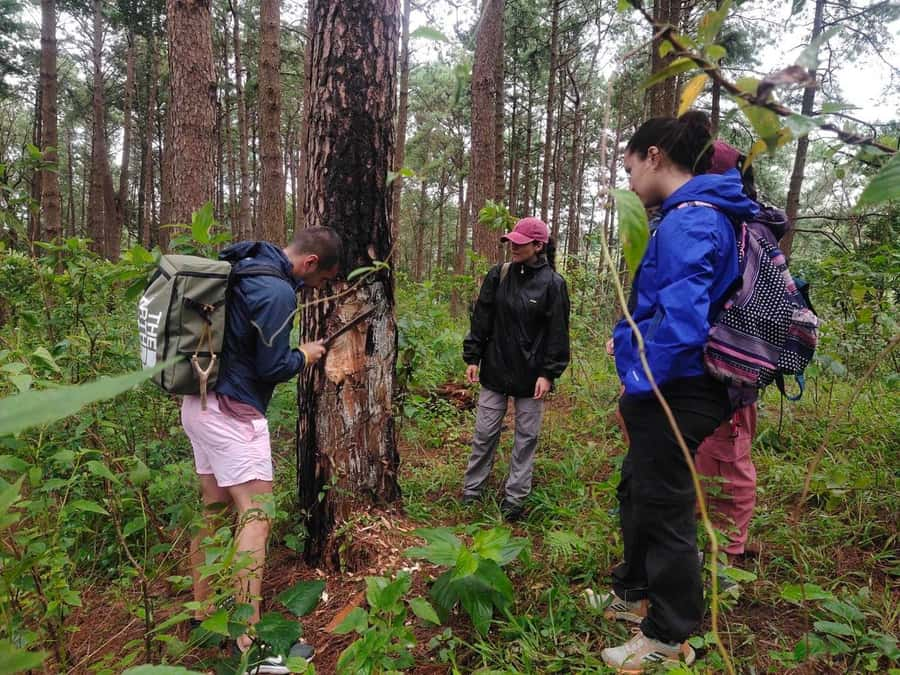
The best part of this trip is that it gets you away from Chiang Mai’s usual trekking circuit and into a quiet mountain area near 2,000 meters. You walk forest trails, cook over a simple fire, and spend the night on a Karen family’s land rather than in a standard resort.
I like the hands-on cooking and the warm welcome from local hosts. I also like the mix of activity: jungle walking, elephant care, a waterfall swim, and a calm bamboo raft ride. The trade-off is comfort. Transport can be rough, the accommodation is basic, and the bathroom may test your patience.
Key points to know before you go
- Remote forest route: You trek far from the busiest tourist areas of Chiang Mai.
- Local overnight stay: Sleep in a simple cottage or barn on a Karen family’s property.
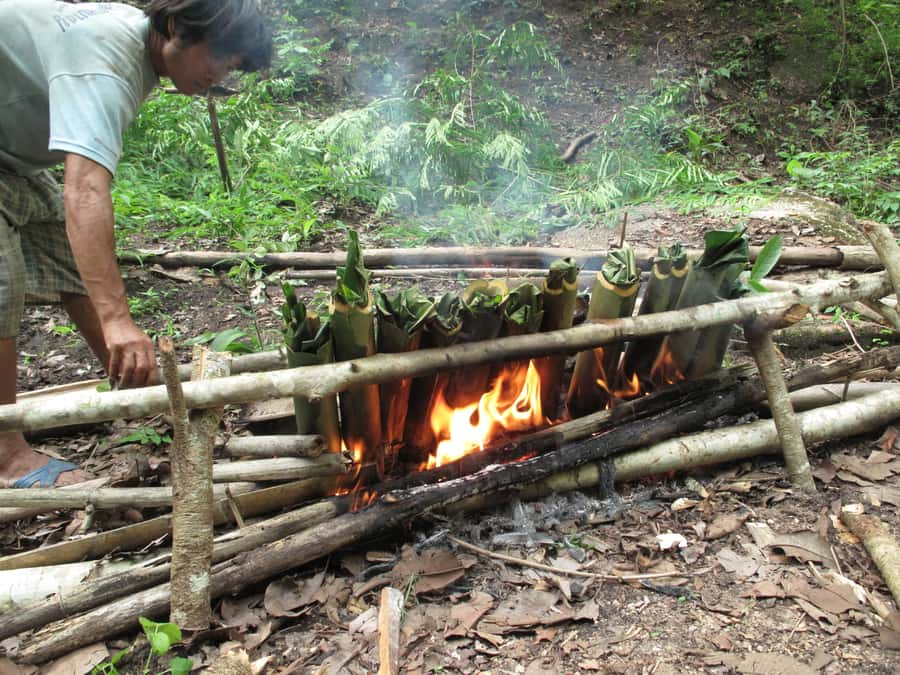
- Cooking is part of the trip: Prepare jungle meals with your guides, with generous portions and vegetarian food available.
- Moderate physical effort: The walking is manageable for many active people, but steep and muddy sections can make it tiring.
- Small-group setting: The group is limited to 14 people, so you spend a lot of time with the same companions.
- Basic but useful gear: A sleeping bag, head torch, knife, and slingshot are provided, along with meals and transport.
A two-day trek with a very local feel
This is not a polished resort excursion with a neat path and a timetable printed on glossy paper. It is a working jungle trip led by a local team with more than 20 years of experience. The focus is on forest skills, local food, village hospitality, and time outdoors.
The company calls it a non-tourist trek, though you should read that as less visited and more rustic, not completely untouched. You still visit an elephant camp and join a small organized group. The difference is that much of the trip takes place away from the standard Chiang Mai sightseeing loop.
Guides may include Mr. Whisky, Home or Hom, Wat, Sart, and local helpers such as Chew or Bancha. The guide names can vary by departure. The strongest part of the operation is the personal approach. Guides explain forest plants and animals, help on difficult ground, keep the mood light, and introduce you to the family hosting the overnight stay.
The group limit is 14 people. That is small enough for a friendly atmosphere, but not private. You may share the two days with couples, families, or other independent visitors. If you enjoy making friends over a campfire, this works well. If you want silence and solitude at every step, choose a private trek instead.
More evening departures in Chiang Mai
- Chiang Mai 2 Day 1 Night Jungle Trekking and Bamboo Rafting
★ 5.0 · 2 reviews - Stromboli: Sunset Trekking at Sciara del Fuoco
★ 4.6 · 1,372 reviews - Etna Sunset Tour: Volcano trek, Cave & tasting from Catania
★ 4.8 · 1,290 reviews
Leaving Chiang Mai at 7:00 in the morning
Pickup is usually between 7:00 and 7:30 a.m. You should wait in your hotel lobby about 10 minutes before the scheduled time. The drive takes you away from Chiang Mai and toward the mountain area, where the roads become rougher.
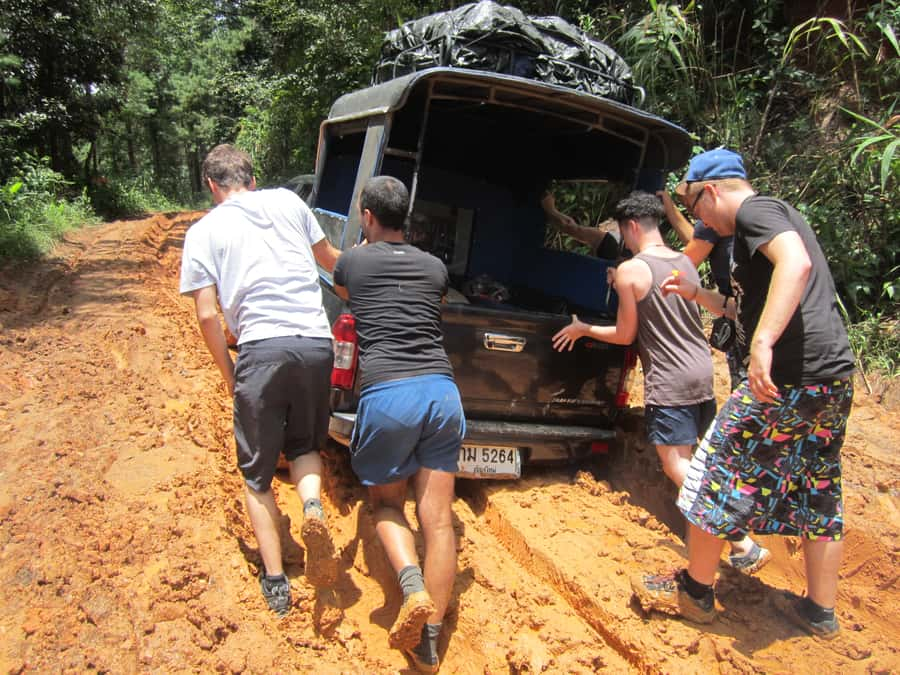
This transfer is part of the adventure, but it is not luxury transport. One account describes standing in the bed of a truck on muddy, bumpy dirt roads. At times, people had to hold on tightly, and the truck even needed help pushing. That will delight anyone who likes old-fashioned overland travel. It may annoy you if you expect an air-conditioned minibus and a smooth ride.
Wear clothes that can get dirty before you leave town. Keep your daypack small, and protect phones and cameras from rain or mud. A charged smartphone is useful, but this is not the place to carry delicate equipment loose in an open truck.
Elephant care before the forest walk
The first activity is a visit to an elephant camp. The program includes elephant care, and the visit may take about an hour. The experience described by the company includes feeding and bathing the elephants at a sanctuary.
This stop gives you a close look at the animals before the harder outdoor part begins. It also breaks up the drive and helps set the tone for a day based on contact with nature rather than sightseeing from a bus.
The exact camp routine can vary, so do not book this expecting a long elephant program. The trek is the main event. If you are especially concerned about animal welfare, use your time at the camp to observe how the elephants are handled and ask the guide questions.
Three to four hours learning the forest
The first trek lasts about three to four hours. The route reaches higher mountain country, with the activity information placing the area at around 2,000 meters above sea level. You will be walking on natural ground, not a paved park trail.
The pace is generally moderate, but the terrain can still be demanding. Mud, rain, steep sections, rocks, and slippery footing are possible. One person described the walk as ambitious but not too hard, while another had a minor misstep on a rock. Good shoes with ankle support are a smart choice.
The guide’s role adds real value here. You are not simply walking through trees. You learn about the forest ecosystem, local herbs, animals, and the ways people use the surrounding plants. The local guides can also help you judge footing and keep the group together.
Rain changes everything. During wet weather, a route that feels easy can become slippery and slow. Pack a proper rain cape or poncho, not just a thin plastic cover. During cooler months, the mountain air can feel chilly, especially once you stop moving.
More two-day treks in Chiang Mai
- Chiang Mai: 2-Day Jungle Trek with Elephant Farm & Raft Ride
★ 4.7 · 881 reviews - Chiang Mai: 2-Days Jungle Trek, Waterfalls and Karen Village
★ 4.8 · 103 reviews - Chiang Mai 2-Day: Trekking, Tubing & Elephant Observation
★ 4.9 · 95 reviews - Chiang Mai: 2-Days Chiang Mai Amazing Trek
★ 5.0 · 3 reviews
Cooking lunch in the jungle
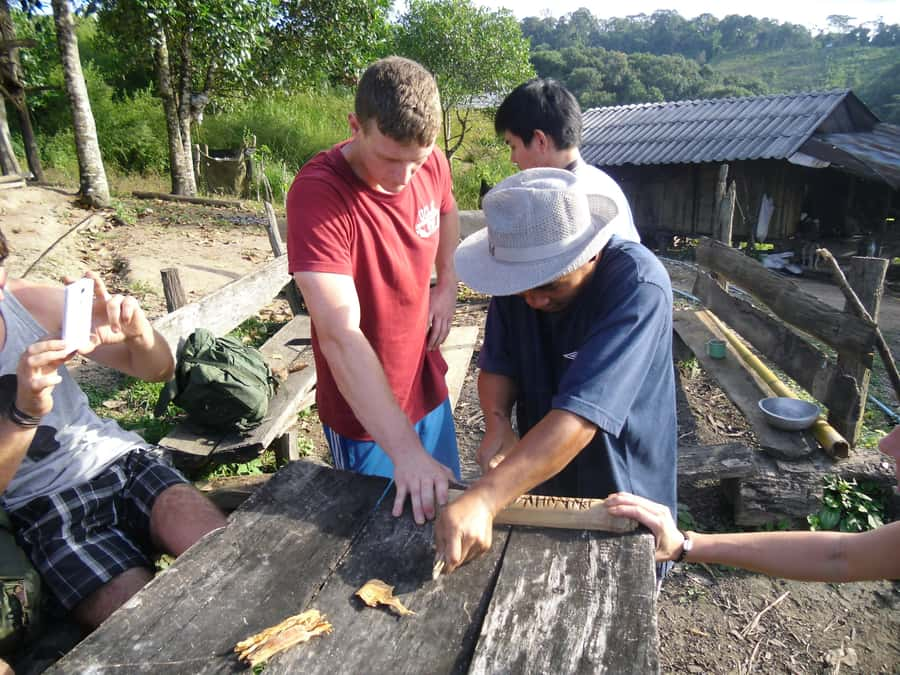
Rather than stopping at a restaurant, the group prepares lunch in the forest. The guides bring the food and show you how to cook it. This is one of the most memorable parts of the trip because it turns lunch into a shared task.
The food is described as tasty, healthy, and plentiful. Portions can be large enough for four people even when only two are eating. Vegetarian meals can be accommodated, but tell the company or guide in advance so the kitchen can plan properly.
This is also where the trip feels less like a sightseeing product. You help prepare the meal, sit together, and eat in the same place where you have been learning about the forest. It is simple, practical, and more engaging than being handed a boxed lunch.
You should still bring water and snacks if you normally eat between meals. All main meals during the trek are included, but personal drinks and small extras may require cash.
An evening with a Karen family
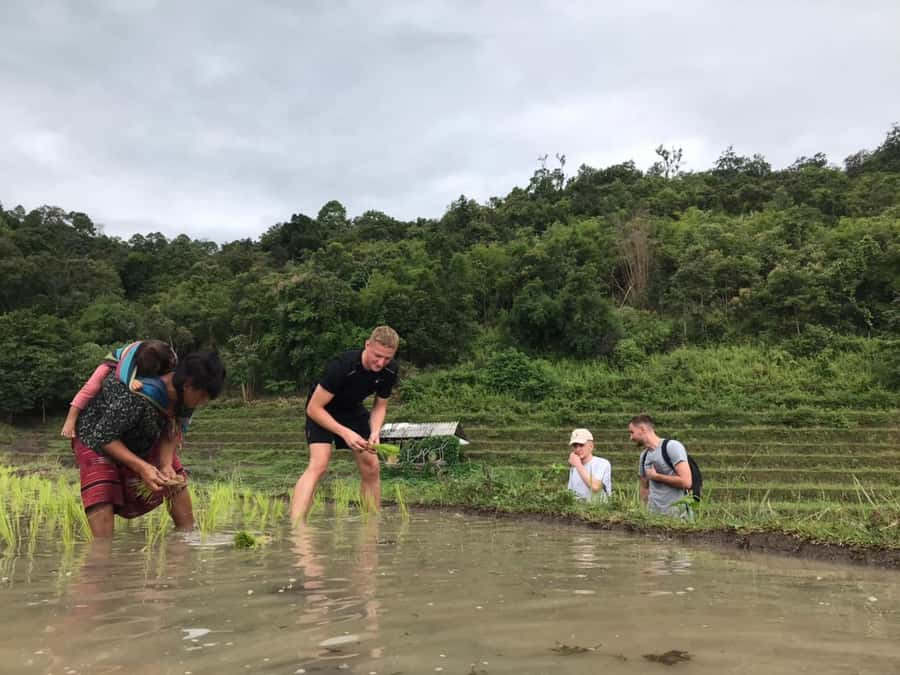
After more activity and cooking, you spend the night at a local family’s property. The accommodation has been described as a cottage, barn, or cabin-style house, depending on the departure. Expect mosquito nets, blankets, a sleeping bag, and a simple shower rather than hotel facilities.
The family welcome is a major reason to choose this trip. You may meet several members of the household, see parts of their farm, and learn about Karen traditions and daily life. The experience is closer to a homestay than a normal trekking lodge, though the exact amount of interaction depends on the family and the group.
The sleeping arrangements are rustic. The bathroom may be basic, and one person specifically warned that people who are very sensitive about washroom conditions may not enjoy the setup. Bring tissues or hand sanitizer, and accept that the charm comes partly from the lack of polish.
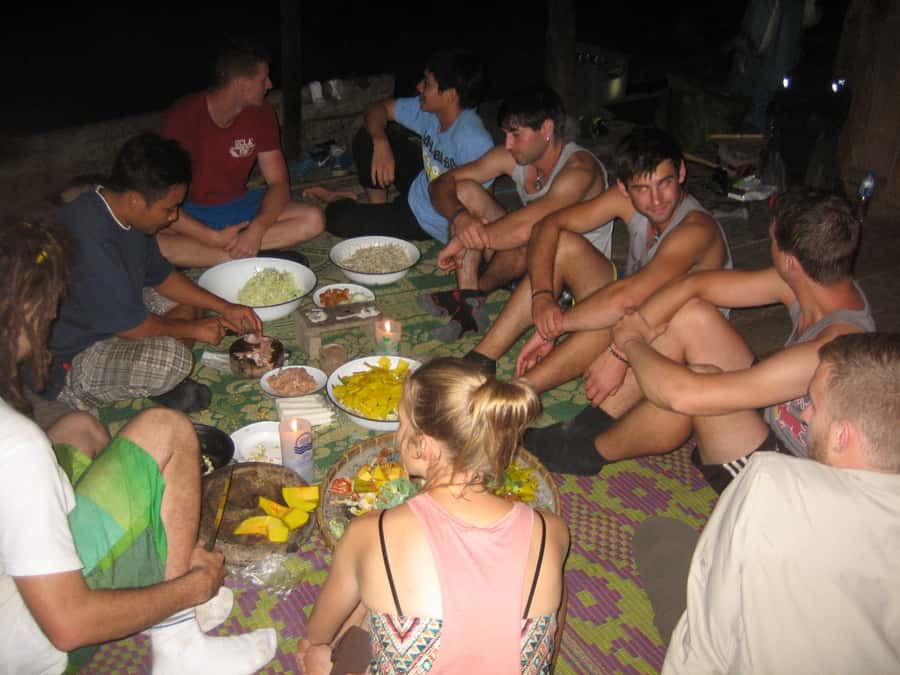
Evenings can include dinner, a campfire, conversation, and traditional lantern lighting. Some departures have included homemade rice spirit or local whiskey shared with the hosts. Treat this as a possible cultural moment, not a promise of a drinking session. You can always decline alcohol.
Night temperatures can drop. Warm clothes are important, especially from December through January. Pack a long-sleeved layer, dry socks, and something comfortable to sleep in. The supplied sleeping bag helps, but it is still wise to bring an extra warm top.
The second morning starts slowly
Breakfast comes with coffee or tea before the second walk. This morning is shorter, around two to three hours, and usually feels less intense than the first day.
The shorter walk gives you time to notice how different the forest feels after a night outside. Your guide may continue explaining plants, animals, and local ways of life. You also have the chance to ask questions you did not think of during the first day.
Do not expect a large breakfast buffet or a hotel-style start. This is a simple mountain morning, built around local food and an early return to the trail.
Waterfall swimming and a relaxed raft ride
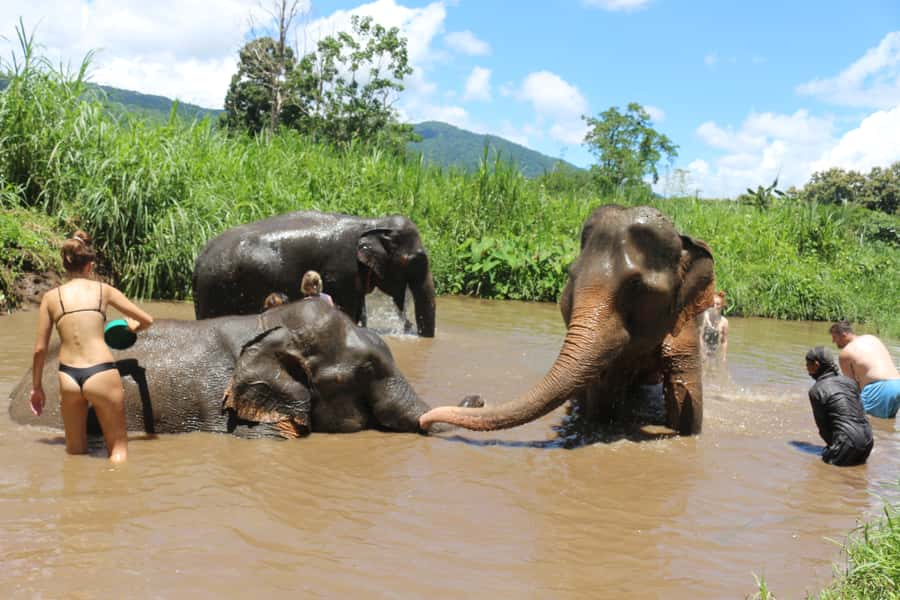
After the morning trek and lunch, you visit a waterfall. You can swim and relax there, so pack swimwear, a towel, sandals, and a dry change of clothes. Flip-flops are useful around wet areas, but you still need closed-toe shoes for the walking sections.
The waterfall stop is a good balance to the uphill work. You can cool off, sit by the water, and let your legs recover before the final activity. Conditions can change after rain, so follow the guide’s instructions around rocks and moving water.
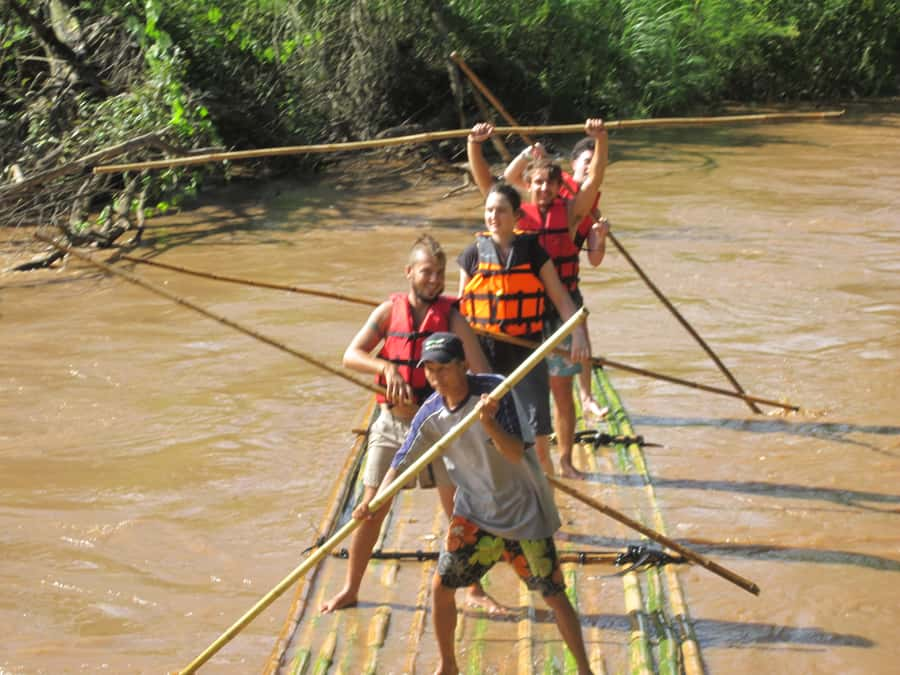
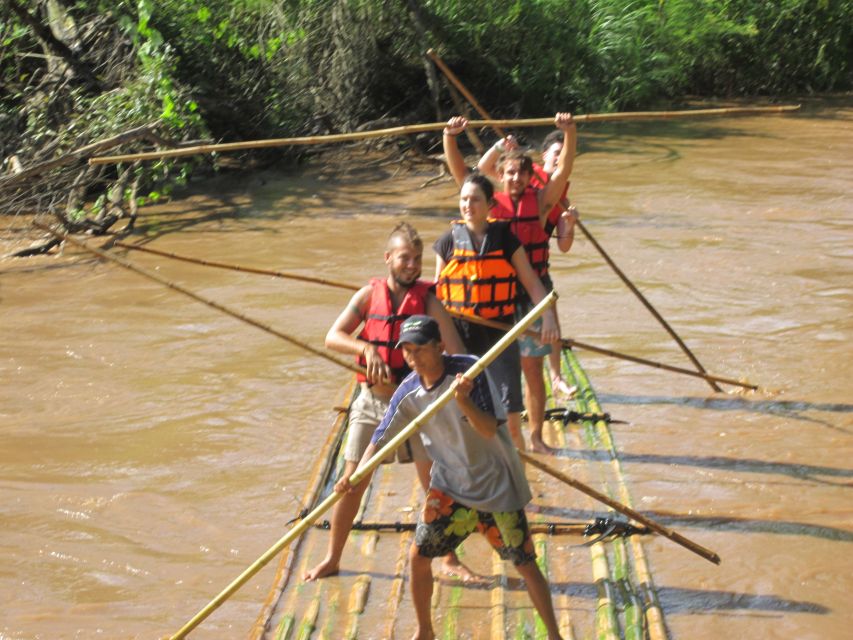
The final activity is bamboo rafting for about 30 to 45 minutes. This is more peaceful than extreme. The raft ride gives you a quiet finish and a different view of the forest, though you should not expect white-water thrills.
One amusing detail from the trip is that a local child has acted as a tiny raft captain. That kind of informal moment captures the tone better than a formal performance would. The activity is gentle, social, and suitable for ending a busy two days.
What the $144 price really covers
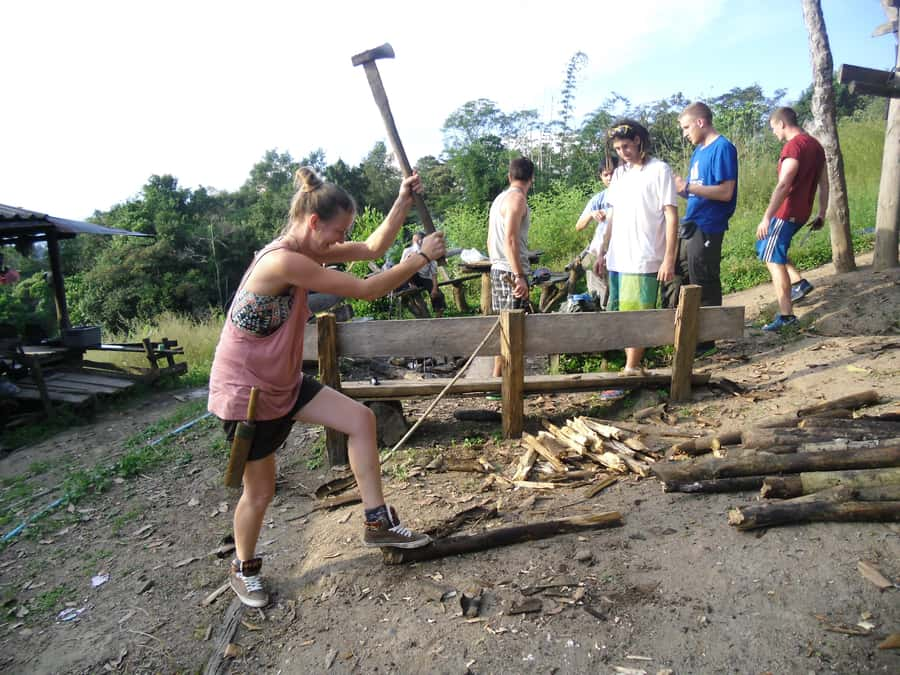
At $144 per person, the price is fair if you want a full two-day package rather than a single walk. It includes hotel pickup and return, the guide, elephant care, meals, accommodation, bamboo rafting, and practical gear such as a sleeping bag, head torch, knife, and slingshot.
The value comes from the number of separate services bundled together. You do not need to arrange mountain transport, food, a place to sleep, or the river activity on your own. You also receive local interpretation and access to a family property that would be difficult to arrange independently.
The price is less attractive if you mainly want a short forest hike or a comfortable overnight stay. You are paying for access and organization, not luxury. The accommodation is basic, the vehicle can be rough, and the itinerary is physically active.
Meals are a strong part of the value. They are included throughout the trek, and the portions are generous. Vegetarian food can be arranged. Tell the team about dietary needs before departure rather than waiting until lunch in the forest.
What to pack for comfort
The long packing list can look excessive, but the essentials are straightforward. Wear sturdy hiking shoes with ankle support, quick-drying or comfortable clothes, and a hat. Bring swimwear, a towel, sandals, sunscreen, insect repellent, and at least one full change of clothes.
A rain cape or poncho matters during the wet season. Pack clothes that can get muddy, plus spare socks. Biodegradable sunscreen and insect repellent are sensible choices for a forest trip.
You should also bring personal medication, water, cash, a daypack, and a charged phone. A small first aid kit and hand sanitizer are useful. The company supplies a head torch and sleeping bag, but confirm the gear at pickup if you have specific needs.
The activity list mentions climbing gear, though no detailed climbing section is described. Do not assume technical climbing is part of the program. The main physical demands are trekking, uneven ground, swimming, and getting in and out of transport and rafts.
Who should choose this trek
I would choose this trip if you want a social, active two-day experience with real local contact. It suits people who are happy to sleep simply, eat what the guides prepare, and let the day unfold around weather and trail conditions.
It is especially good for couples, friends, and solo visitors who like meeting a small group. The combination of jungle cooking, a family stay, and a campfire gives you plenty of time to talk. The guides are often praised for humor, patience, and the ability to explain the forest in clear English.
You should think twice if you need private bathrooms, smooth roads, a fixed luxury schedule, or easy walking. Pregnant people and wheelchair users should not book this activity. The published suitability information also excludes people over 95 years old.
Cancellation is flexible up to 24 hours before departure for a full refund, and you can reserve now and pay later. Check availability for the actual starting time, since departure details can vary.
Should you book the Mr. Whisky Jungle Trek?
Book it if your idea of comfort is a hot meal, a sleeping bag, a kind local host, and a good story about a muddy truck. The strongest parts are the jungle cooking, the Karen family stay, the knowledgeable local guiding, and the mix of walking, swimming, elephants, and rafting.
Skip it if you want a polished lodge, a gentle sightseeing trip, or guaranteed solitude. The group can include up to 14 people, the road transfer is rough, and the overnight facilities are basic.
For most active visitors who want a genuine break from Chiang Mai’s standard tourist routes, $144 buys a lot of experience in two days. Pack warm clothes, sturdy shoes, rain protection, and a flexible attitude. Those four things will do more for your enjoyment than any expensive trekking gadget.
FAQ
How long is the Chiang Mai non-tourist trek?
The activity lasts two days and one night. Pickup generally begins between 7:00 and 7:30 a.m. on the first day, with return to Chiang Mai around 5:00 to 5:30 p.m. on the second day.
Where does the trek take place?
It takes place in a remote mountain area of Chiang Mai Province, far from the busiest tourist zones. The trekking area reaches roughly 2,000 meters above sea level.
What activities are included?
The program includes elephant care, jungle trekking, cooking in the forest, an overnight stay with a hill tribe family, a waterfall visit with time to swim, and 30 to 45 minutes of bamboo rafting.
Is accommodation included?
Yes. You stay overnight in a basic cottage, cabin, or barn-style accommodation on a local family’s property. Mosquito nets, blankets, and a sleeping bag are provided.
Are meals included?
Yes. All meals during the trek are included. Vegetarian food can be accommodated, and the meals are prepared by the guides and hosts.
How large is the group?
The group is limited to 14 participants. You will spend much of the two days with the same group, guides, and local hosts.
What language does the guide speak?
The tour operates in English and Thai. An English audio guide is also included.
What should I bring?
Bring comfortable hiking shoes, a hat, swimwear, a towel, sandals, spare clothes, sunscreen, insect repellent, water, a daypack, cash, personal medication, and a rain cape or poncho. Warm clothing is important for the overnight stay, especially in cooler months.
Latest treks added in Chiang Mai
- Small Group : Trekking Trip in Chiang Mai (Doi Suthep Area) with Market Tour★ 5.0 · 4 reviews
- Trekking at the Monk Trail and Doi Suthep Temple Private Tour★ 5.0 · 3 reviews
- Trek to a Jungle Waterfall★ 5.0 · 14 reviews
- Private Tour 2 Difference Trails Trekking at Doi Inthanon National Park★ 5.0 · 19 reviews
- 8KM White Water Rafting and 3HRS Jungle Trekking Adventure★ 5.0 · 9 reviews
- Fantastic! Famous Doi Inthanon National park tour with 2hr trekking★ 4.5 · 17 reviews
- One day Doi Inthanon & Trekking at Pha Dok Siew★ 3.5 · 3 reviews
- One day Doi Inthanon National Park & Trekking on Kew Mae Pan★ 5.0 · 12 reviews
Chiang Mai Trekking Tours, compared.
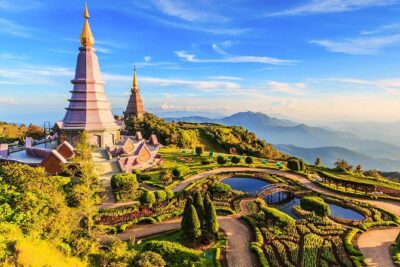
3-in-1: Doi Inthanon Tour, Elephant Sanctuary, and Trekking Trail
Read our review →
Doi Inthanon Private Tour with Trek & Lunch from Chiang Mai
Read our review →
Doi Inthanon National Park and Pha Dok Siew Trek
Read our review →
Gibbons, Trekking & Mae Kampong Small Group Tour
Read our review →
Doi inthanon National Park + 2Hour Fantastic Trekking with Lunch
Read our review →
Doi Inthanon National Park with Nature Trail Trekking 1-Day Tour
Read our review →Browse the lists this tour appears in