
REVIEW · MARRAKECH
Marrakech: 3-Day High Atlas Mountains and Three Valleys Trek
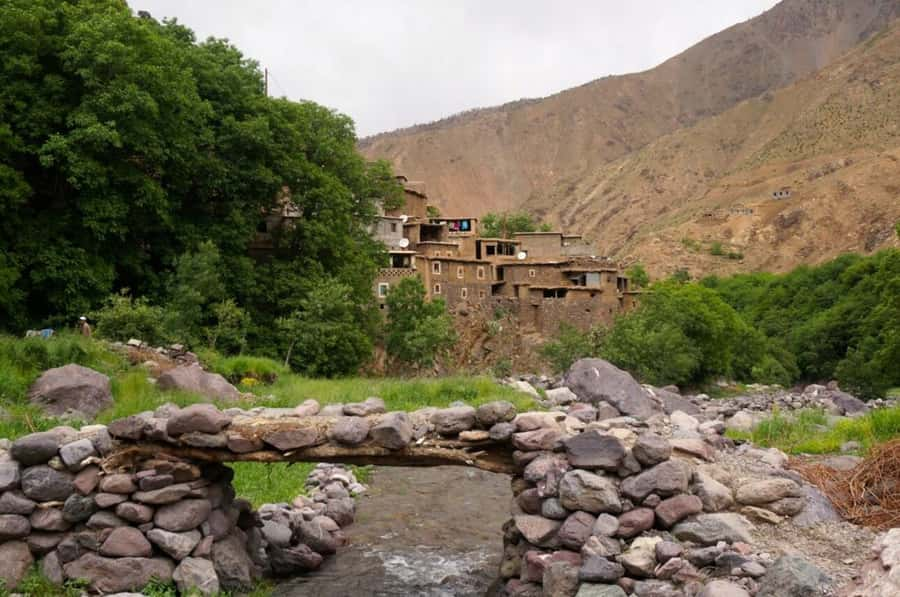
The best part of this three-day High Atlas trek is the steady change of scenery. You walk from Imlil through mountain villages, across high passes, beside valleys, and past the waterfalls of Toubkal National Park. This is not a quick viewpoint stop from a minibus. You spend two nights in the mountains and see how people live beyond Marrakech.
I like the sensible pace and the human touch. Guides such as Abdul, Abdou, Mustafa, and Kamel are praised for adjusting the walk to the group, while cooks such as Ibrahim, Mohamed, and Hassan serve generous Moroccan meals. I also like that mules carry the luggage, leaving you free to enjoy the trail. The main drawback is comfort: guesthouses are clean and welcoming but rustic, and sheets are not always provided. Bring a sleeping bag liner.
Key points to know
- Three valleys in three days: Walk through Imlil, Tachdirt, Matat, Ait Aissa, and the Ait Mizan Valley rather than seeing the mountains from the roadside.
- Six hours of walking per day: Expect moderate trekking, steep sections, rocky paths, and high passes reaching 2,500 meters.
- Local support on the trail: A guide leads the walk, while muleteers carry luggage and supplies.
- Food is a major strength: Breakfast, lunch, and dinner are included, with plentiful tagines, salads, tea, and other Moroccan dishes.
- Simple mountain lodging: Two nights are spent in village guesthouses or gites, with blankets provided but sheets not guaranteed.
- Good value at $227: Transport from Marrakech, accommodation, guiding, luggage support, and seven included meals make this a strong package for an active escape.
Why spend three days in the High Atlas
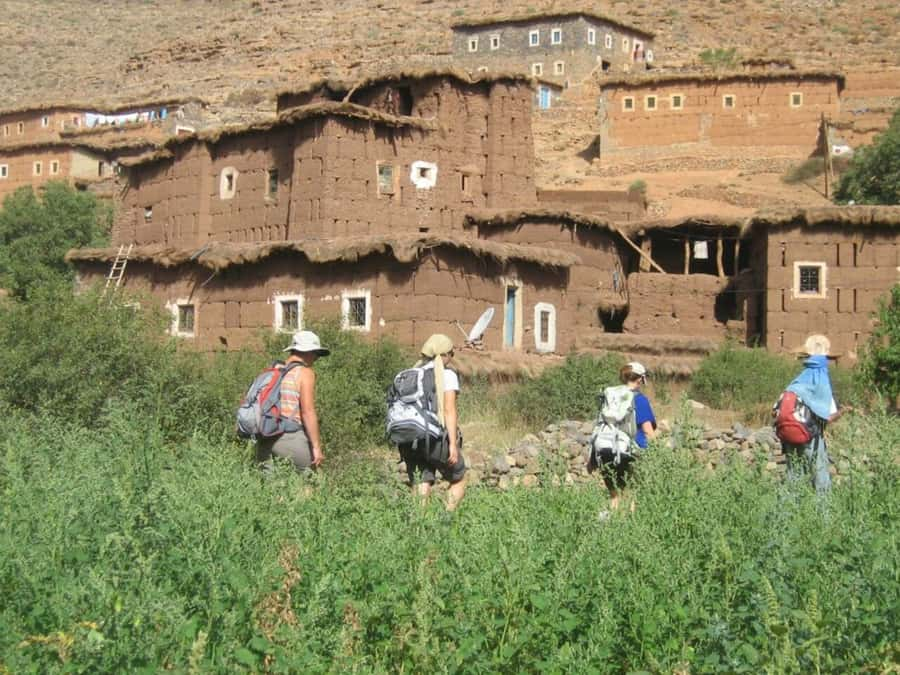
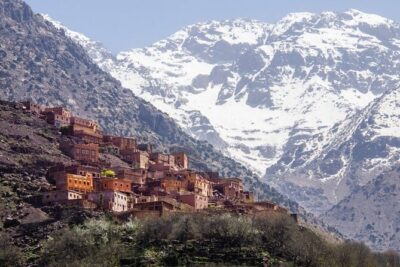
Marrakech is exciting, but the medina can wear you down. This trip gives you a clean break from the noise and takes you into the quieter world of the High Atlas, where narrow paths connect Amazigh villages and mountain passes open to wide views.
The route is designed for people who want more than a short mountain excursion but do not want a serious summit expedition. You are not climbing Mount Toubkal. Instead, you walk for roughly five to six hours on each of the first two days and about six hours on the final day.
That still means real exertion. Several sections are steep, and downhill walking can be slippery on loose or rocky ground. I would choose proper hiking boots or trail shoes, not casual trainers, unless you already have strong hill-walking experience.
The reward is variety. One day may bring dry mountain slopes and broad views, while another passes fruit trees, village lanes, and shaded paths. In spring, cherry and apple blossoms can add a soft, colourful touch to the route. In summer, daytime temperatures in the mountains may remain comfortable, but evenings can still be cool.
More Atlas Mountains Treks in Marrakesh
- Marrakesh: 2-Day Mt. Toubkal Trek with 1-Night Stay & Meals
★ 4.7 · 795 reviews - Marrakech: 2-Day Atlas Mountains Trek with Village Stay
★ 4.8 · 717 reviews - From Marrakech: 3-Day Mount Toubkal Climbing Trek
★ 4.7 · 597 reviews
Day 1: From Imlil to Tizi n’Tamterte
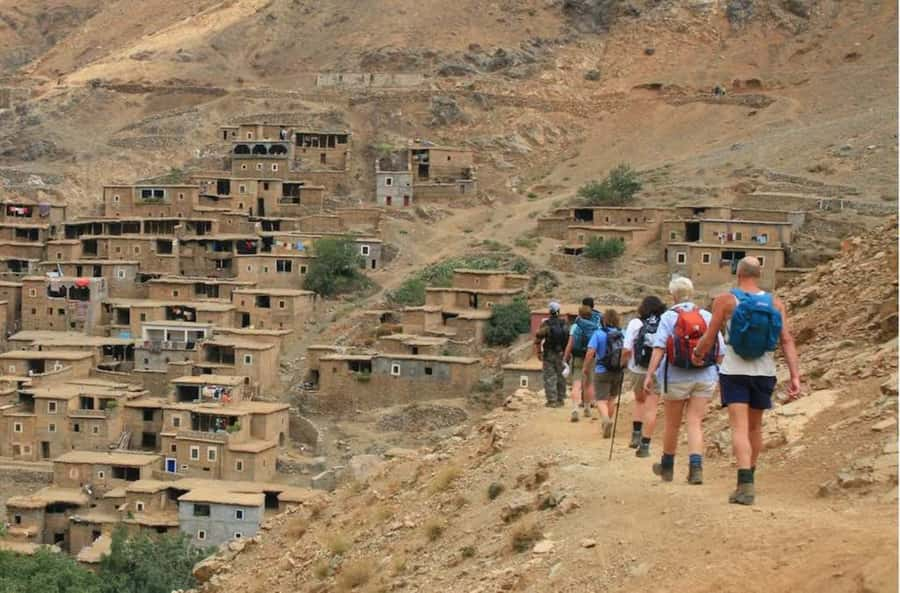
Your mountain walk begins in Imlil at about 1,740 metres. The transfer from Marrakech is included, usually in an air-conditioned vehicle, and pickup and drop-off are arranged for the city. This matters if you are staying in the Medina, where vehicle access can be awkward.
Imlil is the natural starting point for several mountain walks. From here, the trail climbs toward Tizi n’Tamterte, a pass at roughly 2,300 metres. The ascent is the first real test of your legs, but the route gives you increasingly broad views as you gain height.
Lunch at or near the pass is a welcome part of the day. Rather than rushing through a restaurant stop, you pause in the mountains before continuing toward Tachdirt or Tinghourine. The setting makes a simple meal feel well earned.
The full walk takes about five to six hours, depending on the group and the pace set by the guide. Guides have been praised for stopping for photographs and adjusting the rhythm to suit different abilities. That is useful because a small group can still contain people with very different levels of fitness.
You spend the night in a village guesthouse. Expect a basic room, blankets, and a warm welcome rather than hotel-style service. Some accommodation has hot water, Wi-Fi, or electricity, but standards can vary between houses. A sleeping bag liner, pillowcase, and spare warm layer will make the night more comfortable.
Day 2: Tachdirt, Aguersiwal, Matat, and Ait Aissa
The second day continues through the villages and passes of the interior valleys. You walk from Tachdirt toward Aguersiwal, then across the Matat area and onward to Ait Aissa.
This is the day that best shows the everyday side of the mountains. The path does not simply skirt the villages. It can pass through narrow village corridors where you see people going about daily tasks, fields, homes, and local routes that still serve as practical links between communities.
The route includes a pass around 2,100 metres and the Oudit Pass at about 2,200 metres. These heights are lower than the final day’s Mzik Pass, but the repeated climbing and descending can make day two feel just as demanding.
The scenery changes as you walk. In spring, the first half of the day can bring cherry and apple blossoms. At other times, expect rugged slopes, open valleys, stone villages, and views toward the higher peaks. Your guide can add context about Amazigh culture and village life, which gives meaning to what you see instead of reducing the walk to a series of photo stops.
Lunch and tea breaks help divide the day. The included meals are not an afterthought. Cooks and muleteers such as Ibrahim, Mohamed, Hassan, and Braham have prepared filling traditional food for groups with different needs, including vegan diets and food allergies. Tell the operator about dietary requirements before you go.
Ait Aissa provides the second overnight stop. The gite may offer a steam shower, although hot water should not be treated as guaranteed at every stop. One useful rule is to pack baby wipes and keep your expectations practical. This is mountain accommodation, not a riad with a polished bathroom.
Day 3: Waterfalls, Mzik Pass, and the return to Marrakech
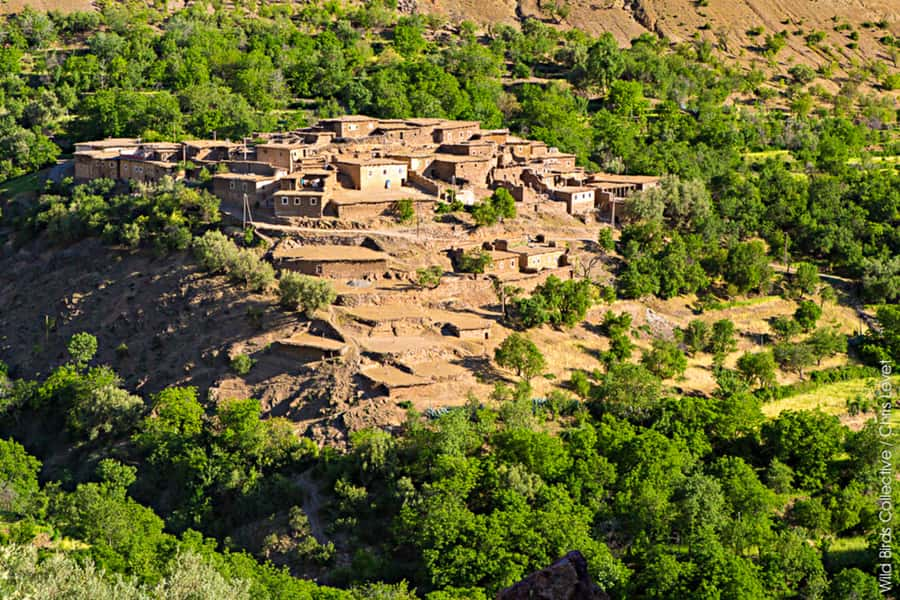
The final morning takes you toward the waterfalls in Toubkal National Park. They provide a natural highlight before the hardest climb of the day, the route toward Mzik Pass at about 2,500 metres.
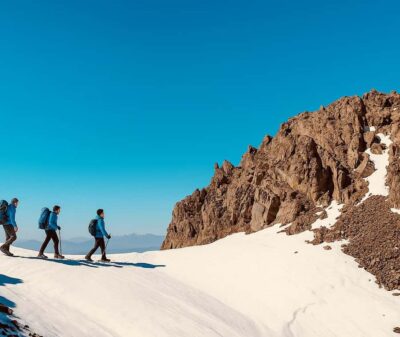
The trail to the pass is a good reason to choose three days instead of a shorter valley walk. You have time to get farther into the mountains and see how the valleys connect. From Mzik Pass, the views across the Ait Mizan Valley are broad and rewarding.
After lunch in Mzik, you descend toward Imlil. This downhill section deserves respect. Several people have found the descent steep or slippery, so poles may be useful if you already use them, though they are not listed as provided. Good footwear matters more than fashionable walking clothes.
The trek finishes in Imlil, where transport returns you to Marrakech. After three days on foot, the air-conditioned vehicle will feel especially welcome. The full route is active but not designed as an extreme challenge, provided you are comfortable walking for several hours and handling uneven ground.
More three-day treks in Marrakesh
- Climb Mount Toubkal: 3-Day Trek from Marrakech
★ 4.4 · 58 reviews - Marrakech: 3-Day Atlas Mountains Berber Villages Trek
★ 4.5 · 41 reviews - Sapa 3 Days 2 Nights Trekking Tour (1 Night In Ta Van Village, 1 Night In Hotel)
★ 5.0 · 699 reviews - 3-Day Trekking Adventure of Sapa from Hanoi – Stay Ta Van Village
★ 5.0 · 611 reviews
The guides, cooks, and muleteers make the difference
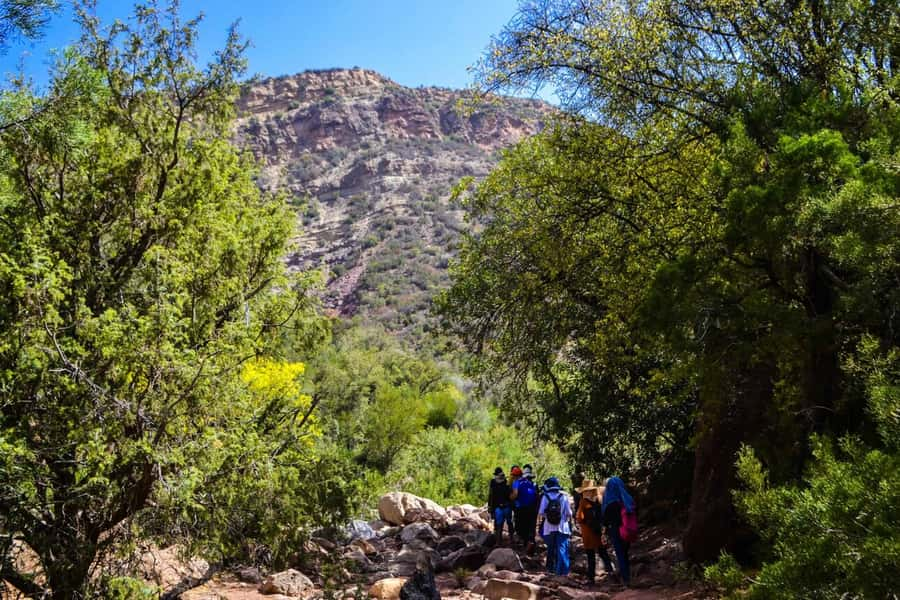
The route is attractive, but the staff shape the experience. The guide is responsible for navigation, pace, safety, and explanations about the villages and Amazigh culture. Abdul, Abdou, Mustafa, Kamel, Houssain, and Abdulaziz are among the guides praised for being attentive, friendly, and flexible.
You should not assume that you will be assigned a particular person. Still, the pattern is clear: the guide is not simply there to point at the path. Good guides stop for photographs, explain the plan for each day, answer questions, and adjust the pace when needed.
The cook and muleteer are also central to the trip. Mules carry luggage, cooking supplies, and food, so you do not have to walk with a large pack. Meals are described as abundant, fresh, and tasty, with tagines, salads, Moroccan tea, bread, omelettes, and other local dishes appearing along the way.
Do not overpack snacks. The portions are generous. That said, one earlier breakfast arrived late, so a small personal snack may be sensible if you are hungry early in the morning.
Tipping is not included in the price. Carry cash if you would like to thank the guide, cook, and muleteers at the end. The activity price covers the service, but these workers are a meaningful part of the experience.
What the guesthouses are really like
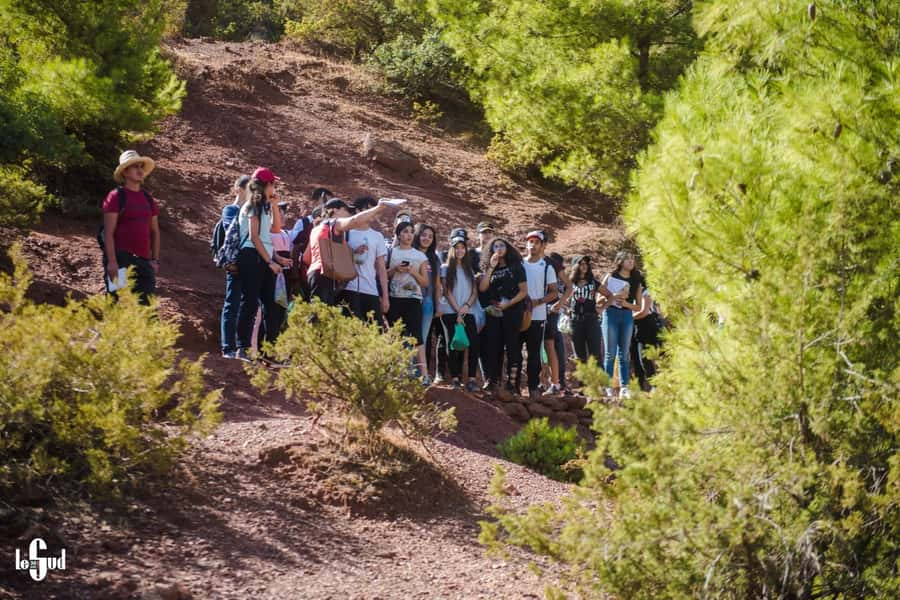
The accommodation is best described as comfortable but plain. You get two nights in village guesthouses or gites, often with mountain views and shared local character. Rooms have been found clean and more comfortable than expected, but you should not book this trip expecting five-star bedding.
Sheets may not be available. Blankets are generally provided, but they can feel less personal after a day of hiking. Pack a sleeping bag liner and pillowcase. Long, loose sleepwear and a spare jumper are also smart choices because mountain nights can be cold, especially in winter.
Hot showers and Wi-Fi have been available at some stays, but conditions differ. One night may have cold water and the next may offer a hot, steamy shower. Internet access may be limited or absent, which can be a pleasure if you want to put your phone away.
Bring toilet paper, sunscreen, a towel, sunglasses, and a hat. You should also carry enough personal drinking water. Mineral water and soft drinks are not included, so budget for them separately.
Is $227 a fair price?
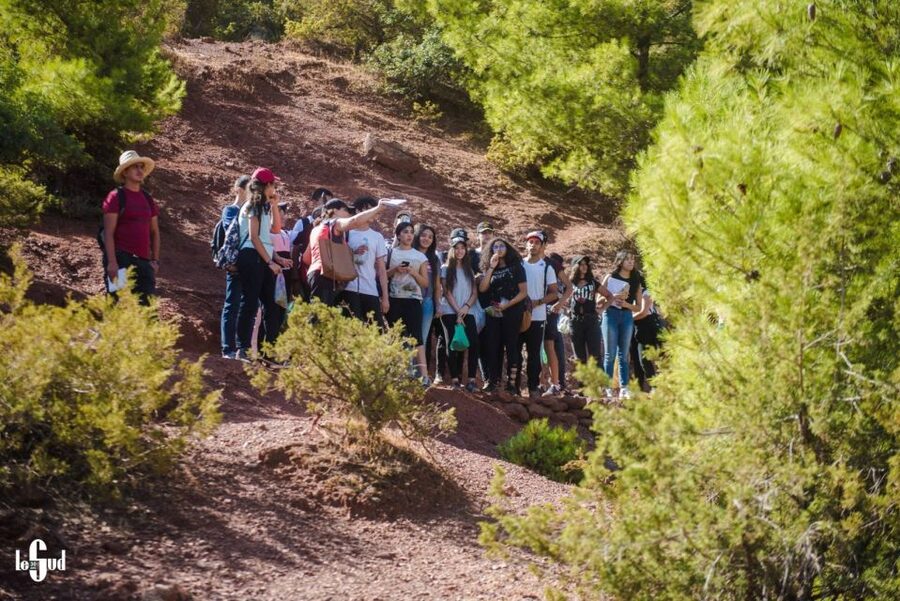
At $227 per person, the package offers solid value. The price includes pickup and drop-off from Marrakech, air-conditioned transport, a local guide, two nights of accommodation, muleteers and mules for the luggage, and all meals during the trek.
The meal allowance is substantial: three breakfasts, three lunches, and two dinners. You are paying for seven meals as well as the walking program, staff, transfers, and accommodation. That makes the cost easier to justify than a simple guided hike where you still need to arrange food and transport.
The value also comes from time. A day trip can show you a mountain viewpoint, but this route gives you two nights in village communities and a chance to walk between valleys. You spend less time sitting in a vehicle and more time seeing the area at ground level.
There are extra costs. Water, soft drinks, and tips are not included. You may also want to buy a sleeping bag liner, bring cash, and purchase suitable footwear if you do not already own it.
Who should book this trek
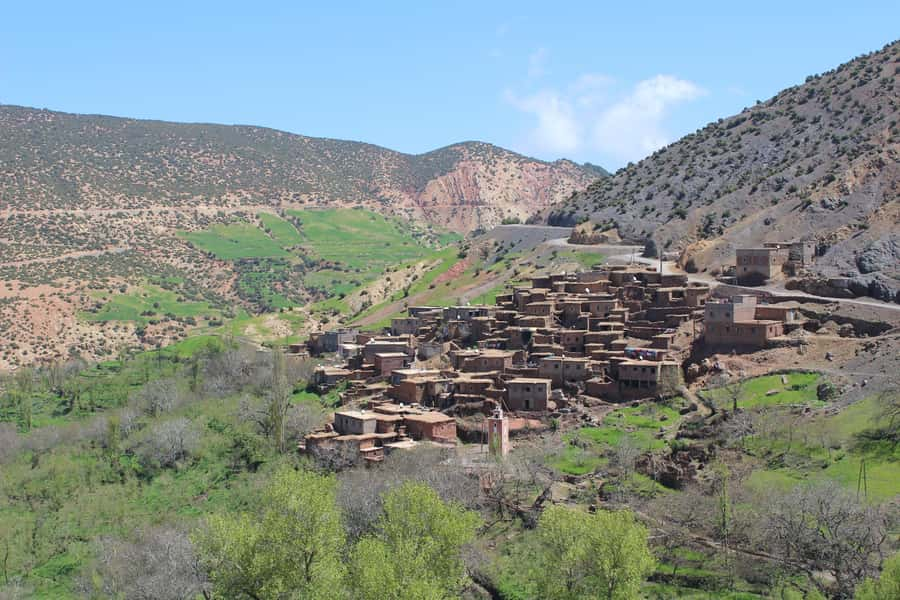
This trip suits you if you enjoy walking, want contact with rural Morocco, and can manage several hours of uphill and downhill movement. It is a good choice for couples, families with active older children, solo visitors, and small groups who want a guide without joining a large coach excursion.
It also suits people who value food and conversation as much as scenery. The guides often share local knowledge, and the evenings provide time to rest, read, play cards, and talk with people staying at the same gite.
You should think twice if you need smooth paths, private hotel rooms, reliable hot water, or wheelchair access. The activity is not suitable for wheelchair users, pregnant women, or people with heart problems. Anyone with doubts about fitness should get medical advice before booking.
English and French guiding are available. The advertised group is limited to 10 participants, although the exact group on a particular departure can differ. A smaller party can make the pace and conversation more personal.
Practical booking advice
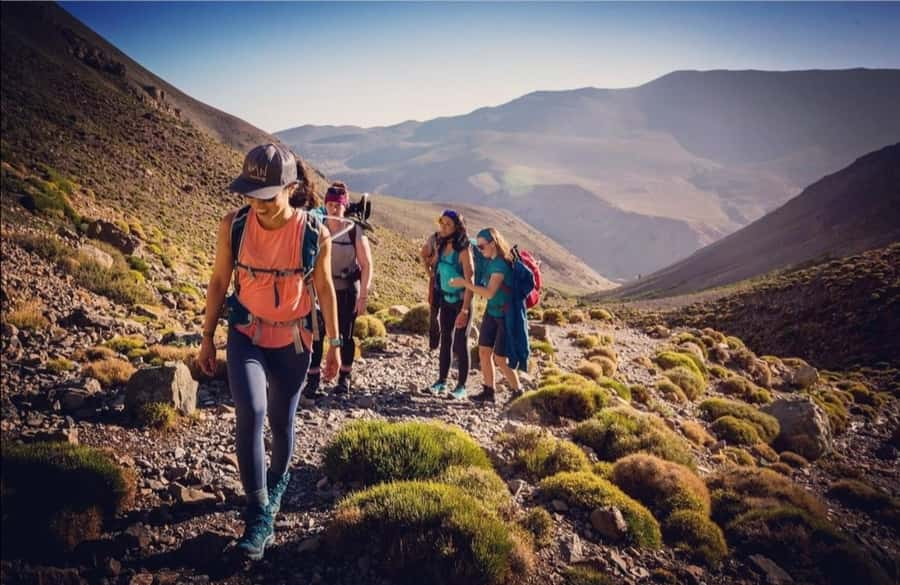
Wear broken-in hiking boots or trail shoes with good grip. The paths can be rocky, and descents are where weak footwear causes trouble. Comfortable clothes, sun protection, a towel, and warm evening layers belong in your daypack.
Carry a passport or identity card, as requested for the activity. Pack light, since the mule team handles the main luggage. Keep essentials such as water, sunscreen, a jacket, and personal medication with you.
The tour offers free cancellation up to 24 hours before departure and a reserve-now, pay-later option. Starting times depend on availability, so check the date carefully before confirming.
The overall rating is 4.8 from 63 reviews, with especially strong praise for the guides, food, flexible pacing, scenery, and organization of the Marrakech transfers. The few practical complaints are not about the route itself. They concern rustic bedding, occasional cold showers, breakfast timing, and steep or rocky sections.
Should you book the High Atlas three-day trek?
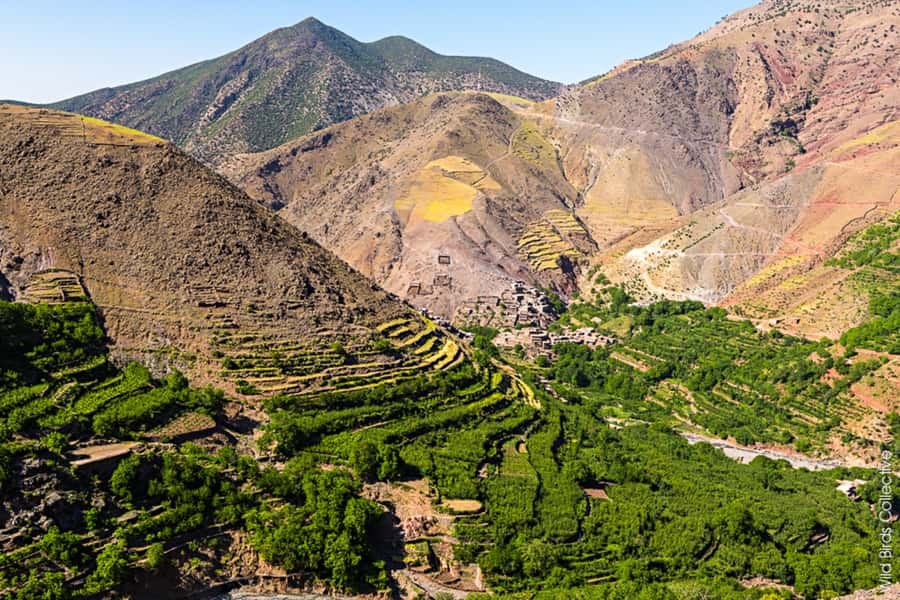
I would book this if you want the Atlas Mountains to be a real part of your Morocco trip, not just a background view from a car. The route gives you waterfalls, high passes, village life, local meals, and two nights away from Marrakech without requiring a mountaineering expedition.
Book it with the right expectations. Bring a liner for the bed, proper footwear, warm layers, cash, and a little patience for simple facilities. If you can accept that trade-off, $227 buys a well-supported mountain journey with plenty of scenery and a genuine connection to rural life.
FAQ
How long does the trek last?
The activity lasts three days, with two nights of accommodation in mountain guesthouses or gites.
How many hours do you walk each day?
The first and second days involve about five to six hours of walking. The third day takes about six hours.
What is the highest point on the route?
The highest stated point is Mzik Pass at about 2,500 metres. Tizi n’Tamterte reaches about 2,300 metres, and Oudit Pass is around 2,200 metres.
Are meals included?
Yes. The price includes three breakfasts, three lunches, and two dinners during the trek.
Is drinking water included?
No. Mineral water and soft drinks are not included, so you need to budget for them separately.
What type of accommodation is provided?
You stay for two nights in village guesthouses or gites. Facilities are simple, blankets are available, and sheets may not be provided.
What languages can the guide speak?
Live guiding is available in English and French.
Is the trek suitable for everyone?
No. It is not suitable for pregnant women, wheelchair users, or people with heart problems. The paths can be rocky and steep, so you also need to be comfortable with several hours of walking each day.
Latest treks added in Marrakesh
- Mount Toubkal Trek 2 Days & 1 Night★ 4.5 · 26 reviews
- Marrakech: Mount Toubkal 2-Day trek from Marrakech★ 5.0 · 2 reviews
- Marrakech: Guided 2-Day Trek to Imlil and Imnan Valleys★ 4.6 · 14 reviews
- Marrakech: High Atlas Tedali Summit Guided Day Trek★ 5.0 · 4 reviews
- Marrakech: 2 Day Toubkal Trek & 1 Nights with Hotel Pick up★ 5.0 · 2 reviews
- Marrakech: 2 Day Trek Atlas Mountains & Taoudja Summit 2724M★ 5.0 · 2 reviews
- From Marrakesh: 2-Day Trek to Ait-Benhaddou and Ouarzazate★ 4.6 · 36 reviews
- From Marrakech: Aourirt N’ouassif Summit Day Hike & Trek★ 4.9 · 10 reviews
Atlas Mountains Treks, compared.
Mt Toubkal Ascent Express Trek 2 Days 1 Nights
Read our review →
2-Day Mt. Toubkal Trek with 1-Night Stay & Meals
Read our review →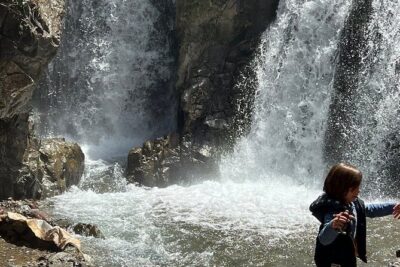
Summiting and Hiking the Atlas Mountains Day Trek from Marrakech
Read our review →
Browse the lists this tour appears in