
REVIEW · SPAIN
Fuerteventura: Trekking Tour Through the North of the Island
The most striking part of this half-day Fuerteventura hike is the change of scenery. You begin at a well-preserved volcanic crater near Lajares, cross old fossil dunes and eroded ravines, then finish beside the beaches and ocean pools of El Cotillo. It is a good way to see several sides of the island without spending a full day on the road.
I like the small group limit of eight, which leaves room for questions and makes the geological guide more than a driver with a script. I also like the mix of walking and easy sightseeing: the crater gives you a clear goal, while El Cotillo and the Tostón Lighthouse add a relaxed coastal finish. The main consideration is that this is still a hiking day, so it is not suitable for children under eight or people with mobility impairments.
Key points to know before booking
- Calderón Hondo crater: Walk an easy path to one of northern Fuerteventura’s best volcanic viewpoints.
- Lanzarote and the north shore: The crater rim offers wide views across the island and toward Lanzarote.
- Fossil dunes and canyons: La Cañada de Melian shows how wind, stone, and erosion shaped the north over a very long period.
- El Cotillo stop: Take time for the village, beaches, lagoons, and a local bar or restaurant.
- Tostón Lighthouse: End beside the sea, with views of the lighthouse and natural lakes along the coast.
- Personal guiding: Guides including Pepe and Maura have been praised for humor, warmth, and strong knowledge of the area.
Why this northern Fuerteventura route works
Fuerteventura can seem like an island of beaches at first glance. This trip helps you see the volcanic and geological side without requiring a hard trek or a full expedition.
The route covers roughly 5.5 hours from hotel pickup to return. Pickup is scheduled between 9:00 and 9:30 in the morning, with return between 2:30 and 3:00. That timing matters because you get a full morning and early afternoon outdoors, yet still have much of the day left for the beach or dinner.
The walking level is described as easy, and the volcano path is comfortable. Still, you should bring proper shoes rather than sandals. You will be outside in sun and open terrain, so water, sunscreen, and a hat are basic needs, not optional extras.
The $47 price is good value if you want transport, guiding, and several different stops in one outing. Hotel pickup and drop-off are included from Corralejo, Lajares, La Oliva, Villaverde, and El Cotillo. Food, drinks, and any museum visit are not included, so plan to carry water and budget for your own stop in El Cotillo.
More Trekking Tours in Spain
- La Palma: Tajogaite Volcano Guided Trek
★ 4.8 · 1,810 reviews - Lanzarote: Timanfaya Natural Park Trekking Tour
★ 4.8 · 766 reviews - Volcano Trekking Tour (Timanfaya eruptions)
★ 5.0 · 339 reviews
Starting at Calderón Hondo near Lajares
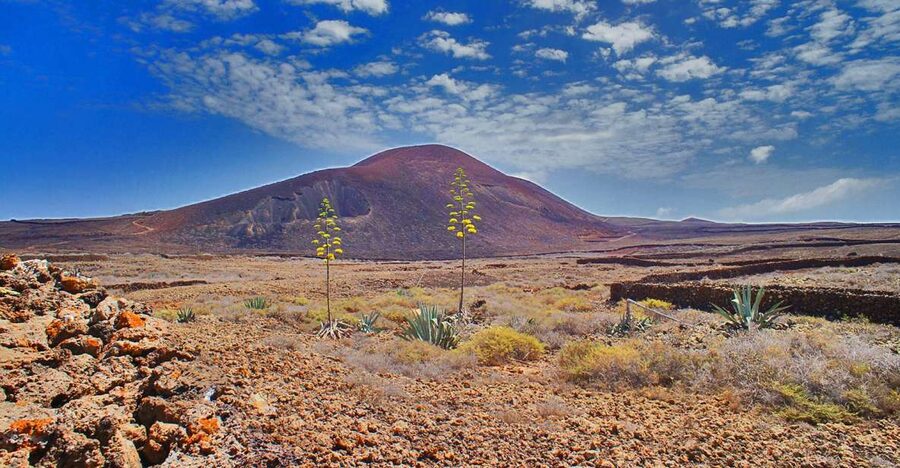
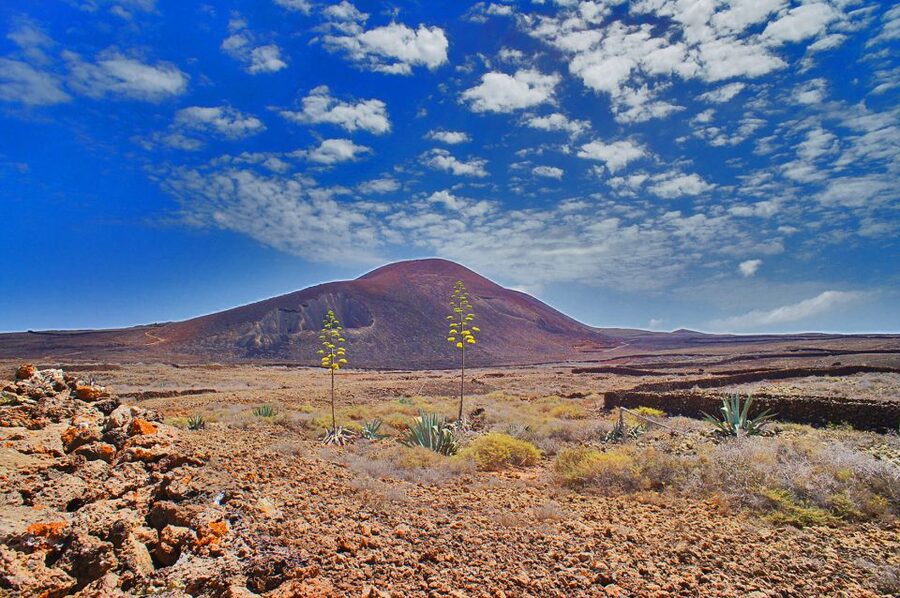
The day begins at El Calderón Hondo, one of the best-preserved volcanoes on Fuerteventura. It is near the village of Lajares, making this a practical first stop for anyone staying in the north.
The walk takes you toward the crater edge. You do not need to tackle a technical trail or a steep mountain climb. The route is described as easy, but you should still expect uneven outdoor ground and some walking under direct sun.
At the rim, the crater gives the morning a real sense of purpose. Instead of merely looking at a cone from a passing vehicle, you reach a panoramic viewpoint and look down into the volcanic opening. The depth of the cone is the main visual payoff here.
This is also where a geological guide adds real value. A guide can connect the dark volcanic rock, the crater shape, and the island’s long geological story in a way that a quick photo stop cannot. Maura and Pepe are two guides associated with this experience. Their approach, based on the available feedback, includes clear explanations along with a friendly sense of humor.
Allow yourself time to look beyond the crater. From the high point, you may see much of northern Fuerteventura and Lanzarote across the water. The broad view helps you understand how close the neighboring island is, while also showing how open and sparsely built this part of Fuerteventura can feel.
Looking across Lanzarote from the crater rim
The view toward Lanzarote is one of the strongest reasons to choose this route. You are not only looking into a volcano. You are also looking outward across the northern shore and toward another Canary Island.
Bring your camera, but do not let it take over the stop. The wide view is best appreciated with a few quiet minutes at the panoramic balcony. You can frame the crater in one direction and the coast and Lanzarote in another.
Visibility can affect what you see, as it can anywhere in the islands, so no viewpoint can promise a perfect distant view every day. Even so, the route is designed around one of the north’s best high points, and the crater itself remains worthwhile if the horizon is hazy.
A small group helps here. With no more than eight people, the guide can answer questions about what you are seeing rather than simply moving everyone from one photo position to the next. If you enjoy learning how a place was formed, this part of the day will likely be more rewarding than a basic sightseeing drive.
Walking through La Cañada de Melian
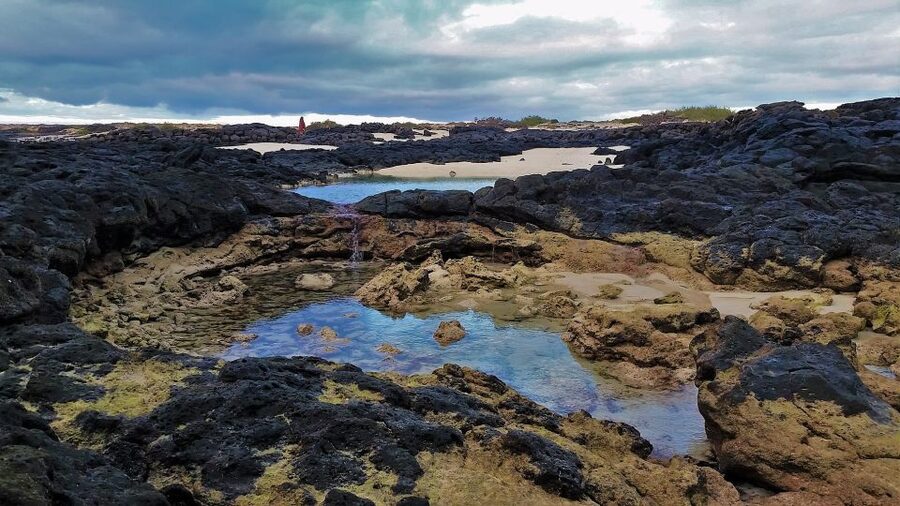
After the volcano, the scenery changes again. In La Cañada de Melian, you walk through ancient fossilized dunes and ravines shaped by millions of years of erosion.
The word fossilized is important. These are not simply modern sand hills beside the road. They are old dune formations that have hardened over time, creating a different texture and color from the volcanic area near Calderón Hondo.
The ravines add another layer to the walk. Erosion has cut channels and canyons through the older material, giving the route a more enclosed feel than the open crater rim. You may find this section especially interesting if you like seeing natural details close up, rather than only taking in large views.
This is also where comfortable footwear matters most. The walk remains easy according to the tour information, but easy does not mean suitable for high heels, flimsy shoes, or anyone who cannot manage uneven ground. Wear shoes with a secure sole, and keep your water within reach.
There is no claim that this is a strenuous wilderness trek, and that is part of its appeal. You get a taste of Fuerteventura’s older formations without committing to a demanding day in the hills. For many people, that balance will be exactly right.
Another trail to compare in Spain:
- Caminito del Rey: Trekking Tour with Hiking Guide
★ 4.1 · 295 reviews - Fuerteventura: Guided Trekking Tour with Island Goats
★ 4.9 · 146 reviews - La Palma: Guided Trekking Tour to El Roque de los Muchachos
★ 4.6 · 104 reviews - Caminito del Rey Trekking Walkway
★ 4.0 · 100 reviews
Taking a break in El Cotillo
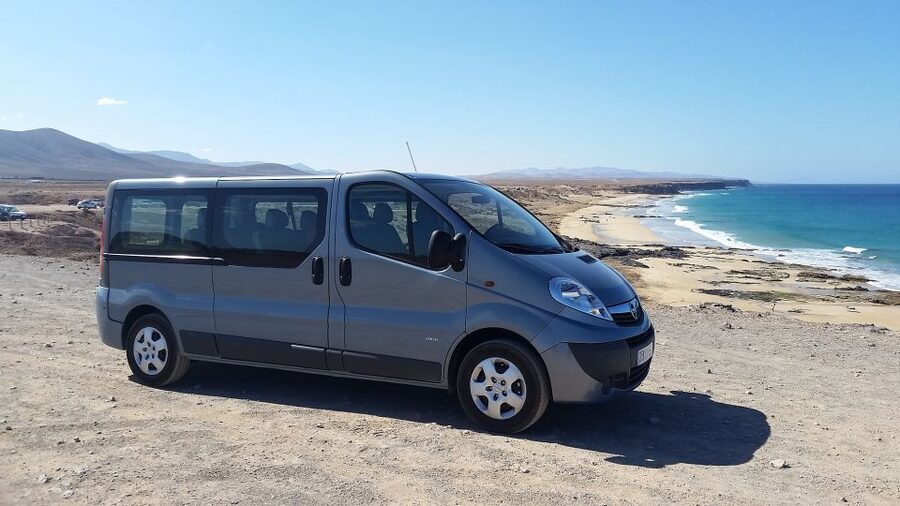
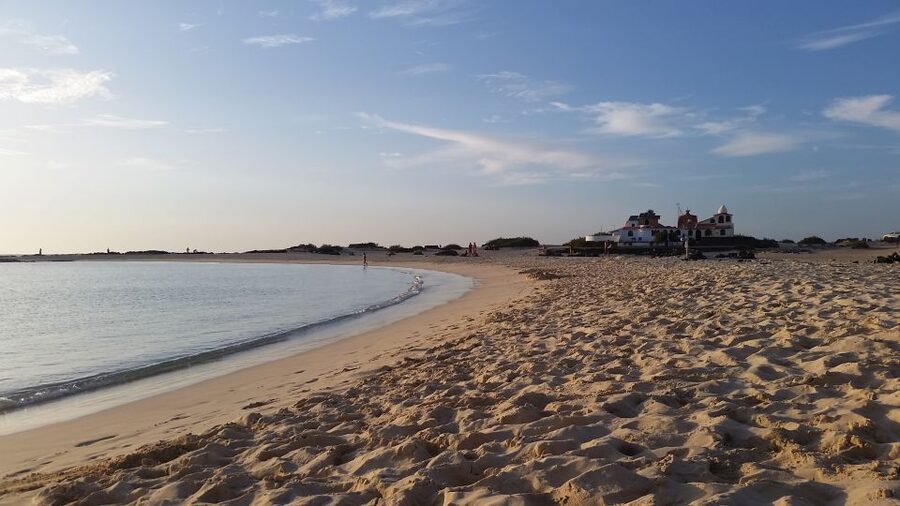
El Cotillo changes the rhythm of the tour. After volcanic ground, dunes, and ravines, you reach a coastal village known for its beaches and lagoons.
This stop gives you a chance to relax rather than keep walking continuously. You can visit a local bar or restaurant downtown, though food and drinks are not included in the tour price. If you want to eat here, bring payment and keep in mind that the time available is part of a group schedule.
El Cotillo is a useful stop for people who want more than scenery from a vehicle. You get a look at a northern coastal town and some of the island’s most appealing beach areas. The lagoons add another coastal view, with calm natural pools contrasting with the more exposed ocean beside the lighthouse.
Do not expect a long beach day. This is one part of a route that also includes the volcano and canyon. If your main goal is swimming or spending hours on the sand, you would be better off visiting El Cotillo separately. If you want a taste of the village while covering more of northern Fuerteventura, the stop works well.
Ending beside the Tostón Lighthouse
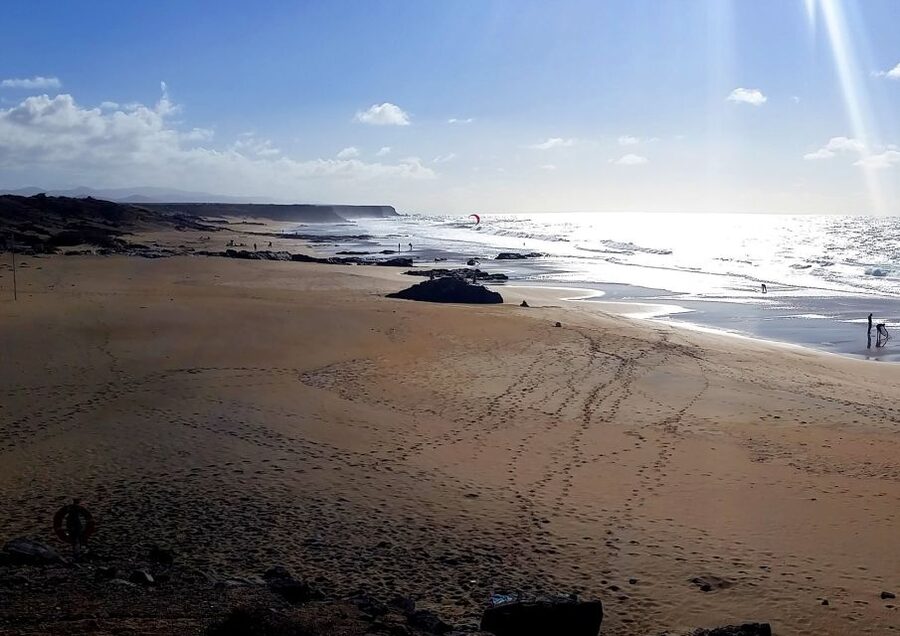
The final sightseeing section takes you around the Tostón Lighthouse. Here, the focus turns fully to the ocean.
The lighthouse gives the coastal stop a clear landmark, while the nearby natural lakes add interest to the shoreline. You can look out over the water, take photos, and enjoy the contrast between the exposed coast and the calmer lagoons.
Ending near the sea is a smart choice after the inland walking sections. The day does not finish with another climb or a rushed transfer. Instead, it closes with open views and a more relaxed pace before the drive back to your hotel.
The lighthouse is not presented as a museum visit, and museum admission is not included. Think of this as an outdoor coastal stop, not a formal indoor attraction. That distinction helps set the right expectation.
You should also remember that the tour covers several sites in a limited time. You will see the lighthouse, coast, and natural lakes, but you may not have the freedom to wander for as long as you would on an independent visit.
How the small group changes the day
Eight people maximum is a meaningful feature, not just a marketing number. A small group generally makes pickup, walking, and questions easier to manage. It also gives the guide more opportunity to adjust explanations to the people in front of them.
The experience is offered in English, French, Italian, and Spanish. That range is useful if you want to ask questions in one of those languages or prefer a guide who can explain the geology clearly in a language you understand well.
The strongest personal detail attached to the guiding is the praise for Pepe and Maura. Pepe is described as professional, humorous, and good at explaining what you are seeing. Maura is described as passionate, competent, and pleasant. Those qualities matter on a walking tour because a dry explanation can make even an impressive crater feel like a school assignment.
The guide is also identified as an expert in Canary Islands geology. That does not turn the tour into a university lecture. Instead, it gives the route a useful thread: volcanic activity, old dunes, erosion, coastline, and the way these features fit together.
Who should book this tour
I would recommend this outing to you if you want to see northern Fuerteventura beyond its beaches but do not want a difficult hike. It suits adults and older children who can manage an easy outdoor walk, especially people interested in geology, photography, or wide coastal views.
It is also a good choice if you are staying in Corralejo, Lajares, La Oliva, Villaverde, or El Cotillo. Included pickup saves you from arranging transport between several scattered sites, and the route brings together places that are not all next to one another.
The tour may be less suitable if you want a completely private day, a long swim, or a slow visit to one village. The group has a fixed schedule, and the route covers a lot. You should also skip it if uneven outdoor paths are difficult for you, since the activity is not suitable for people with mobility impairments.
Children under eight cannot join. For older children, the easy level may be manageable, but the volcano, dunes, and ravines still require attention and suitable footwear.
What to bring for a comfortable walk
Keep your packing simple, but get the basics right:
- Comfortable closed shoes with a secure sole
- Water for the walking sections
- Sunscreen and a sun hat
- A camera or phone for the crater and coastal views
- Money for food or drinks in El Cotillo
Food and drinks are not included, so do not rely on finding refreshments at every stop. The most useful item is water, especially during the exposed volcano and dune sections.
Wear clothing that works for both walking and coastal viewing. You may begin inland and finish beside the ocean, so a light extra layer could be useful if conditions feel cooler near the shore. The supplied information does not specify a dress code or equipment rental, so arrive ready to walk without depending on special gear.
Booking flexibility and practical details
The experience costs $47 per person and lasts 5.5 hours. That price includes hotel pickup and drop-off and a live geological guide, which makes it a fair option if you would otherwise need to arrange transport to several parts of northern Fuerteventura.
Pickup is in front of your hotel or private apartment between 9:00 and 9:30. The service covers Corralejo, Lajares, La Oliva, Villaverde, and El Cotillo. If you are staying outside those areas, the provided information does not confirm pickup there.
You can cancel up to 24 hours in advance for a full refund. You can also reserve now and pay later, which helps if you are still arranging the rest of your island plans.
Starting times should be checked when booking. The stated return window is between 2:30 and 3:00, but the precise schedule can depend on the selected start time and pickup route.
Should you book this northern Fuerteventura hike?
Book it if you want a well-packed morning that combines a volcano, old dunes, eroded canyons, a coastal village, lagoons, and a lighthouse. The easy walking level and small group make it more approachable than a serious trekking day, while the geological guide gives the scenery context.
The best reasons to choose it are the crater views toward Lanzarote, the unusual fossilized dunes, and the chance to see El Cotillo without arranging several separate trips. Guides such as Pepe and Maura also appear to bring the warmth and humor that can make a half-day outing feel personal.
Skip it if you want a private itinerary, a long beach stay, or a completely effortless sightseeing trip. Otherwise, $47 is a sensible price for a guided look at the north of Fuerteventura, especially when hotel transport is included.
FAQ
How long does the Fuerteventura trekking tour last?
The tour lasts 5.5 hours. Pickup is scheduled between 9:00 and 9:30, and return is scheduled between 2:30 and 3:00.
Where does hotel pickup operate?
Pickup is included from hotels or private apartments in Corralejo, Lajares, La Oliva, Villaverde, and El Cotillo.
How much does the tour cost?
The price is $47 per person.
Is the hike difficult?
The trekking is described as easy, and the volcano walk follows an easy and comfortable path.
What should I bring?
Bring comfortable shoes, a sun hat, a camera, water, and sunscreen.
Is food included?
No. Food and drinks are not included. You can visit a local bar or restaurant in El Cotillo, but you will need to pay separately.
Which languages are available?
The live guide service is available in English, French, Italian, and Spanish.
Can children join the tour?
Children under eight cannot join the activity.
Is hotel transportation included?
Yes. Hotel pickup and drop-off are included for the listed northern Fuerteventura areas.
Latest treks added in Spain
- Rent a Trekking bike: Full Day 24 hours★ 5.0 · 34 reviews
- Trekking Torrent de Pareis★ 5.0 · 15 reviews
- Timanfaya National Park Trekking with a Typical Canarian Snack★ 4.5 · 13 reviews
- North Volcano Trekking Tour★ 5.0 · 15 reviews
- Hiking and Trekking Barcelona★ 5.0 · 5 reviews
- Mallorca: Torrent de Pareis trekking Adventure★ 5.0 · 3 reviews
- La Palma: Guided e-bike tour (trekking)★ 5.0 · 6 reviews
- Alicante: Via Ferrata del Ponoig Guided Trek and Climb★ 4.9 · 8 reviews
Spain Trekking Tours, compared.
Lanzarote: Timanfaya Natural Park Trekking Tour
Read our review →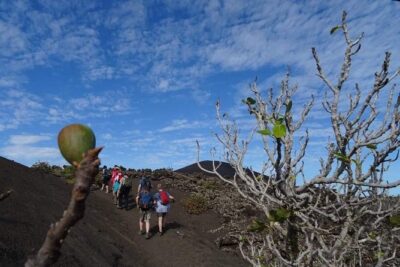
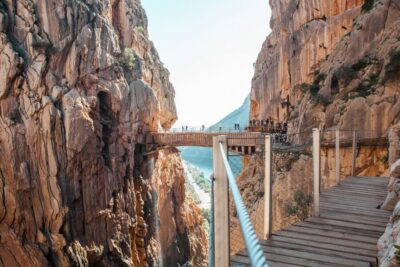
Caminito del Rey: Trekking Tour with Hiking Guide
Read our review →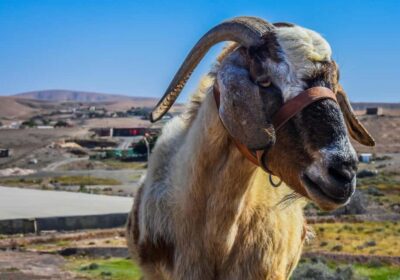
Fuerteventura: Guided Trekking Tour with Island Goats
Read our review →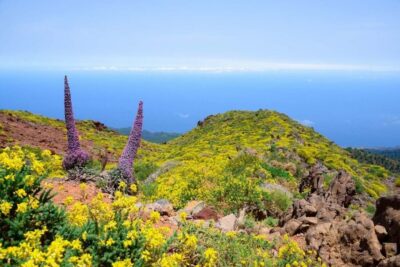
La Palma: Guided Trekking Tour to El Roque de los Muchachos
Read our review →
Trekking in the Volcanoes Natural Park in a small group
Read our review →Browse the lists this tour appears in