
REVIEW · SPAIN
Alicante: Via Ferrata del Ponoig Guided Trek and Climb
The Via Ferrata del Ponoig takes you straight up a rock face using metal staples and a fixed safety cable. It is not a gentle mountain walk. You climb steep, exposed sections above the Valley of Guadalest, with the Mediterranean coast and the Sierras de Aixortá and Bernia opening up around you.
I like the small groups of up to 10 and the proper safety equipment included in the $65 price. I also like the patient guiding. Osmar has been praised for clear instructions, while Frank helped one group feel secure without slowing the day down. The main caution is simple: this is a physically demanding K4 route, so vertigo, limited mobility, pregnancy, and a dislike of heights are good reasons to skip it.
Key points at a glance
- K4 climbing route: Expect a serious, nearly vertical ascent rather than a casual hike.
- Practice before the climb: Your guide teaches basic wall-climbing skills before you head upward.
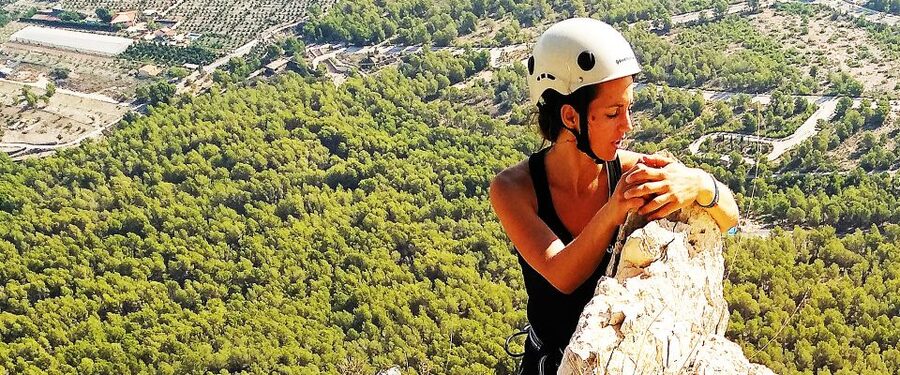
- Views above Guadalest: The route looks across the Valley of Guadalest, the Sierras de Aixortá and Bernia, and the Mediterranean.
- Safety gear included: You receive a harness, helmet, and Ferrata kit, with a fixed cable for protection.
- Five-hour outing: The main guided activity takes about four hours, with time included for gearing up and instruction.
- Bring the basics: Hiking shoes, water, suncream, and weather-appropriate clothing matter. Shoes are not supplied.
Starting at Parking Vía Ferrata Ponoig
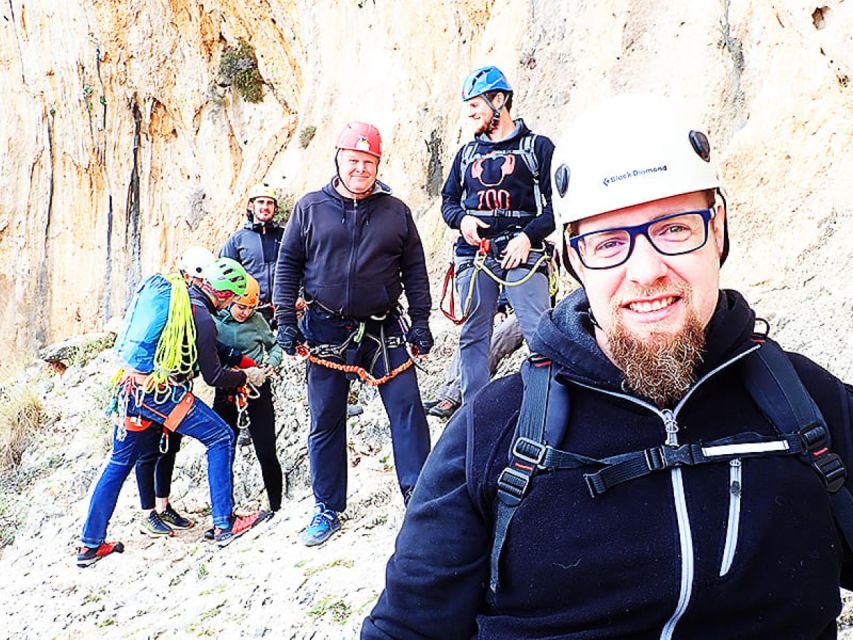
Your day begins at Parking Vía Ferrata Ponoig, where you meet the guide holding a visible sign. This is a practical meeting point because the activity starts at the base of the route, so you do not spend half the booking being driven somewhere else.
The experience lasts about five hours, with roughly four hours set aside for the guided climb and safety work. Starting times vary, so check availability before booking. The provider offers the activity in English and Spanish, which is useful if you want technical instructions in a language you understand well.
The group limit is 10 people. That is small enough for the guide to watch individual progress, although the pace still needs to suit the group as a whole. If you are a complete beginner, tell the guide early that you need extra explanation. Clear communication matters more here than speed.
Bring water before you arrive. Food and drinks are not included, and there is no promise of a meal stop during the climb. A small rucksack is sensible, as one participant specifically advised bringing plenty of water, suncream, and a few sweets such as Haribo.
More guided trips in Spain
- La Palma: Tajogaite Volcano Guided Trek
★ 4.8 · 1,810 reviews - Caminito del Rey: Trekking Tour with Hiking Guide
★ 4.1 · 295 reviews - Fuerteventura: Guided Trekking Tour with Island Goats
★ 4.9 · 146 reviews
Learning the ropes before the rock face
Before the climb begins, you put on the supplied harness, helmet, and Ferrata kit. Your guide then explains the basics of wall climbing and lets you practice on a rock wall before the main ascent.
This training is one of the best parts of the setup. A via ferrata uses a different rhythm from ordinary hiking. You need to place your feet on small metal steps, use your legs rather than hauling yourself up with your arms, and move your safety connections along the cable correctly.
The practice session gives you a chance to understand the equipment while still on manageable ground. If you are nervous, this is the moment to ask questions. Guides such as Osmar have been praised for explaining instructions clearly and patiently, and that approach is exactly what a first-time climber needs.
Do not mistake the practice for a guarantee that the route will feel easy. The climb remains steep, exposed, and physically active. The point is to make the technique familiar before the rock becomes nearly vertical.
Climbing the K4 section of Ponoig
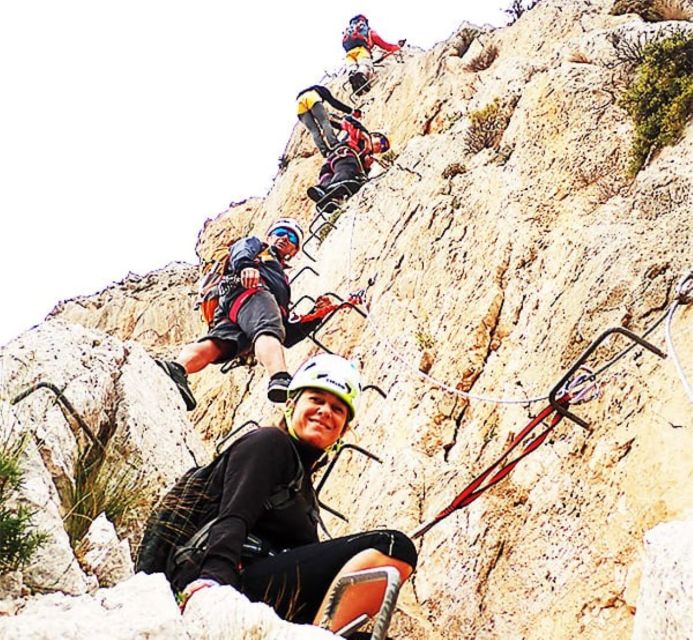
The route is graded K4, which signals a demanding via ferrata with steep and aerial sections. You climb upward on thick metal staples fixed into the rock, while a newer security cable gives you a protected connection to the route.
The staples act as built-in footholds and handholds. You work your way from one to the next, clipping and moving your equipment as the cable continues up the cliff. This is a hands-on climb, not a trail with occasional scrambling.
Expect your legs and arms to work hard. Good foot placement will save energy, while rushing can leave you tired early. The guide controls the group’s progress and helps you manage the route, but you still need enough strength and confidence to climb under your own power.
The exposed sections are the reason many people book this activity, and also the reason some should not. You will be looking down and out across open space. If you have vertigo, this is not the place to test your limits. The activity is also unsuitable for children under 18, pregnant women, and people with mobility impairments.
A K4 rating should be taken seriously even if you have done a via ferrata before. One participant compared Ponoig favorably with the via ferrata at Honister in England’s Lake District, but experience on one route does not remove the need for care on another.
The reward: Guadalest, Bernia, and the Mediterranean
The views improve as you gain height. From the route, you look over the Valley of Guadalest, across the Sierras de Aixortá and Bernia, and toward the Mediterranean coast.
The setting gives the climb a strong sense of place. You are not simply completing a sequence of metal steps. You are moving above a broad Spanish mountain valley, with the coast visible from an unusual height. The changing view helps break up the effort, though you may need to pause safely rather than turn around carelessly for photographs.
The route is particularly good for people who want an active way to see Alicante’s mountain country. A viewpoint reached by vehicle or an easy walk gives you a different experience. Here, the scenery arrives as a reward for physical work, and the height becomes part of the story.
Photos are included, which is a useful touch. Still, keep your attention on your footing and the safety cable. The guide can help with photographs when conditions allow, but this is not a photography tour, and your hands may be busy for much of the climb.
More Trekking Tours in Spain
- Lanzarote: Timanfaya Natural Park Trekking Tour
★ 4.8 · 766 reviews - Volcano Trekking Tour (Timanfaya eruptions)
★ 5.0 · 339 reviews - La Palma: Guided Trekking Tour to El Roque de los Muchachos
★ 4.6 · 104 reviews - Caminito del Rey Trekking Walkway
★ 4.0 · 100 reviews
Why the guide matters on this route
A guide adds real value on a technical route. Your guide explains the equipment, demonstrates the climbing basics, monitors the group, and helps you judge when to pause or adjust your method.
The strongest feedback focuses on professional, reassuring instruction. Osmar is praised for being patient and explaining everything clearly. Frank is described as friendly, well prepared, and able to use English effectively. Those details matter because the quality of instruction can shape the whole day, especially when you are high on a rock face.
The activity is offered in Spanish and English. If you have a technical question, use the practice session to make sure you understand the instructions before climbing. A language match is particularly important for safety procedures, not just conversation.
The guide also helps with pacing. One participant valued the way the guide adapted to the group’s speed. That is reassuring for beginners, but do not expect a private lesson at this price. With up to 10 people, the guide must balance different strengths and comfort levels.
What the $65 price includes
At $65 per person, the price is reasonable for a five-hour guided climbing activity, especially because the climbing guide, safety equipment, and photos are included. You are not paying only for access to a route. You are paying for instruction, supervision, and the equipment needed to use the fixed cable safely.
You still need to provide your own hiking shoes, water, clothing, and food. Shoes are specifically not included, so arrive in proper hiking footwear with a secure grip. Avoid treating this as a day for casual sneakers unless the provider confirms they are suitable.
The value is strongest if you are new to via ferrata or do not own a harness, helmet, and Ferrata kit. Buying or transporting that equipment for one activity would make a guided package more appealing. Experienced climbers may place less value on the instruction, but the guide and included gear still make the outing straightforward.
There is also a useful booking safeguard. You can cancel up to 24 hours in advance for a full refund, and you can reserve now without paying immediately. Weather or personal plans can change, so those terms reduce some of the risk of booking ahead.
Who should book this adventure
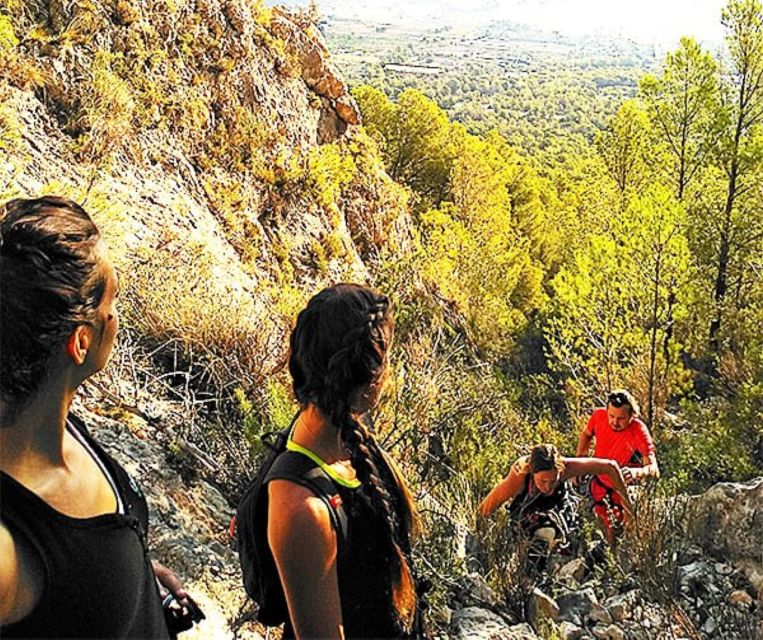
I would recommend Ponoig to a fit adult who wants a real climbing challenge rather than a relaxed walk. It suits you if you enjoy heights, can handle sustained physical effort, and like the idea of earning your views one metal step at a time.
It is also a good first guided via ferrata for someone who wants instruction before committing to the route. The practice session, safety equipment, and small group provide a sensible introduction, though the K4 grade means this is not the easiest possible starting point.
You should think twice if you are uncertain around exposure. The activity involves a nearly vertical climb and significant physical effort. Vertigo is listed as a reason not to participate, and that advice should be taken literally.
This is not suitable for children under 18, pregnant women, or people with mobility impairments. The provider does not include shoes, food, or drinks, so you must arrive ready for an active half-day outdoors.
A practical plan for the day
Wear hiking shoes and weather-appropriate clothing. Bring plenty of water, suncream, and a small rucksack with a snack if you need one. The supplied helmet and harness cover the specialist safety equipment, but they do not replace sensible clothing and footwear.
Arrive ready to begin at the meeting point. Your guide will be holding a visible sign at Parking Vía Ferrata Ponoig. Since the activity begins there, double-check the meeting details and allow enough time to find the parking area without rushing.
Use the briefing well. Ask how the clipping system works, how the group will move along the cable, and what to do if you need a pause. Once the climb begins, conserve your energy and let your legs do as much of the work as possible.
Keep your expectations realistic about the schedule. Five hours is enough time for equipment, instruction, climbing, and the return to the parking area, but it is not a quick photo stop. The day is built around the ascent.
Should you book Via Ferrata del Ponoig?
Book it if you want a guided, high-adrenaline view of Alicante’s mountains and coast, and you are comfortable with a K4 climb. The combination of included gear, English or Spanish guidance, a small group, and a $65 price makes it a strong choice for a prepared adult.
Skip it if you dislike heights, need an easy walking route, or lack suitable footwear and water. Ponoig rewards confidence and steady effort, not casual sightseeing. For the right person, the climb above Guadalest and the Mediterranean is the kind of view you remember because you worked for it.
FAQ
Where does the Via Ferrata del Ponoig activity begin?
You meet the guide at Parking Vía Ferrata Ponoig. The guide will be holding a visible sign.
How long does the experience last?
The activity lasts five hours. The guided tour and safety briefing take about four hours, with the experience beginning and ending at the parking area.
What grade is the via ferrata?
Via Ferrata del Ponoig is categorized as K4, with steep, aerial, and nearly vertical sections.
What safety equipment is included?
The activity includes a harness, helmet, and Ferrata kit. A security cable runs along the route.
Are climbing shoes provided?
No. Shoes are not included. You should bring hiking shoes.
What else should I bring?
Bring water, hiking shoes, and clothing suited to the weather. Suncream and a small rucksack are also useful for this active outing.
Is the activity available in English?
Yes. The live guide service is available in English and Spanish.
Can I cancel for a refund?
You can cancel up to 24 hours in advance for a full refund.
Who should not participate?
The activity is not suitable for pregnant women, people with mobility impairments, people with vertigo, or children under 18.
Latest treks added in Spain
- Rent a Trekking bike: Full Day 24 hours★ 5.0 · 34 reviews
- Trekking Torrent de Pareis★ 5.0 · 15 reviews
- Timanfaya National Park Trekking with a Typical Canarian Snack★ 4.5 · 13 reviews
- North Volcano Trekking Tour★ 5.0 · 15 reviews
- Hiking and Trekking Barcelona★ 5.0 · 5 reviews
- Mallorca: Torrent de Pareis trekking Adventure★ 5.0 · 3 reviews
- La Palma: Guided e-bike tour (trekking)★ 5.0 · 6 reviews
- Fuerteventura: Trekking Tour Through the North of the Island★ 4.8 · 43 reviews
Spain Trekking Tours, compared.
Lanzarote: Timanfaya Natural Park Trekking Tour
Read our review →
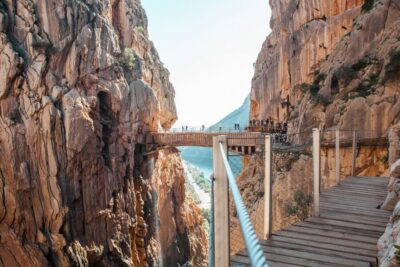
Caminito del Rey: Trekking Tour with Hiking Guide
Read our review →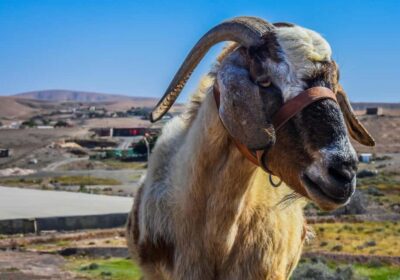
Fuerteventura: Guided Trekking Tour with Island Goats
Read our review →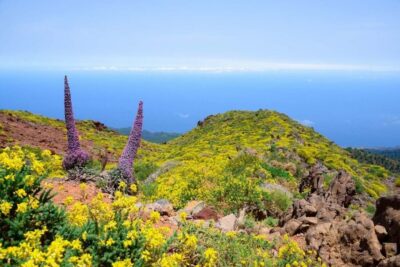
La Palma: Guided Trekking Tour to El Roque de los Muchachos
Read our review →
Trekking in the Volcanoes Natural Park in a small group
Read our review →Browse the lists this tour appears in