
REVIEW · HANOI
From Hanoi: 2 Day Sapa Trekking To Village & Bungalow, Meals
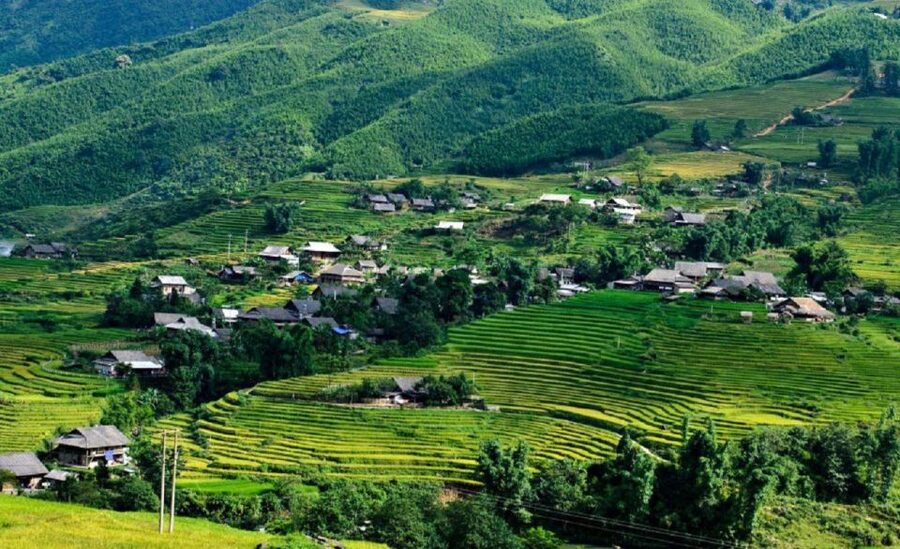
Sapa’s best moments come on foot, and this trip puts you right among rice terraces, mountain streams, and ethnic villages rather than keeping you in town. You walk from Y Linh Ho through Lao Chai to Ta Van, sleep in a local homestay, then continue to Giang Ta Chai and its bamboo forest.
I like the two-day pace, which gives you enough time to see the Muong Hoa Valley without rushing straight back to Hanoi. I also like the homestay, local meals, and chance to meet Dzay and Red Dzao people in their own villages. The main caution is practical: the trek is fairly demanding, and one booking experience involved confusion over whether Hanoi to Sapa bus tickets were included, so confirm this before departure.
Key points to know before booking
- Nine-kilometer first-day trek: The route from Y Linh Ho through Lao Chai to Ta Van takes about 3.5 hours.
- Simple Ta Van homestay: You spend one night with a Dzay family in a bungalow-style homestay.
- Red Dzao village on day two: A shorter 4-kilometer walk leads through bamboo forest to Giang Ta Chai.
- Long bus journey: You leave Hanoi around 6:00 to 6:30 in the morning and reach the city again around 21:30 the next day.
- Good value at $87: The price covers accommodation, three listed meals, guiding, admission fees, water, and advertised bus transport, but confirm the bus arrangement in writing.
- Fitness matters: Uneven paths, rice terraces, changing weather, and two days of walking call for proper hiking shoes and sensible clothing.
Why this Sapa trip works better than a quick day visit
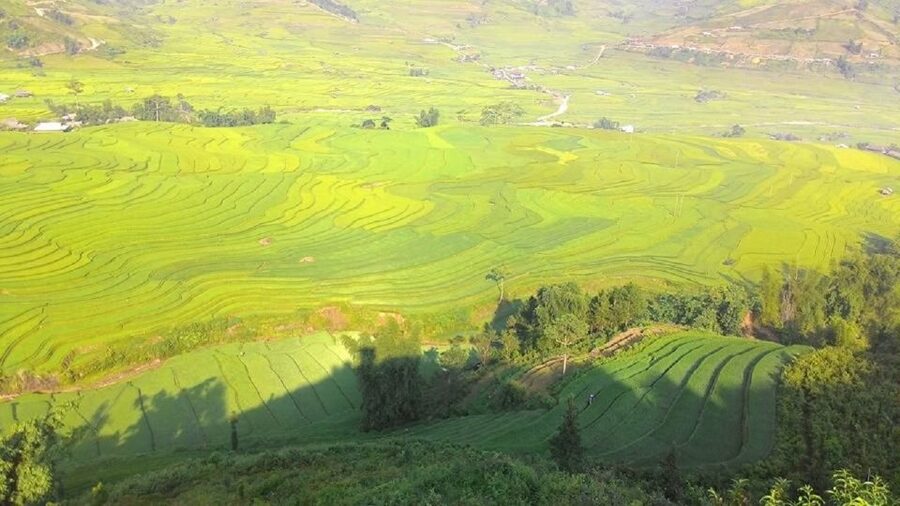
Sapa is about 315 kilometers northwest of Hanoi, and the road journey takes a large part of your first and last days. That sounds like a drawback, but the overnight format makes more sense than a rushed day trip. You get one full afternoon of walking, an evening in Ta Van, and a second morning on the trails.
At $87 per person, the package is priced for convenience rather than luxury. You receive a professional English-speaking guide, one night of accommodation, one breakfast, two lunches, one dinner, admission fees, mineral water, and advertised transportation from Hanoi and back. That is a useful bundle for anyone who does not want to arrange the bus, village walks, meals, and lodging separately.
The important word is simple. This is not a polished resort stay. The accommodation is a local homestay in Ta Van, described as a bungalow, with check-in around 13:30 and check-out at 10:00. You should choose it for its village setting and cultural contact, not for hotel-style comfort.
More two-day treks in Hanoi
- Hanoi – Sapa 2 Days 1 Night Overnight At Homestay
★ 5.0 · 899 reviews - From Hanoi: 2-Day Sapa Trekking Trip with Homestay & Meals
★ 4.8 · 704 reviews - 2-Day Sa Pa Ethnic Homestay Tour & Trek with Limousine Bus
★ 4.8 · 440 reviews
The early bus from Hanoi to Sapa
Pickup runs from about 6:00 to 6:30 in Hanoi’s Old Quarter. If your hotel is outside that area, you need to be ready at Hanoi Opera House at 6:00. This is an early start, so arrange breakfast beforehand or bring something small for the road.
The bus follows the highway toward Lao Cai, with a first rest stop around 9:30 and another around 11:00. You reach Sapa at about 13:30, then have lunch at a local restaurant before beginning the trek.
The schedule gives you a useful picture of the day. You are not hiking from dawn until dusk, but the bus ride takes several hours. If you dislike long road journeys, this tour may feel tiring before the walking even begins. If you want a straightforward way to connect Hanoi with Sapa, the bus keeps the planning easy.
One point deserves special attention. The trip information says modern bus pickup and return transportation are included, but a booking experience reported being told that the Hanoi to Sapa and return bus tickets required extra cash payment. Do not leave this unclear. Ask exactly what the $87 covers, and ask if any bus ticket, station fee, or transfer is payable in cash.
Y Linh Ho and the terraces above Muong Hoa
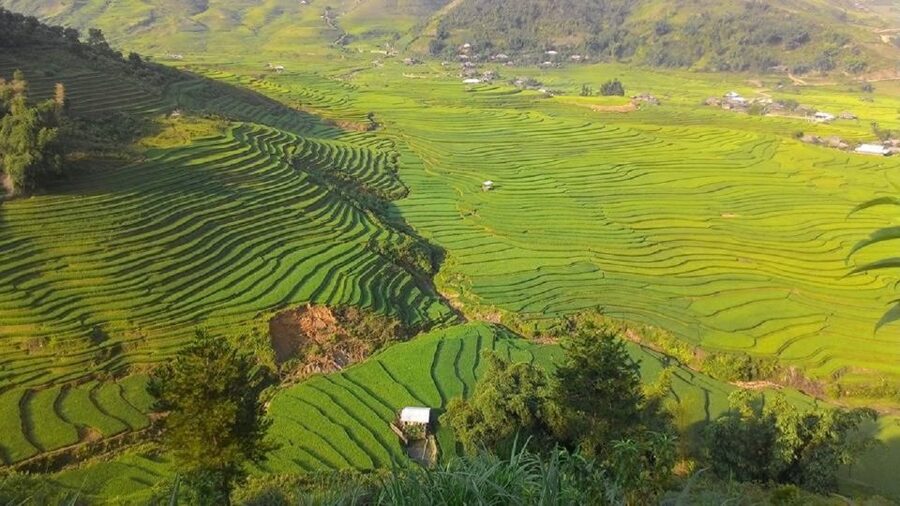
After lunch, you start the main walk at about 14:30. The route passes through Y Linh Ho, continues across rice terraces, and follows the Muong Hoa Stream toward Lao Chai. The total distance is about 9 kilometers, taking around 3.5 hours.
This is the heart of the trip. The terraces climb and fold across the hills, while the Hoang Lien Son mountain range provides the larger setting. The walk is valuable because you see the countryside at ground level. You are not simply stopping at a viewpoint, taking a picture, and leaving. You follow village paths and pass through farmland on the way to Ta Van.
Conditions can change with the season. From October through March, bring warm clothes, a scarf, and a hat. Sapa can be foggy from December to March, which may soften or limit the mountain views. That is not necessarily a wasted day, but you should not book this route expecting clear blue skies in winter.
Proper hiking shoes matter. The route includes rice terrace paths and village trails, and the information specifically recommends trekking shoes, sun cream, sunglasses, insect repellent, and a sun hat. Take medicine you may need with you, since the tour does not promise access to a particular pharmacy or medical service along the route.
Lao Chai and the Black Hmong villages
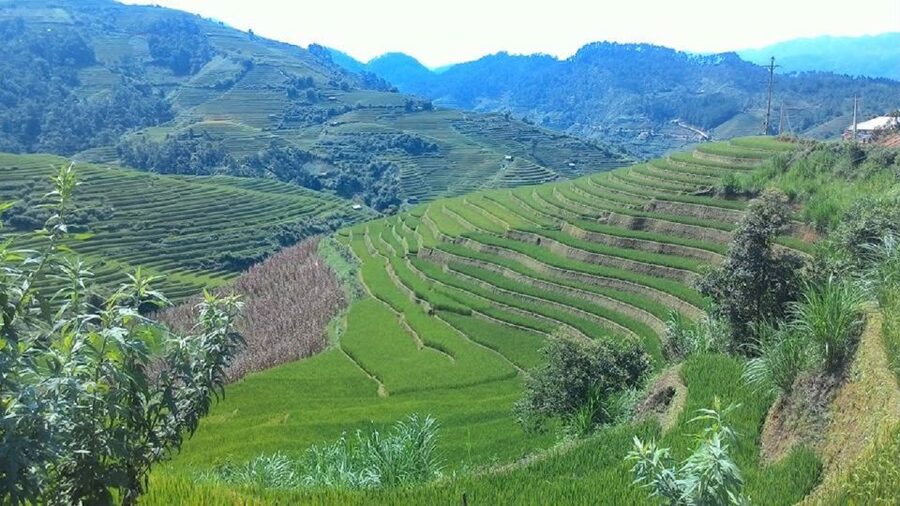
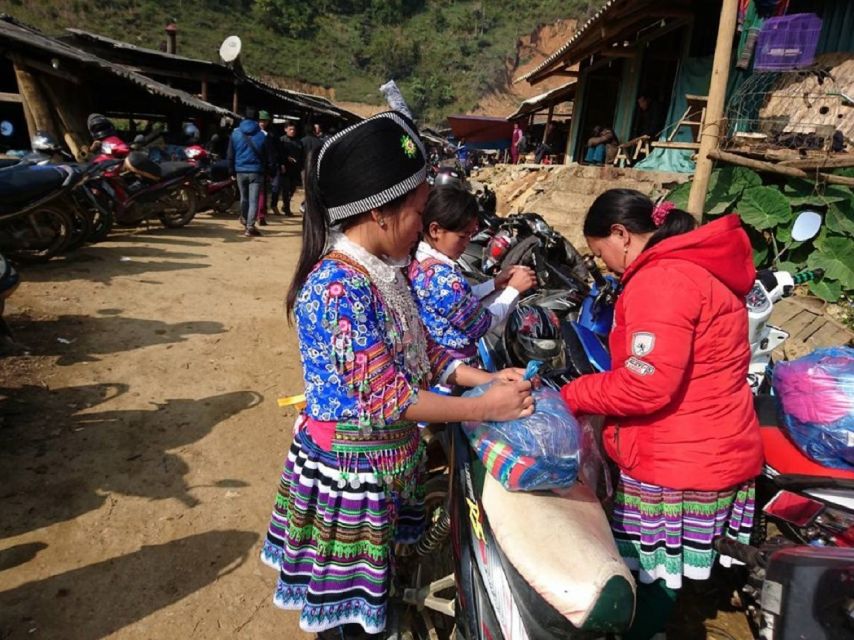
Lao Chai is associated with the Black Hmong community, and the walk gives you a closer look at village life in the Muong Hoa Valley. The tour is built around contact with ethnic communities, not just mountain views.
You may also encounter local women selling handmade goods during the trek. One booking experience described repeated approaches to buy items and found it difficult to get a clear no accepted. This is worth preparing for. Be polite, decide in advance what you want to spend, and do not feel obliged to buy simply because someone walks with you for part of the route.
That commercial side can affect the mood of an otherwise peaceful walk. At the same time, village sales are part of the local tourist economy, and you should expect some interaction rather than an untouched wilderness walk. If you prefer complete solitude, this may not be the right Sapa outing.
More Trekking Tours in Hanoi
- Sapa 3 Days 2 Nights Trekking Tour (1 Night In Ta Van Village, 1 Night In Hotel)
★ 5.0 · 699 reviews - 3-Day Trekking Adventure of Sapa from Hanoi – Stay Ta Van Village
★ 5.0 · 611 reviews - Hanoi – Sapa 3 Day 2 Night Trekking With Hotel & Homestay
★ 5.0 · 389 reviews - From Hanoi: 2-Day Sapa Trek Tour – Luxury Limousine Transfer
★ 4.1 · 249 reviews
Ta Van homestay and an evening with the Dzay

You reach Ta Van in the late afternoon, with check-in planned around 17:45. The village is home to Dzay people, and the overnight stay is the part of the trip that gives the schedule its cultural value.
You can spend time with the host family, watch the mountain light change, and possibly help prepare local dishes. Dinner is included, as is breakfast the next morning. The evening may also include time at a nearby local bar with music and other tourists, but that is optional rather than a central part of the program.
Think of the bungalow as practical village lodging. You have a place to sleep and a shower after the first trek, but the experience is not aimed at people seeking a private, high-comfort room. The attraction is the setting and the chance to spend the night in Ta Van instead of returning to a city hotel.
The homestay also breaks up the long bus schedule. After several hours on the road and a 9-kilometer walk, you do not have to board another bus that evening. You can eat, rest, and begin the next day close to the trail.
Giang Ta Chai and the Red Dzao
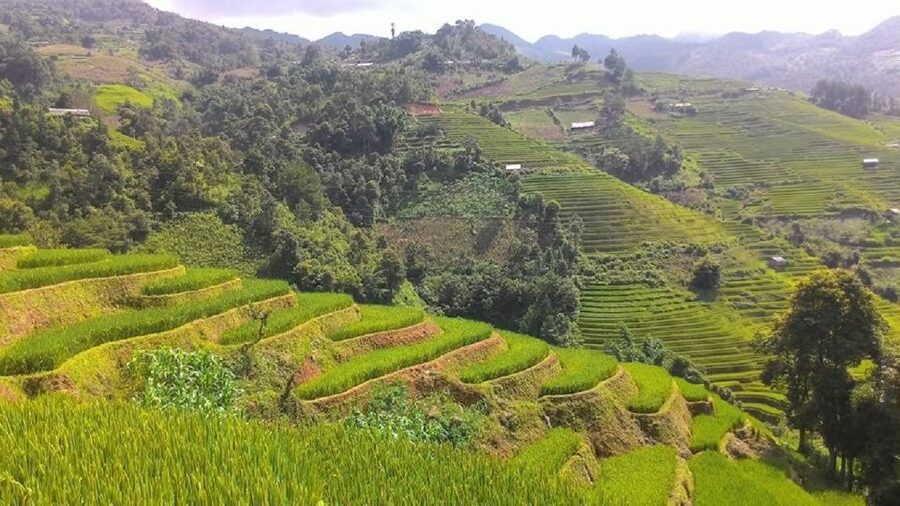
Breakfast is served by the family at about 8:00. The second trek begins around 8:45 and covers roughly 4 kilometers in about two hours.
This walk leads past rice paddies and into a bamboo forest, with a viewpoint toward Giang Ta Chai. The village is associated with the Red Dzao, a group known for distinctive traditional clothing and customs. The route gives you another cultural setting after your time with the Dzay in Ta Van.
The second morning is shorter than the first, which is a sensible design. You still see more scenery and villages, but you are not facing another long trek before the trip back to Hanoi. A stop at the Giang Ta Chai Bridge leads you toward the main road around 11:00.
Expect opportunities for photographs, especially around the rice fields and the view over Giang Ta Chai. Still, weather controls much of what you see. Fog is possible in the colder months, and wet conditions can make paths less comfortable. Pack clothing that works for changing conditions rather than relying on one warm or one cool outfit.
Lunch, a short Sapa break, and the ride home
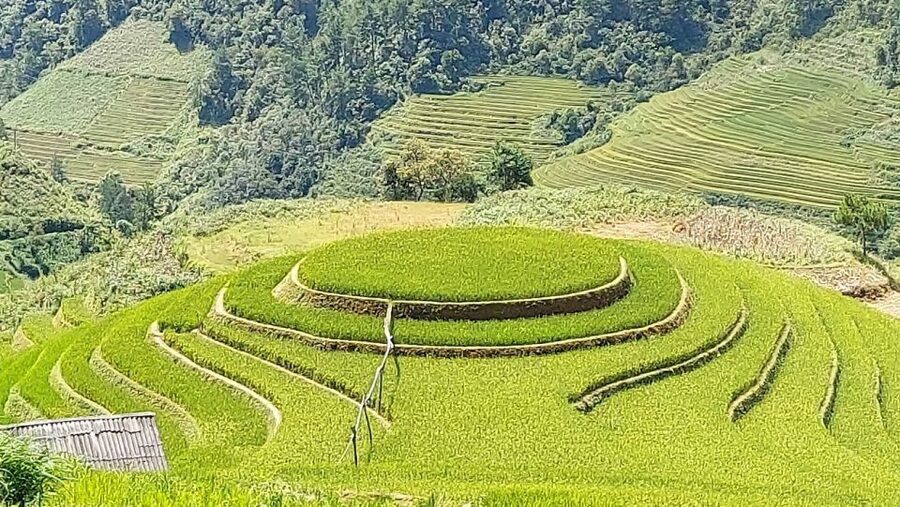
After the morning walk, you return to the bungalow to shower and prepare for lunch. Lunch runs from about 12:30 to 13:30, and transport then takes you toward the bus station.
You have free time in Sapa from roughly 14:00 to 15:00. You can walk around town or shop before meeting the group at the bus station between 15:00 and 15:30. The bus makes two rest stops and is due back in Hanoi around 21:30 to 21:45.
The timing is useful but tight. You get a brief look at Sapa town, not a full afternoon for sightseeing. When you arrive in Hanoi, you return to your hotel independently, so plan for your own final connection after the bus drops you off.
The late arrival is the biggest logistical cost of this short tour. You save the expense and planning of an extra night in Sapa, but you give up much of the final evening in Hanoi. If you have a flight or another fixed booking the next morning, leave plenty of room for delays.
Meals, water, and what the $87 really covers

The included food is one breakfast, two lunches, and one dinner. That covers the main meals during the organized portion of the trip, but drinks and any other meals are extra.
Mineral water is included, which is useful on the walks. Bring some Vietnamese dong for drinks, snacks, shopping, and any unexpected local payment. The information warns that the banking system in Sapa can sometimes fail, so relying only on a card is unwise. US dollars, euros, and Australian dollars are also accepted in Sapa, but Vietnamese dong is the most practical cash to carry.
For solo visitors, a $15 single supplement applies. At the base price, this is a strong value if you are happy sharing the normal homestay arrangement and using group transport. The value falls if you need private accommodation, extra drinks, or separate transfers that were not clearly included at booking.
Who should choose this tour

I would choose this trip if you want a compact introduction to Sapa villages and mountain walking without arranging every piece yourself. It suits people who enjoy local lodging, simple meals, changing weather, and a full day on foot.
It is also a good fit if you want to see more than Sapa town. The route covers Y Linh Ho, Lao Chai, Ta Van, and Giang Ta Chai, with contact with Black Hmong, Dzay, and Red Dzao communities.
I would hesitate if you need a gentle walking program. The first trek is about 9 kilometers, and the tour specifically requires a good level of physical fitness. I would also think twice if you want a quiet, private cultural experience with no sales pressure. The route passes through popular village areas, and local sellers may approach you.
Pack your passport or ID card, sunglasses, a sun hat, hiking shoes, sun cream, insect repellent, warm clothing for October through March, and needed medicine. A scarf and extra hat are useful in cooler months. Keep your cash and documents secure during the bus journey and walks.
Should you book the Sapa 2-day tour?
Book it if you want the main Sapa sights in a short, organized trip and you are comfortable with long bus rides, basic homestay lodging, and a demanding first-day walk. The combination of rice terraces, Muong Hoa Stream, village trails, a Dzay homestay, and the Red Dzao community gives you more substance than a quick viewpoint visit.
Before paying, confirm in writing that both Hanoi to Sapa and Sapa to Hanoi bus transportation are included. That one point caused confusion in one booking experience, and it is too important to leave vague. With that detail settled, the $87 price offers a practical way to experience Sapa’s countryside without building the whole trip yourself.
FAQ
How long is the Sapa tour?
The experience lasts two days and one night. You leave Hanoi in the morning of day one and return to Hanoi around 21:30 to 21:45 on day two.
Where does pickup take place in Hanoi?
Pickup is available around Hanoi’s Old Quarter between 6:00 and 6:30. If you stay outside the Old Quarter, you should be ready at Hanoi Opera House at 6:00.
How far do I walk on the first day?
The first-day trek is approximately 9 kilometers and takes about 3.5 hours. It runs from Y Linh Ho through Lao Chai and onward to Ta Van.
How far is the second-day trek?
The second-day walk is approximately 4 kilometers and takes about two hours. It includes rice paddies, a bamboo forest, Giang Ta Chai, and the Giang Ta Chai Bridge.
Where do I sleep?
You spend one night in a local homestay or bungalow in Ta Van village, staying with a Dzay family.
Which meals are included?
The package includes one breakfast, two lunches, and one dinner. Drinks and meals not listed are extra.
Is transportation from Hanoi included?
The tour information lists modern bus pickup from Hanoi and return transportation. However, one booking experience reported confusion about extra cash payment for the bus tickets, so confirm the exact transport inclusions before departure.
What should I bring?
Bring your passport or ID card, hiking shoes, sunglasses, a sun hat, sun cream, insect repellent, suitable clothing, and any medicine you need. Warm clothes, a scarf, and a hat are recommended from October through March.
Can I use a bank card in Sapa?
You should carry Vietnamese dong because the banking system in Sapa may not always work properly. US dollars, euros, and Australian dollars are also accepted in Sapa.
Is the tour suitable for everyone?
The tour requires a good level of physical fitness. It may not suit you if you are not comfortable with a 9-kilometer trek on the first day, uneven village paths, or long bus rides.
Latest treks added in Hanoi
- From Hanoi : Sapa Moutain Trek – Halong bay Heritage★ 4.5 · 25 reviews
- Trekking In Ha Giang 5 Days★ 5.0 · 4 reviews
- Trekking around Ha Giang 5 days 4 nights★ 3.0 · 2 reviews
- 8-Days Hanoi, Sapa Trekking And Halong Bay Cruise★ 5.0 · 8 reviews
- 2-Day Trekking in Sa Pa from Ha Noi by sleeping bus★ 5.0 · 4 reviews
- Hanoi: 3D2N Mu Cang Chai Visit All Attractions, Trek, Ethnic Life★ 5.0 · 3 reviews
- Mai Chau – Pu Luong trekking 3 days 2 nights★ 4.5 · 7 reviews
- Sapa trekking 2days by bus from Hanoi ( over night in homestay)★ 5.0 · 21 reviews
Hanoi Trekking Tours, compared.


Sapa 3 Days 2 Nights Trekking Tour (1 Night In Ta Van Village, 1 Night In Hotel)
Read our review →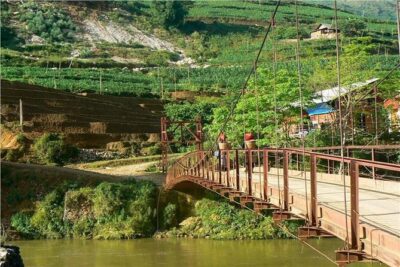
3-Day Trekking Adventure of Sapa from Hanoi – Stay Ta Van Village
Read our review →
2-Day Sa Pa Ethnic Homestay Tour & Trek with Limousine Bus
Read our review →
Sapa 3 Day 2 Night Trekking With Hotel & Homestay
Read our review →
2-Day Sapa Trek Tour – Luxury Limousine Transfer
Read our review →
Sapa 2 Days 1 Night Overnight At Local Homestay
Read our review →Browse the lists this tour appears in