
REVIEW · SAPA
Fansipan Trekking – 1 Day
Fansipan is not a gentle hill walk. It is a full-day mountain push from Tram Ton Pass to Vietnam’s highest peak, with about 1,400 to 1,600 meters of ascent and 24 kilometers on foot if you trek both ways. The forest route, cold summit air, and wide views over Sapa make this a serious but rewarding challenge.
I like two things right away: a local guide such as Cho can set the pace and explain the forest from personal experience, and the package includes transport, a picnic lunch, water, entrance fees, and insurance. The private-group setup also gives you more room to manage breaks than a large shared tour.
The main catch is simple: you need strong legs and a full day of stamina. The return hike can be as tiring as the climb, and wet ground, mist, rain, or cold weather can make the route much harder than the distance suggests.
Key points to know before you book
- 24 kilometers on foot: The trek covers roughly 12 kilometers each way from Tram Ton Pass to Fansipan summit.
- A genuine mountain test: You gain about 1,400 to 1,600 meters in altitude and spend 10 to 12 hours moving through difficult terrain.
- Early Sapa pickup: Transport usually leaves around 5:30 or 6:00 in the morning, giving you the best chance of reaching the summit in daylight.
- Local guiding matters: Guide Cho has climbed the peak several times each week and knows the route well.
- Cable car backup: You can pay separately to descend by cable car if your legs are finished after reaching the summit.
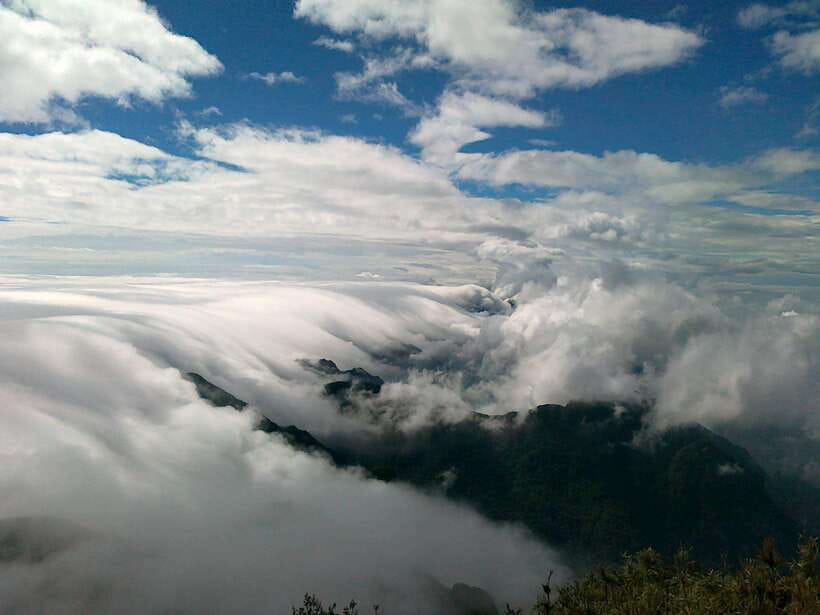
- Weather changes quickly: Cold, mist, sunshine, and rain can arrive in the same day, so proper clothing is essential.
Why this Fansipan trek is different from the easy summit option
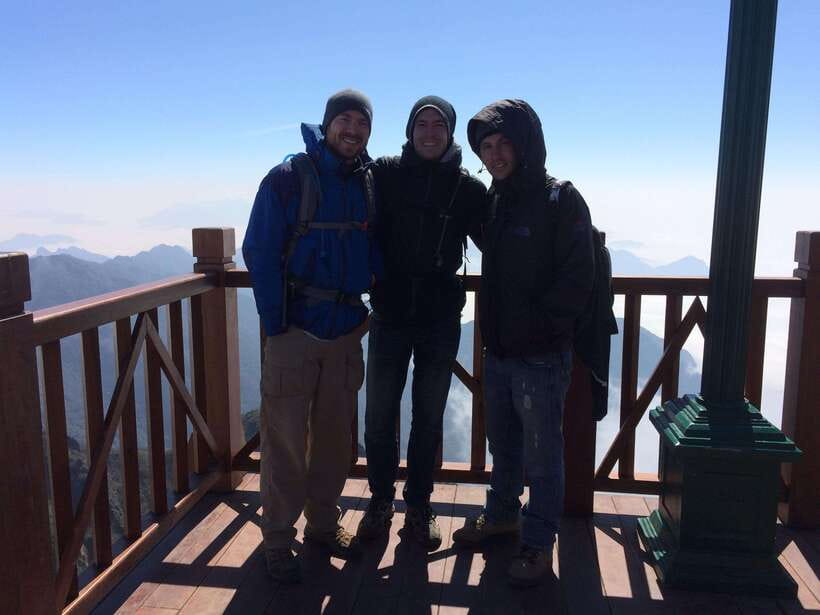
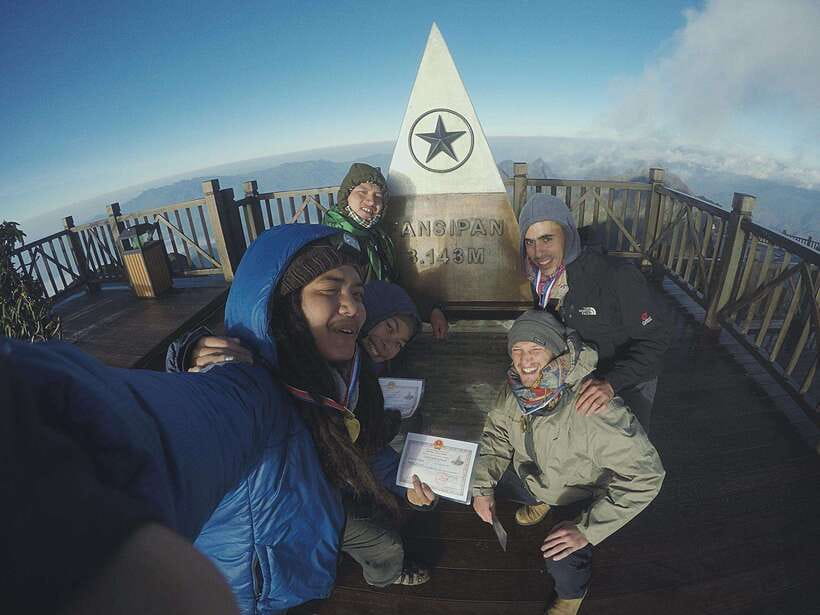
Fansipan rises to 3,143 meters and is the highest mountain in Vietnam and the wider Indochina peninsula. Many visitors reach the summit by cable car, but this route asks you to earn the view step by step from the mountain road at Tram Ton Pass.
That difference matters. You spend hours moving through forest rather than simply arriving at a summit platform. You feel the change in temperature, notice the rising altitude, and get a better sense of the mountain’s scale.
This is not a casual walk with a scenic stop at the top. The route is described as difficult and is intended for strong people. Children under 14, pregnant women, and people over 70 are not considered suitable for the activity. If you exercise regularly and are comfortable with long uphill walks, you may find it manageable. If your idea of hiking is a short stroll between viewpoints, choose the cable car instead.
More Fansipan treks in Sa Pa
- 1 day Fansipan Trekking
★ 5.0 · 180 reviews - 2 Days Fansipan Trekking
★ 5.0 · 84 reviews - 2-Day Fansipan Mountain Trek – Indochina’s Highest Peak
★ 4.3 · 42 reviews
Starting in Sapa before sunrise
Your day begins with pickup from a hotel in central Sapa, generally around 5:30 or 6:00 in the morning. Hotels and homestays in surrounding villages are not included in the standard pickup area, so confirm your accommodation location before booking.
Transport takes you to Tram Ton Pass, about 2,000 meters above sea level. If you are traveling alone, a scooter may be used instead of a car. That is practical, but it also means you should be ready for an early start in cool mountain air.
The early departure is important. You have a long climb ahead, and reaching the summit around noon or early afternoon gives you a better chance of beginning the descent before dark. Your exact timing depends on your pace, rest stops, weather, and the condition of the trail.
The group is private, which is useful here. You are not tied to the speed of a large mixed party. At the same time, a private group does not make the mountain easier. It simply gives the guide more freedom to adapt the day to your pace.
Tram Ton Pass to the forest trail
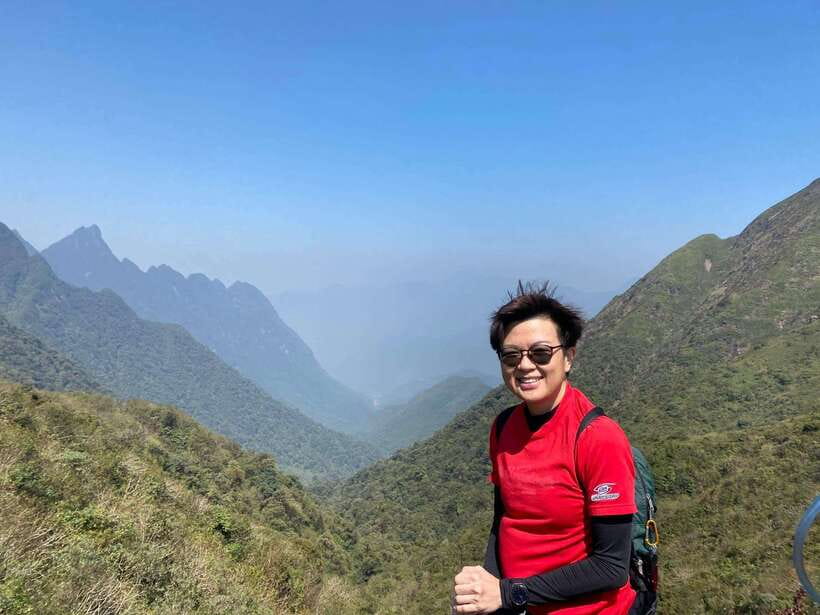
Tram Ton Pass is the practical starting point because the road already sits high on the mountain. From there, you begin the long climb through bamboo, old trees, flowers, and small streams.
This first section gives the day its character. You are not walking through a city park or along a paved summit path. The route passes through natural forest, and the ground can be difficult. Mud, wet rocks, roots, steep sections, and changing weather are all possible based on the conditions described for the mountain.
A good guide makes a real difference here. Cho, one of the named guides connected with the experience, climbs Fansipan several times a week. He can lead the way, keep an eye on your progress, and wait when your pace drops. You should still speak up if you need a rest. A guide can judge the route, but only you can judge how your body feels.
The forest also provides welcome shade in sunny weather. In mist or rain, though, it can feel colder and more demanding. Fansipan remains cold even in the warmer months, so do not dress for Sapa town alone.
The 2,800-meter camping site and picnic lunch
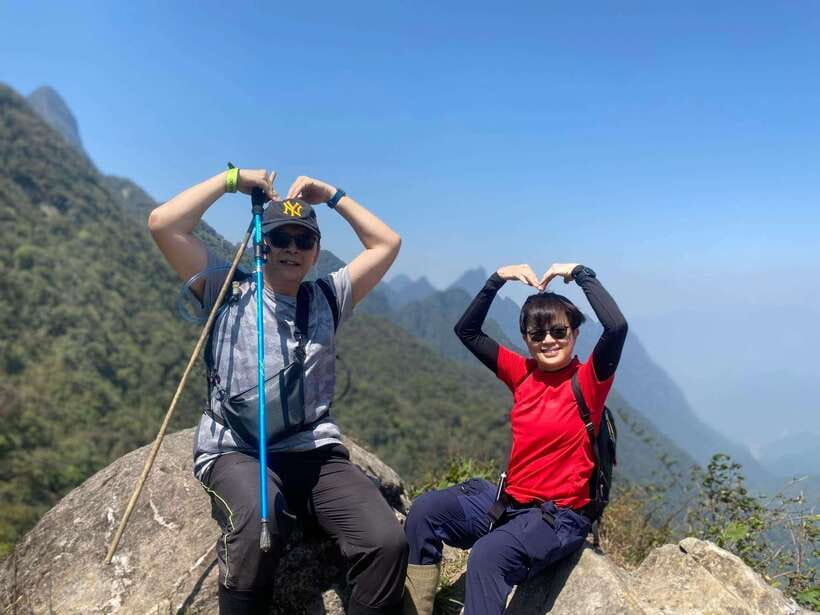
Lunch is served at a camping site around 2,800 meters. Your guide carries the food, which is one less thing for you to manage on a demanding climb.
The standard picnic includes bread, fried chicken, eggs, tomato, cucumber, two kinds of fresh fruit, and small Vietnamese snacks. You receive 1.5 liters of water, but you carry the bottle yourself, so use a backpack that sits comfortably and does not shift while climbing.
The meal is functional rather than fancy. That is exactly what you need here. You want food that is easy to carry and eat, with enough substance to keep you moving. If you are vegetarian or have allergies, tell the company in advance so the meal can be changed.
The lunch stop is also a useful point to assess the rest of the day. You are already high on the mountain, but the summit still requires more effort. Eat, drink, adjust your layers, and check your shoes before setting off again.
More one-day treks in Sa Pa
- From Sapa: 1-Day Guided Trek to Lao Chai & Ta Van with Lunch
★ 4.9 · 416 reviews - Sapa 1 Day Long Trek: Trek to Hau Thao and Sa Seng Villages
★ 4.6 · 344 reviews - 1-day Authentik trek & Panorama valley views
★ 5.0 · 189 reviews - Sapa 1 day trek with local guide to the village by Comlam
★ 5.0 · 148 reviews
Reaching Fansipan at 3,143 meters
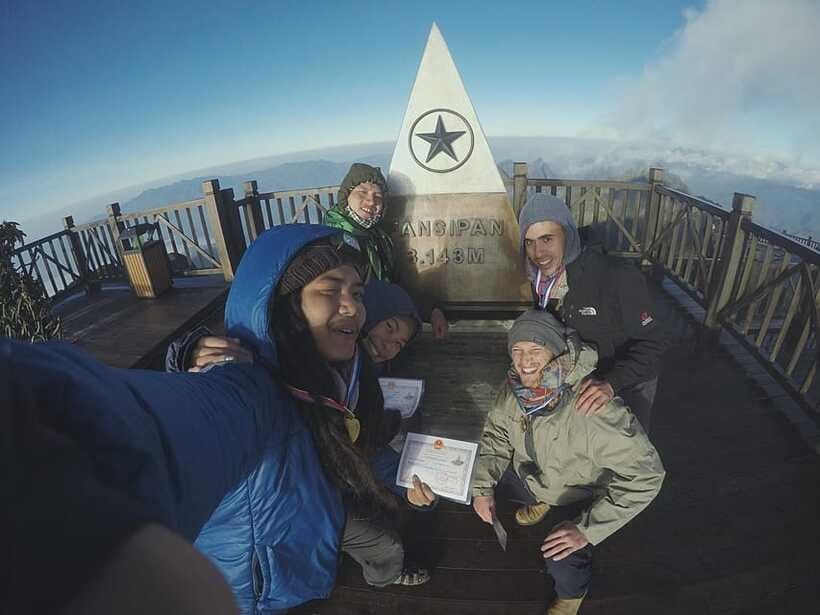
Most groups reach the top around noon or 1:00 in the afternoon, though a slower group may take longer. The full climb has been completed in about six and a half hours including lunch, but your time could differ.
At the summit, you can look back toward Sapa and see the mountain country around the town. On clear days, views extend toward the Vietnam and China mountain region. On misty days, the summit may feel much more enclosed. Weather changes quickly, and clear views are never guaranteed.
Give yourself time for photos, but do not linger carelessly if conditions are cold or wet. The summit can feel very different from the warmer streets of Sapa. Gloves, a hat, warm layers, and rain protection are not optional extras for this outing.
The included entrance fee covers the Fansipan mountain entry, along with a medal and certificate. Those items are small, but they provide a pleasant finish after such a long effort. The meaningful reward is the climb itself and the view when the weather cooperates.
The return choice: five more hours on foot or a cable car
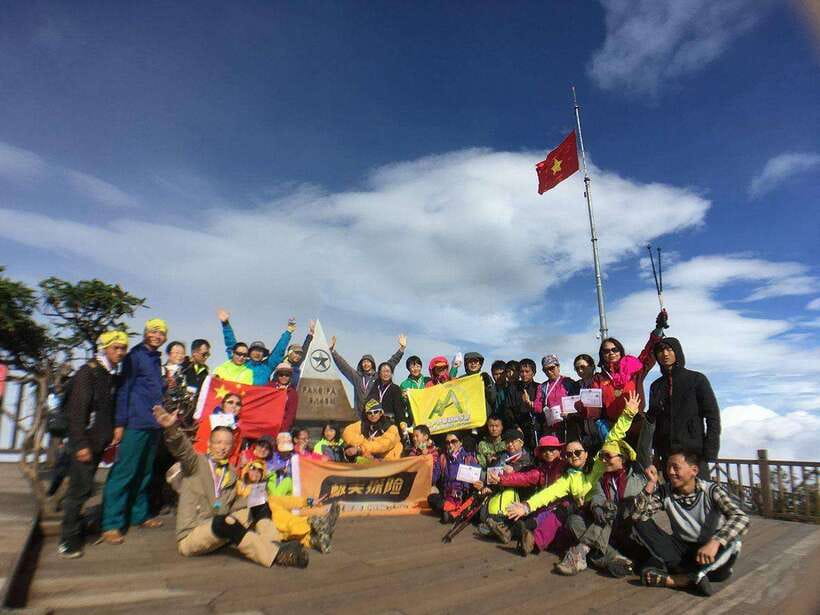
After reaching the summit, you have two choices. You can trek back along the same route to Tram Ton Pass, or you can pay separately for the cable car down to Sapa.
The full walking return can take roughly five and a half hours. One completed day reached the top in about six and a half hours and returned to the starting point in around five and a half hours. That gives you a realistic idea of the effort involved, though pace and weather will change the timing.
Walking back offers a fuller mountain experience, but it is not a minor add-on. Descending steep ground after hours of climbing can punish your knees and feet. You also need to consider daylight, especially if the ascent takes longer than expected.
The cable car is a sensible escape route, not a failure. You pay for that ticket yourself, and the exact return time depends on your speed and the cable car arrangements. If you are determined to walk both ways, be honest about your fitness before starting. If you mainly want the forest climb and summit experience, saving energy for the return by using the cable car may be the better call.
What the $77 price covers
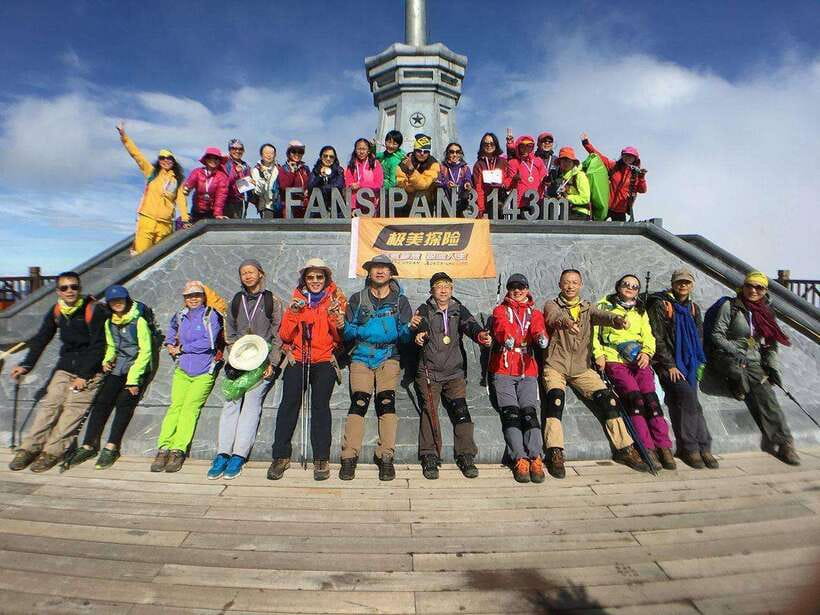
At $77 per person, the value depends on how much support you want on a difficult day. The price includes an English-speaking guide, transport by car or scooter, picnic lunch, 1.5 liters of water, the entrance fee, insurance, and the medal and certificate.
It does not include the cable car down. You should also carry cash for personal needs, as cash is included on the recommended packing list.
For a private group, the package offers useful practical coverage. You are not arranging transport to Tram Ton Pass, finding the route alone, carrying lunch, or working out the permit registration by yourself. The value is strongest if you want a guided mountain day with the main logistics handled.
It is less attractive if you only want to reach the summit and take photos. In that case, the cable car is easier and less physically demanding. This trek is priced for the experience of walking the mountain, not simply for access to the top.
Guide quality and the human side of the day
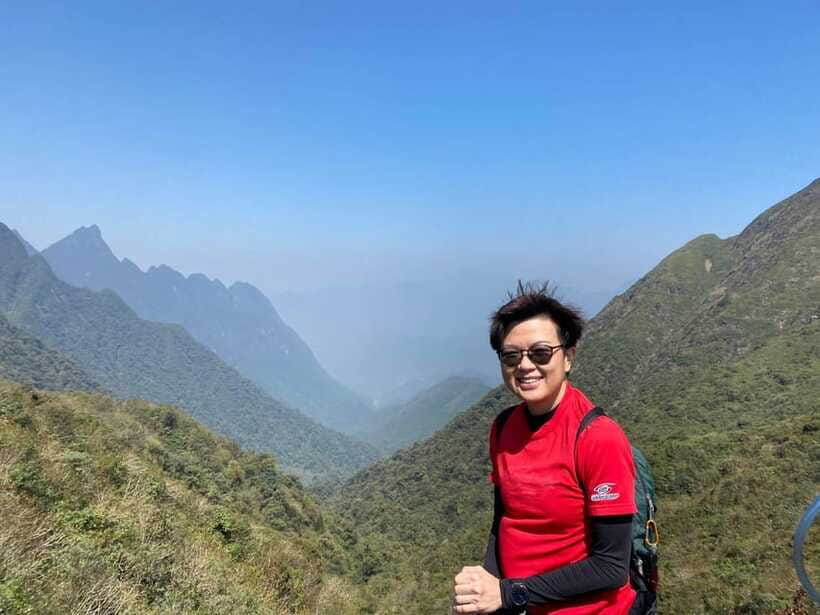
The English-speaking guide is central to the experience. The service includes guides described as friendly, helpful, and strong English speakers. Mr Tinh handles the professional side of the operation, while guide Cho is noted for his enthusiasm, politeness, and regular experience on the peak.
Cho is also described as a member of a local tribe who talks about the forest and his life at the start of the hike. That personal connection adds value that a self-guided route cannot provide. You get more than directions on a trail. You get some context about the place and the person leading you through it.
One practical point is worth noting. A guide may move ahead of a slower group and wait farther up the trail. That can motivate you, but it can also feel discouraging when you are tired. Stay clear about your pace and ask for the breaks you need. The guide’s job is to lead and support you, but the mountain still requires your own steady effort.
Weather, clothing, and what to carry
Fansipan can be cold at any time of year. From November through April, temperatures may range from about -2 to 12 degrees Celsius, with sunshine, mist, and occasional light rain. From May through October, temperatures may range from about 5 to 15 degrees Celsius, with a greater chance of rain and some periods of heavy rain.
The weather may change quickly. A sunny morning does not mean a dry afternoon, and mist can reduce the views at the summit. Rain is described as possible but not automatically dangerous for the trek. Your clothing and footwear still need to handle wet conditions.
Bring:
- Warm clothes and long pants
- Hiking shoes
- Rain gear or a raincoat
- Gloves, socks, and a hat
- Sunscreen
- A headlamp
- Toilet paper
- A bamboo stick if you find one on the route, or a suitable trekking stick
- A waterproof bag
- Cash
- A backpack for your water and personal items
Wear layers rather than one heavy coat. You may warm up during the climb, then cool quickly during lunch or at the summit. Keep documents and electronics in a waterproof bag.
Registration and health limits
The company needs each participant’s full name, date of birth, gender, passport number, and nationality to register the trek and arrange the permit. Have those details ready for everyone in your group.
You should also report food allergies and dietary needs before the day. The standard meal contains chicken and eggs, but alternatives can be arranged when requested.
The activity is not suitable for children under 14, pregnant women, or people over 70. Those rules are a useful reminder of the route’s physical demands. If you have any doubt about your ability to manage 10 to 12 hours of mountain walking, choose a less demanding Fansipan option.
The booking terms allow free cancellation up to 24 hours before the activity, and you can reserve now and pay later. Pickup is included from hotels around central Sapa, but not from hotels or homestays in villages.
Who should book this Fansipan trek?
I would choose this tour if you want a demanding, guided mountain day and you care about walking through forest rather than taking the easy route straight to the summit. It suits fit adults who can handle a long climb, steep or uneven ground, cold weather, and a tiring descent.
I would also choose it if you value local guiding. The chance to walk with someone such as Cho, who regularly climbs Fansipan and can talk about the forest and his life, gives the day a more personal feel.
I would not choose it if you dislike early starts, have limited hiking experience, or mainly want a quick summit photo. The 24-kilometer return route is a major commitment. Rain and mist may also limit the views after you have done all that work.
Should you book it?
Book this Fansipan trek if the challenge is part of the appeal. The strongest points are the private setup, local English-speaking guide, included transport and lunch, and the option to switch to the cable car after reaching the summit.
Before paying, check your pickup location, send the required passport details, ask for any food changes, and prepare for cold, wet conditions. Most important, decide honestly whether you want to walk back down. If not, budget for the cable car and treat it as a planned option.
This is a demanding route with a clear reward: you reach Vietnam’s highest peak under your own power. For a fit hiker, that makes the $77 price fair. For anyone seeking an easy day out, it is the wrong Fansipan experience.
FAQ
How long does the Fansipan trek take?
The full day lasts about 10 to 12 hours. The route covers roughly 24 kilometers if you walk from Tram Ton Pass to the summit and back.
How far is the trek?
The route is about 12 kilometers each way, making approximately 24 kilometers for the return journey.
How high is Fansipan?
Fansipan reaches 3,143 meters above sea level. The trek gains about 1,400 to 1,600 meters from the starting point at Tram Ton Pass.
Where does the trek start and finish?
Transport collects you in Sapa and takes you to Tram Ton Pass. If you walk both ways, you return to Tram Ton Pass and then travel back to Sapa.
Is transport from my hotel included?
Pickup is included from hotels around central Sapa town. Hotels and homestays in surrounding villages are not included in the standard pickup area.
Can I return by cable car?
Yes. After reaching the summit, you can take the cable car down to Sapa, but you must pay for the cable car ticket yourself.
What food and water are included?
You receive a picnic lunch with bread, fried chicken, eggs, tomato, cucumber, two kinds of fruit, and small Vietnamese snacks. The tour also provides 1.5 liters of water per person.
Is this trek suitable for children?
The activity is not suitable for children under 14. It is also not suitable for pregnant women or people over 70.
What information is needed to register?
You need to provide each participant’s name, date of birth, gender, passport number, and nationality. You should also share allergies or vegetarian food requests in advance.
Latest treks added in Sa Pa
- Soob Sapa Trekking Tour★ 4.3 · 3 reviews
- Sapa: Y Linh Ho – Lao Chai, and Ta Van Trekking Day Tour★ 5.0 · 25 reviews
- Sapa Trekking Private Tour With Ethnic Female Tour Guide★ 4.9 · 24 reviews
- Sapa Trekking – Waterfalls And H’mong Villages★ 5.0 · 2 reviews
- Sapa: Ta Phin Village Trek with Lunch and Bathing Experience★ 4.7 · 13 reviews
- Sapa Trekking Guide Francophone 2 days – 1 night★ 5.0 · 2 reviews
- Sapa: Trekking Through Terraced Rice Fields & Valley 1 Day★ 4.8 · 4 reviews
- Sapa small groupe activities: 1 Day trek – Meet the locals★ 4.7 · 3 reviews
Fansipan Treks, compared.

3 Days Luxury Sapa Trek & Fansipan Peak with Dcar
Read our review →
2-Day Fansipan Mountain Trek – Indochina’s Highest Peak
Read our review →
Sapa 2 days 1 night trekking Lao Chai Ta Van – Fansipan mountain by cable car
Read our review →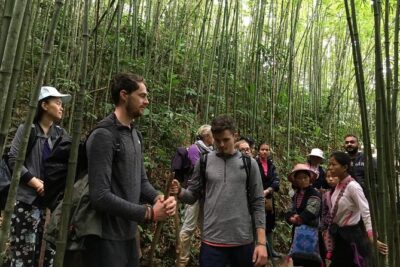
2-Days Sapa Tour with Fansipan Cable Car Trekking Three Village
Read our review →Browse the lists this tour appears in