
REVIEW · CHIANG RAI
1 Day trekking : Chiang Rai popular activity,Fun in Nature.
The most interesting part of this Chiang Rai day is not simply walking through the forest. You get to cook lunch over firewood in a hill-tribe bamboo hut, using a traditional kitchen with no LPG. That turns a pleasant trek into a closer look at daily life, and guides such as Kai add plant, food, and village explanations along the way. I especially like the small groups of no more than eight and the mix of forest, farms, tea, villages, waterfall, and hot spring.
The day is long and active. You will walk for about five hours, often on forest and hillside paths, so this suits you if you have a moderate level of fitness. Pickup can also run a little late while the vehicle collects people from several hotels, and the tour only picks up within about 5 kilometers of central Chiang Rai.
Key points at a glance
- Cook lunch on a wood fire: Help prepare the midday meal in a bamboo hut and see a traditional kitchen in use.
- Four hill-tribe communities: The route passes Lisu, Chinese, Akha, and Lahu villages, with explanations from a local guide.
- Huay Kaew waterfall swim: Bring a towel and spare clothes if you want to cool off at Chiang Rai’s second-largest waterfall.
- Five hours on foot: Expect a proper day hike, not a short nature walk around a viewpoint.
- Tea plantation and farm scenery: The route links cultivated land with bamboo forest and village paths.
- Hot spring finish: A hot bath gives your legs a useful rest before returning to town.
A full day beyond Chiang Rai’s town streets
At $59 per person, this is priced as a full-day experience rather than a simple transfer to a waterfall. Transportation, a native Chiang Rai English-speaking guide, lunch, drinking water, insurance, a hot-spring bath, and the guided walking are included.
I think the price makes sense if you want several experiences joined together. A day of transport alone to reach remote villages, the national park area, a waterfall, and a hot spring would take planning. Here, you move through the countryside with someone who can explain what you are seeing and help organize lunch along the way.
The value depends on your priorities. If you mainly want a quick waterfall visit or an easy sightseeing loop, this will feel too long. If you want a physical day with local food, village visits, and time outdoors, the range of activities gives you good use of your day.
Pickup begins at 9 a.m. from hotels in Mueang Chiang Rai that are not more than about 5 kilometers from downtown. Be ready in the lobby at 9 a.m., even if the vehicle arrives later because of several hotel stops. The return is to Mueang Chiang Rai, but an exact arrival time is not provided, so avoid booking an evening activity that requires a tight schedule.
More one-day treks in Chiang Rai
- 1 Day Trekking in Chiang Rai forest (walk only)
★ 4.9 · 95 reviews - Chiang Rai: 1-Day Trekking and Longtail Boat Trip
★ 4.9 · 53 reviews - 1 Day Trekking Group Tour With Bamboo Cooking / Chiang Rai
★ 5.0 · 51 reviews
From the hot spring into Lam Nam Kok National Park
The outing leaves town by car or pickup truck for the trekking area in Lam Nam Kok National Park. The walk begins near a hot spring, but the bath is listed as part of the later return, so the first stop is more of a starting point than a long soak.
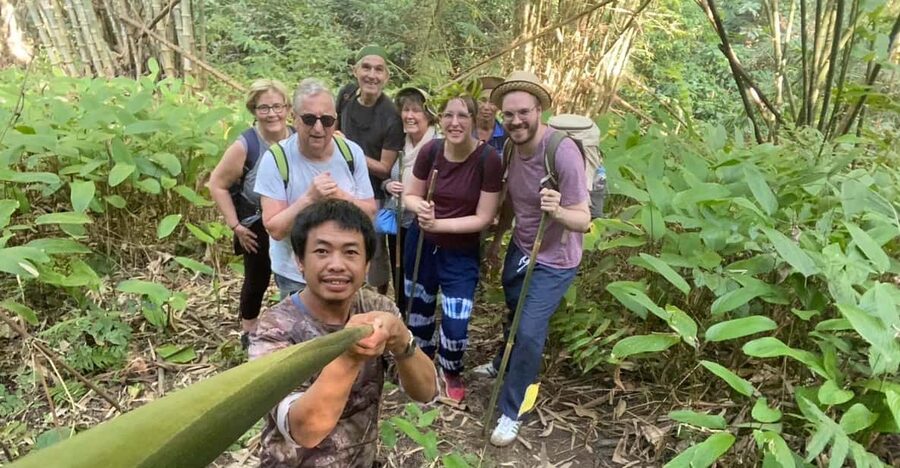
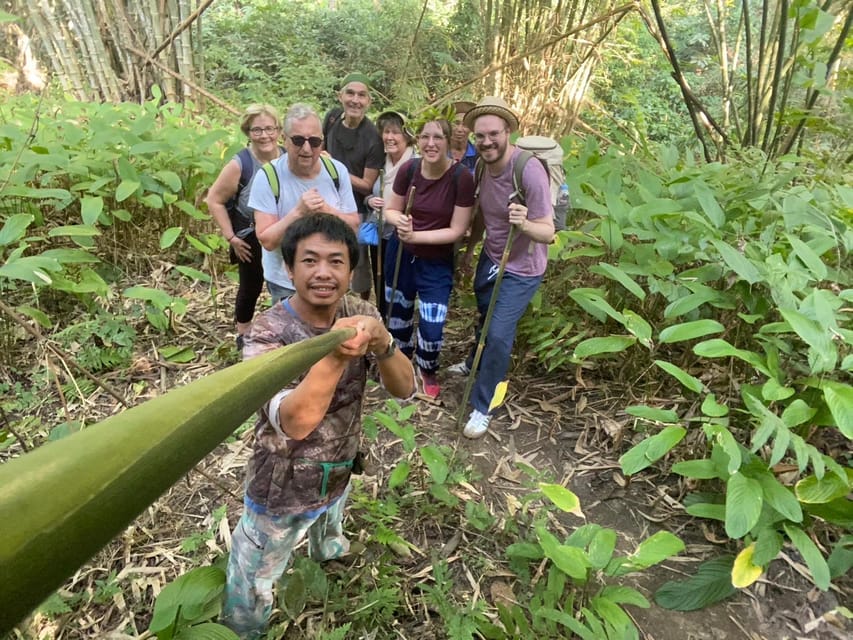
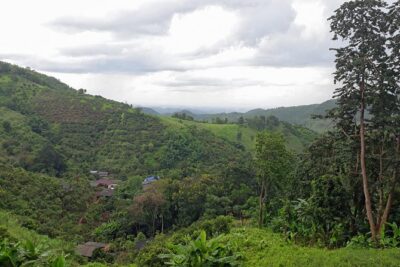
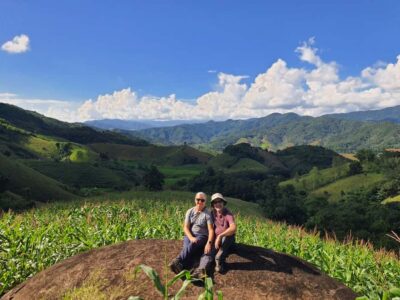
From there, the trail enters forest and bamboo forest. This early section sets the tone for the day. You are not walking from one large attraction to the next on a paved path. You are moving through natural areas where the guide can point out plants, flowers, fruits, and other things along the way.
That explanation is important. Without a local guide, a forest trail can become a pleasant but rather anonymous walk. With someone who knows the area, small details become part of the experience. One guide even made a bamboo cup as a personal touch, a simple reminder that bamboo here is not just scenery but a useful material.
You should wear proper hiking shoes rather than casual sandals. Comfortable clothing and long hiking pants are sensible for a five-hour walk, especially through forest and farm areas. Sunscreen still matters, even though parts of the route are shaded.
Lisu village and lunch in a bamboo hut
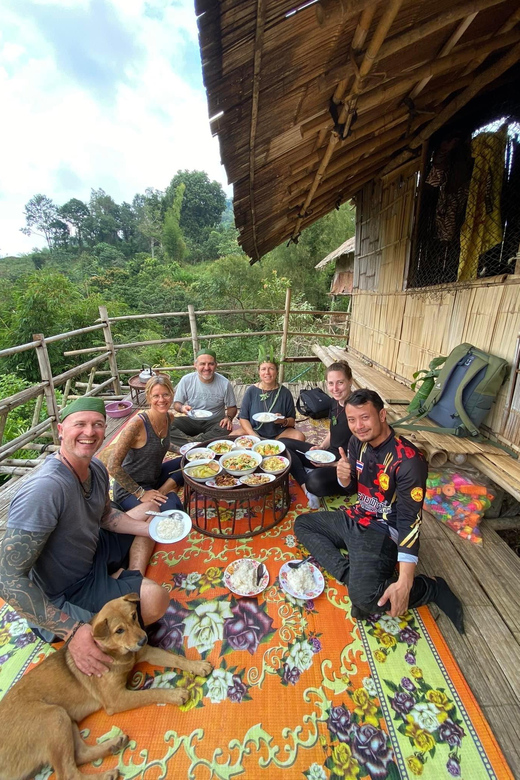
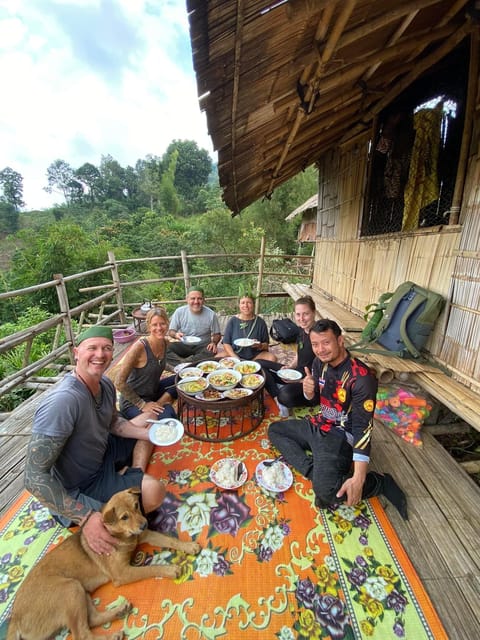
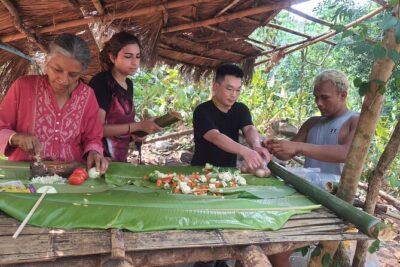
The first village area is Lisu. The route then leads to lunch, prepared with the guide in a hill-tribe bamboo hut. This is the day’s most distinctive feature, and I would not treat it as a minor meal stop.
You help cook using firewood in a traditional kitchen. There is no LPG, so the process takes longer and feels quite different from ordering food at a restaurant. You get to see how the meal is prepared, take part in the work, and learn about a practical side of local life. The experience is hands-on, but it is not presented as a staged cooking class with a fixed recipe list. The details of the meal can vary.
The food receives some of the strongest praise in the available feedback. One account describes the local specialties and the cooking itself as a highlight, while another points to the family setting and the chance to picture a very different daily routine. That is useful context: the meal matters because of the setting and process as much as the food on the plate.
Expect lunch to be rustic. You are not coming here for restaurant service, polished facilities, or a long menu. You are coming to sit in a bamboo hut, cook over wood, and share a meal connected to the place you are walking through.
Chinese village, tea plantation, and Huay Kaew waterfall
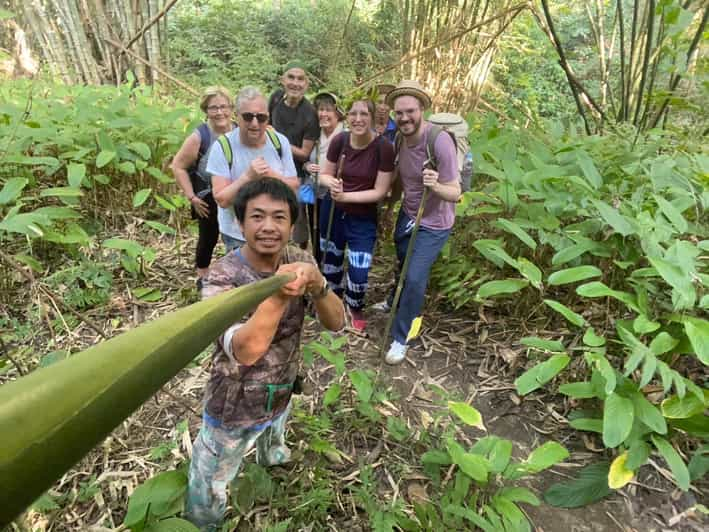
After lunch, the route continues toward a Chinese village and a tea plantation. These stops add cultivated scenery to the forest walk. Tea plants and farm areas show how the hills are used for work and food, not just viewed as untouched nature.
The route is varied, but that variety does not make it easy. You still have several hours of walking after lunch, and the terrain may feel tiring in warm conditions. Carry the drinking water provided, and use the breaks wisely. The tour includes water, but you should still arrive prepared for a full day outside.
The next major stop is Huay Kaew waterfall, described as the second-largest waterfall in Chiang Rai. Swimming is allowed here, making it a welcome reset after the forest and village sections. Pack a towel and a change of clothes, and keep your camera protected around the water.
The waterfall is one of the clearest reasons to bring swimming gear rather than treating this as a dry hiking trip. Still, do not assume you will spend a long time in the water. The total day includes several walking sections, and the exact time at each stop is not specified.
The waterfall can also be a practical test of your expectations. If you want a day built around swimming and lounging, this is not the right format. The swim is one part of a larger trek, not the whole point of the outing.
More Trekking Tours in Chiang Rai
- Chiang Rai: Jungle Adventure-Group Trekking & Bamboo Cooking
★ 4.9 · 166 reviews - Authentic trek only walk in Chiang Rai jungle
★ 5.0 · 90 reviews - Akha & Lahu village trekking 1 day
★ 4.8 · 18 reviews - Chiang Rai: 2-Day Jungle Trek only walk with Waterfall
★ 4.8 · 17 reviews
Akha and Lahu villages on the afternoon trail
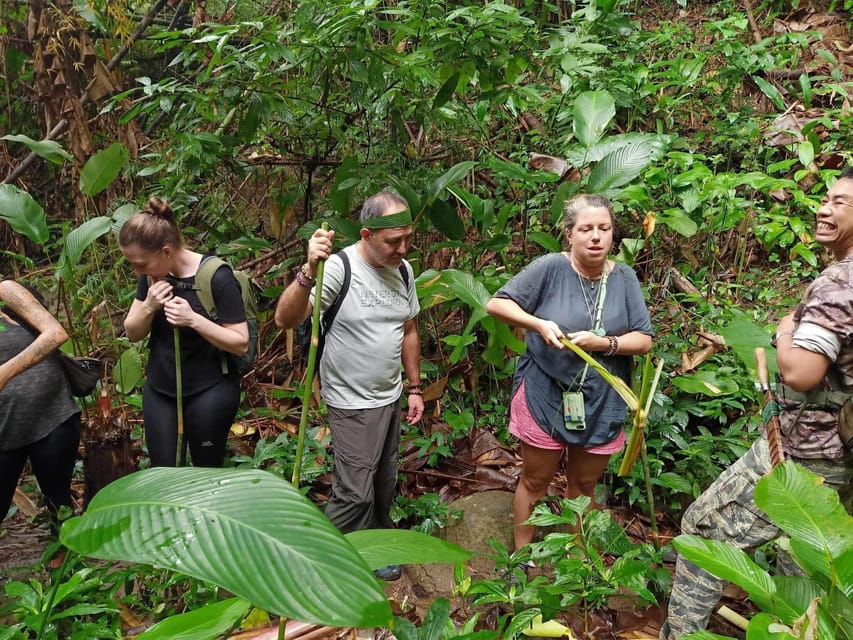
After Huay Kaew, the route continues to an Akha village, farm land, and a Lahu village before returning toward the hot spring. This final stretch gives the day its broadest view of village life and rural work.
The four communities named along the route are Lisu, Chinese, Akha, and Lahu. They are not presented as museum displays. You walk through village areas and farm land while the guide explains what you see. That difference matters. The experience is built around passing through lived-in places, not simply stopping for a quick photograph and leaving.
You should remain respectful around homes and community areas. The supplied information does not specify photography rules, so ask the guide before photographing people or private spaces. The guide’s role is especially useful here, since local customs and the right way to approach a village are not always obvious to a first-time visitor.
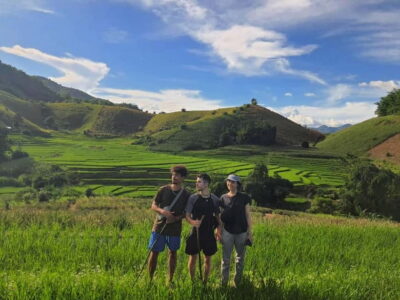
The afternoon scenery includes beautiful views across farms and the surrounding countryside. The word scenic is justified here, but the views come with effort. You are still walking after lunch and the waterfall, so tired legs are part of the bargain.
A number of the strongest comments focus on the guides. Kai is singled out for humor, clear explanations, and useful stories about things found on the route. Another guide is praised for good English and a fun manner. The experience depends heavily on the individual guide, but the small-group format gives you a better chance to ask questions than a large coach tour would.
Ending with a hot bath
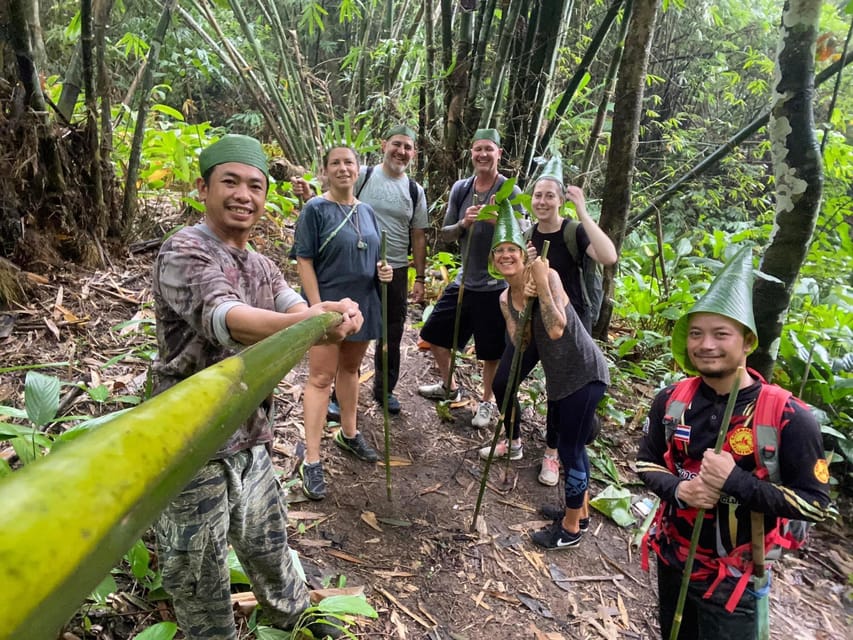
The route finishes back at the hot spring area, where a hot bath is included. This is well timed after about five hours on foot. It will not erase every ache, but it gives the day a calmer finish than simply climbing into a vehicle after the final village.
Bring modest, practical clothing for changing after the walk and swimming. A towel and spare clothes are specifically recommended. Cash is also on the packing list, though the supplied information does not specify what you might need it for, so keep a small amount handy rather than assuming every payment is covered.
The hot spring also helps define the pace of the day. You are not rushing from one attraction to another and immediately returning to town. The route builds toward a final rest, which makes the outing feel like a complete day in the countryside.
Group size, pace, and physical demands
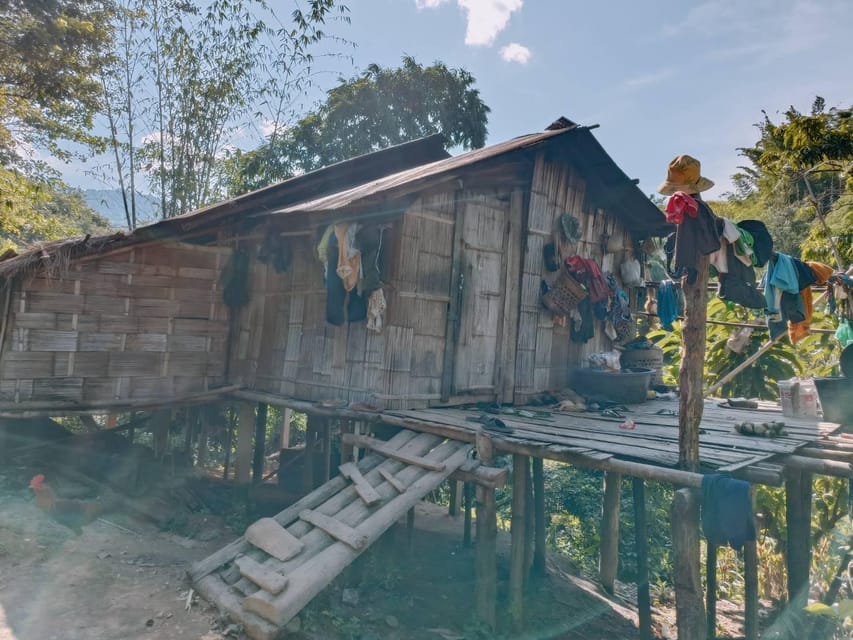
The maximum group size is eight people. That is a useful limit for a trail-based day, since a small group can usually move more easily and keep the guide’s explanations audible. It also makes the cooking stop more workable than it would be with a large busload.
This is a moderate hike with about five hours of walking. The tour is not suitable for children under 8, babies under 1 year, people with high blood pressure, or people over the listed weight limits of 130 kg and 140 kg. The information gives both limits, so if weight restrictions affect you, confirm the applicable limit before booking.
The activity is also listed as unsuitable for people with hearing impairment. That is worth taking seriously because much of the value comes from spoken explanations while walking and at the villages. English and Thai are the available tour languages.
You do not need to be an athlete, but you should be comfortable walking for much of a day. Good shoes, long pants, sunscreen, and comfortable clothes will make a real difference. The route combines forest, bamboo, villages, farms, and a waterfall, so expect uneven outdoor conditions rather than a gentle urban stroll.
What makes this tour authentic, and what it cannot promise
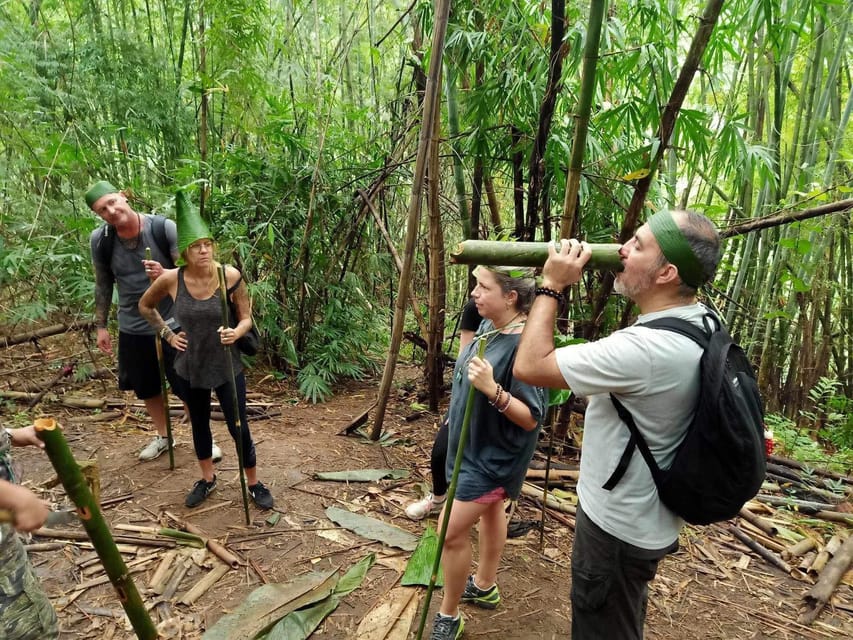
The strongest part of this day is the ordinary work built into it. Cooking over wood, using a bamboo hut, learning about plants, and walking through farm areas give the tour more substance than a route made only of viewpoints.
At the same time, you should keep your expectations grounded. The tour visits several villages, but no detailed cultural program, homestay, or formal village presentation is specified. You are getting a guided route through rural communities, not a guaranteed private conversation with every group named.
The day is also dependent on weather and trail conditions, though no specific weather policy is provided. Since the walk is long and includes a waterfall, pack for changing conditions and protect your camera. The tour includes insurance, but that does not replace sensible footwear and careful attention on the trail.
The 4.8 rating from 18 reviews fits the pattern of praise: the guides, cooking, local food, forest walk, and waterfall swimming receive the most attention. I would place the guide at the center of the experience. A good guide turns the route into a day of discovery; without listening and asking questions, you may experience it as simply a long walk.
Who should book this Chiang Rai trek?
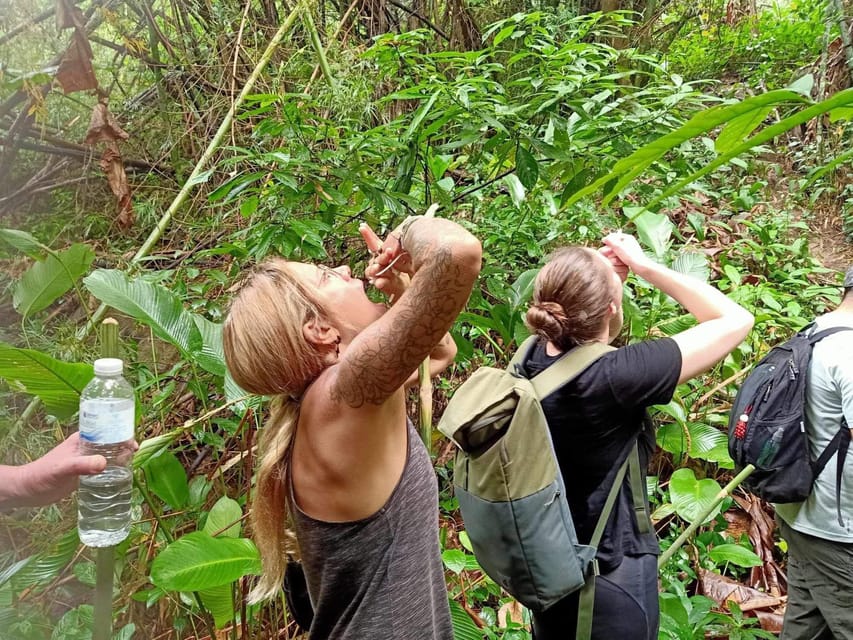
I would recommend it to you if you want a full day outside town and enjoy active, informal experiences. It is especially suitable if you like learning through food and conversation, rather than only visiting formal attractions.
It works well for couples, friends, and solo visitors who are comfortable joining a small group. The reserve-now, pay-later option and free cancellation up to 24 hours before departure also make planning easier, though you should still check the available starting time before committing.
I would look elsewhere if you need an easy route, dislike rustic cooking, want a fixed return time, or prefer a tour with very little walking. The five-hour trek is the defining feature, not a footnote.
Should you book it?
Book this Chiang Rai trek if your ideal day includes forest paths, hill-tribe villages, a wood-fire lunch, a waterfall swim, and a hot spring at the end. The $59 price is fair for the transport, guide, meals, water, insurance, and number of activities packed into one day.
Skip it if you want a short nature outing or a polished sightseeing tour. Come ready for a real walk, spare clothes, and a flexible pace. If you do, the combination of local cooking and time on the trail gives you a more personal look at Chiang Rai’s countryside than a quick stop at a single attraction.
FAQ
How long is the Chiang Rai trekking experience?
The activity lasts one full day, with about five hours of walking during the route.
What time does hotel pickup begin?
Pickup starts at 9 a.m. You should wait in your hotel lobby 10 minutes before the scheduled pickup, and the vehicle may arrive a little later while collecting people from several hotels.
Where is pickup available?
Pickup is available from hotels in Mueang Chiang Rai that are not more than about 5 kilometers from downtown.
Which villages does the trek visit?
The route passes through Lisu, Chinese, Akha, and Lahu hill-tribe village areas.
Is lunch included?
Yes. Lunch is included, and you can help cook it with the guide in a bamboo hut using firewood and a traditional kitchen.
Can I swim during the tour?
Yes. Swimming is available at Huay Kaew waterfall, so bring a towel and a change of clothes.
What languages does the guide speak?
The tour is available in English and Thai, with a live tour guide.
Is the trek suitable for children or people with limited fitness?
The trek is not suitable for children under 8, and it requires a moderate level of fitness because you will walk for about five hours. It is also listed as unsuitable for babies under 1 year, people with high blood pressure, people over the stated weight limits, and people with hearing impairment.
Latest treks added in Chiang Rai
- Trekking with Lunch cooked by Bamboo in the Chiang Rai jungle★ 5.0 · 12 reviews
- Full Day Trekking & bamboo cooking Tour in Chiang Rai★ 5.0 · 7 reviews
- Akha private eco-trekking 2 days 1 night Chiang Rai★ 4.5 · 2 reviews
- One Day Trekking Chiang Rai Jungle Adventure and Bamboo Cooking★ 3.5 · 3 reviews
- Cultural trekking and boat trip★ 5.0 · 5 reviews
- Chiangrai: Group Trekking with Bamboo Cooking★ 4.8 · 5 reviews
- Chiang Rai: The Adventure of Trekking & Bamboo Cooking★ 5.0 · 3 reviews
- Chiang Rai Jungle Trek & Bamboo Tube Cooking Adventure★ 5.0 · 5 reviews
Chiang Rai Trekking Tours, compared.
Jungle Adventure-Group Trekking & Bamboo Cooking
Read our review →
1 Day Trekking Group Tour With Bamboo Cooking / Chiang Rai
Read our review →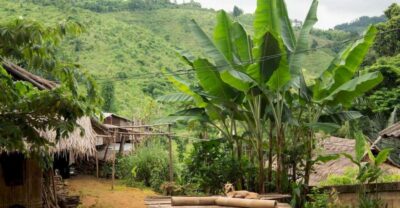
Trekking with Lunch cooked by Bamboo in the Chiang Rai jungle
Read our review →Browse the lists this tour appears in