
REVIEW · CHIANG RAI
Chiang Rai: 2-Day Jungle Trek only walk with Waterfall
The most unusual part of this Chiang Rai trek is the hands-on jungle craft. You carry a traditional long-bladed knife, cut bamboo, make cups and chopsticks, and cook lunch with very little beyond what the forest provides. I like that the tour treats the jungle as a living classroom, not just a backdrop for photos.
I also like the village connections, especially the overnight stay in an Akha home and the walk through Lesu, Chinese, Akha, and Lahu communities. Guides Mo, Ru, and Aryu have local ties and can turn the walk into a lesson about plants, food, farming, and daily life. The trade-off is clear: about 10 kilometers of walking each day, often with steep climbs, so this is not a gentle forest stroll.
Key points at a glance
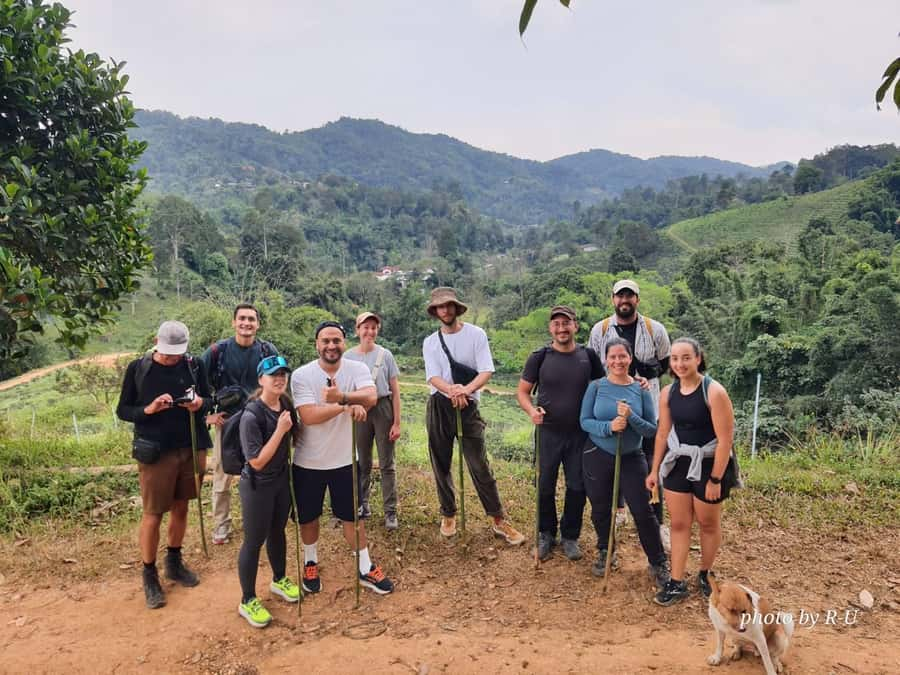
- Bamboo cooking and jungle tools: Learn to make cups, chopsticks, and cooking vessels with a traditional knife.
- Four hill communities: Pass through Lesu, Chinese, Akha, and Lahu villages, with an overnight stay in an Akha village.
- Waterfall and hot spring: Swim at a waterfall when conditions allow, then soak at Pasoet Hot Spring on day two.
- Local guides: Mo, Ru, and Aryu are praised for their plant knowledge, bush skills, flexibility, and local connections.
- A real physical test: Expect roughly 10 kilometers of walking per day, hills, uneven ground, and changing weather.
- Good value for active visitors: The $122 price includes transport, four meals, water, guide, insurance, and village accommodation.
A two-day trek with more than jungle views
This experience is best understood as a mountain walk joined to a village homestay and a practical bush-skills lesson. You are not simply following a trail while a guide points out scenery. You will learn how bamboo becomes a cup, chopsticks, cooking container, and useful shelter material. That hands-on work gives the forest a purpose.
The setting changes often. You may pass rice fields, tea plantations, pineapple crops, bamboo stands, and thick forest in the same two days. The villages add another layer, since the route visits Lesu, Chinese, Akha, and Lahu communities rather than keeping you on a single nature trail.
The group is limited to 10 people, and some departures may be smaller. That matters on a demanding route. A guide can set a steadier pace, explain plants during rest stops, and adjust the walk for fitness or minor injuries. One guide, Ru, has adapted routes for a guest with a torn knee ligament, while vegetarian and vegan food requests were also accommodated.
Still, do not book this expecting an easy walk. The route involves climbs and descents, and one person left early after finding the hills too hard. Good shoes and a reasonable level of fitness are essential.
More Jungle Treks in Thailand
- Chiang Rai: Jungle Adventure-Group Trekking & Bamboo Cooking
★ 4.9 · 166 reviews - Authentic trek only walk in Chiang Rai jungle
★ 5.0 · 90 reviews - Trekking with Lunch cooked by Bamboo in the Chiang Rai jungle
★ 5.0 · 12 reviews
Day one: hot springs, forest skills, and the Akha village
Pickup is arranged from downtown Chiang Rai, within about three kilometers of the center. You wait in your hotel lobby between 9 and 9:30 a.m., then drive toward the starting area and a hot spring.
The first section introduces the mountain environment. Your guide explains local plants and wildlife, then shows how a traditional jungle knife can help with practical tasks. The point is not to turn you into a survival expert in an afternoon. It is to help you see how local people use bamboo, leaves, and other natural materials with simple tools.
This is where the personality of the guide matters most. Mo is especially good at making the practical lessons fun, with demonstrations of bamboo carving and jungle cooking. Ru has been praised for adapting the route and explaining survival skills, while Aryu has guided private departures with detailed stories about the area. The operator is R U Tour and Trek, and the experience depends heavily on which guide leads your group.
The first village is Lesu, where lunch is served. The meal is included, but the more valuable part is the chance to see how the village fits into the surrounding hills. Keep your manner quiet and respectful. You are entering a lived-in community, not a staged cultural show.
After lunch, the trail continues to a Chinese village and a large tea plantation. Tea fields give this section a different feel from the forest, with open views and cultivated slopes replacing dense bamboo. This is also one of the more scenic parts of the trip, so keep your camera handy, but do not let photography slow the group on steep ground.
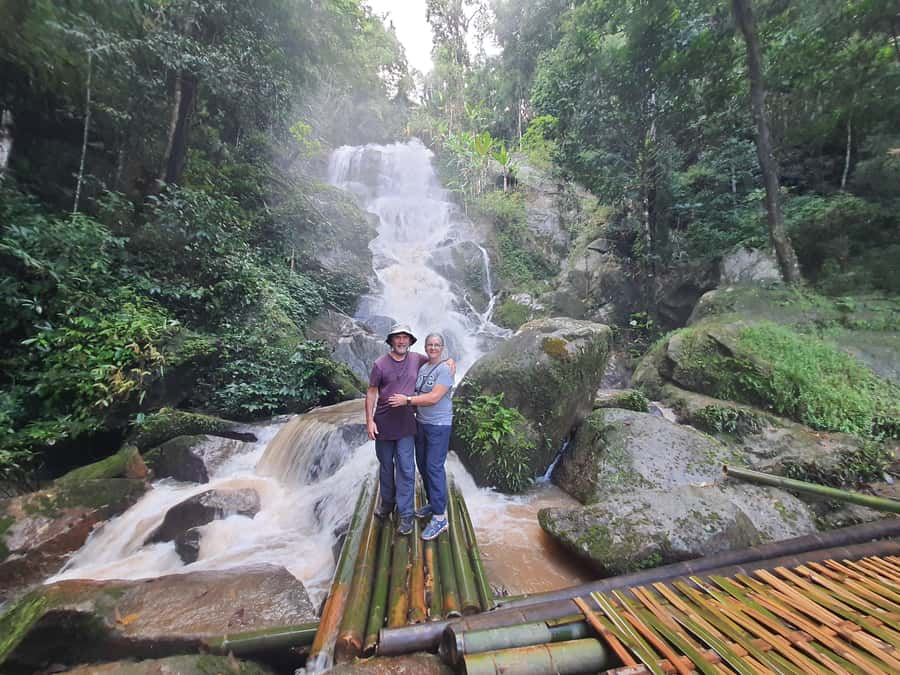
The route then reaches a waterfall. The plan is to swim and cool off, so bring swimwear and a towel in an easy-to-reach part of your bag. Conditions can vary, though. One account found a small cascade where swimming was not possible, so treat the waterfall stop as weather and water dependent rather than a guaranteed long swim.
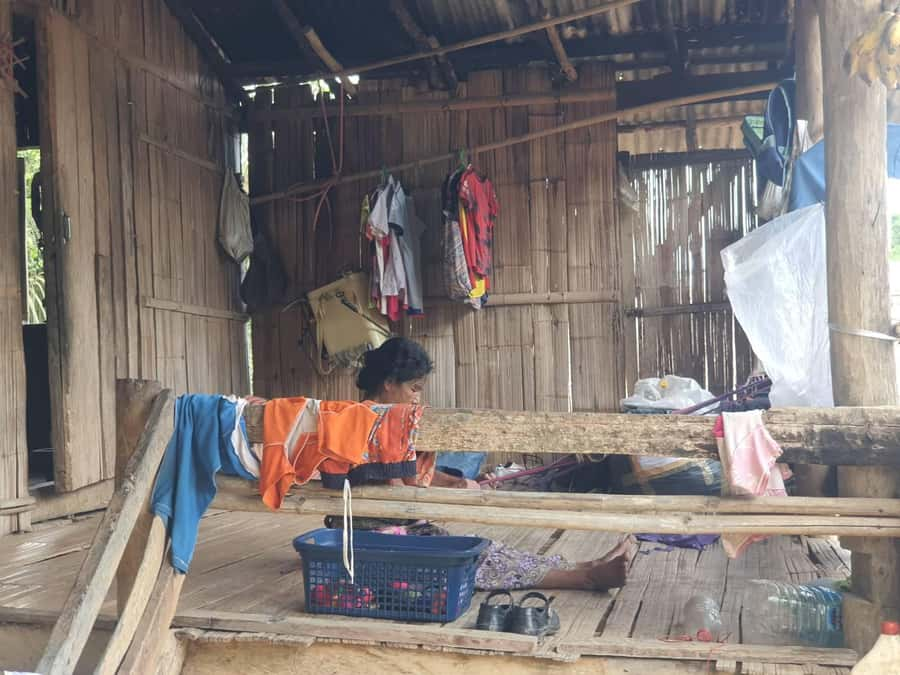
From the waterfall, you continue to the Akha village for the night. The accommodation is basic and local, with a thin mattress on a bamboo floor. That may be uncomfortable if you need a soft bed, but it is part of the point of the stay. You are sleeping in the style used in the village rather than in a resort designed for foreign comfort.
The evening includes dinner and time with the host family. The experience may include shared conversation, songs, dancing, and time with local children. You might also help with food preparation, depending on the household and the evening’s arrangements. The setting, high above the village, can be a highlight, especially around sunset.
Bring modest expectations about facilities. The attraction is the welcome and the setting, not private-room comfort. Pack light, keep valuables secure, and bring a change of clothes in case the waterfall or weather leaves you damp.
Day two: bamboo lunch and four village cultures
The second morning begins with breakfast before you leave the Akha village and return to the forest trails. This day focuses more directly on food and bamboo work.
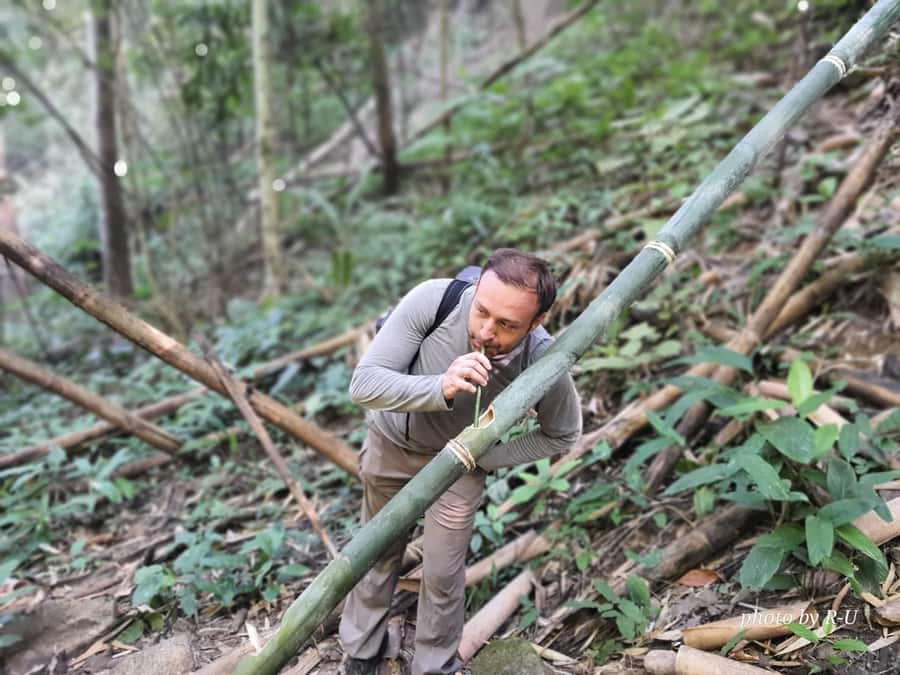
You learn to cut bamboo cups and chopsticks, then help prepare lunch inside bamboo containers. The meal is cooked using natural materials and simple tools. This is one of the strongest parts of the tour because you are not only watching a demonstration. You are handling the materials and seeing how a useful object moves from forest plant to eating utensil.
The lesson also helps explain the value of local knowledge. Bamboo is fast-growing, strong, and versatile, so it can serve many purposes when metal, plastic, or kitchen equipment is limited. Your guide may explain how plants are used and how people work with the local environment, but the depth of explanation can vary by guide and group pace.
After lunch, the trail reaches a Lahu village in the high mountains. This is another chance to compare village settings and learn about local ways of life. The route does not promise a formal museum-style presentation. Much of the value comes from walking through the communities, observing the surroundings, and listening to your guide.
The final stretch continues through the jungle to Pasoet Hot Spring. Here you can swim in a hot spa pool before the drive back to Chiang Rai. The hot spring is a welcome finish after two long walking days, though there is an additional 100-baht swimming-pool ticket that is not included in the tour price.
The drive returns you to the same downtown meeting area. By then, the day will have included a substantial walk, a bamboo cooking session, a mountain village, and a hot soak. Expect to feel pleasantly tired rather than ready for another full activity that evening.
What the walking is really like
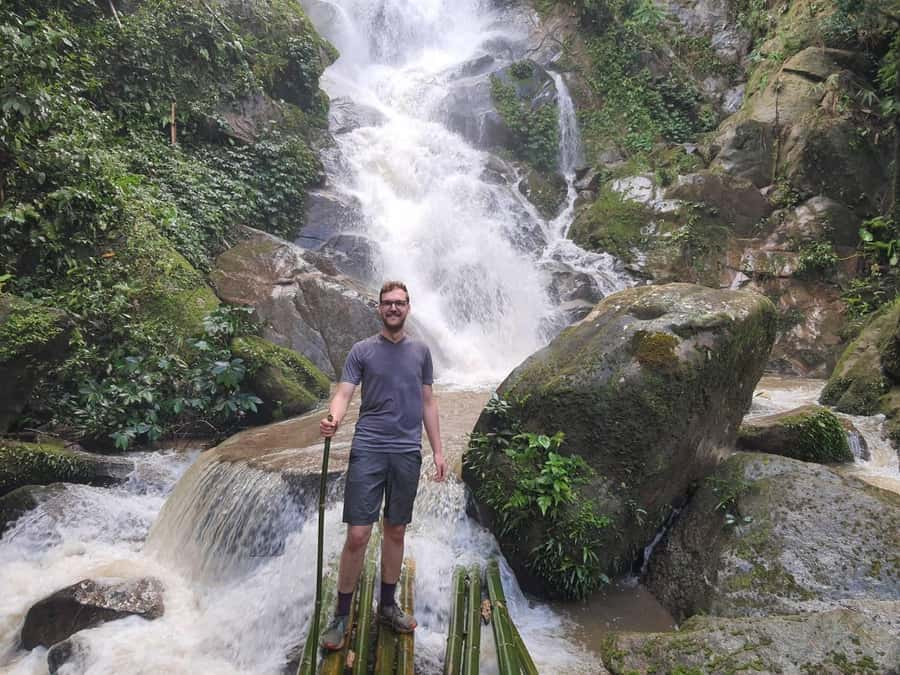
The stated distance is around 10 kilometers per day. Distance alone does not tell the whole story. The route includes hills, uneven trails, and changing surfaces, so the climbs matter more than the number on your phone.
You should be comfortable walking for several hours and handling slopes without a smooth paved path. The tour is not suitable for wheelchair users, pregnant women, people with serious back or heart problems, babies under one year, or people over 70. Those limits reflect the terrain rather than a lack of welcome.
A guide may adjust the pace and include rest stops. One account describes stops on steep sections that doubled as short lessons about plants and bush skills. That is a smart way to manage the route, since you can recover while still learning something.
Wear proper trekking shoes, not sandals or casual canvas sneakers. Carry water, insect repellent, sunscreen, a hat, snacks, and a reusable bottle. You will receive drinking water, but the instructions still sensibly stress hydration. Weather can change in the mountains, so pack a dry change of clothes and keep your phone or camera protected.
Smoking, littering, making fires, and touching plants are not allowed. These rules matter in a forest and in villages. Follow the guide’s instructions, especially around the knife, fire used for cooking, and natural materials.
More Waterfall Treks in Thailand
- Chiang Rai Trek: 4 Hilltribes Villages & Waterfall Only Walk
★ 4.8 · 8 reviews - Khao Sok: Private Waterfalls and Wildlife Half-Day Trek
★ 4.5 · 337 reviews - Trekking to Waterfall Adventure Tubing 45 mins. (Only Khao lak)
★ 5.0 · 111 reviews - Chiang Mai: 2-Days Jungle Trek, Waterfalls and Karen Village
★ 4.8 · 103 reviews
Village contact without a staged show
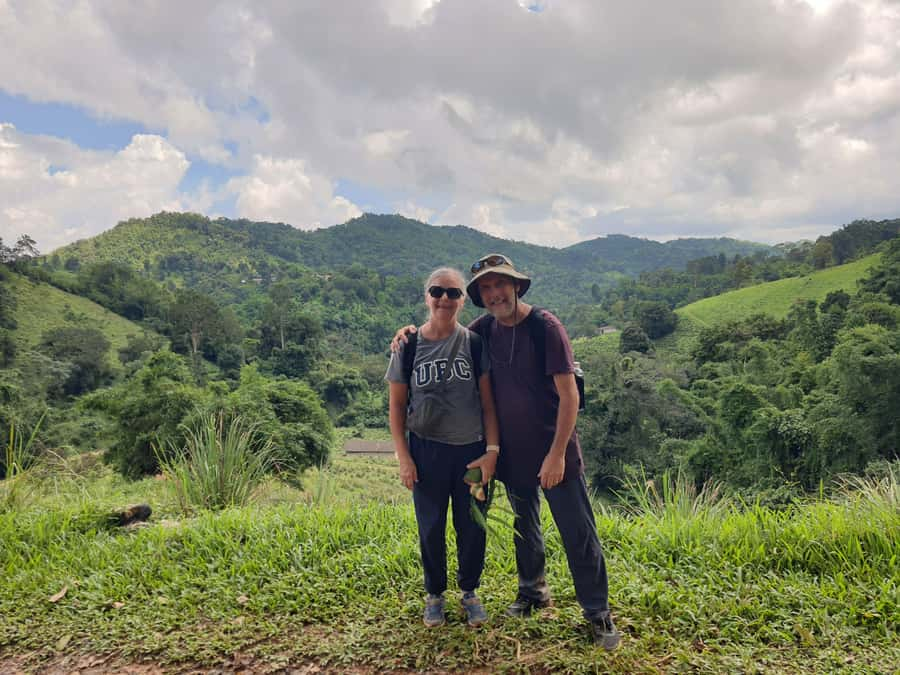
The cultural side is what separates this from a standard nature hike. You pass through four communities and stay overnight in an Akha village, giving you more time than a quick roadside stop.
The best approach is to watch and listen. Respect local customs, ask before taking close-up photos, and remember that homes and farms are private spaces. The tour description specifically asks you to respect local traditions, and that is good advice for any village visit.
A local guide can add context that you would miss alone. Mo has led groups through the Lisu village where he was born and spent part of his childhood, creating a personal link to the route. Other guides bring their own local experience and stories. The exact character of your trip will depend on the guide assigned, but the small group size should make questions easier.
The overnight stay also gives the experience a human scale. You are not simply ticking off a village on a route map. You eat dinner, sleep on a bamboo floor, and share part of an ordinary evening. If you prefer polished accommodation and controlled cultural encounters, this may feel too basic. If you want direct contact and can accept simple conditions, it is likely to be the part you remember longest.
Is $122 a fair price?
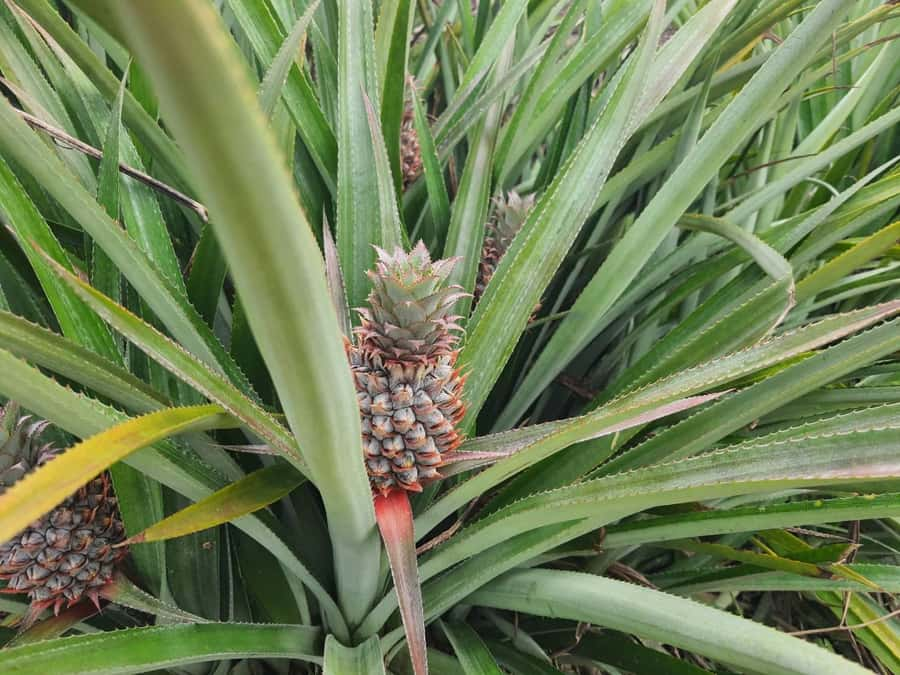
At $122 per person, the cost is reasonable for what is included. You receive hotel pickup and drop-off, a trekking guide, insurance, drinking water, four meals, one night of accommodation, and the full two-day route.
The four included meals are lunch and dinner on day one, then breakfast and lunch on day two. Food is not just fuel here. It is part of the activity, especially the bamboo cooking session and the meal prepared with the host family.
You still need to budget for soft drinks, alcohol, personal spending, and the 100-baht hot spring swimming fee. Snacks are also your responsibility, which is sensible since you will be walking for long stretches.
The price is strongest for someone who values a guide, transport, meals, and a local overnight stay. It is less attractive if you mainly want a short waterfall walk or a luxury mountain retreat. You are paying for a complete two-day experience, not just access to a trail.
The tour offers free cancellation up to 24 hours before departure and allows you to reserve now and pay later. Pickup is limited to downtown Chiang Rai within three kilometers, so check your hotel location before booking.
Who should book this Chiang Rai trek?
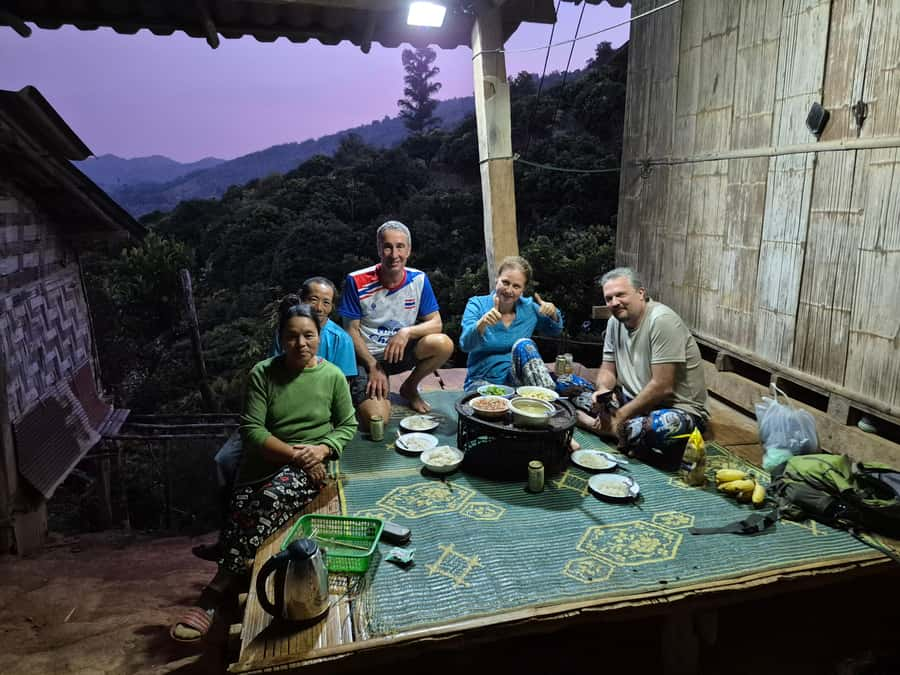
I would recommend it to active adults who want a physical challenge mixed with practical learning and village contact. It suits you if you enjoy basic accommodation, local food, changing scenery, and a guide who teaches by doing.
It is particularly good for people curious about bamboo crafts, jungle plants, and how meals can be prepared with few tools. It also works well for small groups, couples, and solo visitors who want a structured route but do not want a large coach excursion.
I would hesitate if you dislike steep walking, hot weather, insects, thin mattresses, or uncertain swimming conditions. The route can be adjusted in some cases, but it is still a mountain trek, not a relaxed countryside walk.
Should you book it?
Book this trek if you want Chiang Rai beyond temples and city day trips. The strongest reasons are the local guides, the Akha overnight stay, the four village visits, and the practical bamboo cooking lesson. Those details give the two days a real sense of place.
Skip it if your priority is comfort or an easy waterfall outing. The walking is serious, the accommodation is basic, and the waterfall stop may vary with conditions. For fit visitors who accept those limits, $122 buys a full and unusually hands-on experience in northern Thailand.
FAQ
How long is the Chiang Rai jungle trek?
The activity lasts two days, with approximately 10 kilometers of walking each day.
Where does pickup take place?
Pickup and drop-off are available from downtown Chiang Rai within three kilometers. You should wait in your hotel lobby between 9 and 9:30 a.m.
What villages does the trek visit?
The route visits Lesu, Chinese, Akha, and Lahu villages. You spend the night in an Akha village.
Where do you sleep overnight?
Overnight accommodation is provided in an Akha village. The sleeping arrangement is basic, with a thin mattress on a bamboo floor.
Is swimming included?
The route includes a waterfall swimming stop when conditions allow and a hot spring pool at Pasoet Hot Spring. Swimming at the hot spring requires an extra 100-baht ticket.
What meals are included?
Four meals are included: lunch and dinner on day one, plus breakfast and lunch on day two.
Is drinking water provided?
Yes. Drinking water is included, but you should also bring a reusable water bottle and stay hydrated during the walks.
What language does the guide speak?
The tour is conducted in English.
How large is the group?
The tour is limited to 10 participants, making it a small-group experience.
Who should avoid this trek?
It is not suitable for pregnant women, people with back or heart problems, wheelchair users, babies under one year, or people over 70. You should also consider your fitness carefully because of the daily distance and steep sections.
More Jungle Treks in Chiang Rai
- Chiang Rai Trek:Jungle Hike, Bamboo-Cooked Lunch & Boat Ride
★ 5.0 · 7 reviews - Chiang Rai Jungle Trek & Bamboo Tube Cooking Adventure
★ 5.0 · 5 reviews - Chiang Rai 1 Day Jungle Trek with Bamboo Lunch & Local Guide
★ 5.0 · 5 reviews - One Day Trekking Chiang Rai Jungle Adventure and Bamboo Cooking
★ 3.5 · 3 reviews
More Waterfall Treks in Chiang Rai
- Bali: Munduk Waterfalls Trek, Twin Lakes and Temple Tour
★ 4.8 · 545 reviews - Selogriyo Temple and Trekking Java Rice Terraces, hidden waterfall -Nature Java
★ 5.0 · 179 reviews - Ubud: Rice Terrace, Holy Water Temple & Waterfalls Trek Tour
★ 4.9 · 115 reviews - Wild Elephant Anakulam & Waterfalls Tour(munnar valley Trekking)
★ 5.0 · 98 reviews
Latest treks added in Chiang Rai
- Trekking with Lunch cooked by Bamboo in the Chiang Rai jungle★ 5.0 · 12 reviews
- Full Day Trekking & bamboo cooking Tour in Chiang Rai★ 5.0 · 7 reviews
- Akha private eco-trekking 2 days 1 night Chiang Rai★ 4.5 · 2 reviews
- One Day Trekking Chiang Rai Jungle Adventure and Bamboo Cooking★ 3.5 · 3 reviews
- Cultural trekking and boat trip★ 5.0 · 5 reviews
- Chiangrai: Group Trekking with Bamboo Cooking★ 4.8 · 5 reviews
- Chiang Rai: The Adventure of Trekking & Bamboo Cooking★ 5.0 · 3 reviews
- Chiang Rai Jungle Trek & Bamboo Tube Cooking Adventure★ 5.0 · 5 reviews
Jungle Treks, compared.

3-Day Ethical Orangutan Jungle Trek | Bukit Lawang, Sumatra
Read our review →
Monkey Business 3 days – 2 nights Jungle trekking (including rafting)
Read our review →
Khao Sok: Private Day Trekking, Jungle Dinner & Night Safari
Read our review →
Big Buddha Jungle Trekking and Temple tour with Lunch
Read our review →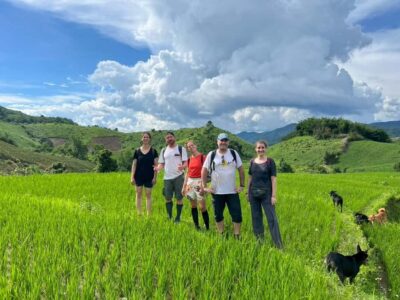
Jungle Adventure-Group Trekking & Bamboo Cooking
Read our review →
ORANGUTAN TREK (2D/1N) by EcoTravel Bukit Lawang
Read our review →Browse the lists this tour appears in