
REVIEW · CHIANG RAI
Chiang Rai Trek: 4 Hilltribes Villages & Waterfall Only Walk
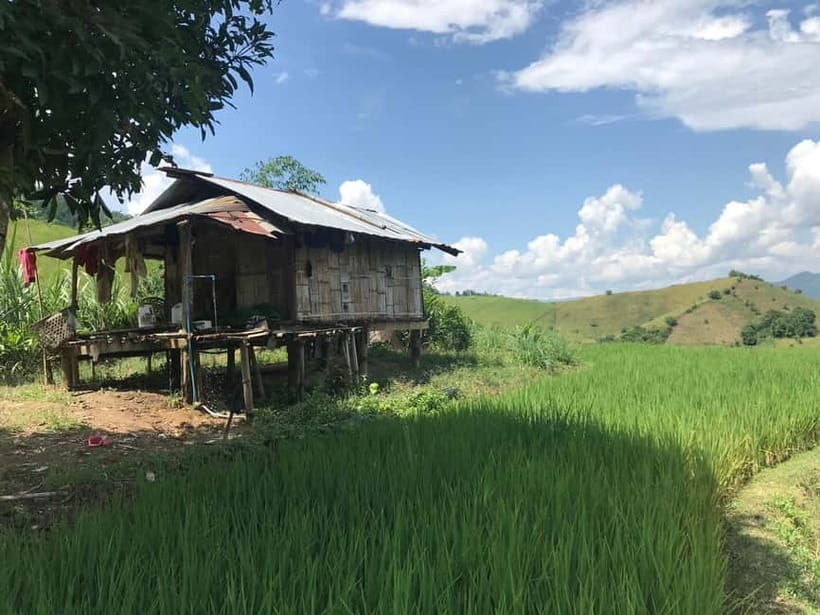
The best part of this Chiang Rai trek is the way it joins forest walking with daily village life. You do not simply stop for photographs at four hilltribe communities. You walk between them, pass farms and tea plants, learn about edible leaves and rainforest plants, and help prepare lunch over a wood fire in a bamboo kitchen.
I like the hands-on cooking and the chance to swim at Huay Kaew Waterfall, said to be the second largest in Chiang Rai. I also like the strong finish: a mineral soak at the hot spring after roughly five hours on foot. The main caution is that this is a real walk, about 10 kilometers, with steep uphill sections and no consistently flat path.
Key points at a glance
- Four villages in one day: Walk through Lisu, Chinese, Akha, and Lahu communities rather than visiting only one hilltribe stop.
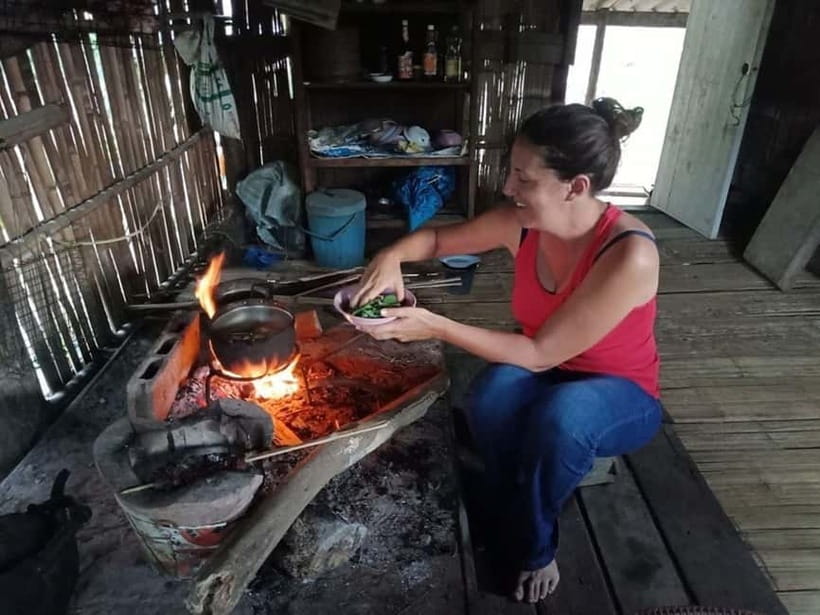
- Lunch over firewood: Cook with your guide in a traditional bamboo hut kitchen without LPG.
- Tea and farm country: Pass a Chinese village tea plantation, plus pineapple, rice, coffee, and chocolate fields where available.
- A proper waterfall stop: Bring swimwear for Huay Kaew Waterfall and allow time for a refreshing dip.
- A hot spring finish: Return to the hot spring for a mineral bath before driving back to Chiang Rai.
- Small-group feel: The experience is designed for a small group, with an English-speaking guide and transport included.
Why this trek feels different from a quick village tour
Many northern Thailand excursions use a vehicle to connect a series of viewpoints and cultural stops. This one asks you to walk between them. That changes the day. You see the farms that support village life, notice plants along the trail, and get a better sense of how the communities connect to the forest.
The route begins in the Lam Nam Kok National Park area. From the hot spring, you set off through forest and bamboo groves toward a Lisu village. The setting is rural and green, but the appeal is not only the scenery. Your guide explains plants, herbs, animals, local customs, and village life along the way.
The guide is an important part of the experience. The supplied information does not give a personal name, but the guide is English-speaking and is expected to explain the uses of plants and the customs of the Lahu, Akha, Chinese, and Lisu communities. This is the sort of tour where a good guide makes the difference between a pleasant walk and a memorable one.
You should also expect a slower, observant pace. The day is not built around rushing from one stop to the next. There is time to examine plants, taste fruit and spices when offered, and understand how lunch is prepared. If you want a polished sightseeing loop with little exertion, this is not the right choice. If you enjoy learning as you walk, it has real value.
More Waterfall Treks in Thailand
- Chiang Rai: 2-Day Jungle Trek only walk with Waterfall
★ 4.8 · 17 reviews - Khao Sok: Private Waterfalls and Wildlife Half-Day Trek
★ 4.5 · 337 reviews - Trekking to Waterfall Adventure Tubing 45 mins. (Only Khao lak)
★ 5.0 · 111 reviews
From the hot spring into bamboo forest
The day starts with pickup in Chiang Rai and a drive to the trekking area. Transport is included, and the tour returns you to Chiang Rai at the end. If your hotel is outside the normal pickup area, contact the provider before booking to confirm arrangements.
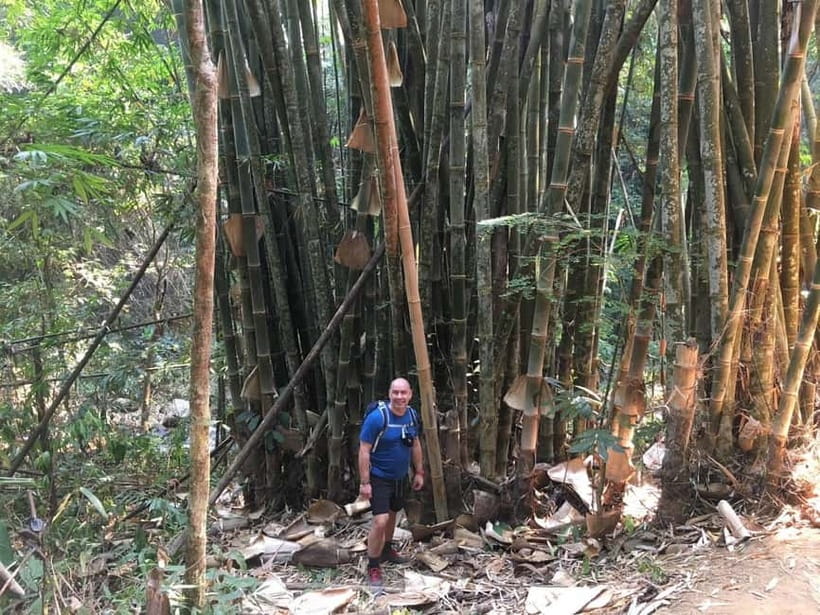
The walking begins near the hot spring. At first, the trail leads through forest and bamboo. Bamboo matters here in a practical way, not just as a pretty plant. It becomes part of the cooking hut and reflects the materials used in rural mountain life.
Bring insect repellent and wear shoes suitable for uneven ground. The route includes some steep uphill walking, and there are no flat paths throughout. The walk is described as about five hours, while the full outing takes around eight hours, including driving, stops, lunch, swimming, and the hot spring.
The elevation and trail conditions are not presented in technical detail, so you should judge your fitness by the distance and terrain rather than by a formal difficulty rating. Active people should find it manageable, but you do not need to be a serious athlete to understand the warning: this is not a gentle stroll.
Lisu village and lunch in a bamboo kitchen
The first village on foot is Lisu. The stop is tied to the lunch experience, which is one of the most appealing parts of the day. Rather than eating a standard packed meal, you help cook in a hilltribe bamboo hut using a traditional kitchen and firewood.
There is no LPG cooking here. That detail matters because it turns lunch into a small lesson in daily life. You see the fuel, setting, and methods used in the kitchen, then eat food prepared in that environment. The guide helps you take part, so this is more engaging than simply watching someone else cook.
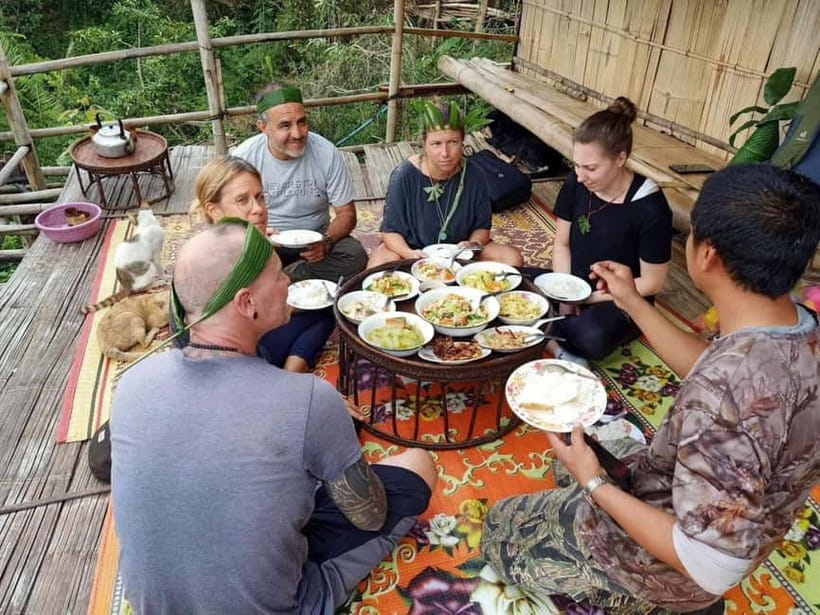
The meal is included, as are drinking water and the guide. Food is described as delicious, with opportunities to try freshly picked pineapple and various leaves and plants. The exact menu may depend on what is available, so do not expect a fixed restaurant-style selection.
This is also the point where respectful behavior matters. You are entering a working community, not a staged cultural show. Listen to your guide, ask before photographing people, and treat the cooking area as someone’s real kitchen. The value of the stop comes from its ordinary nature.
Chinese village tea and working farmland
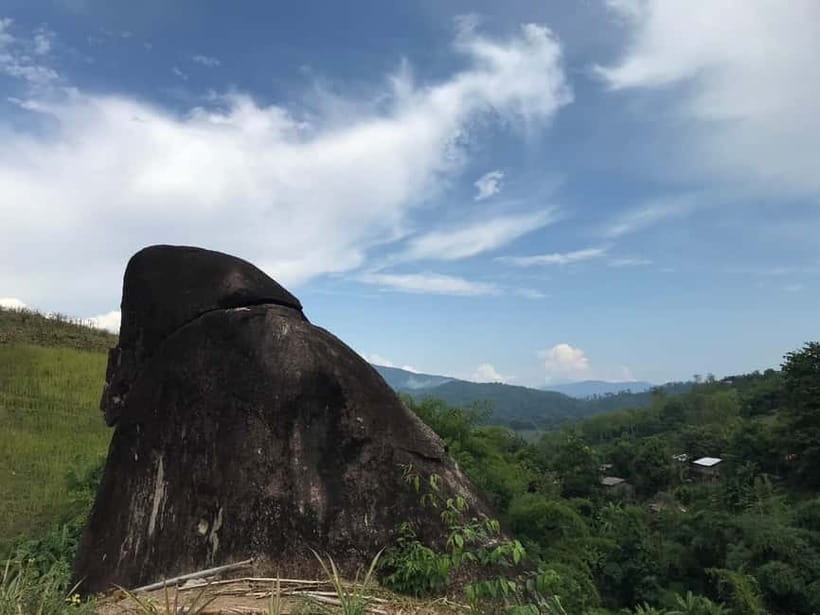
After lunch, the route continues toward a Chinese village and its tea plantation. Tea gives this section a different feel from the forest walk. You are not only looking at vegetation. You are seeing a crop connected to local work and income.
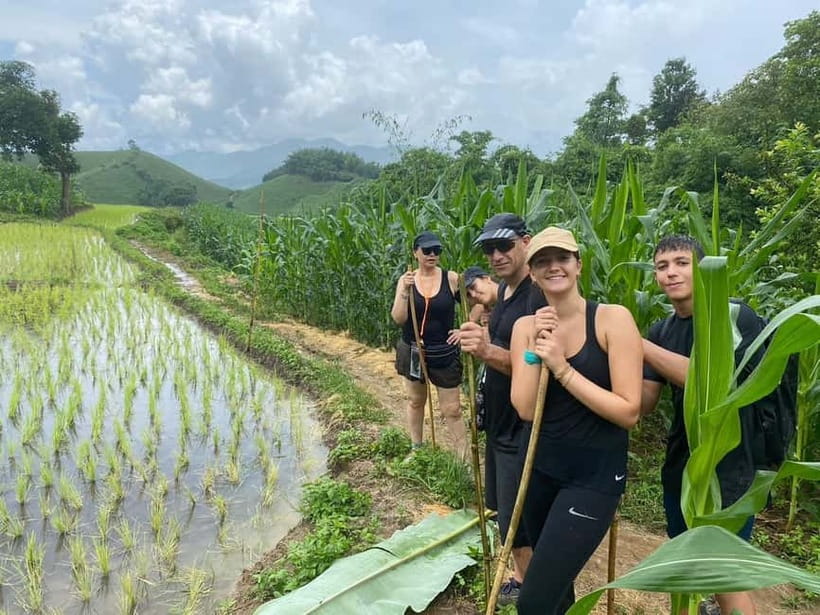
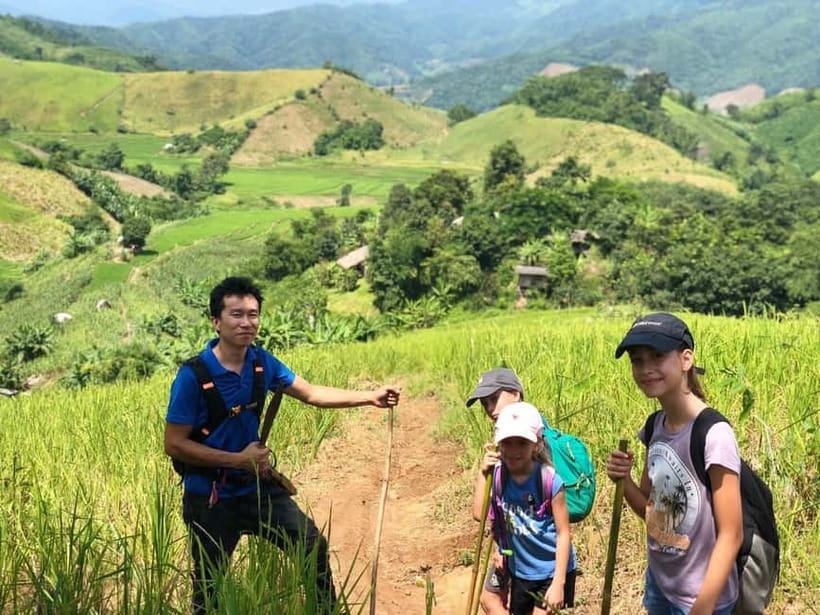
The route also passes through farmland associated with the hilltribe communities. Depending on the season and exact path, you might see pineapple, rice, coffee, or chocolate plants. The guide can point out edible leaves, herbs, fruit, and spices found along the way, making the walk feel more like a field lesson than a simple hike.
This is where the tour’s walking format pays off. From a vehicle, farmland is a passing view. On foot, you have time to notice the texture of the crops, the changes in vegetation, and the way cultivated areas meet the forest.
Do not expect a formal tea tasting program unless your guide offers one on the day. The confirmed highlight is the tea plantation visit in the Chinese village. The emphasis is on walking through the area and learning about local life, not on a commercial tea presentation.
More Waterfall Treks in Chiang Rai
- Bali: Munduk Waterfalls Trek, Twin Lakes and Temple Tour
★ 4.8 · 545 reviews - Selogriyo Temple and Trekking Java Rice Terraces, hidden waterfall -Nature Java
★ 5.0 · 179 reviews - Ubud: Rice Terrace, Holy Water Temple & Waterfalls Trek Tour
★ 4.9 · 115 reviews - Chiang Mai: 2-Days Jungle Trek, Waterfalls and Karen Village
★ 4.8 · 103 reviews
Huay Kaew Waterfall and the best cooling stop
Huay Kaew Waterfall is the major natural break in the route. It is described as the second largest waterfall in Chiang Rai, and you can swim there if conditions are suitable. After several hours of walking, the chance to cool off in the water is more than a photo stop.
Pack swimwear and a change of clothes. You should also bring a hat, water, and insect repellent. Drinking water is included, but carrying what you need during the walk is still sensible, especially in warm weather.
Conditions at a natural waterfall can vary, so follow your guide’s advice before entering the water. The experience does not promise a particular water level or swimming condition. Think of the swim as an opportunity, not a guarantee of a long bathing session.
The waterfall also gives the day a useful rhythm. The route includes forest, village life, farmland, and then water. That variety helps the long walk feel less repetitive. If you prefer tours with constant activity and several distinct settings, this itinerary has a good balance.
Akha farms and the route toward the Lahu village
After the waterfall, you continue toward an Akha village and the surrounding farm country. This section adds another view of mountain life. You walk through cultivated land and open countryside, with the guide explaining the plants and the way local people use them.
The route then reaches a Lahu village before returning toward the hot spring. By this point, you have seen four distinct cultural areas: Lisu, Chinese, Akha, and Lahu. The tour does not treat them as identical. Your guide explains differences in customs and village life as you go.
Keep your expectations grounded. This is not a museum visit, and the information does not promise scheduled performances, craft demonstrations, or a formal welcome ceremony. The attraction is the chance to walk through the areas and see how farms, homes, forest, and trails fit together.
You will likely get the most from this section if you stay curious and patient. Ask about plants, farming, and local customs. The guide’s ability to explain what you are seeing is a major part of the tour’s value.
Ending with a mineral hot bath
The final stop is the hot spring where the walk began. After the forest, villages, farm paths, and waterfall, you can take a mineral hot bath before the drive back to Chiang Rai.
That ending is well judged. A cool swim breaks up the walking, while the warm spring gives you a chance to relax after the final uphill and downhill sections. Bring a change of clothes, since you may swim at the waterfall and bathe again at the hot spring.
The schedule is long, but the stops divide it into manageable pieces. You are not walking for five unbroken hours. You have a cooking activity, a meal, village visits, a tea plantation, a waterfall, and the hot spring to break up the effort.
The walking and fitness question
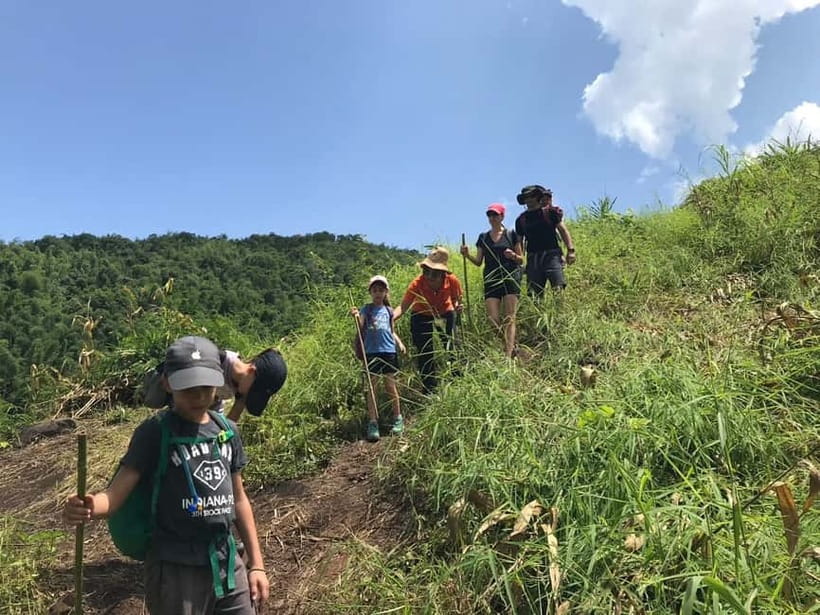
The most important practical point is the terrain. One account of the route puts the distance at about 10 kilometers, with steep uphill parts and no flat paths for the whole walk. The official suitability guidance excludes children under 10 and people over 70, and the tour is not suitable for wheelchair users.
That does not mean you need elite fitness. An active person who is comfortable walking for several hours should find the route manageable. Still, you should not book it if you are looking for an easy nature outing with short, level paths.
Wear sturdy walking shoes rather than sandals. A hat, insect repellent, swimwear, a change of clothes, and water belong in your day bag. Alcohol and drugs are not allowed, and pets cannot join the tour.
Pickup timing may not be exact. The stated window can run from 8:30 to 9:00, so be ready early, but allow some patience if the vehicle arrives later. One reported pickup ran to about 9:15, which is worth knowing if you dislike waiting outside your hotel.
What the $82 price gets you
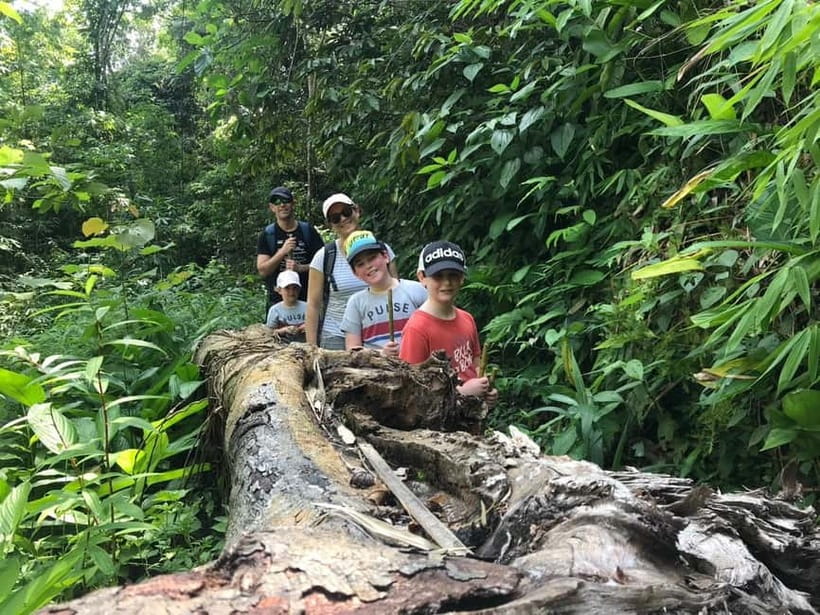
At $82 per person, the cost is reasonable if you value a full day with transport, a guide, lunch, drinking water, and travel insurance included. You are paying for more than a forest walk. The price covers a multi-stop route, cultural interpretation, a cooking activity, a waterfall visit, and the hot spring.
The value is strongest for people who would otherwise need to arrange separate transport and guiding for the national park, villages, and waterfall. A private car, local guide, food, and admission-related expenses could quickly make an independent version less simple.
The price may feel less attractive if you mainly want a short waterfall visit or a basic village photo stop. Much of the cost goes toward the length of the day and the guide-led explanation. You also need to be ready for the physical effort.
Other personal expenses are not included, so carry some money for anything outside the stated package. The tour allows you to reserve and pay later, and cancellation is available up to 24 hours before departure for a full refund.
Who should book this Chiang Rai trek?
I would choose this trip if you want active cultural travel rather than a bus tour. It suits couples, friends, and solo visitors who enjoy walking, tasting local ingredients, and asking questions about plants and customs.
It is especially good for you if lunch is part of the attraction. Cooking over firewood in a bamboo hut gives the day a genuine practical focus. You are not simply looking at village life from the edge of a road.
I would also recommend it if you want several kinds of scenery in one day: bamboo forest, farmland, tea plants, a waterfall, and a hot spring. The pace is full but varied.
I would skip it if you have knee, balance, or stamina concerns, or if a 10-kilometer route with steep sections sounds uncomfortable. The tour is not suitable for wheelchair users, children under 10, or people over 70. Anyone who dislikes uncertain pickup timing should also allow extra patience at the start.
Should you book it?
Book this trek if you want a long, active day that brings together northern Thailand’s forests, farms, villages, food, and hot springs. The strongest reasons are the wood-fire lunch, the guide’s plant knowledge, and the chance to see four hilltribe communities without spending the day in a vehicle.
Think carefully about the walking. The route is manageable for active people, but it is not flat or effortless. Pack for heat, insects, swimming, and a change of clothes, then give yourself enough time to enjoy the stops instead of racing through them.
For a visitor based in Chiang Rai who wants a small-group outing with real participation, this is a strong choice at $82. For anyone seeking a relaxed sightseeing day, choose something shorter.
FAQ
Where does the trek start and finish?
The tour starts in Chiang Rai, travels to the trekking area near Lam Nam Kok National Park, and returns to Chiang Rai by car.
How long does the full experience take?
The full outing takes around eight hours. The total walking time is about five hours.
How far will I walk?
The route is approximately 10 kilometers, with some steep uphill sections and no consistently flat paths.
Which hilltribe villages will I visit?
The route includes Lisu, Chinese, Akha, and Lahu villages.
Is lunch included?
Yes. Lunch is included, and you help prepare it in a bamboo hut kitchen using firewood rather than LPG.
Can I swim during the trek?
Yes, swimwear is recommended because you can swim at Huay Kaew Waterfall, subject to conditions.
What should I bring?
Bring a hat, swimwear, a change of clothes, water, and insect repellent. Suitable walking shoes are also practical for the uneven and steep sections.
Is the tour suitable for children or wheelchair users?
It is not suitable for children under 10, people over 70, or wheelchair users.
Latest treks added in Chiang Rai
- Trekking with Lunch cooked by Bamboo in the Chiang Rai jungle★ 5.0 · 12 reviews
- Full Day Trekking & bamboo cooking Tour in Chiang Rai★ 5.0 · 7 reviews
- Akha private eco-trekking 2 days 1 night Chiang Rai★ 4.5 · 2 reviews
- One Day Trekking Chiang Rai Jungle Adventure and Bamboo Cooking★ 3.5 · 3 reviews
- Cultural trekking and boat trip★ 5.0 · 5 reviews
- Chiangrai: Group Trekking with Bamboo Cooking★ 4.8 · 5 reviews
- Chiang Rai: The Adventure of Trekking & Bamboo Cooking★ 5.0 · 3 reviews
- Chiang Rai Jungle Trek & Bamboo Tube Cooking Adventure★ 5.0 · 5 reviews
Waterfall Treks, compared.

Munduk Waterfalls Trek, Twin Lakes and Temple Tour
Read our review →
Khao Sok: Private Waterfalls and Wildlife Half-Day Trek
Read our review →
Selogriyo Temple and Trekking Java Rice Terraces, hidden waterfall -Nature Java
Read our review →
Rice Terrace, Holy Water Temple & Waterfalls Trek Tour
Read our review →
Trekking to Waterfall Adventure Tubing 45 mins. (Only Khao lak)
Read our review →
2-Days Jungle Trek, Waterfalls and Karen Village
Read our review →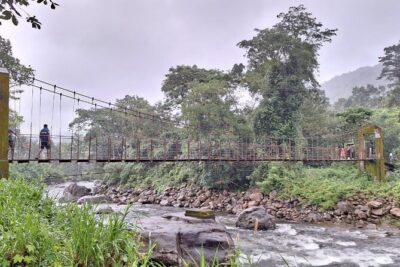
Wild Elephant Anakulam & Waterfalls Tour(munnar valley Trekking)
Read our review →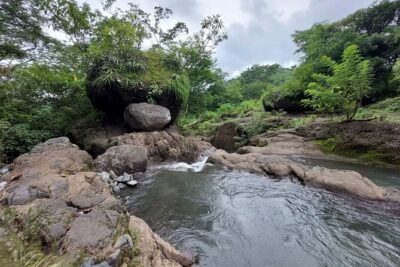
Tamanique Waterfalls Complex Trek + El Tunco Beach
Read our review →Browse the lists this tour appears in