
REVIEW · CHIANG MAI
Chiang Mai: Hmong Village, Doi Suthep and Wat Pha Lat Trek
Wat Pha Lat is the star of this outing. You reach the quiet temple by following the old Monk’s Trail through forest, then continue by car to famous Doi Suthep and its broad view over Chiang Mai. The day finishes at a Hmong village, where you can see local handicrafts, daily life, and village coffee.
I like the balance here: a real walk through the forest comes before the major temple, and the small group keeps the day more personal than a large bus trip. Hotel pickup and entrance fees are also included, which makes $57 a fair price for a seven-hour outing. The main caution is the hike. It is not a gentle sightseeing stroll, and the route may feel shorter than the advertised 1.5 hours depending on the pace and conditions.
Key points at a glance
- Follow the Monk’s Trail to Wat Pha Lat: A forest walk leads to a peaceful temple once used by monks traveling toward Doi Suthep.
- See Chiang Mai from Doi Suthep: The golden chedi and city view provide the day’s big visual payoff.
- Visit a Hmong mountain village: Expect time for walking, photos, handicrafts, local culture, and coffee.
- Travel in a group of no more than nine: Transport is by sedan, MPV, or van, depending on group size.
- Plan for a proper hike: More than two hours of walking is included overall, and the tour is not suited to low fitness or mobility limitations.
- Use the flexible booking terms: You can cancel up to 24 hours ahead for a full refund and reserve without paying immediately.
Why the Monk’s Trail is the right place to begin
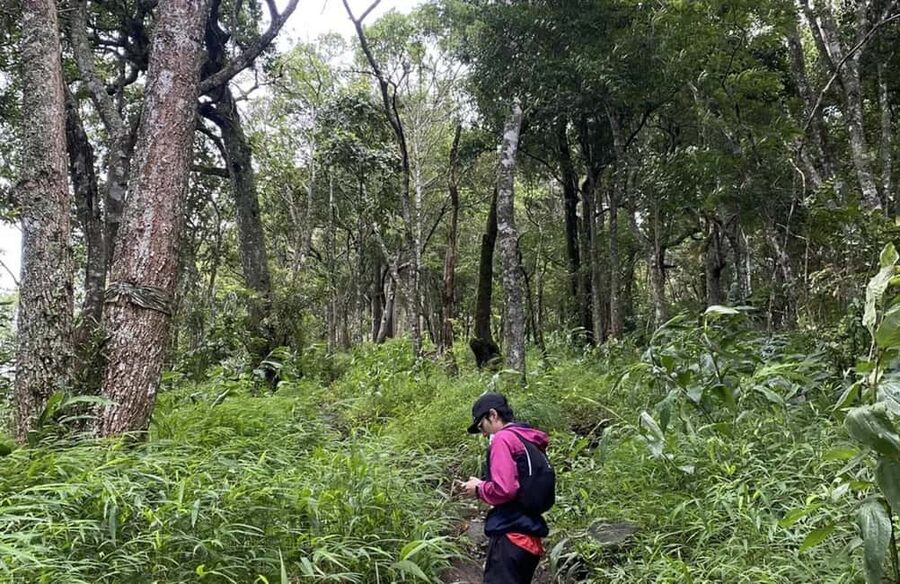
Many Chiang Mai temple outings start with a vehicle and end with a quick photo. This one begins on foot. That change matters. The Monk’s Trail gives you time to shift from city traffic to forest quiet before arriving at Wat Pha Lat.
The route passes through green woodland, with the sound of nature replacing the noise of town. Monks and local people still use the path as a form of pilgrimage, so the walk has a purpose beyond getting from one attraction to another. You are following an old route rather than simply stepping off a tour van.
The hike is listed as taking about 1.5 hours, while the full activity includes more than two hours of hiking. In practice, timing depends on the group, pauses, and the pace set by the guide. One account from a November visit found the walk closer to an hour, so do not treat the stated duration as a promise of nonstop trail time.
You will want proper hiking shoes, not smooth-soled sandals. Bring insect repellent, a hat, sunglasses, weather-appropriate outdoor clothing, and a small daypack. Chiang Mai can be warm, and forest paths can feel damp or uneven even when the city is dry.
More Trekking Tours in Chiang Mai
- 3-in-1: Doi Inthanon Tour, Elephant Sanctuary, and Trekking Trail
★ 5.0 · 1,087 reviews - Chiang Mai: Doi Inthanon Trip with Pha Dok Siew Guided Trek
★ 4.6 · 910 reviews - Chiang Mai: 2-Day Jungle Trek with Elephant Farm & Raft Ride
★ 4.7 · 881 reviews
Wat Pha Lat, a quiet temple in the trees
Wat Pha Lat, also written Wat Pa Lat, feels very different from Doi Suthep. It dates to around the 14th century, during the Lanna Kingdom, and served as a resting and meditation place for monks making their way up the mountain.
The setting is the main attraction. The temple is built among trees, and the forest gives the site a calm, tucked-away character. You get carved details, religious structures, and a sense of a working sacred place rather than a single grand monument designed for quick viewing.
This is where the walking pays off. Arriving at Wat Pha Lat under your own power gives the stop a better sense of place. You have already moved through the forest, so the temple feels connected to the route and the mountain instead of isolated from it.
Allow time to slow down here. The itinerary gives the temple stop part of the hiking period, so this is not a long guided lecture followed by an extended visit. The guide can help explain the site, but the pleasure is also in sitting quietly, looking around, and enjoying the change from city heat to forest shade.
Doi Suthep and the view over Chiang Mai
After Wat Pha Lat, you continue to Wat Phra That Doi Suthep by car. This is Chiang Mai’s best-known temple and the busiest part of the day. The tour allows about 30 minutes for the temple visit, so you should expect a focused stop rather than hours of unhurried exploration.
The central golden chedi holds sacred Buddha relics. That gives the temple importance for Buddhist worshippers as well as for sightseers, and it is worth treating the grounds as a religious place, not just a viewpoint with decorative buildings.
The broad view over Chiang Mai is the other reason to come. From the temple grounds, the city spreads below the mountain. On a clear day, this helps you understand Chiang Mai’s position between the urban center and the high country around Doi Suthep-Pui National Park.
Thirty minutes can pass quickly. Keep your camera ready, listen carefully to the guide’s instructions, and do not assume you will have time to wander every corner. If your priority is detailed temple study, this tour may feel brisk at Doi Suthep. If you want to combine the temple with a forest walk and village visit, the shorter stop keeps the full day moving.
Dress respectfully for both temples. The supplied information calls for outdoor and weather-appropriate clothing, but a temple visit also calls for sensible coverage. Comfortable shoes matter more than fashion here.
A mountain village and a different view of northern Thailand
The final major stop is a traditional Hmong hill tribe village above Chiang Mai. The Hmong are an ethnic minority with roots in the highlands of southern China, Laos, Vietnam, and Myanmar. A visit here adds a cultural side to the day that the two temples cannot provide.
You have about 1.5 hours for a mix of free time, walking, photographs, and village exploration. Expect to see handicrafts and aspects of traditional life. The pace is less fixed than at the temples, which gives you room to look around rather than follow a strict sequence of stops.
The village coffee is another appealing detail. Coffee is part of the stop, but the supplied information does not say that a drink or meal is included in the price. Bring personal spending money if you want to buy something, and remember that personal expenses and meals are not covered.
Approach this visit with curiosity and respect. The useful question is not how quickly you can collect photographs, but what you can notice about the setting, craftwork, and daily routines. Your guide can help put what you see into context, while your free time lets you decide how long to spend browsing or walking.
The village also changes the rhythm of the day. After the trail and temple visits, you are no longer focused only on monuments. You get a chance to see how mountain communities are presented to visitors and to support local purchases if something genuinely interests you.
Another trail to compare in Chiang Mai:
- Chiang Mai: Doi Inthanon Park and Pha Dok Siew Trail Trek
★ 4.6 · 752 reviews - Doi Inthanon Private Tour with Trek & Lunch from Chiang Mai
★ 5.0 · 622 reviews - Chiang Mai: Doi Inthanon National Park and Pha Dok Siew Trek
★ 4.5 · 527 reviews - Chiang Mai: Gibbons, Trekking & Mae Kampong Small Group Tour
★ 4.9 · 504 reviews
Transport, group size, and the seven-hour schedule
The tour lasts about seven hours, with pickup and drop-off available in Chiang Mai’s Old City and Nimman areas. You should be ready in your accommodation lobby 10 minutes before the scheduled pickup.
Transport depends on the number of people in your group:
- Three people travel in a sedan.
- Four or five people travel in an MPV.
- Five to nine people travel in a van.
The maximum group size is nine. That is small enough for easier communication with an English or Thai-speaking guide, and it should make pickup, trail pacing, and village questions less awkward than they would be on a large coach.
The schedule has a clear shape: hotel pickup, forest hike, Wat Pha Lat, car transfer to Doi Suthep, temple visit, time in Doi Suthep-Pui National Park, Hmong village, and return to Chiang Mai. It is a full morning and afternoon, not a quick half-day excursion.
The itinerary lists Doi Suthep-Pui National Park as a separate one-hour visit, but the available details do not identify a separate attraction or trail within that hour. You should think of it as mountain and forest time connected to the temple and village route, rather than expect a specific additional landmark.
Is $57 a good value?
At $57 per person, this tour gives you more than transport to one temple. The price includes hotel pickup and drop-off, an English guide, entrance fees, a car suited to the group size, and more than two hours of hiking.
That combination makes the price reasonable if you want to see several sides of Chiang Mai in one day. Booking separate transport to the mountain, arranging a guide, paying temple fees, and finding the Monk’s Trail on your own would take more planning. You also avoid having to negotiate several rides between the old city, trailhead, Doi Suthep, and the Hmong village.
The value is less convincing if you mainly want a long, quiet hike. This is a sightseeing day with a hike in it, not a dedicated trek. You also do not get meals, and personal expenses are extra.
The small-group format helps the price. With no more than nine participants, you are paying for a shared day without joining a large vehicle packed with people. A private tour would offer more control, but this option gives you a practical middle ground.
What the guide can add
A guide matters most at the transition points. At Wat Pha Lat, the guide can explain why the Monk’s Trail matters and how the temple fits into the route to Doi Suthep. At Doi Suthep, the guide can point out the religious importance of the chedi and help you use the limited visit time well.
At the Hmong village, the guide can also help you understand what you are seeing without turning the stop into a rushed parade of photographs. The tour is offered in English or Thai, so confirm the language you need when booking.
The available feedback describes the guide as friendly, reserved, and willing to respond to personal wishes. That suggests a calm guiding style rather than a nonstop performance. Some people will appreciate that. If you prefer a guide who talks constantly, gives long historical explanations, or controls every minute, you may find the approach too quiet.
The same account also noted that the area was crowded overall. That is a useful warning for Doi Suthep and popular mountain stops. The small group does not make the whole mountain private, and the famous temple can still feel busy.
Fitness, clothing, and practical preparation
You need a reasonable fitness level for this tour. It is specifically not suitable for people with mobility impairments, heart problems, or a low level of fitness. The forest trail is the key reason, but the day also includes walking at temples and around the village.
Bring:
- Hiking shoes with a secure grip
- Sunglasses and a hat
- Insect repellent
- Outdoor clothing suited to the weather
- A small daypack
Do not rely on the vehicle to solve every walking problem. You will still spend meaningful time on foot, and the guide may set a pace that works for the group rather than for one person who arrives unprepared.
The tour does not include meals. The village stop may offer coffee, but the supplied details do not confirm that refreshments are included. Carry whatever personal items you normally need for a seven-hour day, and bring money for personal purchases.
The cancellation terms are useful if your plans are still shifting. You can cancel up to 24 hours before the activity for a full refund, and you can reserve now while paying later. Availability and starting times should still be checked for your date.
Who should book this Chiang Mai outing?
I would choose this experience if you want three different settings in one day: a forest trail, a major Buddhist temple, and a mountain community. It suits an active couple, friends, or a small family group whose members are comfortable walking for several hours.
It is also a good fit if you are staying in the Old City or Nimman and want hotel pickup rather than a complicated morning of transport planning. The $57 price makes sense for someone who values a guide, included entrance fees, and a small vehicle.
I would think twice if your mobility is limited, you have heart problems, or you do not exercise much. I would also choose a different outing if you want a slow, detailed visit to Doi Suthep alone, since the temple portion is only about 30 minutes.
One practical point is worth stressing: the day can feel busy. Doi Suthep is famous, the mountain route attracts people, and the entire experience fits a lot into seven hours. You get variety, but not unlimited time at each stop.
Should you book it?
Book this tour if you want an efficient introduction to the mountain above Chiang Mai and are happy to trade long visits for variety. The Monk’s Trail and Wat Pha Lat give the day its character, while Doi Suthep supplies the landmark and the Hmong village adds local culture and coffee.
Skip it if you need a gentle itinerary, a private pace, or a serious full-day trek. For an active visitor who wants transport, a guide, temple access, forest walking, and a small group for $57, this is a well-balanced choice.
FAQ
How long does the Chiang Mai tour last?
The activity lasts about seven hours, including hotel pickup, transport, hiking, temple visits, village time, and the return to Chiang Mai.
Where is hotel pickup available?
Pickup is available from accommodations in Chiang Mai City, including the Old City and Nimman areas. You should wait in the lobby 10 minutes before the scheduled pickup.
How many people can join the tour?
The small group is limited to nine participants.
What type of vehicle is used?
Groups of three use a sedan. Groups of four or five use an MPV. Groups of five to nine use a van.
Is hiking included?
Yes. The tour includes more than two hours of hiking overall, including the Monk’s Trail to Wat Pha Lat. The listed trail section takes about 1.5 hours, although the actual walking time can vary.
Is this tour suitable for people with mobility issues?
No. The tour is not suitable for people with mobility impairments, heart problems, or a low level of fitness.
What languages are available?
The live guide service is available in English and Thai.
Are meals included?
No. Other meals are not included, and personal expenses are also excluded. Coffee is part of the village experience, but the supplied details do not confirm that a drink is included.
Can I cancel the booking?
Yes. You can cancel up to 24 hours in advance for a full refund. You can also reserve now and pay later.
Latest treks added in Chiang Mai
- Small Group : Trekking Trip in Chiang Mai (Doi Suthep Area) with Market Tour★ 5.0 · 4 reviews
- Trekking at the Monk Trail and Doi Suthep Temple Private Tour★ 5.0 · 3 reviews
- Trek to a Jungle Waterfall★ 5.0 · 14 reviews
- Fantastic! Famous Doi Inthanon National park tour with 2hr trekking★ 4.5 · 17 reviews
- Private Tour 2 Difference Trails Trekking at Doi Inthanon National Park★ 5.0 · 19 reviews
- 8KM White Water Rafting and 3HRS Jungle Trekking Adventure★ 5.0 · 9 reviews
- One day Doi Inthanon National Park & Trekking on Kew Mae Pan★ 5.0 · 12 reviews
- One day Doi Inthanon & Trekking at Pha Dok Siew★ 3.5 · 3 reviews
Chiang Mai Trekking Tours, compared.

3-in-1: Doi Inthanon Tour, Elephant Sanctuary, and Trekking Trail
Read our review →

Doi Inthanon Private Tour with Trek & Lunch from Chiang Mai
Read our review →
Doi Inthanon National Park and Pha Dok Siew Trek
Read our review →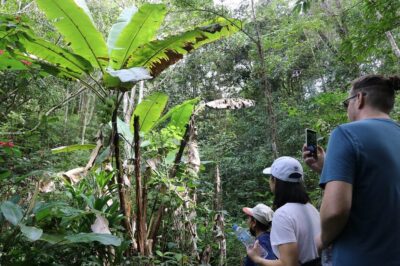
Gibbons, Trekking & Mae Kampong Small Group Tour
Read our review →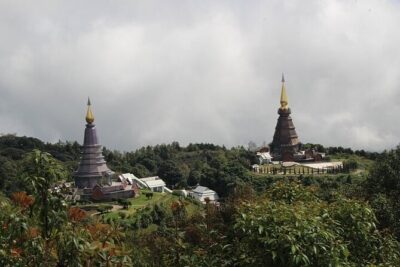
Doi inthanon National Park + 2Hour Fantastic Trekking with Lunch
Read our review →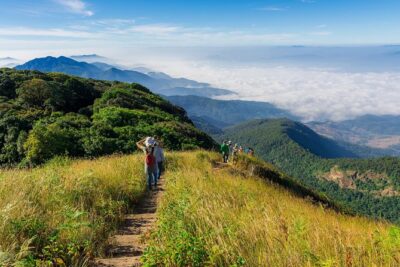
Doi Inthanon National Park with Nature Trail Trekking 1-Day Tour
Read our review →Browse the lists this tour appears in