
REVIEW · CHIANG MAI
Chiang Mai Authentic Trekking
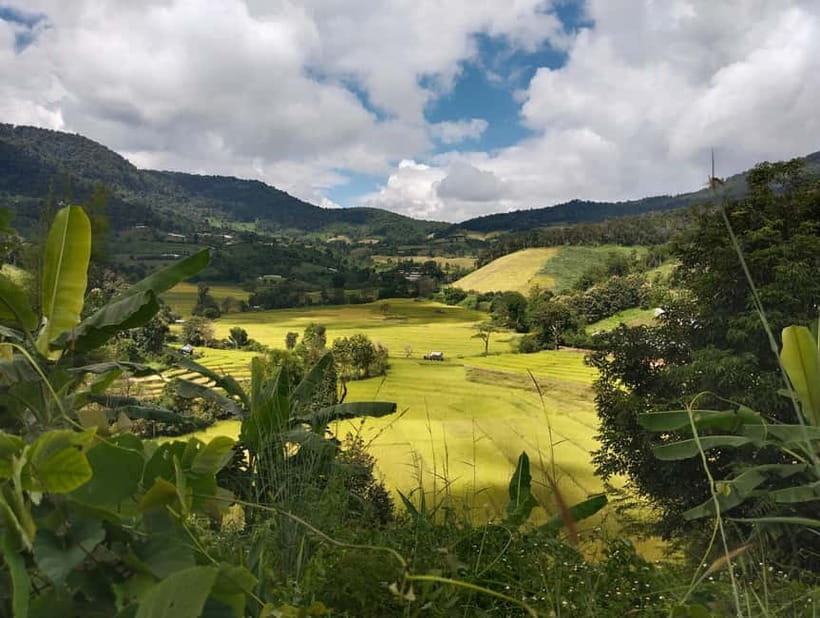
The best thing about Chiang Mai Authentic Trekking is that it takes you onto local mountain paths rather than a polished tourist trail. You begin with a market stop, then walk from Khun Poi, a Karen community, through rice fields, forest, and hill farms before reaching Phalai Mountain. Guide Pan is especially good with plants, and the route can feel wonderfully remote.
I like the small group of no more than eight people, and I like the direct support for local businesses: your lunch comes from a traditional market, and the walk passes working farms rather than staged cultural displays. The drawback is clear: this is a serious 10 to 12 kilometer hike, with steep and sometimes slippery sections. You need proper shoes and decent fitness.
Key points at a glance
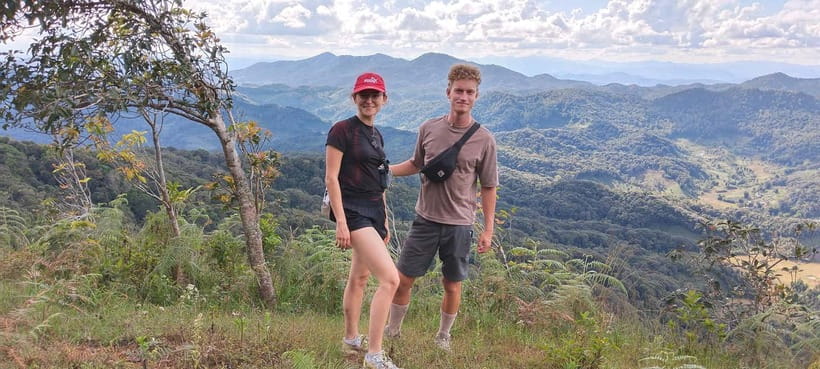
- A real mountain hike: Expect four to five hours on uneven trails, including a long uphill climb.
- Local market lunch: Buy food and water with your guide before heading into the hills.
- Karen village setting: Khun Poi offers a look at farming life and daily routines.
- Plant-focused guiding: Pan can point out edible and useful forest plants, herbs, and fruit.
- Phalai Mountain views: Reach a high point between Chom Thong and Mae Wang districts.
- Waterfall finish: Swim, cool down, or simply rest beside a secluded waterfall before returning to Chiang Mai.
Why this Chiang Mai trek feels different
Many day trips from Chiang Mai put you in a vehicle for most of the day and offer a short walk at the end. This one reverses the balance. The drive gets you to the hills, but the main event is on foot, with roughly four to five hours spent walking through mountain terrain.
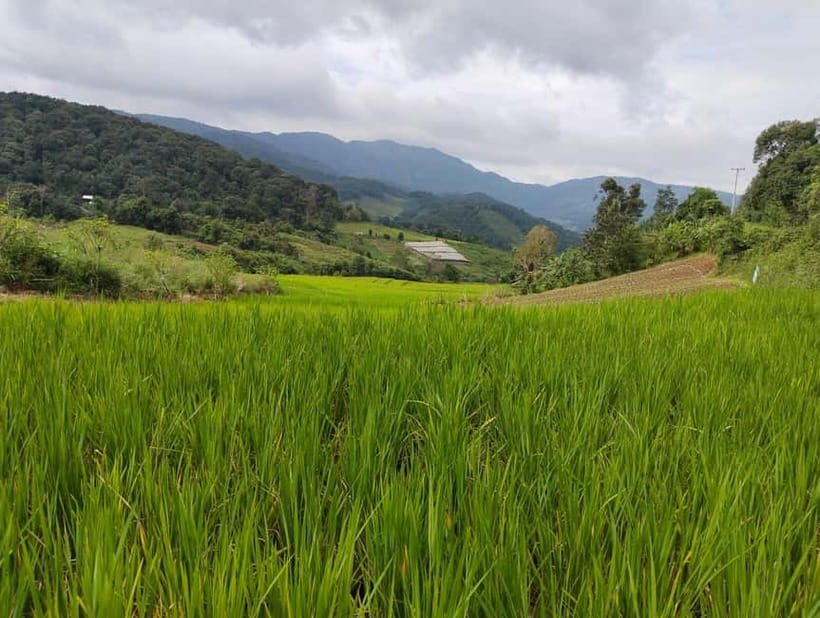
The route connects several parts of rural life. You see a market where people buy food, a Karen village surrounded by farms, rice fields, forest plants, mountain crops, and a waterfall used as a natural rest stop. That mix gives the day more meaning than a single viewpoint or a quick photo stop.
The experience also avoids the feel of a staged village visit. You pass through Khun Poi and see the setting where local people farm and carry on their daily work. A stop near the village school adds a human touch, though you should treat the area respectfully and avoid turning children into photo subjects.
The small group matters. With a maximum of eight participants, the guide can explain plants, adjust the pace, and help people over difficult sections more easily than on a large coach tour. Pan led several outings with a colleague and a local assistant, and his strong English and plant knowledge are useful parts of the experience.
More Trekking Tours in Chiang Mai
- 3-in-1: Doi Inthanon Tour, Elephant Sanctuary, and Trekking Trail
★ 5.0 · 1,087 reviews - Chiang Mai: Doi Inthanon Trip with Pha Dok Siew Guided Trek
★ 4.6 · 910 reviews - Chiang Mai: 2-Day Jungle Trek with Elephant Farm & Raft Ride
★ 4.7 · 881 reviews
The early drive south from Chiang Mai
Pickup takes place between 7:45 and 8:00 in the morning, with hotel pickup and return included around Chiang Mai. You should wait in the lobby about 10 minutes before the scheduled time. The drive toward the countryside takes about an hour, so this is an early start but not an unreasonable one for a full mountain day.
The van ride gives you time to watch the city thin out and the rural scenery take over. It also means you should not plan a tight morning appointment or an evening activity that begins immediately after the advertised 5:00 to 6:00 PM return. Mountain roads and the length of the trek can affect the exact timing.
The first useful stop is a traditional Thai market. Here, your guide helps you choose lunch and drinking water, explains local ingredients, and points out snacks and food used in everyday village shopping. This is a practical part of the trip, not just a quick stop for photographs.
I like this arrangement because your meal supports a local seller and gives you more say in what you eat. It also makes the later forest lunch feel connected to the place, rather than being a standard packed meal prepared far away. Bring cash for food, soft drinks, snacks, and personal purchases, since those are not included in the tour price.
Khun Poi and the Karen mountain community
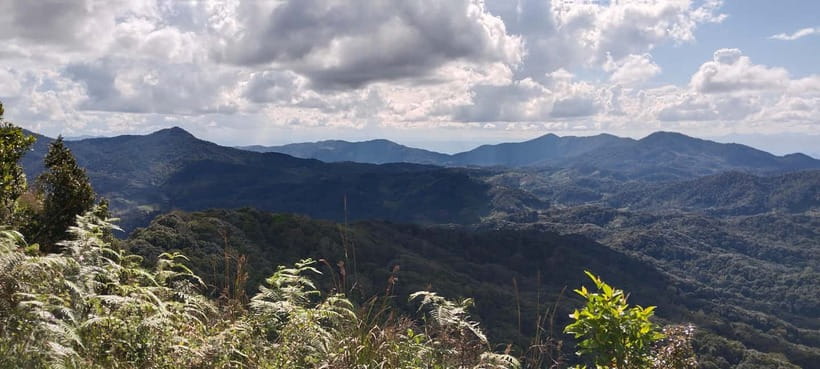
After the market, the van pauses at a scenic viewpoint. This is a short stop for valley photographs and a chance to see the mountain setting before the hike begins. A second viewpoint stop is listed as a brief walk, so you get a few small breaks before the longer climb.
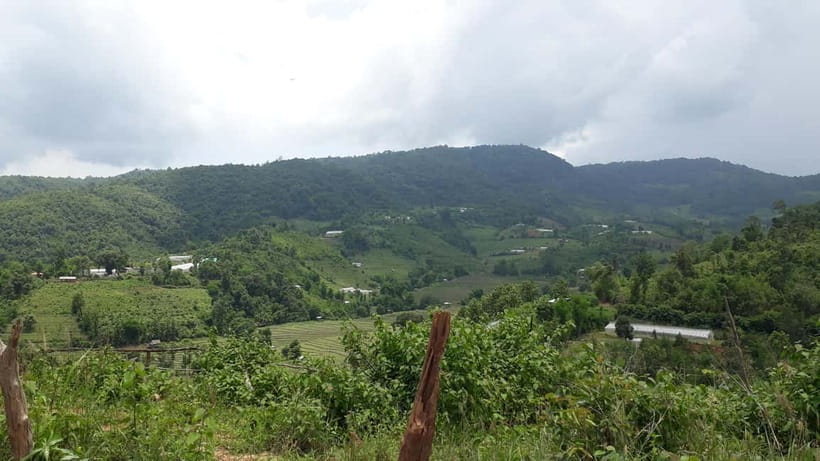
The group then reaches Khun Poi, a Karen hill tribe community in the Mae Wang area. The village is surrounded by mountains and farmland, and the visit helps put the walk into context. You are not simply hiking through empty woodland. You are moving through a working rural area where rice, coffee, vegetables, and fruit are part of daily life.
The trek starts near the village school. You may see children enjoying their day, which can be a warm moment, but remember that this is a real school and community, not a performance for visitors. Follow your guide’s lead about where to walk and when photography is appropriate.
The Karen setting is one of the strongest reasons to choose this outing. It offers contact with local life without promising a theatrical cultural show. The tradeoff is that facilities and paths are rural. Do not expect a visitor center, smooth pavement, or a neat sequence of attractions.
Four to five hours on mountain trails
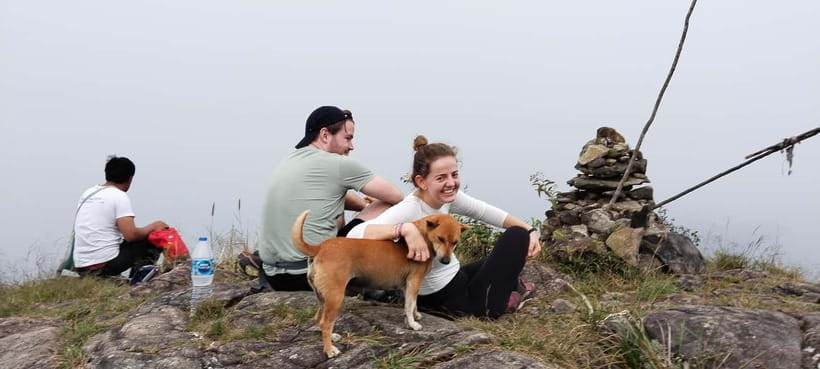
The main walk covers about 10 to 12 kilometers, depending on the exact route, and takes four to five hours. The terrain includes mountain paths, rice fields, forest trails, and farm tracks. The difficulty is rated medium, but that label needs a little explanation.
The uphill part can be demanding. One outing included about two hours of steady climbing, and another included steep, slippery sections. You should be comfortable walking for several hours and handling uneven ground. This is not a gentle stroll with a few scenic pauses.
Wear hiking shoes or sturdy shoes with a good grip. Comfortable clothes, a hat, sunscreen, insect repellent, and a small daypack will make the day easier. Bring a towel and swimwear for the waterfall, plus weather-appropriate clothing and any personal medication you need.
The route changes with the season. February through mid-May is the summer period, mid-May through mid-October is the rainy season, and mid-October through mid-February is the winter period. Wet conditions can make trails more slippery, so ask about the expected weather before you set out and pack accordingly.
Another trail to compare in Chiang Mai:
- Chiang Mai: Doi Inthanon Park and Pha Dok Siew Trail Trek
★ 4.6 · 752 reviews - Doi Inthanon Private Tour with Trek & Lunch from Chiang Mai
★ 5.0 · 622 reviews - Chiang Mai: Doi Inthanon National Park and Pha Dok Siew Trek
★ 4.5 · 527 reviews - Chiang Mai: Gibbons, Trekking & Mae Kampong Small Group Tour
★ 4.9 · 504 reviews
Plants, forest, and the climb to Phalai Mountain
One of the most interesting parts of the walk is the attention given to plants. Pan can identify vegetation used for food, medicine, and daily life, and you might taste some edible plants or fruit when the guide says it is safe. This turns the forest into more than a backdrop.
You also pass through rice fields and evergreen forest. The scenery shifts as you climb, from cultivated land to thicker woodland and then to open mountain views. You may see signs of wildlife such as wild boar, gibbons, barking deer, and many kinds of birds, although sightings are not guaranteed.
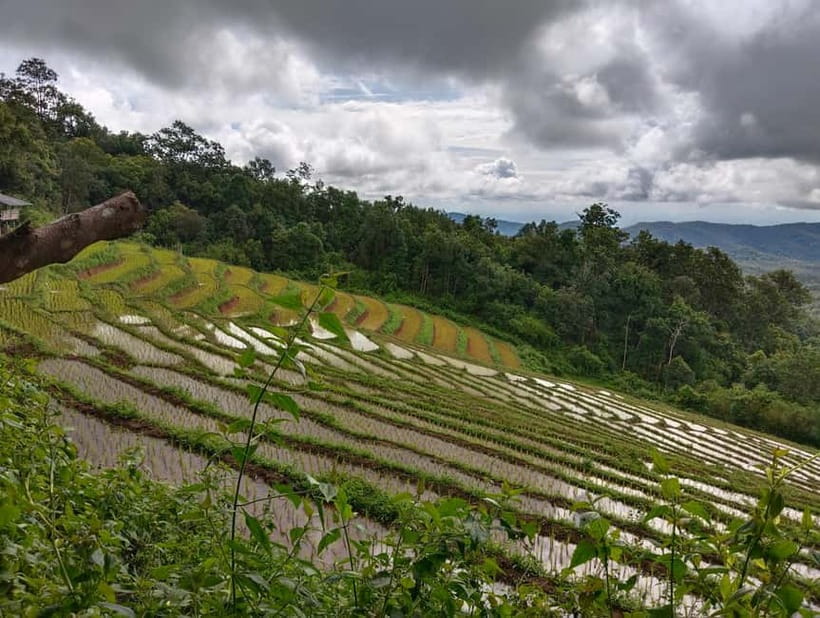
Phalai Mountain rises between Chom Thong and Mae Wang districts and connects with the Doi Inthanon National Park area. Reaching the top is the physical high point of the day. From there, you can look over the valley, nearby villages, rice terraces, and surrounding mountains.
The summit lunch makes sense after the climb. You eat food bought at the market, surrounded by fresh air and quiet rather than sitting in a restaurant. It is a simple arrangement, but it fits the day well. Carrying your lunch and water also means you should keep your daypack light and avoid bringing unnecessary items.
Farms, coffee, and the way back down
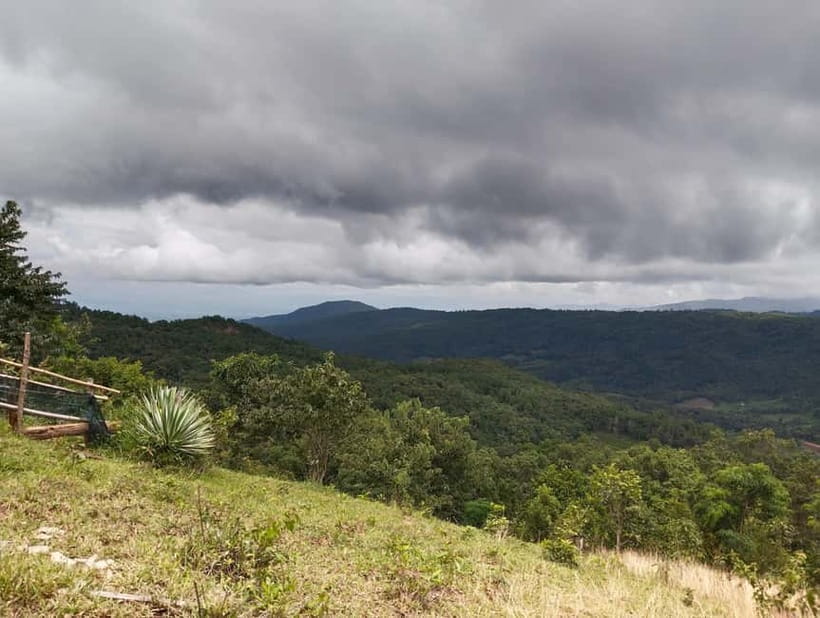
After lunch, the path continues through hill tribe farmland. The crops listed along the route include coffee, passion fruit, cape gooseberries, tomatoes, zucchini, and taro. The variety gives you a close look at how mountain families use small plots and changing elevations for food and income.
Coffee is a particularly nice detail. You might see where beans are grown and learn about handpicked coffee from the area. The farm sections also help explain the tour’s responsible travel claim in practical terms: your visit puts money into local food purchases and uses a local route, guide, and assistant.
A local gentleman and several dogs joined one outing for part of the walk. That sort of encounter cannot be promised, but it shows how connected the route is to ordinary community life. You are walking through places used by residents, not along a trail designed only for tour groups.
The route can be rougher than the description may first suggest. Some sections are steep, and downhill paths may become slippery, particularly after rain. Keep your pace controlled, listen to the guide, and do not treat the mountain views as a reason to rush.
A secluded waterfall before Chiang Mai
The waterfall comes after the main trek and provides a welcome break. You can swim, take photographs, or simply sit and cool off. Bring a towel, swimwear, and a dry change of clothes if you want to make the most of this stop.
This is a smart ending for an active day. The waterfall gives your legs a chance to recover before the van ride, and it adds a completely different setting after the heat and exertion of the trail. It is not presented as a major developed attraction, so do not expect changing rooms or resort-style facilities.
After the swim, you return by van to Chiang Mai, usually arriving around 5:00 to 6:00 PM. The day is long, but the schedule has a natural rhythm: market, village, climb, lunch, farms, waterfall, city.
Is $57 good value?
At $57 per person, the price is fair for a small-group full-day outing that includes hotel pickup and drop-off, transportation, an English-speaking guide, a local assistant, lunch, drinking water, and accident insurance. You are paying for a long guided hike rather than a short activity with a few scenic stops.
The value is strongest if you want local contact and a demanding walk. Your money supports the guide, assistant, transport, market purchases, and rural communities along the route. The small group also gives you more personal attention than a large organized excursion.
The price does not cover souvenirs, soft drinks, extra snacks, or other personal spending. Bring cash. You should also budget for the fact that the day requires proper footwear and hiking clothing, though those costs are usually modest if you already own outdoor gear.
If you want a relaxed countryside tour, the value is less convincing because much of the day is physically active. For a fit visitor who wants a genuine mountain route, the combination of guidance, food, transport, and a full day outdoors makes the cost reasonable.
Who should book this trek?
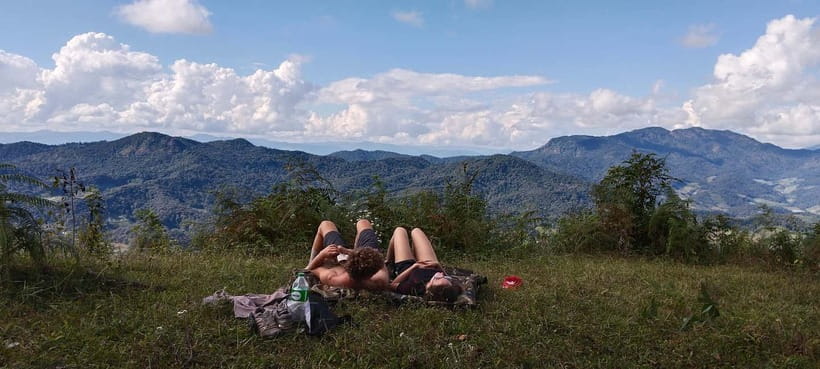
I would recommend it to you if you enjoy walking for several hours, want to see working farms, and prefer a small group over a large sightseeing bus. It suits people who are curious about Karen village life and Thai plant use, not just people chasing a viewpoint.
You do not need to be an expert hiker, but you should be comfortable with a medium-difficulty trail and a 10 to 12 kilometer day. Pregnant people, wheelchair users, people with mobility or heart problems, and babies under one year should not book it. The stated age guidance also rules it out for people over 70.
Bring your passport, as requested, along with personal medication, cash, water if you prefer a little extra, and clothing suited to the weather. Your guide provides drinking water, but a daypack makes carrying your own essentials easier.
The tour has a 4.8 rating from 18 reviews, and the strongest pattern is easy to understand: the route feels non-commercial, Pan explains plants well, and the day gives you a real workout. Those qualities are also the reason it will not suit everyone.
Should you book Chiang Mai Authentic Trekking?
Book it if you want a proper mountain hike with local context, not a soft adventure. The Karen village, market stop, farm paths, plant lessons, mountain summit, and waterfall create a full day with plenty of variety.
Skip it if you prefer short walks, air-conditioned sightseeing, or a predictable paved route. The uphill sections can be hard, the trail can be slippery, and the return time is approximate.
For fit visitors who want to spend a day supporting local people and walking beyond the usual tourist circuit, this is one of the more worthwhile ways to see the countryside south of Chiang Mai.
FAQ
How long is the Chiang Mai Authentic Trekking experience?
It lasts one full day. Pickup begins around 7:45 to 8:00 AM, and you usually return to your hotel between 5:00 and 6:00 PM.
How far do you walk?
The total trekking distance is about 10 to 12 kilometers. The walking portion takes roughly four to five hours.
Is this trek difficult?
It is rated moderate, but it includes mountain terrain, long uphill sections, and some steep or slippery parts. Good walking fitness and suitable shoes are important.
Where does the trek take place?
The route is in Chiang Mai Province, south of Chiang Mai, around Khun Poi, Mae Wang District, Mae Win, and Phalai Mountain near the Doi Inthanon National Park area.
Is lunch included?
Yes. Your guide stops at a traditional Thai market so you can buy lunch and drinking water, which you later eat during the trek. Soft drinks, snacks, and personal purchases are not included.
Is hotel pickup available?
Yes. Hotel pickup and drop-off around Chiang Mai are included. You should wait in your hotel lobby 10 minutes before the scheduled pickup.
Can I swim during the tour?
Yes. The route includes about 30 minutes at a secluded waterfall, where you can swim, relax, and take photographs. Bring swimwear and a towel.
How many people are in the group?
The tour is limited to eight participants. It includes an English-speaking guide and a local assistant.
Can I cancel the booking?
You can cancel up to 24 hours in advance for a full refund. You can also reserve now and pay later, subject to availability and booking conditions.
Latest treks added in Chiang Mai
- Small Group : Trekking Trip in Chiang Mai (Doi Suthep Area) with Market Tour★ 5.0 · 4 reviews
- Trekking at the Monk Trail and Doi Suthep Temple Private Tour★ 5.0 · 3 reviews
- Trek to a Jungle Waterfall★ 5.0 · 14 reviews
- Fantastic! Famous Doi Inthanon National park tour with 2hr trekking★ 4.5 · 17 reviews
- Private Tour 2 Difference Trails Trekking at Doi Inthanon National Park★ 5.0 · 19 reviews
- 8KM White Water Rafting and 3HRS Jungle Trekking Adventure★ 5.0 · 9 reviews
- One day Doi Inthanon & Trekking at Pha Dok Siew★ 3.5 · 3 reviews
- One day Doi Inthanon National Park & Trekking on Kew Mae Pan★ 5.0 · 12 reviews
Chiang Mai Trekking Tours, compared.
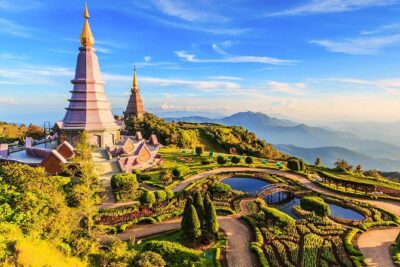
3-in-1: Doi Inthanon Tour, Elephant Sanctuary, and Trekking Trail
Read our review →
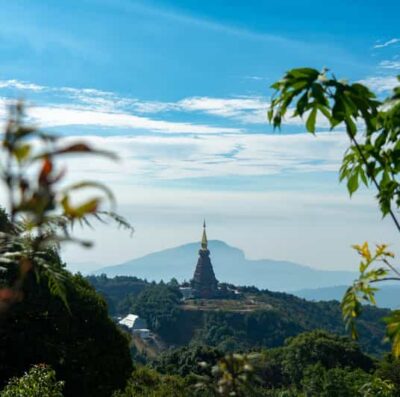
Doi Inthanon Private Tour with Trek & Lunch from Chiang Mai
Read our review →
Doi Inthanon National Park and Pha Dok Siew Trek
Read our review →
Gibbons, Trekking & Mae Kampong Small Group Tour
Read our review →
Doi inthanon National Park + 2Hour Fantastic Trekking with Lunch
Read our review →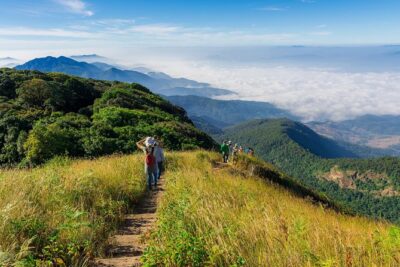
Doi Inthanon National Park with Nature Trail Trekking 1-Day Tour
Read our review →Browse the lists this tour appears in