
REVIEW · HANOI
2-Days Sapa Trekking and Overnight in Tavan Village
Sapa’s best moments come on foot, and this trip gives you a full afternoon among rice terraces, mountain streams, and hill-tribe villages, followed by a night in Ta Van. I like the long first trek and the chance to stay with a Dzay family instead of returning to a town hotel. I also like the low $52 price, which covers transport, meals, lodging, entrance fees, and a guide.
The catch is the schedule. You leave Hanoi early, reach Sapa around lunchtime, walk for several hours, then return to Hanoi late the next night. Confirm the bus departure details before you go, since one poor experience involved a different overnight sleeper-bus arrangement and an arrival in Sapa at 4:15 in the morning, leaving the passenger outside in the cold and dark.
Key points to know before booking
- The first trek covers about 9 kilometers: Expect roughly three and a half hours of walking from Y Linh Ho through Lao Chai and onward to Ta Van.
- Your overnight base is Ta Van Village: You stay in a bungalow or dorm-style wooden home with a Dzay family.
- The second morning is shorter but still scenic: A 4-kilometer route leads through rice paddies and bamboo forest to Giang Ta Chai, home of Red Dao people.
- The $52 price covers a lot: Bus transport, guide, meals, water, lodging, entrance tickets, and bus and homestay Wi-Fi are included.
- The schedule is tightly packed: You spend only a short time in Sapa Town before and after the village trek.
- Moderate fitness is needed: The route includes several hours of walking over rural paths, with no promise of easy, level ground.
Why this Sapa trip works for a short visit
This is a practical way to see the countryside around Sapa without paying for a night train or arranging several separate transfers. You leave Hanoi in the morning, reach Sapa at about 1 p.m., and spend the useful part of your visit walking through the Muong Hoa Valley.
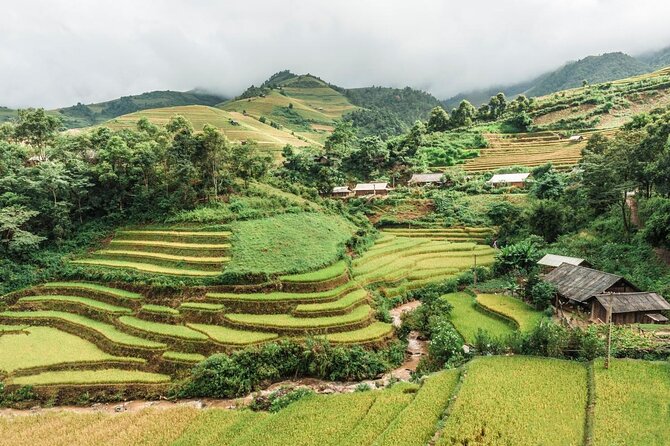
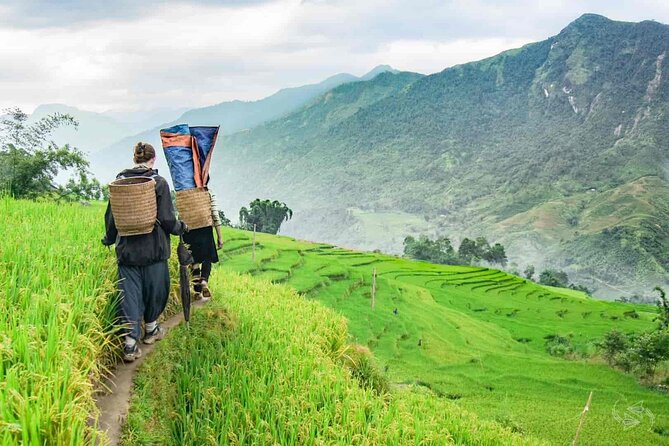
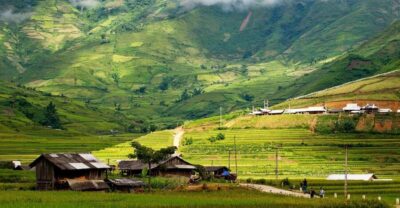
I like that the trip focuses on villages rather than only on Sapa Town. The route passes through Y Linh Ho and Lao Chai before reaching Ta Van. You see terraced fields, the Muong Hoa Stream, and mountain views around Hoang Lien Son. These are the scenes most people come to Sapa hoping to find, and walking between villages gives you time to notice how the terrain changes.
The trip is not designed for a slow, luxurious stay. It is a compact two-day outing with early starts, fixed transport, and long bus rides. At $52, the value comes from combining several costly pieces into one simple package. You receive a modern air-conditioned bus in both directions, two bottles of water per person for the round trip, meals, a guide, an overnight stay, and entrance tickets.
The price is especially useful for anyone comparing this with a night train. It does not mean every part will feel polished or private. You are joining a group of up to 20 people, and the homestay uses shared or dorm-style accommodation. Still, for a short visit from Hanoi, the basic arrangement makes financial sense.
More two-day treks in Hanoi
- Hanoi – Sapa 2 Days 1 Night Overnight At Homestay
★ 5.0 · 899 reviews - From Hanoi: 2-Day Sapa Trekking Trip with Homestay & Meals
★ 4.8 · 704 reviews - 2-Day Sa Pa Ethnic Homestay Tour & Trek with Limousine Bus
★ 4.8 · 440 reviews
The early bus from Hanoi to Sapa
Pickup is scheduled between 6 and 6:30 a.m. from hotels in Hanoi’s Old Quarter. You board a large bus and follow the highway toward Lao Cai, with a rest stop around 9:30 a.m. and another stop in Lao Cai at about 11 a.m.
That timing matters. You spend much of the morning on the road, but the route avoids the added cost and planning of a train connection. The bus is described as modern and air-conditioned, with comfortable seats and Wi-Fi. The two included water bottles are a small but useful touch on a long ride.
There is one important point to settle before departure. The planned schedule describes a morning bus, but a poor experience involved a 9:30 p.m. sleeper bus, a 4:15 a.m. arrival, and a wait in the cold and dark. Since that arrangement does not match the daytime schedule described here, ask the provider to confirm your exact pickup time, bus type, and Sapa arrival plan. This is the single most important practical check I would make.
First impressions of Sapa at 1 p.m.
The bus reaches Sapa around 1 p.m. Sapa Town is a busy mountain base where you may see people in the traditional clothing of H’mong, Dao, and Tay communities. You wait around 30 minutes at the bus station for the local guide and driver to collect the group and take you to the hotel.
The midday stop is brief. You receive a welcome drink, hear the plan for the afternoon, and eat lunch with local Vietnamese dishes. Do not expect a long rest in Sapa. The main walk begins at about 2:15 p.m., so keep your day bag ready and wear shoes that can handle uneven paths.
This short town stop is useful for getting oriented, but it is not a town tour. You have some free time in Sapa on the second afternoon, from about 2 to 3 p.m., when you can walk around or shop. If your main goal is markets, cafés, or Sapa’s town sights, this trip gives you only a small window for them.
The 9-kilometer walk to Ta Van
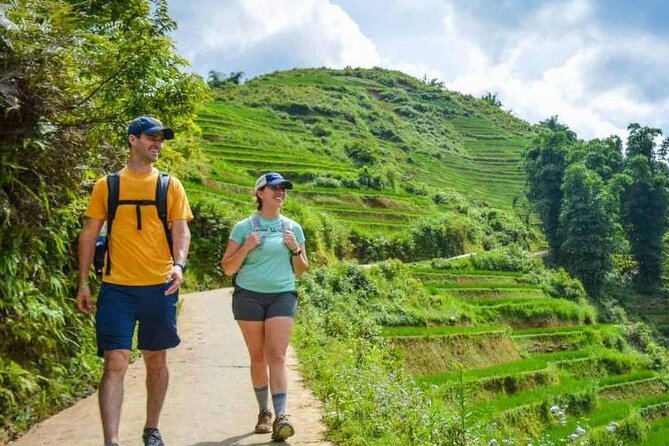
The first afternoon is the heart of the experience. From Sapa, you hike toward Y Linh Ho, then continue through rice terraces and alongside the Muong Hoa Stream. The route reaches Lao Chai, a Black Hmong village, before continuing toward Ta Van.
The stated distance is about 9 kilometers, taking roughly three and a half hours. The full afternoon block lasts about five hours once stops and the homestay arrival are included. That is a proper walk, not a quick village stroll.
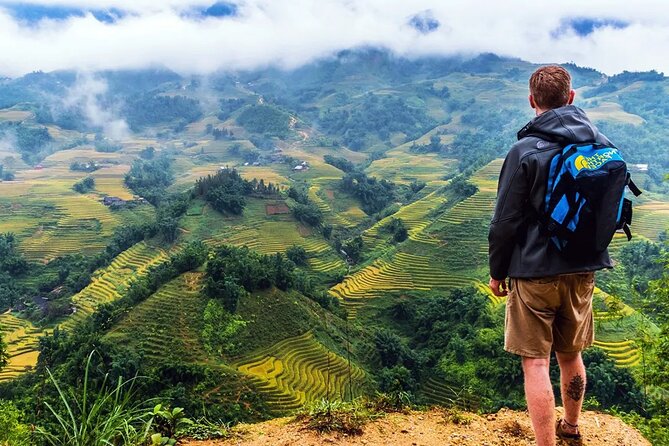
I like this section because the route has a clear sense of place. You are not simply driven to a viewpoint, given ten minutes for photos, and returned to town. The rice terraces unfold as you walk, and the stream gives the route a natural thread. The views toward Hoang Lien Son are a major reward, but the walking itself is the point.
You should still take the fitness warning seriously. The tour asks for moderate physical fitness, and the distance can feel demanding after a morning on a bus. The information does not promise a flat or paved route, so pack sensible footwear and keep your day pack light. Water is supplied on the bus, but carrying personal water during the trek is still sensible.
By late afternoon, you reach Ta Van, where Giay people live. The timing is good for seeing the village before settling in, but it leaves little spare time if the walk runs late. Your evening is built around the homestay, the mountain setting, and a chance to slow down after the road journey.
More Trekking Tours in Hanoi
- Sapa 3 Days 2 Nights Trekking Tour (1 Night In Ta Van Village, 1 Night In Hotel)
★ 5.0 · 699 reviews - 3-Day Trekking Adventure of Sapa from Hanoi – Stay Ta Van Village
★ 5.0 · 611 reviews - Hanoi – Sapa 3 Day 2 Night Trekking With Hotel & Homestay
★ 5.0 · 389 reviews - From Hanoi: 2-Day Sapa Trek Tour – Luxury Limousine Transfer
★ 4.1 · 249 reviews
A night with a Dzay family in Ta Van
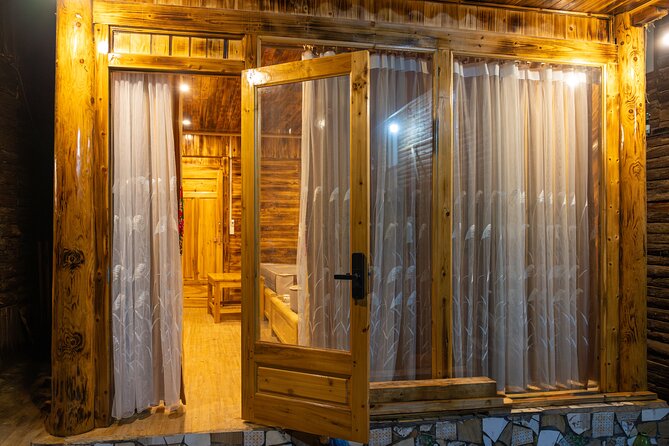
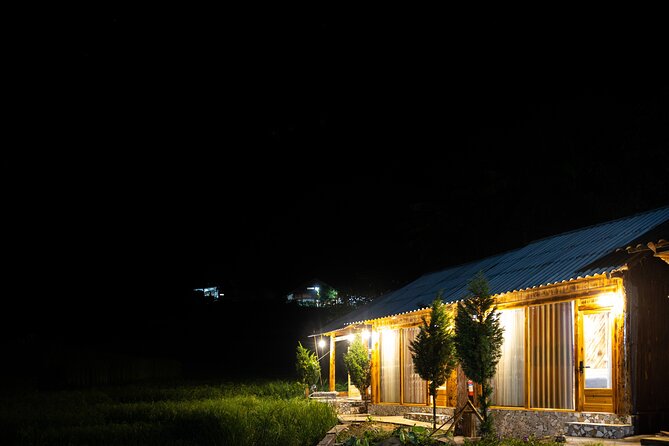
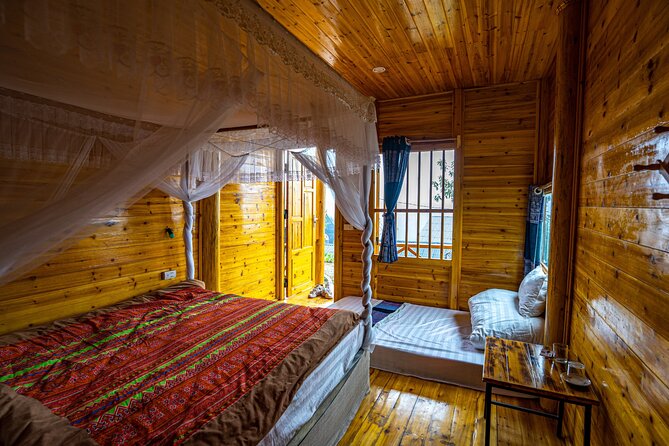
The overnight stay is offered in a bungalow or a wooden stilt house, with dorm-style homestay accommodation. You get to know a Dzay family and spend time taking in the mountain setting around sunset.
This is the part that gives the trip its local feel. A standard hotel in Sapa would be easier, but it would also keep you removed from village life. Here, dinner and breakfast are prepared with the family, and the setting changes from a commercial mountain town to a rural community.
Keep your expectations realistic. The accommodation is not presented as a private room or resort. If you need hotel-style privacy, this may not suit you. If you are comfortable with a simple shared stay, it is a valuable tradeoff for the price.
Dinner is included, and free Wi-Fi is listed for the homestay. Beverages beyond the included meals and water are extra, as are personal expenses. The schedule also leaves some time to enjoy the sunset and the evening at the village, but specific evening activities are not guaranteed. You should treat the night as a simple cultural stay, not an entertainment program.
Cooking and breakfast on the second morning
The second day begins at 7 a.m. with an optional cooking class. You may learn to make Vietnamese foods such as pho and fresh spring rolls. This is a nice addition because it gives you something practical to do with the family instead of simply eating and leaving.
Breakfast follows at 8 a.m. The family prepares the meal before you begin the morning trek. Breakfast and dinner are included, along with two lunches during the trip, so you do not need to arrange your main meals separately.
The cooking class is described as something you can join, so it may not be suitable if you prefer extra sleep or need a slower morning. The group leaves for the next walk at about 8 a.m., making this an early start. Pack the night before if you want to take part without rushing.
Bamboo forest and Giang Ta Chai
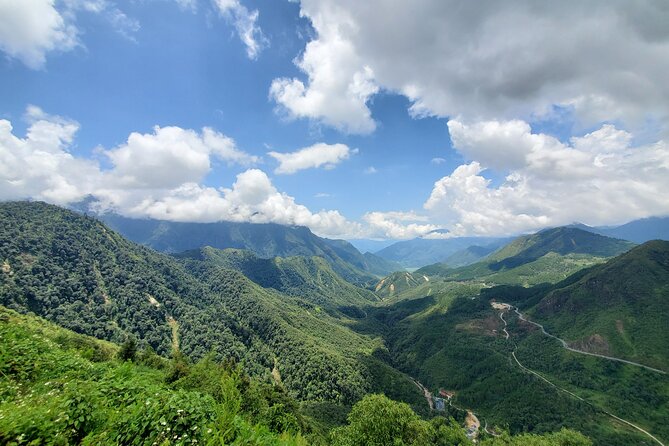
The morning route covers about 4 kilometers and takes around two hours. You walk through rice paddies, stop for photographs, and continue into a bamboo forest. A panoramic viewpoint looks toward Giang Ta Chai, a village associated with the Red Dao people.
This section is shorter than the first day, but it adds a different setting. The first walk centers on terraces, the stream, and the approach to Ta Van. The second brings paddies, bamboo, a bridge, and a higher view over Giang Ta Chai.
At about 11 a.m., you walk via the Giang Ta Chai Bridge to the main road. You then return to the bungalow to shower and prepare for lunch. Lunch runs from 12:30 to 1:30 p.m., followed by the bus back to Sapa.
The route is carefully timed around the afternoon return to Hanoi. That makes the day efficient, but it also means you should not expect a long, unplanned exploration of Giang Ta Chai. The photo stops are part of the walk, not a separate sightseeing session.
One hour in Sapa before the long return
The bus reaches Sapa at about 2 p.m. You have roughly an hour to walk around town or shop, then meet the group at the bus station between 3 and 3:30 p.m. The return bus leaves at 3:30 p.m. and makes two rest stops before reaching Hanoi around 9:30 p.m.
This final stretch is long. Add the morning journey from Hanoi, the afternoon trek, and the return ride, and you have a full two days. The late arrival may matter if you have an early flight or another booking the following morning.
The upside is that you avoid paying for another night in Sapa. The downside is that transport takes up a large share of your time. I would book this trip when you want a low-cost countryside visit and can accept a tight schedule, not when you want a relaxed mountain holiday.
What the $52 price really includes
At $52, this is a strong package for a two-day trip from Hanoi. The included items cover the costs that can quickly add up when booked separately:
- Modern air-conditioned bus from Hanoi to Sapa and back
- English-speaking tour guide
- Bungalow or wooden stilt-house accommodation
- Breakfast, dinner, and two lunches
- Two bottles of water per person for the round trip
- Entrance tickets
- Wi-Fi on the bus and at the homestay
The price does not include drinks, travel insurance, VAT, or personal spending. A $30 surcharge applies on public holidays and is paid locally. That holiday increase still may represent fair value, but check your dates before counting on the advertised base price.
The group limit is 20 people. That is large enough to keep the price low and small enough to remain manageable on a village walk, though the pace and attention will depend on the guide and the group’s fitness.
Who should book this Sapa trek
I would choose this trip if you want the following:
- A low-cost route from Hanoi to Sapa
- A real village overnight rather than a town hotel
- Two days of walking through the Muong Hoa area
- Included meals and transport
- A compact schedule that fits a short Vietnam visit
- A simple homestay rather than private, upscale accommodation
I would think twice if you want a leisurely pace, private rooms, extensive time in Sapa Town, or a carefully flexible schedule. The 9-kilometer first walk requires stamina, and the bus rides leave little room for delays.
The trip also suits people who enjoy seeing how the countryside is connected by footpaths, bridges, streams, and village roads. It is less suitable for anyone who wants only easy viewpoints reached by vehicle.
Booking advice and final verdict
Free cancellation is available if you cancel at least 24 hours before the start time. Changes or cancellations inside that window are not accepted for a refund. Since the transport details matter so much, I would confirm the pickup time and daytime bus arrangement before the cancellation deadline.
Book this tour if value and village walking are your priorities. The combination of Ta Van homestay, local meals, two ethnic village areas, and included Hanoi transport is hard to beat at $52.
Skip it if you need more comfort or more time. The schedule is demanding, the accommodation is shared or simple, and the long return to Hanoi can leave you tired. For the right visitor, though, this is an efficient way to trade hotel comfort and free time for terraces, mountain paths, and one memorable night in Ta Van.
FAQ
Where does the tour begin?
Pickup is offered from hotels in Hanoi’s Old Quarter between 6 and 6:30 a.m.
How long does the bus ride from Hanoi to Sapa take?
The bus leaves in the morning and reaches Sapa at about 1 p.m., with rest stops around 9:30 a.m. and 11 a.m.
How far is the first trek?
The first trek is about 9 kilometers and takes roughly three and a half hours.
Which villages are visited on the first day?
The route passes through Y Linh Ho and Lao Chai before reaching Ta Van Village.
Where do you sleep?
You stay in a bungalow or a dorm-style wooden stilt house in Ta Van Village.
What happens on the second morning?
You can join a cooking class at 7 a.m., eat breakfast at 8 a.m., and then trek through rice paddies and bamboo forest toward Giang Ta Chai.
How far is the second trek?
The second trek is about 4 kilometers and takes around two hours.
Are meals included?
Yes. Breakfast, dinner, and two lunches are included. Beverages beyond the listed water are not included.
Is transport included?
Yes. Modern air-conditioned bus transport from Hanoi to Sapa and back is included, along with two bottles of water per person for the round trip.
Is the tour physically demanding?
The tour recommends a moderate fitness level. The first day includes about 9 kilometers of trekking, and the second day includes about 4 kilometers.
Latest treks added in Hanoi
- From Hanoi : Sapa Moutain Trek – Halong bay Heritage★ 4.5 · 25 reviews
- Trekking In Ha Giang 5 Days★ 5.0 · 4 reviews
- Trekking around Ha Giang 5 days 4 nights★ 3.0 · 2 reviews
- 8-Days Hanoi, Sapa Trekking And Halong Bay Cruise★ 5.0 · 8 reviews
- 2-Day Trekking in Sa Pa from Ha Noi by sleeping bus★ 5.0 · 4 reviews
- Hanoi: 3D2N Mu Cang Chai Visit All Attractions, Trek, Ethnic Life★ 5.0 · 3 reviews
- Mai Chau – Pu Luong trekking 3 days 2 nights★ 4.5 · 7 reviews
- Sapa trekking 2days by bus from Hanoi ( over night in homestay)★ 5.0 · 21 reviews
Hanoi Trekking Tours, compared.


Sapa 3 Days 2 Nights Trekking Tour (1 Night In Ta Van Village, 1 Night In Hotel)
Read our review →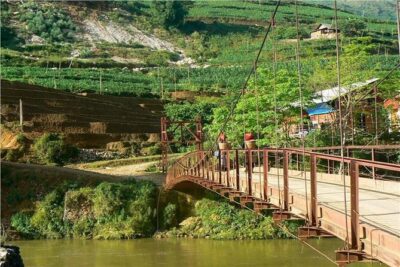
3-Day Trekking Adventure of Sapa from Hanoi – Stay Ta Van Village
Read our review →
2-Day Sa Pa Ethnic Homestay Tour & Trek with Limousine Bus
Read our review →
Sapa 3 Day 2 Night Trekking With Hotel & Homestay
Read our review →
2-Day Sapa Trek Tour – Luxury Limousine Transfer
Read our review →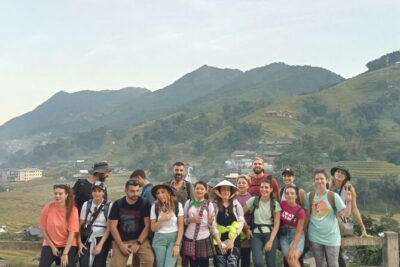
Sapa 2 Days 1 Night Overnight At Local Homestay
Read our review →Browse the lists this tour appears in