
REVIEW · SAPA
From Sapa: Waterfalls, Trekking and Tribal Villages Tour
The best part of this Sapa day is the change of pace. You begin with Silver Waterfall, Love Waterfall, and Tram Ton Pass, then leave the sightseeing road for a long walk through rice fields and mountain villages. The waterfall stops are scenic, but the village trail gives you a closer look at Hmong and Red Dzao life.
I like the personal guiding and the picnic lunch in the countryside. Guides such as Lisa, Cu, Lan, A, and Sue have been praised for clear English, local stories, and flexibility with the route. I also like that the walk passes through less commercial villages rather than focusing only on souvenir stalls.
The main caution is the distance. The official plan describes roughly 15 kilometers and four hours of trekking, while one account puts the full walking distance closer to 17 kilometers, not counting all waterfall paths. This is not a gentle village stroll, especially on wet or steep trails.
Key points at a glance
- Two waterfalls before the trek: Silver Waterfall and Love Waterfall give you a strong scenic start, with Tram Ton Pass nearby.
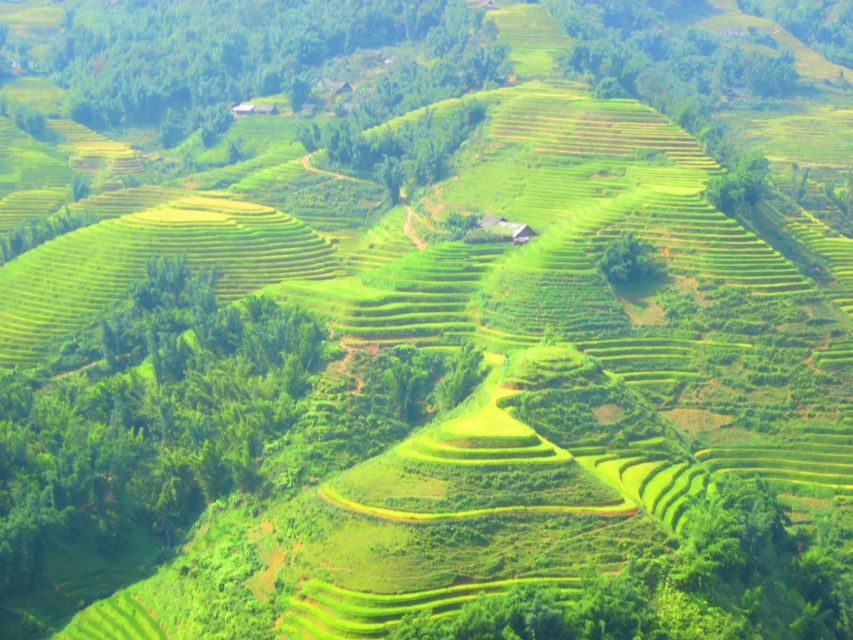
- A real mountain walk: The route from Ban Khoan can include rice paddies, corn fields, bamboo forest, climbs, and descents.
- Hmong and Red Dzao encounters: You learn about local customs, textile work, family life, and village traditions from an English-speaking guide.
- Picnic lunch in the countryside: Lunch is served during the walk, with vegetarian and vegan needs accommodated when arranged.
- Small-group format: The group is limited to 15 people, and private car transport is included.
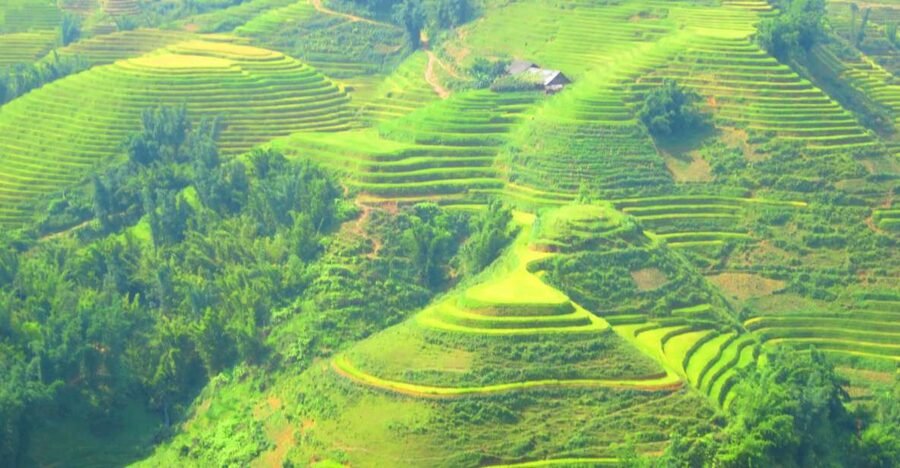
- Weather matters: Fog can hide the rice terraces, while rain can make the paths harder and the waterfalls more forceful.
From Sapa to Silver Waterfall and Love Waterfall
Your day begins with hotel-lobby pickup in Sapa Town. The drive to the waterfall area takes about 30 minutes by private car, so you reach the mountains quickly without spending the morning on a long transfer.
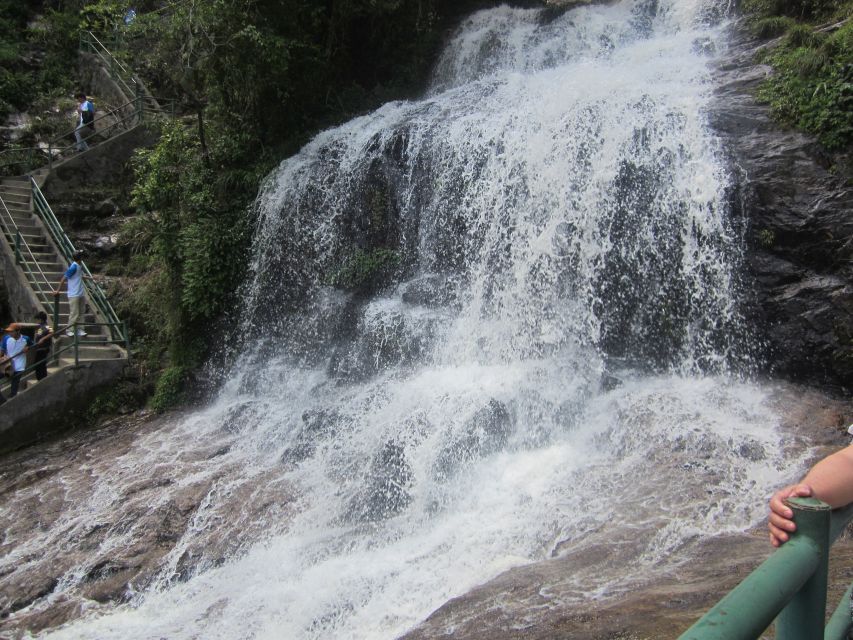
Silver Waterfall is the first major stop. Reaching the waterfall involves a walk, and the route can feel more substantial than a simple roadside photo stop. You get a chance to see the water from close up, take photographs, and stretch your legs before the longer trek begins.
Love Waterfall follows, with Tram Ton Pass also included in this opening section. The scenery changes with the weather. After heavy rain, the waterfalls can be broad and forceful. In fog, the views become quieter and more atmospheric, but the rice terraces and distant mountains may disappear.
I would not choose this trip only for perfect mountain panoramas. Sapa weather changes quickly, and one cloudy or foggy day can limit the views. The good news is that the waterfalls and village walk still give the day substance when the high views are hidden.
The waterfall paths involve stairs and uneven ground. Wear shoes with a firm sole rather than casual trainers with smooth bottoms. The route can be wet, and the first waterfall walk may take longer than the short stop suggested by the drive time.
More Waterfall Treks in Vietnam
- Sapa3D2N TrekkingAdventures,Valleys,Bambooforest,Waterfall
★ 4.8 · 24 reviews - Sapa Trekking – Waterfalls And H’mong Villages
★ 5.0 · 2 reviews - Trekking Tour to Hidden Waterfall & Sturgeon Farm for dog-lovers
★ 5.0 · 67 reviews
Ban Khoan marks the change from sightseeing to trekking
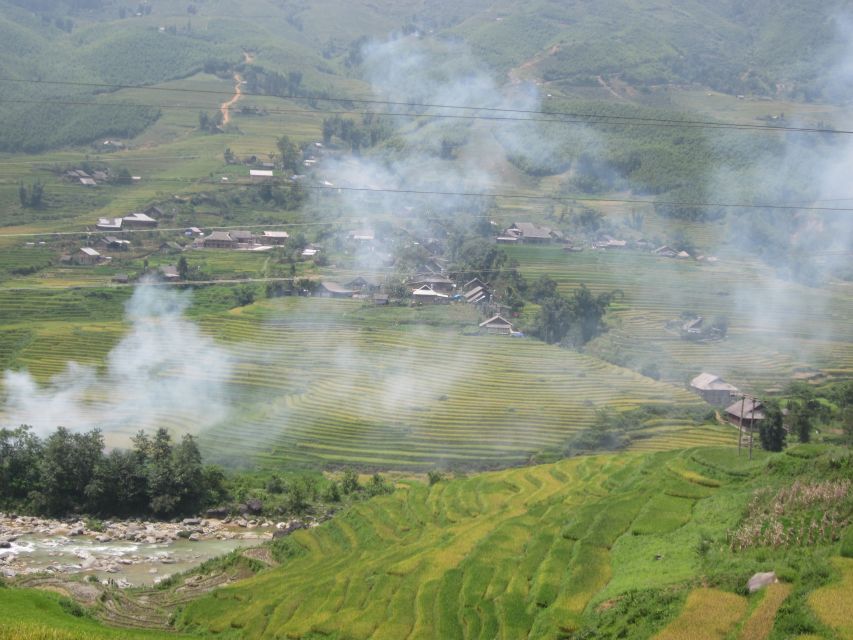
After the waterfall visits, the car takes you to Ban Khoan, a traditional village and the starting point for the main walk. This is where the experience changes from a half-day scenic outing into a proper rural trek.
You follow mountain trails toward rice paddies and small tribal villages. Depending on the route chosen by your guide, the walk can pass through corn fields and bamboo forest as well as the terraces. One especially pleasant section runs between villages through fields and bamboo, giving you a much more rural setting than the busier viewpoints close to Sapa.
The path is not described as technical climbing, but it is not flat. You can expect uphill and downhill sections, uneven trails, and changing surfaces. One account describes the walk as moderately difficult, while another warns that the combined route may be too much for a casual weekend walker.
That difference matters. The exact effort depends on the route, weather, pace, and how much time is spent at the waterfalls. Some people finish the main village walk in about three hours, while the full trek is advertised at about four hours and 15 kilometers. A separate account describes roughly five hours of trekking and a longer total distance.
I would treat the four-hour figure as a best-case guide rather than a promise. Ask your guide at the beginning how long the chosen route is and how much climbing it includes. Guides have adjusted the route for different preferences, including adding different scenery or choosing a less intense walk.
Rice terraces, Hmong villages, and Red Dzao traditions
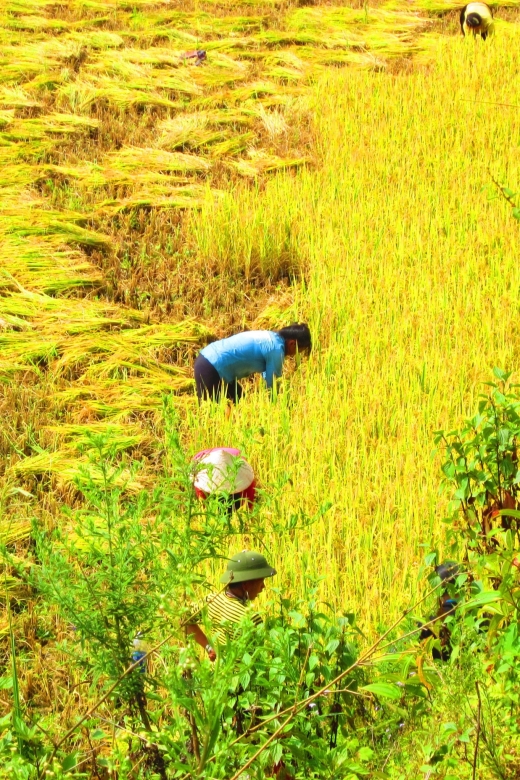
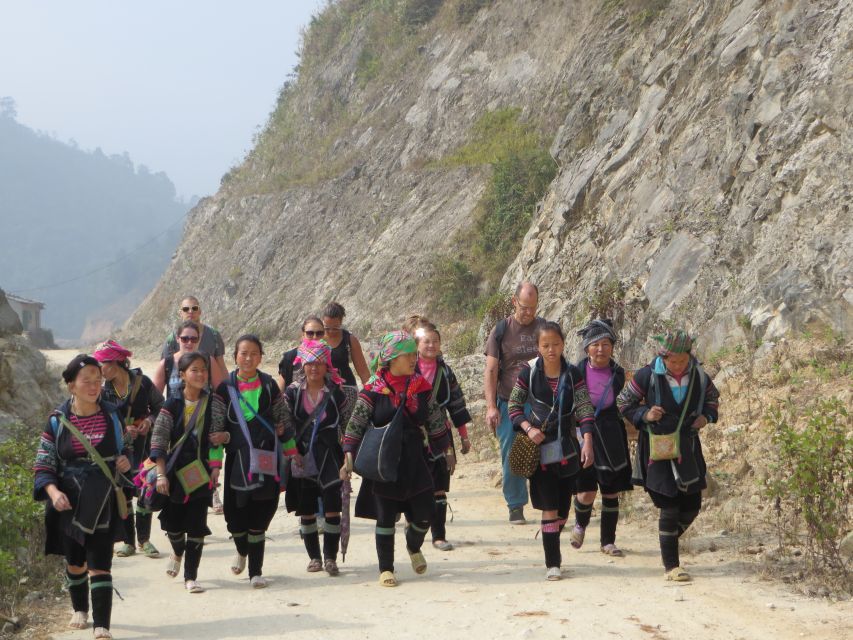
The cultural part of the tour is not a staged performance. You walk through villages and see how people live in the mountain setting, with your guide explaining what you are seeing. The Hmong and Red Dzao communities have distinct traditions, clothing, textile work, and stories, and the guide helps place them in context.
The guide is central to the day. Lisa has been praised for sharing Hmong traditions and stories passed down through generations. Cu has been described as eloquent and entertaining, while Lan has been appreciated for local facts and a relaxed pace. A has allowed guests to choose between route options and add different types of scenery. Sue has kept the day interesting when fog blocked the best views.
Your assigned guide may be someone else, but these examples show the range of guiding style you can expect. This is not a tour where the driver simply drops you at a trailhead and waits. The English-speaking guide walks with you, explains local life, and can help manage the pace.
The cultural contact also asks for good manners. Ask before photographing people or homes, listen to explanations, and avoid treating village life as a backdrop. The value of this tour comes from meeting people with some respect and attention, not from collecting quick photographs.
You may also see textile work and learn about local craft traditions. These details give the walk more meaning than a sequence of viewpoints. You are not just looking at rice terraces. You are learning how communities use the land and maintain customs in a difficult mountain environment.
A picnic lunch with a local family
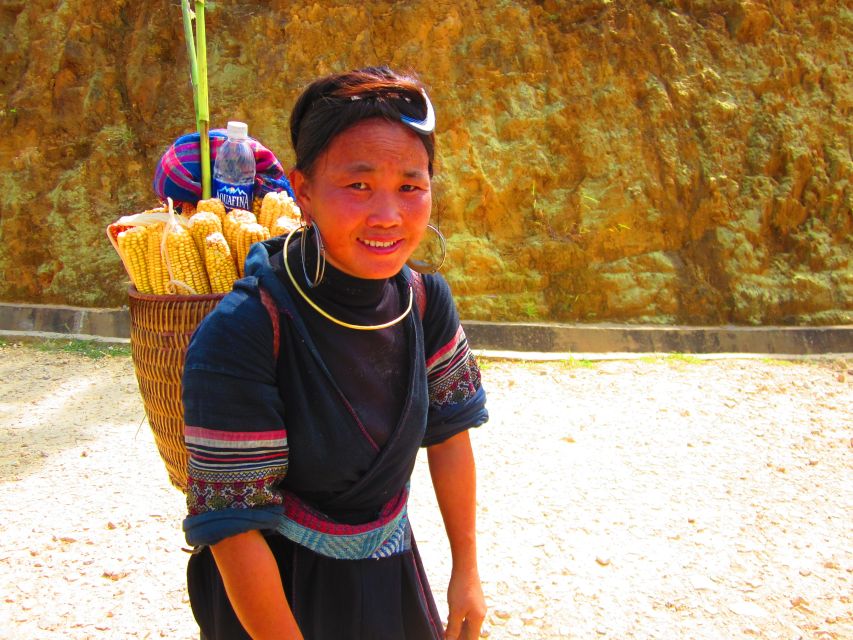
Lunch is served during the trek, with food prepared by a local person. It is a useful pause because the route is long, and it breaks up the day before the final stretch toward Ta Phin.
Do not expect a formal restaurant meal. The appeal is the setting and the chance to sit in a village while talking with your guide and local hosts. One meal was described as a generous spread, while another consisted of sandwiches. That suggests the food can vary by route and provider.
Vegetarian and vegan food can be accommodated, as one vegan guest was served a suitable lunch. I would still tell the operator when booking and remind the guide at pickup, since the exact menu is not fixed in the information provided.
Two bottles of mineral water are included for each person. Bring more if you normally drink heavily during exercise, though the supplied details do not specify extra water arrangements. A small daypack is useful for your water, phone, raincoat, sunscreen, and personal items.
More Waterfall Treks in Sa Pa
- Bali: Munduk Waterfalls Trek, Twin Lakes and Temple Tour
★ 4.8 · 545 reviews - Khao Sok: Private Waterfalls and Wildlife Half-Day Trek
★ 4.5 · 337 reviews - Selogriyo Temple and Trekking Java Rice Terraces, hidden waterfall -Nature Java
★ 5.0 · 179 reviews - Ubud: Rice Terrace, Holy Water Temple & Waterfalls Trek Tour
★ 4.9 · 115 reviews
Ta Phin and the return to Sapa
The walking section finishes at Ta Phin Village, associated with the Red Dzao community. You continue learning about local culture here before meeting the driver for the approximately 30-minute return to Sapa.
The final village stop is a useful ending because it gives the trek a clear destination. You are not simply turning around on the trail. Still, the day does not include a long list of formal activities in the village. The main experience is walking, talking, eating lunch, and observing daily life.
The itinerary is listed as five hours, but the walking details deserve careful reading. The opening waterfall stops, driving, lunch, and village trekking all have to fit into that window. Since accounts of the trek vary, check the starting time and expected finish when you book, especially if you have a train, bus, or other fixed plan afterward.
How hard is the 15-kilometer route?
I would rate this as moderate to strenuous, depending on your fitness and the weather. The trail includes hills, and the total distance may be greater than the headline figure if waterfall paths are counted separately.
You are a good match for the full route if you regularly walk on uneven ground and can handle several hours outdoors. You do not need to be an expert hiker based on the information provided, but comfortable hiking shoes are essential.
This is not the best choice if you want a relaxed five-hour outing with only short walks from the car. One person specifically found the route less intense than expected, while another found the combined distance extremely demanding. Both experiences can be true because the route and pace may be adjusted.
Rain creates two complications. It can make trails slippery, but it can also make the waterfalls far more dramatic. Fog can reduce the views from the terraces and pass, though it does not remove the cultural part of the walk.
Pack insect repellent, sunscreen, a raincoat, sun hat, and a small daypack. From November through March, bring warm clothes. Even if you expect to warm up while walking, Sapa’s mountain weather can feel cold at the waterfalls and in fog.
What the $72 price includes
At $72 per person, the price is easiest to judge as a transport and guiding package rather than as a simple hike. It includes an English-speaking guide, entrance fees, private car transfers, picnic lunch, and two bottles of mineral water.
That is useful in Sapa, where arranging separate transport to the waterfalls, a trail transfer, and a village pickup can become awkward. You also avoid paying entrance fees separately and have a guide to handle the route.
The group limit is 15 people. That is small enough for a more personal experience than a large coach tour, though the actual feel depends on how many people book your date. The information also describes private car transport, which makes the transfers more comfortable and direct.
The price does not include hotel accommodation, travel insurance, or bus and train tickets. If you are using Sapa as an overnight stop between Hanoi and another destination, allow plenty of time around the tour rather than planning a same-day connection.
Free cancellation is available up to 24 hours before the activity for a full refund, and you can reserve now and pay later. Those terms help if your Sapa plans depend on weather or transport, but they do not remove the need to check the forecast and trail conditions.
The best way to prepare
Wear clothes that can handle mud, dust, and changing temperatures. Long trousers may be more practical than shorts on a rough trail, though the provided instructions only require comfortable outdoor clothing and proper hiking shoes.
Keep your camera and phone protected from rain. A foggy day can produce fewer wide views, but close scenes of paths, fields, bamboo, and village life can still be worth photographing.
Use the guide’s pace advice. If you are struggling early, say so before the steepest section. The route has been adjusted for different interests, and it is better to agree on a realistic plan than to push through silently.
The most important preparation is to understand that this is two experiences joined together. The first is a waterfall and pass visit by car. The second is a long countryside trek. If you want both, the day offers good variety. If you want only waterfalls or only a short village walk, choose a more focused outing.
Who should book this Sapa tour?
I would recommend it to you if you want mountain scenery and cultural contact in one day, and you are comfortable walking for several hours. It works particularly well for people who prefer a local guide’s explanations to a simple sightseeing transfer.
You should also book it if you value flexibility. Guides such as A have adjusted routes for different scenery, and the walk can be paced to suit the group. The small group size and private car make the day more personal than a large group bus outing.
I would hesitate if you have limited mobility, dislike steep or uneven paths, or need a strictly timed itinerary. The walking distance is not fully consistent in the published details, and the route can be demanding. Ask for the expected distance and finish time before paying if those points matter.
At $72, the tour is good value for an active half-day that includes transport, entry fees, lunch, water, and a guide. Its real strength is the combination of waterfalls, rural walking, and Hmong and Red Dzao culture. Book it for the full mix, not for a guaranteed clear view or an easy stroll.
FAQ
How long does the tour last?
The activity is listed as five hours. The main trek is described as about four hours and 15 kilometers, though the actual walking time and distance can vary by route and pace.
Where does pickup take place?
Pickup is included from your hotel lobby in Sapa Town.
Which waterfalls are included?
The tour visits Silver Waterfall and Love Waterfall. Tram Ton Pass is also included in the opening sightseeing section.
Where does the trek begin and end?
The trek begins in Ban Khoan and continues through rural trails and villages before finishing at Ta Phin Village, where you meet the driver for the return to Sapa.
Which communities can you learn about?
The tour includes contact with Hmong and Red Dzao communities. Your English-speaking guide explains their culture, traditions, and way of life during the walk.
Is lunch included?
Yes. A picnic lunch is included during the trek. Vegetarian and vegan meals have been accommodated, but you should state your dietary needs when booking.
What should I bring?
Bring comfortable outdoor clothes, hiking shoes, insect repellent, sunscreen, a raincoat, a sun hat, and a small daypack. Add warm clothing from November through March.
What is included in the price?
The $72 price includes an English-speaking guide, entrance fees, private car transfers, picnic lunch, and two bottles of mineral water per person. Accommodation, travel insurance, and bus or train tickets are not included.
Latest treks added in Sa Pa
- Soob Sapa Trekking Tour★ 4.3 · 3 reviews
- Sapa: Y Linh Ho – Lao Chai, and Ta Van Trekking Day Tour★ 5.0 · 25 reviews
- Sapa Trekking Private Tour With Ethnic Female Tour Guide★ 4.9 · 24 reviews
- Sapa Trekking – Waterfalls And H’mong Villages★ 5.0 · 2 reviews
- Sapa: Ta Phin Village Trek with Lunch and Bathing Experience★ 4.7 · 13 reviews
- Sapa Trekking Guide Francophone 2 days – 1 night★ 5.0 · 2 reviews
- Sapa: Trekking Through Terraced Rice Fields & Valley 1 Day★ 4.8 · 4 reviews
- Sapa small groupe activities: 1 Day trek – Meet the locals★ 4.7 · 3 reviews
Waterfall Treks, compared.

Munduk Waterfalls Trek, Twin Lakes and Temple Tour
Read our review →
Khao Sok: Private Waterfalls and Wildlife Half-Day Trek
Read our review →
Selogriyo Temple and Trekking Java Rice Terraces, hidden waterfall -Nature Java
Read our review →
Rice Terrace, Holy Water Temple & Waterfalls Trek Tour
Read our review →
Trekking to Waterfall Adventure Tubing 45 mins. (Only Khao lak)
Read our review →
2-Days Jungle Trek, Waterfalls and Karen Village
Read our review →
Wild Elephant Anakulam & Waterfalls Tour(munnar valley Trekking)
Read our review →
Tamanique Waterfalls Complex Trek + El Tunco Beach
Read our review →Browse the lists this tour appears in