
REVIEW · INDONESIA
mount rinjani One day trek
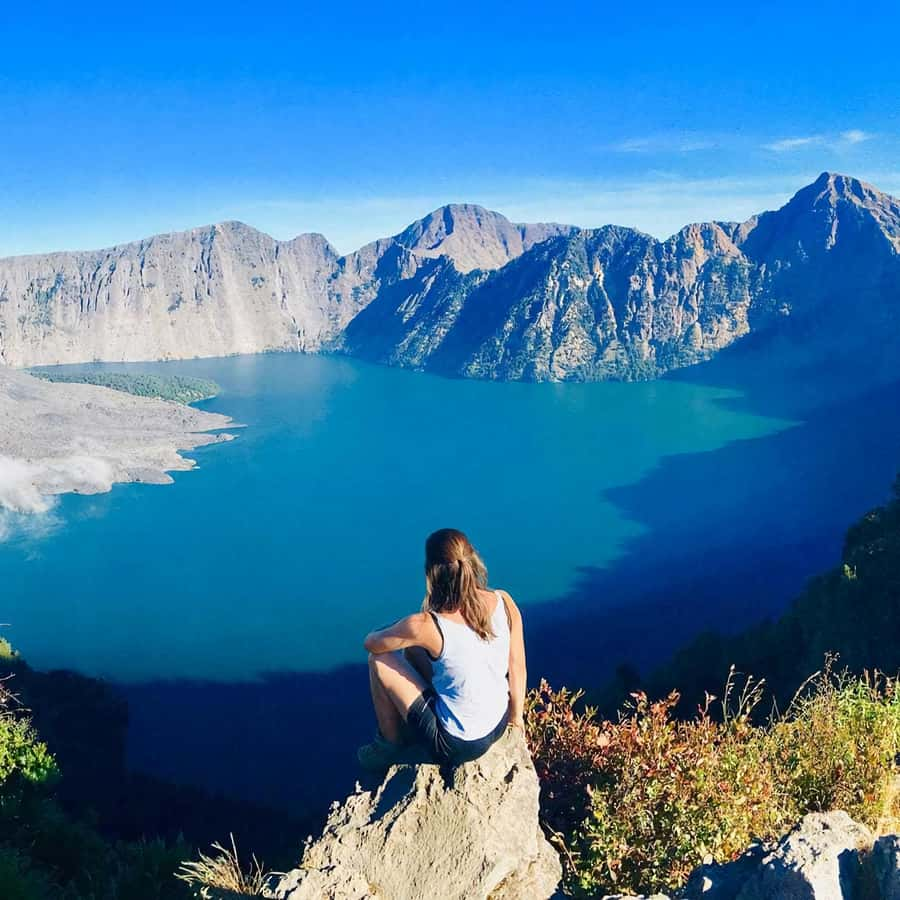
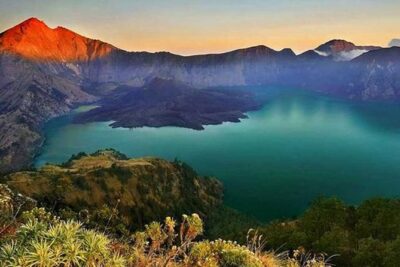
Mount Rinjani’s Senaru Crater Rim gives you a huge payoff for one hard day: the crater lake, the volcano, the Gili Islands, and Mount Agung in Bali can all come into view from high ground. You climb from Senaru to roughly the 3,000-meter Sengkareang, or second summit area, then return the way you came.
I like two things here. First, the route lets you see Rinjani without giving up several days of a Lombok trip. Second, the guide handles lunch, trekking poles, food, water, and basic trail support, which lets you focus on the climb. The catch is simple: this is an athletic day, not a casual walk. Heat, roots, sand, stones, altitude, and a long descent can leave even fit hikers sore for days.
Key points before you book
- Seven hours of steep walking: The route climbs hard from Senaru and returns to the same village on foot.
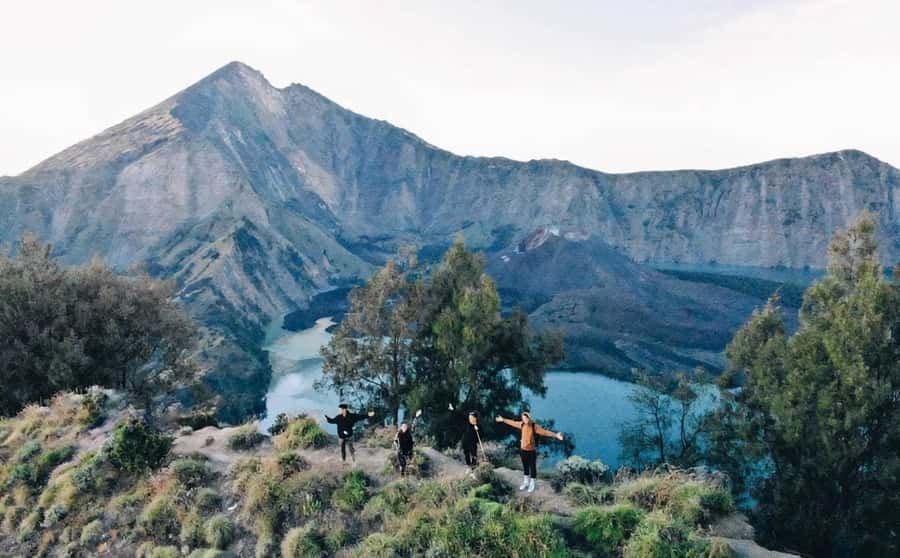
- Crater-rim views at about 3,000 meters: You can see the crater lake, Rinjani, the Gili Islands, and Mount Agung in Bali when conditions are clear.
- Lunch at the top: Your guide prepares food at the rim, giving you a proper pause before the descent.
- Guide quality matters: Fendi, Arid, Aiwan, and Anton are among the guides named in recent bookings, with praise for pacing, cooking, encouragement, and trail explanations.
- Bring your own clothing and shoes: Trekking shoes, rain gear, a jacket, and a small daypack are not included.
- Best for fit hikers with limited time: If you prefer a slower mountain experience, an overnight route may suit you better.
What this one-day Rinjani route is really like
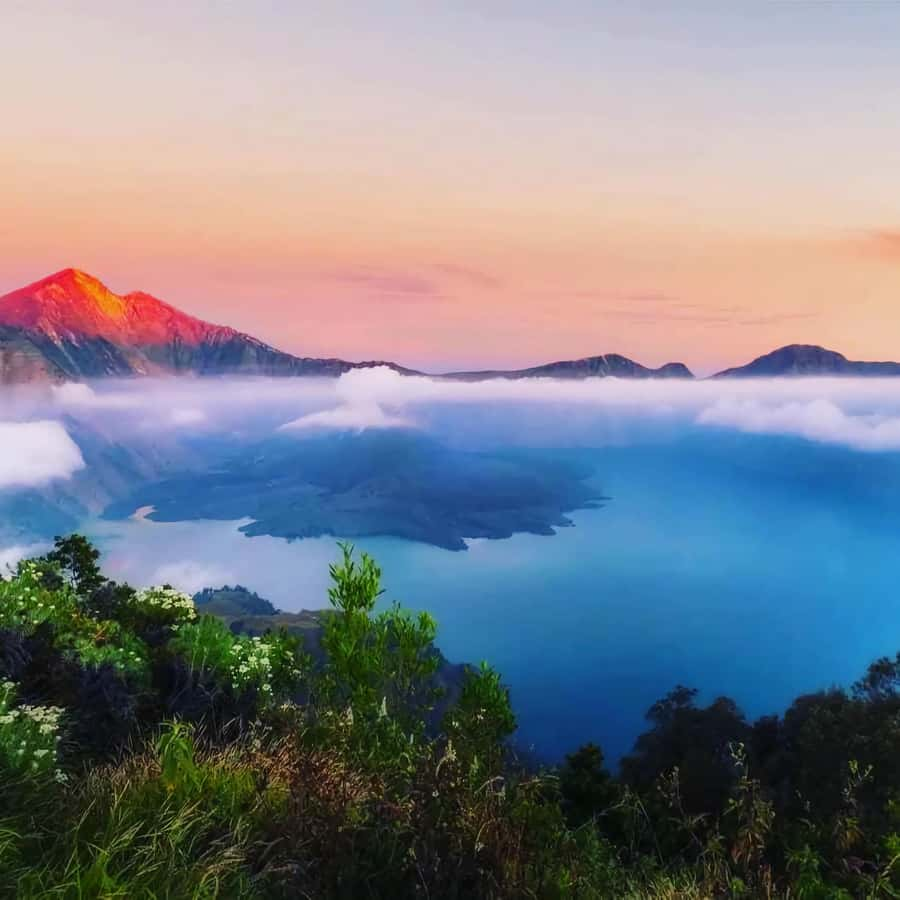
This is not a shortened stroll to a viewpoint. It is a full mountain day with a fast turnaround. The plan begins in Senaru, climbs to the crater rim, pauses for lunch, and returns to Senaru the same day.
The advertised schedule gives a hotel pickup around 6:30 a.m., arrival at the trailhead at 7 a.m., the crater rim around noon, lunch shortly after, and a return to Senaru near 5 p.m. Some bookings have started around midnight, particularly when the goal was sunrise. Confirm your exact start time after booking, because the schedule appears to vary.
That difference matters. A morning departure gives you daylight for most of the ascent, but the heat can build. A midnight start may offer sunrise at the rim, though it also means an awkward early pickup and a long day with little sleep. Ask clearly about pickup time, sunrise plans, and the exact summit or rim point before you set out.
The route is described as a walk of about seven hours. That figure should not be treated as a relaxed walking time. Your pace, rest stops, weather, and trail conditions all matter. The climb is steep, especially in the second half, and the descent can be hard on tired legs.
More Mount Rinjani Treks in Indonesia
- Mount Rinjani Trek 3D-2N To Summit – Lake – Hotspring
★ 4.7 · 111 reviews - Rinjani trekking 2D 1N RIM
★ 5.0 · 94 reviews - Mount Rinjani 2-Day Trek to Senaru Crater Rim
★ 4.8 · 89 reviews
Starting in Senaru at 7 a.m.
Senaru is the practical base for this trip. Pickup is included from a hotel in the Senaru area, and you return there after the hike. You need to arrange your own accommodation for the night before, since one night in Senaru is not included.
A 6:30 a.m. pickup gives you a little time to reach the starting point and organize your gear. Bring your passport, camera, cash, rain gear, hiking shoes, and a small backpack. The operator supplies a headlamp, but carrying a phone or camera with enough battery is still sensible.
The most important preparation is physical, not technical. You should be comfortable with long uphill walking and repeated steep sections. The trail can include exposed roots, sandy footing, stones, and hot conditions. A hiker who is fine with a short hill walk but not used to sustained climbs may find this day much harder than expected.
Your guide sets the pace and can arrange breaks. This personal attention can make a real difference. Anton is specifically praised for matching the group’s speed and allowing hikers to choose when to pause. Another guide, Aiwan, explained the different routes and cooked lunch at the rim. Fendi and Arid were noted for both guiding and cooking, as well as storytelling along the way.
Guide experience is not a small detail on this route. A good guide helps you manage energy early, not just cheer you on when you are already exhausted.
The climb through heat, roots, sand, and stone
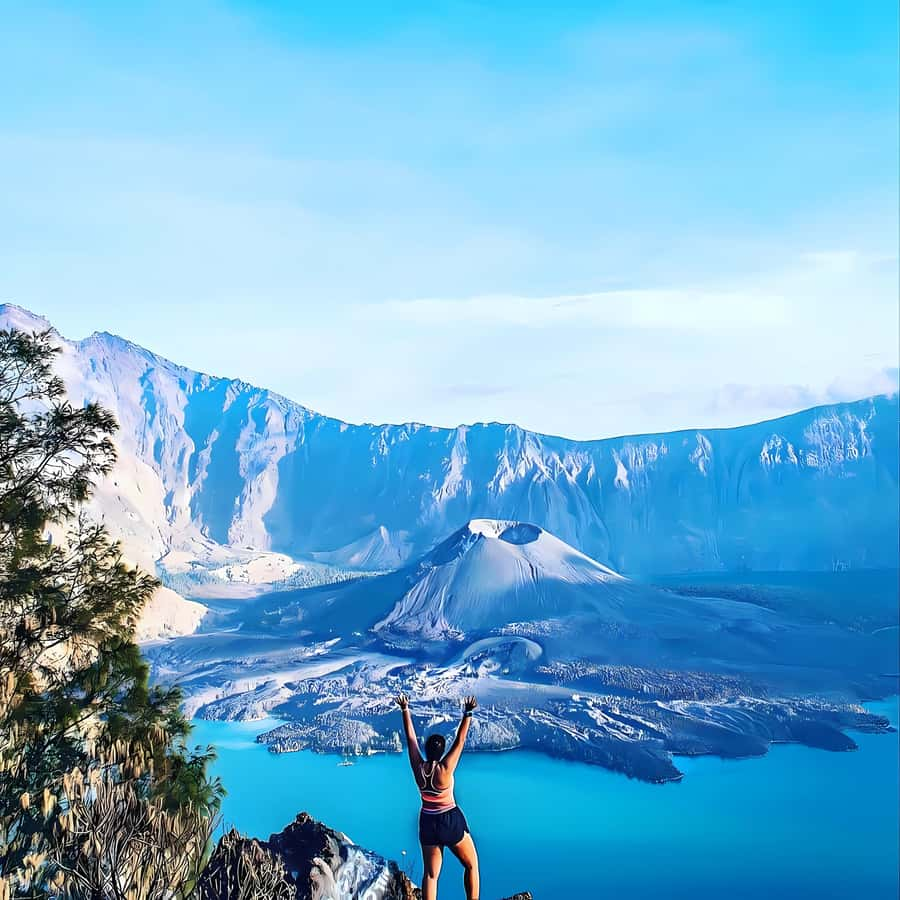
The ascent is the main event. You will spend hours gaining height, with the trail becoming more demanding as you approach the rim. The combination of heat, altitude, steep ground, and uneven footing is what makes this trek difficult.
Use the trekking poles provided. They help with balance on loose ground and reduce some pressure on your knees during the return. Wear proper hiking shoes with a firm sole. Trainers may be uncomfortable on sand and rocks, while smooth-soled shoes can make the descent less secure.
A small daypack is not included, so pack lightly but do not skip essentials. You need room for rain gear, a jacket, camera, cash, and personal items. The supplied food and drinking water reduce the load, but you should still ask exactly what is provided if you have special dietary needs.
Pacing is more important than speed. The mountain will still be there if you take a steady break. Starting too quickly can make the upper section miserable. Your guide may encourage you, but you should speak up early if your breathing, legs, or balance become a problem.
The trail condition is another reason to keep expectations realistic. The route is not presented as a smooth, maintained path. Roots, sand, and rock create a changing surface, and the descent may feel less enjoyable than the climb because tired legs have to control every step.
Reaching the Senaru Crater Rim around noon
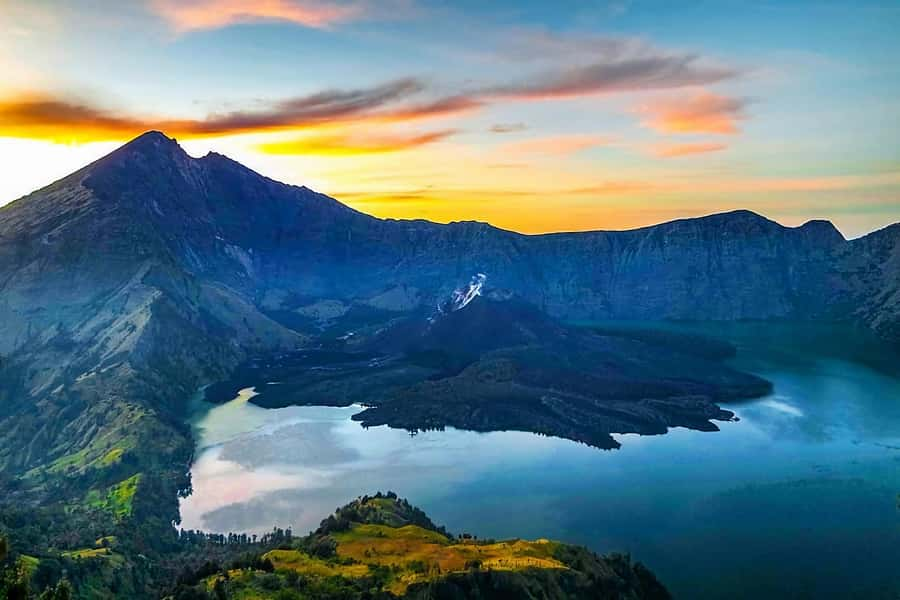
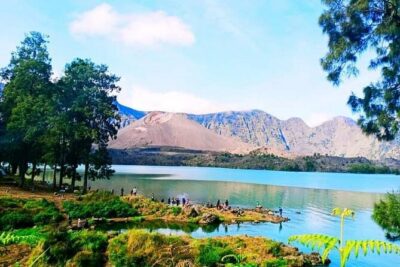
The rim is the reward for the effort. From high ground, you can look toward the crater lake and the volcanic interior, with wide views toward the Gili Islands and Mount Agung in Bali. Clear weather is essential, so no operator can promise every distant view.
The setting gives you a strong sense of Rinjani’s scale. You are not simply looking at a mountain from below. You are standing on its high edge, with the lake and crater spread out below and Lombok extending away from the volcano.
The advertised highlight also mentions the Sengkareang second summit at about 3,000 meters. The wording of the program combines this with the Senaru Crater Rim route, so you should confirm the precise high point included in your booking. Do not assume that a crater-rim trek covers the same route or summit as a longer Rinjani expedition.
The rim can be a fine place for photographs, but you should not rush through it. After several hours of climbing, your body needs time to settle. This is also the point where weather and cloud cover become obvious. If the view is partly blocked, the volcanic setting is still impressive, but the Gili Islands and Bali may not be visible.
More one-day treks in Indonesia
- Rinjani Trekking 1 day Trek To the rim via senaru 2,642m
★ 5.0 · 16 reviews - One Day Trek Mount Rinjani
★ 5.0 · 15 reviews - From Banyuwangi: Day Trip to Ijen Volcano with Guided Trek
★ 4.9 · 10 reviews - Bukit Lawang: Jungle Trekking and Rafting Day Trip
★ 4.6 · 7 reviews
Lunch prepared at the top
Lunch is included and prepared by your guide at the crater rim. That is a useful touch, not just a box to eat while standing. You get a chance to sit, refuel, and enjoy the view before facing the long walk down.
Guides Fendi and Arid are noted for cooking as well as guiding, while Aiwan also prepared lunch at the top. These details suggest that the food stop is part of the service rather than an afterthought.
Still, food preferences should be discussed after booking. The supplied information confirms food and drinking water, but it does not specify the menu, portion sizes, or options for vegetarian, vegan, or allergy-conscious diets.
Do not mistake lunch for a long rest. A noon arrival followed by a return near 5 p.m. leaves several hours for the descent. Eat enough to restore energy, drink steadily, and start down before your legs become too tired.
The descent to Senaru by late afternoon
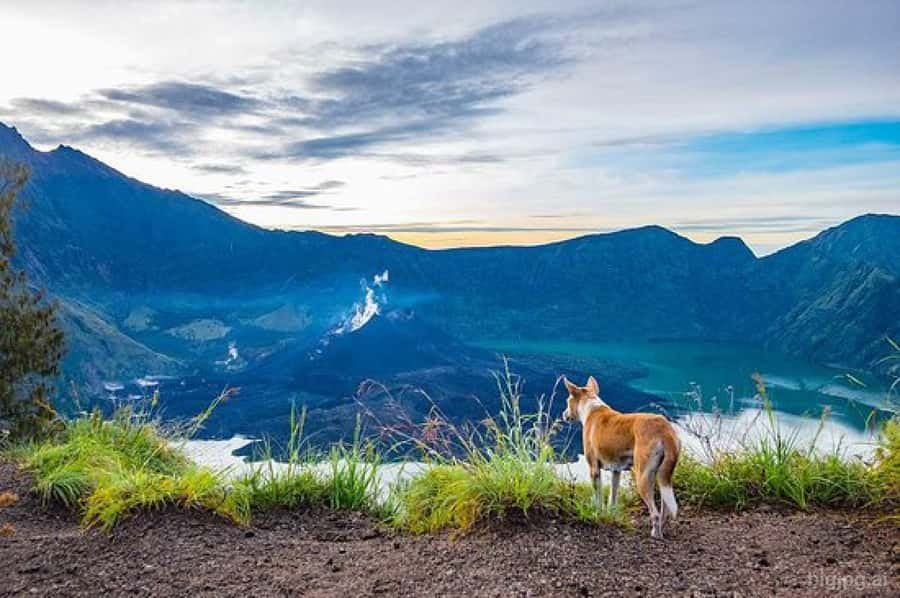
Going down sounds easier than going up, but it brings its own problems. Sand and loose stones can slide underfoot, and steep sections put pressure on your knees and thighs. Roots and uneven rocks require concentration, particularly after a tiring morning.
This is where a guide’s support becomes especially valuable. One guide was praised for taking care to prevent injury on the way down, while another adjusted the pace so the group could return sooner. You should use your poles, keep your steps short, and avoid trying to make up time by rushing.
The planned return is around 5 p.m., but this is not a guarantee. A group that takes longer on the ascent will reach Senaru later. It is wise to keep your evening free rather than book a tight transfer or dinner reservation elsewhere.
The same Senaru hotel pickup arrangement applies at the end, with drop-off included to your hotel in the Senaru area. Confirm this point if you are staying outside that area.
The $138 price and what it covers
At $138 per person, this is not the cheapest way to see Rinjani, but the value depends on what you need. The price includes a guide, national park entrance, food, drinking water, trekking poles, a headlamp, and hotel pickup and drop-off in Senaru.
Those inclusions matter on a demanding route. A guide helps with pace and trail decisions, poles help on rough ground, and lunch saves you from carrying a full day’s food. The national park fee is also handled.
You must supply your own trekking jacket, hiking shoes, and small backpack. Rain gear is also on your packing list. Accommodation in Senaru the night before is extra, so add that to the real cost of the trip.
The value is strongest for someone who has one free day in Lombok and wants a guided mountain challenge without arranging each part separately. It is weaker for a hiker who already has local contacts, personal equipment, and the confidence to arrange a guide through a hotel.
Some feedback raises concerns about organization, including unclear pickup arrangements and limited route information before departure. Contact the provider after booking, as requested, and confirm names, time, pickup vehicle, route, and the exact high point. That short message can prevent a great deal of confusion at dawn.
How hard is this trek?
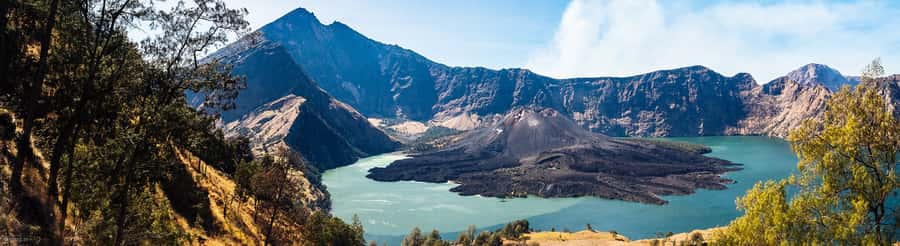
Very hard for a one-day outing. The route is suitable for people with good endurance and some mountain experience, not for those looking for a gentle introduction to hiking.
One booking describes the walk as manageable with proper training, but notes that even a well-trained person may have muscle pain for five days afterward. That is a useful warning. You do not need to be an elite athlete, but you should train with long uphill walks, stairs, and uneven ground before arriving.
The tour is not suitable for people over 70 according to the supplied conditions. More broadly, anyone with limited mobility or poor balance should think carefully before booking. The route includes steep ground and a demanding return, and no easy shortcut is described.
The strongest match is a fit adult who wants a hard challenge, has one day available, and accepts that the mountain will take most of the day. If you want time to enjoy the scenery slowly, sleep properly, or reduce the strain on your knees, choose a longer itinerary with overnight camping instead.
What to pack for the crater rim
Pack for changing conditions. The required list includes a passport, camera, hiking shoes, rain gear, and cash. Add a warm trekking jacket, since that item is not included and conditions at altitude can feel very different from Senaru.
A compact list:
- Firm hiking shoes
- Warm jacket and rain gear
- Small backpack
- Water bottle if you prefer your own container
- Camera and charged phone
- Cash
- Personal snacks and medication
- Sun protection
The operator supplies a headlamp, food, drinking water, and trekking poles. Even so, ask what quantity of water is included and bring any extra drink you know you will need.
Wear clothing that can handle heat and sweat on the ascent, with a warmer layer for the rim. Keep your pack light. Every unnecessary item becomes part of the climb.
Who should book this Rinjani day trek?
I would choose this trip if you are short on time in Lombok, enjoy a serious physical challenge, and care more about reaching a high viewpoint than having a slow mountain holiday. The views from the rim can be superb, and the included guide and lunch make the day easier to organize.
I would not choose it if you dislike steep trails, have not trained, need guaranteed comfort, or want a relaxed sightseeing day. The route is long enough to produce real fatigue, and the descent can be as demanding as the climb.
The overnight option deserves serious thought. One booking specifically recommends camping at the top or taking a longer Rinjani route with two nights of rest because spreading the effort over more time is easier on the body. You may spend more, but you gain a less rushed mountain experience.
The activity has an overall rating of 4.6 from 39 ratings, with strong praise for the views, guide support, pacing, cooking, and encouragement. At the same time, the comments point to two practical concerns: some pickup arrangements can be unclear, and English ability may vary by guide. Confirm the details before you leave your hotel.
Should you book it?
Book this one-day Rinjani trek if you want a demanding, efficient route to the Senaru Crater Rim and you have trained for a full day of steep walking. The crater lake, Rinjani, the Gili Islands, and Mount Agung can make the effort worthwhile, especially with a guide who controls the pace and cooks lunch at the top.
Choose an overnight trek instead if you want less pressure on your body or more time on the mountain. For this one-day version, arrive prepared, pack the right clothing, confirm the pickup and route, and treat the seven-hour schedule as a serious mountain day.
FAQ
How long does the Mount Rinjani one-day trek take?
The walking portion is listed as about seven hours. The planned day begins around 6:30 a.m. with hotel pickup and aims to return to Senaru around 5 p.m.
Where does the trek start and finish?
The trek starts in Senaru and returns to Senaru after reaching the crater rim. Pickup and drop-off are included for hotels in the Senaru area.
What views can I expect from the crater rim?
The route offers views of the Rinjani crater and lake, the Gili Islands, and Mount Agung in Bali. Visibility depends on weather and cloud cover.
Is lunch included?
Yes. Food and drinking water are included, and the guide prepares lunch at the crater rim.
What equipment is included?
The tour includes a headlamp, trekking poles, a guide, food, drinking water, the national park entrance fee, and hotel pickup and drop-off in Senaru.
What do I need to bring?
Bring your passport, camera, hiking shoes, rain gear, cash, a trekking jacket, and a small backpack. Hiking shoes, a jacket, rain gear, and a small backpack are not included.
Latest treks added in Indonesia
- Day Tour – Tumpak Sewu Waterfall and Goa Tetes Trekking via Malang★ 5.0 · 4 reviews
- 2Day – Semeru Trekking Adventure via Malang with Local Guide★ 4.5 · 2 reviews
- Rinjani Trekking 2D/1N Senaru Crater Rim★ 5.0 · 2 reviews
- Trekking Rinjani 1 Day Trek Senaru Crater Rim★ 5.0 · 3 reviews
- Rinjani Trekking 1 day Trek To the rim via senaru 2,642m★ 5.0 · 16 reviews
- Rinjani Trekking 2D1N Senaru Crater rim★ 4.5 · 9 reviews
- Popular Rinjani Trekking Tour Service To Summit For 2 Days Via Sembalun Trail★ 5.0 · 8 reviews
- Trekking Mt. Rinjani 2D1N Via Sembalun – Crater Rim – Summit★ 5.0 · 21 reviews
Mount Rinjani Treks, compared.
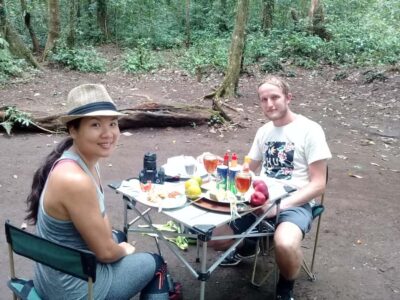
3D/2N Rinjani trekking summit,lake and hot springs.
Read our review →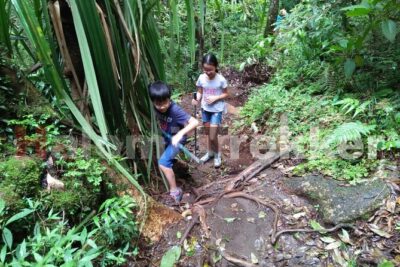
Mt Rinjani Trekking 2 Days 1 Night (Senaru Crater Rim)
Read our review →
Rinjani Trekking 3 Days 2 Nights (Sembalun – Senaru)
Read our review →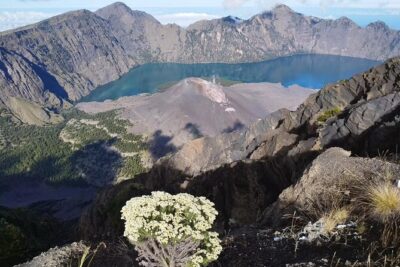
Rinjani Trekking Three Days Two Night Summit Lake
Read our review →
Mount Rinjani Trekking 2D/1N Summit Sunrise & Sunset Views
Read our review →
Browse the lists this tour appears in