
REVIEW · INDONESIA
Mount Rinjani Trek 3D-2N To Summit – Lake – Hotspring
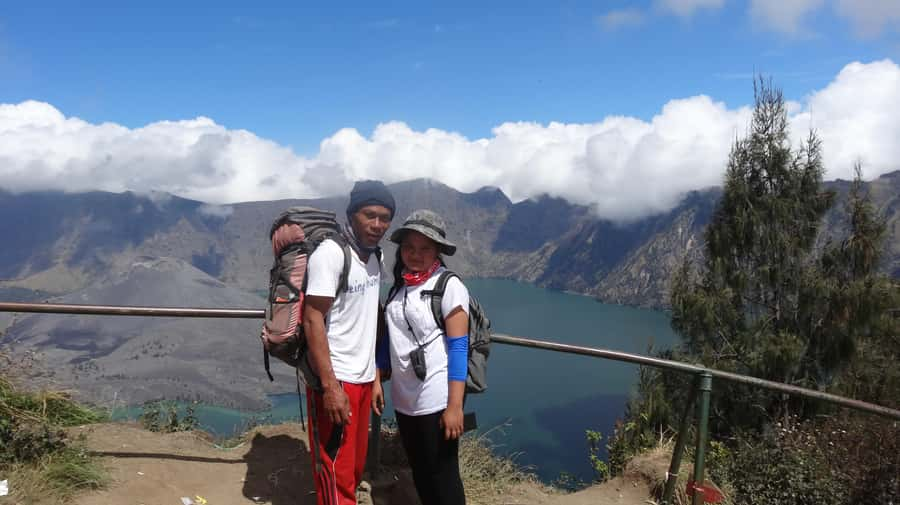
Mount Rinjani gives you the full volcano story in three tough days: open Sembalun savanna, a sunrise summit, turquoise Segara Anak Lake, hot springs, and a sunset over Bali from Senaru Crater Rim. The route covers Mount Rinjani’s 3,726-meter summit, Indonesia’s second-highest volcano, but it asks plenty in return.
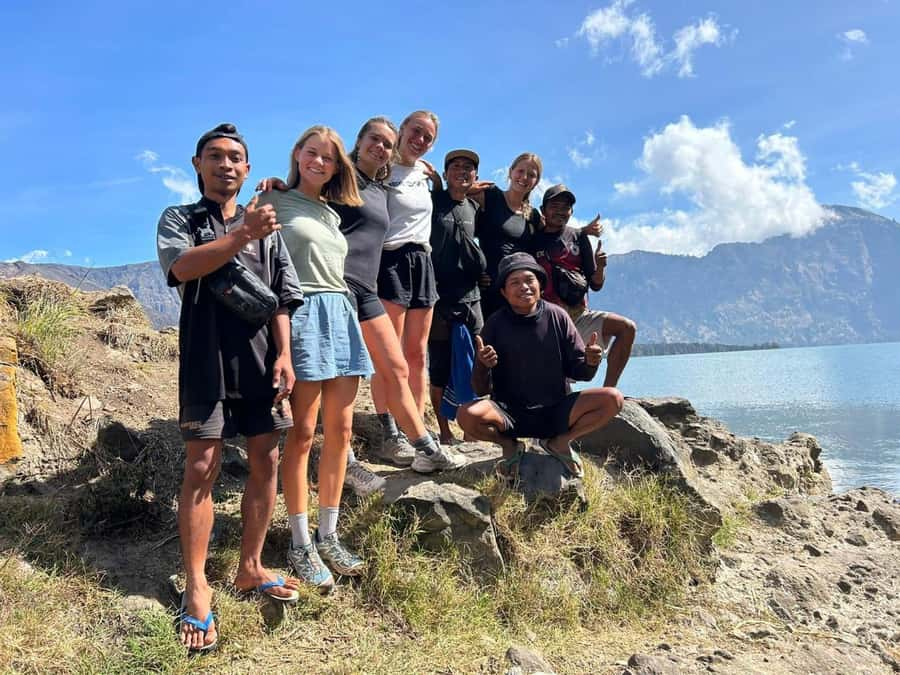
I like the small groups, capped at eight, and the care from guides such as Sun, Ringo, Awan, and Sultan’s wider team. I also like that porters handle tents, cooking, and much of the load, with hot meals that include generous portions, fried bananas, fruit, and sweet snacks. The catch is simple: this is a hard hike, not a scenic stroll, and the summit section may close under government safety rules.
Key things to know before you book
- The route crosses the mountain: Start in Sembalun and finish in Senaru, rather than repeating the same trail.
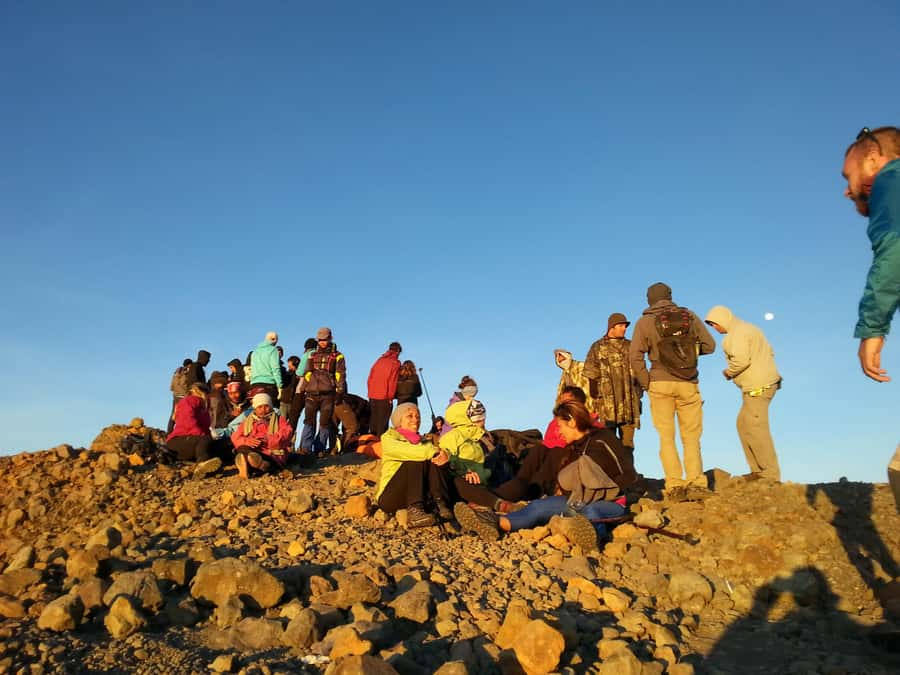
- The summit begins at 3:00 am: You climb in darkness over loose volcanic scree for a sunrise around 6:00 am.
- Day two is the real test: Summit, crater descent, lake visit, hot springs, and a climb back to Senaru Crater Rim make this a long, tiring day.
- Your camp views keep changing: Expect sunset from Sembalun Crater Rim, the lake and small volcano from below, then Bali’s Mount Agung from Senaru Crater Rim.
- The support is practical: Guides and porters provide tents, bedding, cooking, meals, drinking water, headlamps, and gloves.
- Bring your own clarity about water: The final day’s water arrangements were not always clear, so ask exactly what is supplied before setting off.
Why this Rinjani route is worth the effort
At $237 per person, this trek is priced as a full supported mountain trip, not just a guiding service. Your fee includes the national park entrance charge, transport from a Senaru-area hotel to the trailhead, a guide, porters, tents, a toilet tent, sleeping gear, meals, drinking water, cooking equipment, trekking insurance, headlamp, gloves, luggage storage, and transport onward to Bangsal, Senggigi, or Mataram.
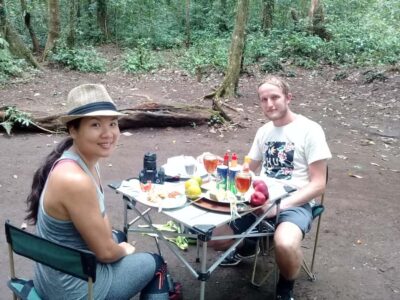
That package matters on a mountain like Rinjani. You are not carrying the tent, stove, sleeping mat, and food supply yourself. Porters move the camp equipment, and the cooking team prepares breakfast, lunch, and dinner at altitude. Many people also value the small extras: fried bananas, fruit, and sweet snacks can make a real difference when your legs are running low.
Still, $237 is not a bargain in the simple sense. You are paying for a demanding three-day operation with several camps, a long crossing, transport, and a team working in difficult conditions. The value is strongest if you want the complete Sembalun to Senaru route and do not want to organize every moving part yourself.
The operator has an average rating of 4.7 from 111 ratings, and the strongest pattern is clear: guides and porters receive the most praise. Guides have adjusted their pace for slower hikers, helped people through difficult sections, explained the volcano, and kept the group fed and warm in windy conditions. That does not make the route easy, but it can make a hard day manageable.
More Mount Rinjani Treks in Indonesia
- Rinjani trekking 2D 1N RIM
★ 5.0 · 94 reviews - Mount Rinjani 2-Day Trek to Senaru Crater Rim
★ 4.8 · 89 reviews - Rinjani Trekking 3D2N Summit
★ 4.5 · 85 reviews
Day one: Sembalun’s open climb to a sunset camp
The morning starts with breakfast at about 6:00 am, followed by transport to Sembalun Village at roughly 1,100 meters. You register at the Rinjani information center, then begin walking around 8:00 am.
The first part feels more open and forgiving than the later sections. You cross broad meadow and climb gradually toward Post 1 at about 1,300 meters. After around two hours, you continue for roughly 40 minutes to Post 2 at 1,500 meters, then push on to Post 3 at 1,800 meters.
Lunch is served at Post 3. This is a useful pause, not a decorative picnic stop. You have already spent several hours walking, and the major climb is still ahead. Eat properly, drink steadily, and adjust your pack before leaving.
From Post 3, the trail rises to Sembalun Crater Rim at 2,639 meters. The climb takes about three hours, with a long, steep section that tests your legs before the summit day even begins. The open setting gives you broad views as you gain height, but it also offers little shelter from sun or wind.
Camp on the crater rim and watch the sunset. This is one of the gentler rewards of the itinerary because you do not have to rush away immediately. The first night is cold and basic, with a tent, sleeping bag, mattress, and toilet tent provided. You may sleep well after the climb, though the early alarm for summit day arrives quickly.
Day two: the summit, loose rock, and Segara Anak Lake
The second day starts around 2:00 am with a hot drink and light breakfast. You begin the summit push at about 3:00 am, using a headlamp over dark volcanic ground.
The opening section is moderate, followed by a longer stretch that feels easier in angle but not in duration. The final approach is the famous grind: steep, loose volcanic scree where each step can slide backward. This is not a technical climb in the mountaineering sense, but it requires balance, patience, and steady effort.
You aim to reach the summit at about 6:00 am. From 3,726 meters, the view can include Lombok, Bali, Sumbawa, and Segara Anak Lake. Sunrise is the prize, but the summit is also exposed and cold. Warm layers are not optional here. Gloves, a headlamp, and proper hiking shoes will make the experience far more comfortable.
The summit section can close because of government safety restrictions. This has happened during previous departures, with groups redirected to a second-highest peak for sunrise. If the summit is closed, the route may be shortened, and the operator has sometimes offered an alternative waterfall day or transport help. Ask about the current mountain rules before booking, especially if reaching the main summit is your main reason for coming.
After the summit, you descend back to Sembalun Crater Rim in about two hours for breakfast. Do not underestimate this descent. Loose ground can be harder on tired knees than the climb, and trekking poles are a smart request. One experienced pair specifically recommended asking for poles before heading uphill, particularly because of the descent.
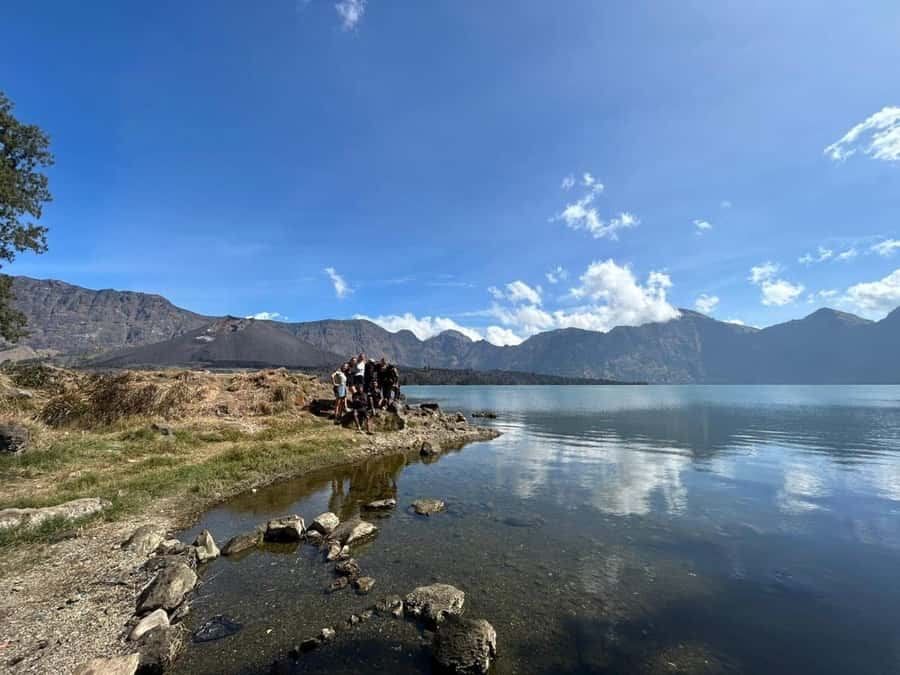
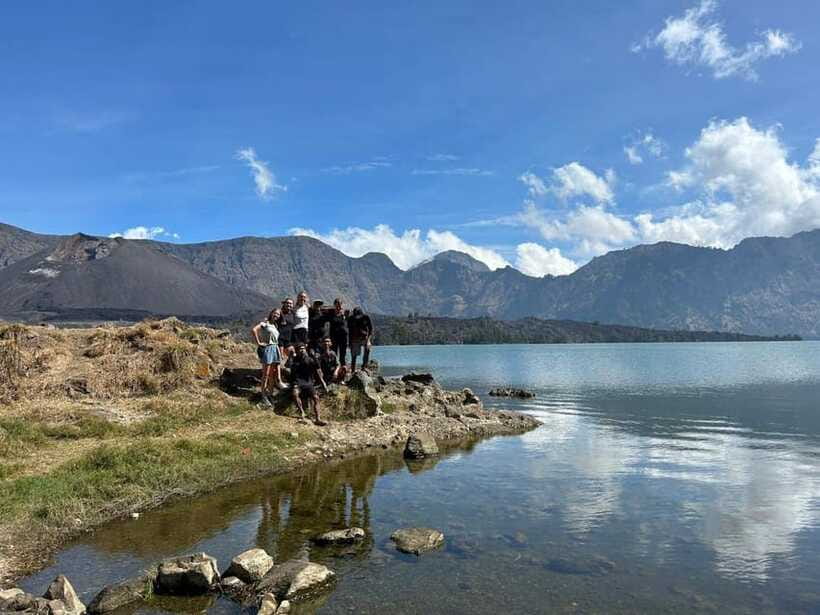
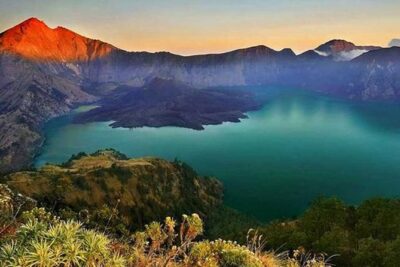
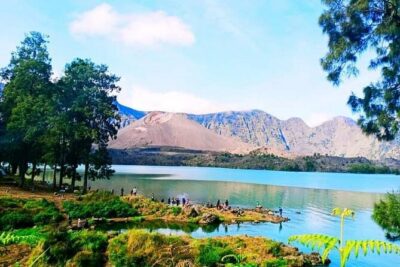
From the crater rim, you continue down to Segara Anak Lake, usually taking around three hours. The lake is one of Rinjani’s most memorable sights, with a small volcanic cone rising nearby. The water and dark volcanic surroundings give this section a completely different feel from the open grasslands of day one.
At the lake, you get time to rest, eat lunch, and swim if conditions allow. The natural hot springs are the day’s great comfort. Soaking in warm water after the summit and descent can ease aching legs, and the stop breaks up what would otherwise be an almost continuous series of climbs and descents.
The hot springs are not a luxury spa. Expect a natural mountain setting, simple conditions, and other people using the same area. That is part of the appeal. You are washing off dust and fatigue in a volcanic environment, not checking into a resort.
Then comes the part that catches many people off guard. You leave the lake and climb again to Senaru Crater Rim at about 2,641 meters. After the summit, descent, lake visit, and hot springs, this final ascent can feel relentless. The three-day route gives you more time to enjoy the lake than a compressed itinerary, but day two remains extremely demanding.
Camp at Senaru Crater Rim and you get one of the best views of the entire route. At sunset, you may see Mount Agung in Bali across the distance and smoke rising from the small volcano at the edge of Segara Anak Lake. This is a dramatic place to spend the night, but you will likely be tired enough to appreciate dinner more than conversation.
Day three: rainforest, monkeys, and the long exit
After breakfast and a morning view, you leave the crater rim and descend through rainforest toward Senaru Village at about 601 meters.
The descent takes around five hours, with lunch along the way. This section is greener and more shaded than the exposed slopes above, but it is still a sustained downhill walk. Your knees and feet may complain after day two, so good shoes and careful footing matter.
You might see a rare black monkey in the forest, though wildlife is never guaranteed. The rainforest also gives the final day a welcome change of scenery. Instead of scree, exposed ridges, and volcanic dust, you walk beneath trees before reaching the village.
At Senaru, a car takes you to your next destination. Included onward transport is listed for Bangsal, Senggigi, and Mataram, which makes the finish easier to manage. If you are heading elsewhere, confirm the transfer plan in advance.
More Trekking Tours in Indonesia
- Bali: Mount Batur Sunrise Trek With Guide and Breakfast
★ 4.8 · 3,461 reviews - Mount Batur Sunrise Trekking Private All Inclusive
★ 5.0 · 906 reviews - Mount Batur Sunrise Trekking Private Tour with Breakfast and Hotel Transfer
★ 5.0 · 885 reviews - Private Mount Batur Sunrise Trekking Tour
★ 5.0 · 634 reviews
The people carrying the trip
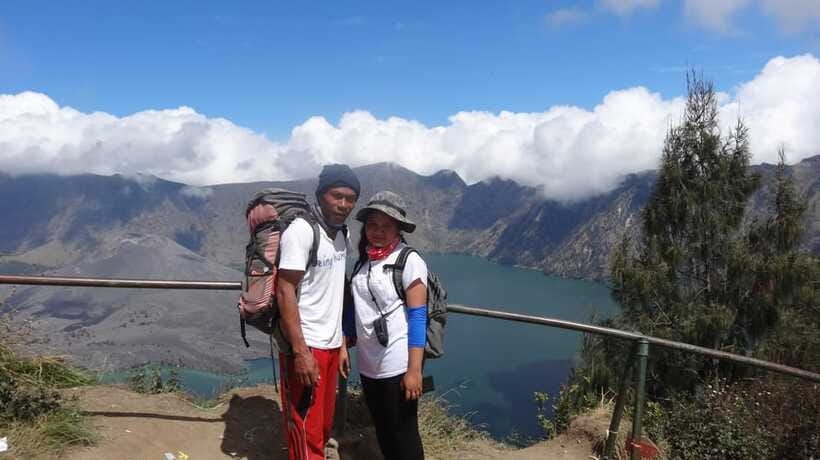
The guide and porter team is central to the value here. Names vary by departure, but Sun, Ringo, Awan, San, Rin, Rengga, Jojo, and Sultan have all been part of the operation. Sultan also handles pre-trip coordination and has met people before departure to explain the route and provide equipment.
The best guides do more than point out the trail. They watch the slower walkers, help with difficult sections, explain the volcano, and keep the group together. A guide named Sun was especially attentive to a hiker who could not maintain the planned pace, while other groups praised Ringo, Awan, and San for their humor and patience.
Porters carry the camp equipment and prepare the meals. You can expect hot food for breakfast, lunch, and dinner, with different meals across the trek rather than the same plain dish repeated. The food has been a major strength, and portions are often described as generous.
Remember what this service involves. Porters are doing hard physical work at altitude, carrying tents, kitchen gear, fuel, and supplies up and down the mountain. A respectful pace, a fair attitude, and gratitude go a long way.
What the three-day format gets right
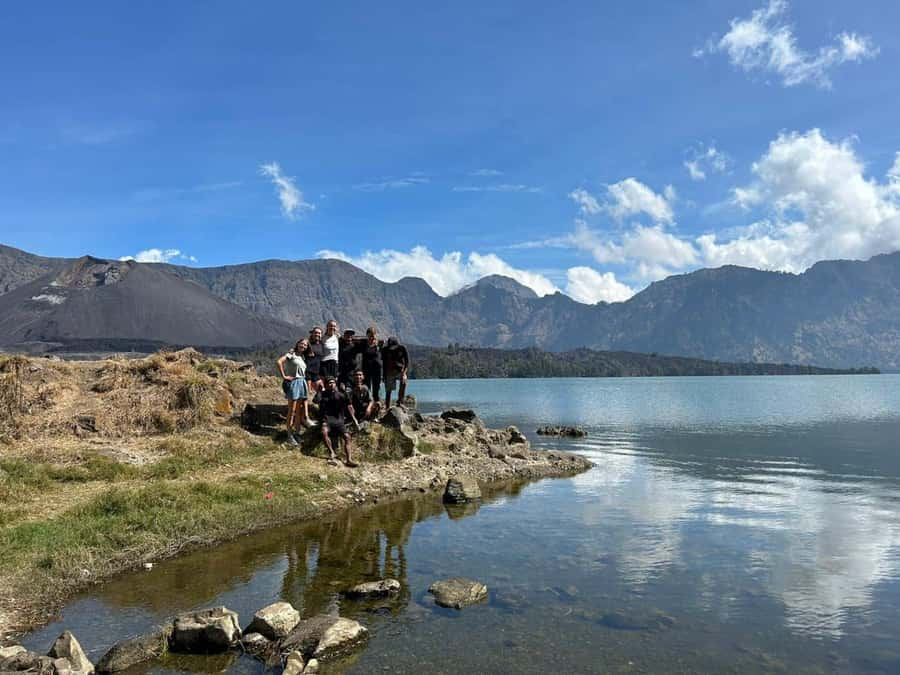
The longer format gives you time to see the mountain from several angles. You begin across Sembalun’s open meadows, spend a night on the eastern crater rim, reach the summit, descend to the lake, visit the hot springs, sleep above Senaru, and finish through rainforest.
That variety is the main reason to choose three days. You are not simply racing to the summit and leaving. You get the lake, the small volcano, the hot springs, and Senaru’s sunset viewpoint.
But the schedule is still compressed in another way. Day two packs the summit, a long descent, a lake stop, and another climb into one day. Several people with strong hiking backgrounds still found it exhausting. A two-day option may suit you better if you prefer fewer trail hours, though it will not remove the steep summit push.
Choose this three-day version if you enjoy long days on foot and want the fuller route. Do not choose it just because the extra day sounds more relaxed. It gives you more sights, but the route remains physically serious.
What to pack for a safer, happier climb
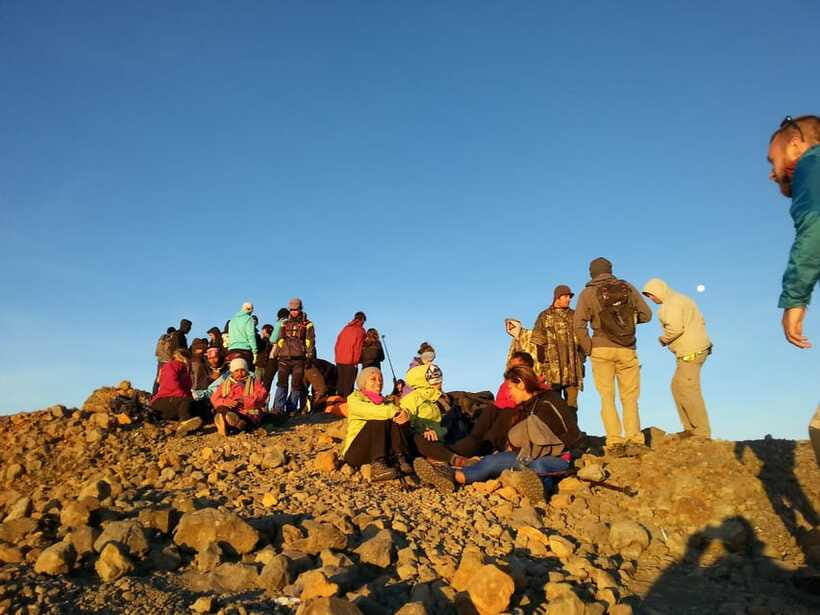
The supplied equipment includes a headlamp and gloves, but I would still treat your personal kit as important. Bring:
- Sturdy hiking shoes, not casual trainers
- Warm clothing for the summit and crater rims
- Water and personal snacks
- A camera
- Trekking poles, or ask the operator to provide them
- Clothing that can handle sun, dust, cold, and sweat
- Any personal trekking gear you normally rely on
The information supplied lists both mineral water and spring water for drinking, but one departure had confusion about water for the final day. Ask before leaving the office how much water you receive, where the refill points are, and what you need to carry after the lake.
The meeting point is the Cakrawala Rinjani office, where the team explains the upcoming trip. Use that briefing well. Confirm the starting time, current summit access, water plan, equipment, pickup, and final transport. Free cancellation is available up to 24 hours before departure, and you can reserve while paying later, which is useful when mountain conditions are uncertain.
Who should book the Rinjani 3D-2N trek?
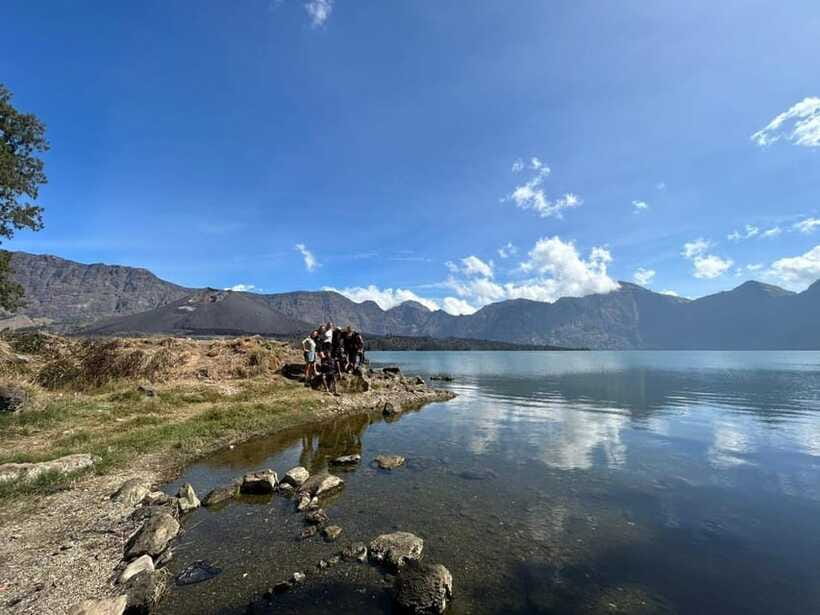
Book it if you are fit, comfortable with long uphill and downhill days, and excited by a full mountain crossing rather than a short viewpoint walk. You should be ready for a 3:00 am start, cold conditions, loose volcanic rock, basic camping, and a difficult second day.
This is a good choice for hikers who want strong scenery at every stage and value a support team that handles food and camp logistics. It also suits people who like small groups. With a maximum of eight participants, it is easier for the guide to keep track of different walking speeds.
Think twice if you have little hiking experience, dislike steep descents, or want a restful nature trip. You can ask about a shorter itinerary, but do not assume the three-day plan is simply the easy option.
At $237, the trip offers solid value for a supported crossing, especially with meals, equipment, insurance, storage, and onward transport included. I would book it for the views, the route variety, and the care from the mountain team, while accepting that the summit may close and that day two will hurt.
FAQ
How high is Mount Rinjani?
Mount Rinjani reaches 3,726 meters and is the second-highest volcano in Indonesia.
Where does the trek start and finish?
The trek starts in Sembalun Village and finishes in Senaru Village.
What time does the summit climb begin?
You wake around 2:00 am for a hot drink and light breakfast, then begin walking toward the summit at about 3:00 am.
Is the summit guaranteed?
No. Government safety restrictions can close the summit area. If that happens, the group may hike to a second-highest peak for sunrise instead.
Are meals included?
Yes. Breakfast, lunch, and dinner are included, along with fried bananas, fruit, and sweet snacks. Guides and porters prepare the food.
Is the hot spring visit included?
Yes. The itinerary includes time at the natural hot springs beside Segara Anak Lake.
What is included in the price?
The $237 price includes the national park entrance fee, hotel pickup in the Senaru area, guide, porters, tent, toilet tent, sleeping bag, mattress, drinking water, cooking equipment, meals, trekking insurance, headlamp, gloves, luggage storage, and transport to Bangsal, Senggigi, or Mataram after the trek.
Latest treks added in Indonesia
- Day Tour – Tumpak Sewu Waterfall and Goa Tetes Trekking via Malang★ 5.0 · 4 reviews
- 2Day – Semeru Trekking Adventure via Malang with Local Guide★ 4.5 · 2 reviews
- Rinjani Trekking 2D/1N Senaru Crater Rim★ 5.0 · 2 reviews
- Trekking Rinjani 1 Day Trek Senaru Crater Rim★ 5.0 · 3 reviews
- Rinjani Trekking 1 day Trek To the rim via senaru 2,642m★ 5.0 · 16 reviews
- Rinjani Trekking 2D1N Senaru Crater rim★ 4.5 · 9 reviews
- Popular Rinjani Trekking Tour Service To Summit For 2 Days Via Sembalun Trail★ 5.0 · 8 reviews
- Trekking Mt. Rinjani 2D1N Via Sembalun – Crater Rim – Summit★ 5.0 · 21 reviews
Mount Rinjani Treks, compared.
3D/2N Rinjani trekking summit,lake and hot springs.
Read our review →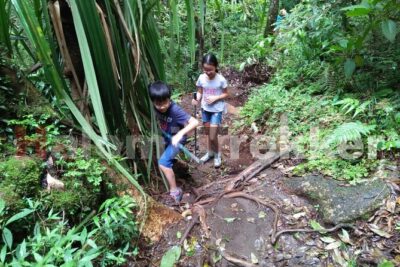
Mt Rinjani Trekking 2 Days 1 Night (Senaru Crater Rim)
Read our review →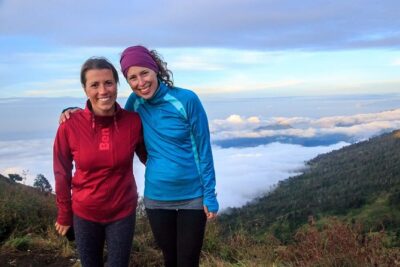
Rinjani Trekking 3 Days 2 Nights (Sembalun – Senaru)
Read our review →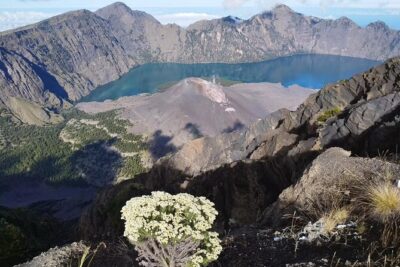
Rinjani Trekking Three Days Two Night Summit Lake
Read our review →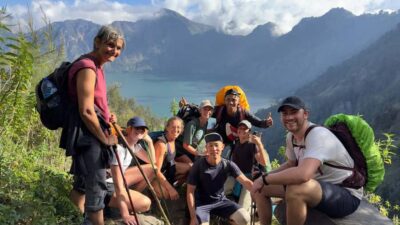
Mount Rinjani Trekking 2D/1N Summit Sunrise & Sunset Views
Read our review →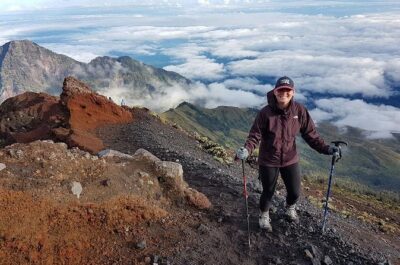
Browse the lists this tour appears in