
REVIEW · KAMPALA
Rwenzori Mountains Trekking with Margherita Peak Summit
The striking thing here is how quickly the Rwenzori changes. You begin beside farmland and forest, then climb through bamboo, giant heather, bogs, lobelias, glaciers, and ice. Margherita Peak reaches 5,109 meters, but the strange plants and misty valleys are nearly as memorable as the summit.
I like the private format, which gives your group more room to set a sensible pace, and I like the route’s wildlife and birdlife. Black and white colobus monkeys, blue monkeys, chameleons, and the colorful Rwenzori turaco may appear before the trail turns alpine. The main caution is simple: this is a hard trek, not a gentle mountain walk. You must bring your own climbing gear, and weather can make the summit day tougher.
Key points at a glance
- Margherita Peak at 5,109m: The summit day crosses glaciers, ice, exposed rock, and the Stanley Plateau.
- Seven days through changing zones: Forest, bamboo, giant heather, giant lobelia, bog, moss, rock, and alpine ice all appear along the route.
- Long, wet trekking days: Several stages last six to eight hours, with slippery rock and cold bog water underfoot.
- Private support from Bujuku Eco Tours: The company provides a private activity, with past guide support associated with Johnson, Geoffrey, and Joeffery.
- Meals are included: Breakfast, lunch, and dinner are listed for all seven days, while climbing gear is not included.
- Entebbe pickup: The trip starts at Entebbe Airport and finishes back at the meeting point.
Why the Rwenzori route feels different
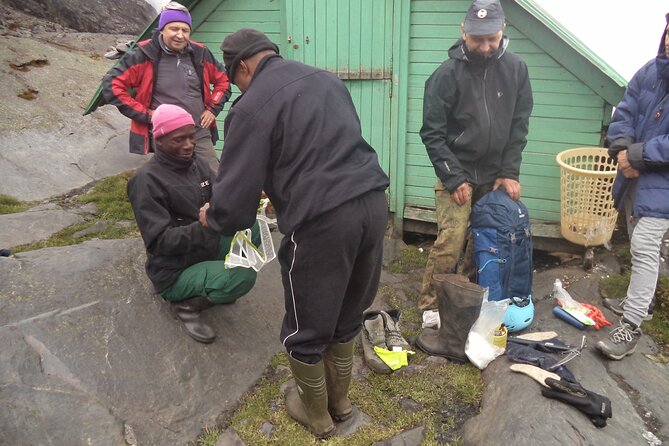
The Rwenzori Mountains are not simply a high peak with a trail pointing upward. They form a 120-kilometer-long range protected in its upper reaches by Rwenzori Mountains National Park. The route passes through a series of plant zones that feel almost out of place near the equator.
Lower down, you walk through farmland and thick forest beside the Mubuku River. Higher up, bamboo gives way to giant heather, lobelia, and groundsel. The bogs are not a minor nuisance. They are part of the character of the route, with tussocks, cold mud, and slow, careful footwork.
The park protects about 70 mammal species and 217 bird species, including 19 Albertine Rift endemics. You should not treat this as a wildlife safari, but the forest sections can bring sightings of blue monkeys, black and white colobus, chameleons, and the Rwenzori turaco.
That combination is the real appeal. You are not walking through the same scenery for a week. Every day offers a noticeable change in plants, footing, weather, and altitude.
More Trekking Tours in Kampala
- 3 Days gorilla trekking Safari tour in Uganda
★ 5.0 · 121 reviews - 8-Day Murchison Falls, Chimp and Epic Gorilla Trekking Safari
★ 5.0 · 72 reviews - 5-Day Pearl of Africa Chimps and Gorilla Trekking Safari
★ 5.0 · 52 reviews
Day 1: Nyakalengijja to Nyabitaba Hut
Your driver guide takes you to Nyakalengijja for a briefing and equipment arrangements before the trek begins. The trail first crosses farmland, then enters the park and follows the Mubuku River through thick forest.
You cross the Mahoma River tributary before the route turns upward for a long, steep climb to Nyabitaba Hut. The day covers about six to seven hours and gains roughly 1,036 meters. That is a serious opening stage, particularly if you are carrying a pack and still adjusting to the heat and effort.
This is one of the best sections for wildlife. Listen for chimpanzees in the forest, and watch for black and white colobus monkeys, blue monkeys, and the Rwenzori turaco. The birds can be as rewarding as the mammals, especially for anyone who enjoys forest species.
Nyabitaba is your first hut stop and the first clear sign that this is a proper mountain expedition. You will have completed a long climb before the real alpine terrain begins. Start conservatively here. Saving energy matters more than gaining a few minutes.
Day 2: Nyabitaba to John Matte Hut
Day two is longer, rougher, and more tiring. From Nyabitaba, the trail drops through forest toward Kurt Shafer Bridge, near the meeting point of the Mubuku and Bujuku rivers.
The route then enters bamboo forest and reaches a long stretch of slippery, moss-covered rock. This is where the Rwenzori demands patience. The trail is not difficult because of one dramatic obstacle, but because wet footing slows you down and keeps your attention fixed on every step.
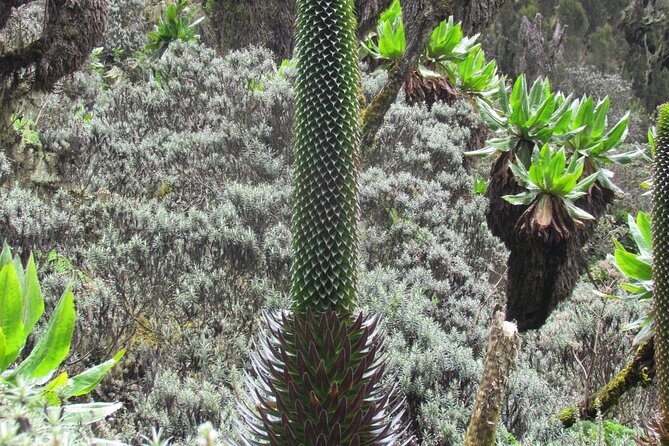
At Nyamuleju rock shelter, you may see Mount Stanley and Mount Speke before entering the zone of giant heather, lobelia, and groundsel. The plant life becomes increasingly unusual, with tall forms that give the mountain a distinctive equatorial alpine character.
The final approach to John Matte Hut crosses a tiring bog. Expect seven to eight hours on your feet and an elevation gain of about 854 meters. This is one of the days when waterproof clothing, careful pacing, and dry spare socks matter. The route is beautiful, but it is not forgiving.
Day 3: Bujuku Lake and Bujuku Hut
The third day is shorter, covering roughly four to five hours with about 457 meters of climbing. That makes it a useful breathing space after the previous day, though the bog remains part of the story.
From John Matte Hut, the trail drops to the Bujuku River and enters Lower Bigo Bog, known for its giant lobelias. You cross by stepping from tussock to tussock, though the freezing mud often finds a way to your boots. The upper bog leads toward Bujuku Lake, with Mount Baker to the south and Mount Stanley to the west.
Bujuku Hut sits in a narrow valley below Stuhlmann Pass, under Mount Baker and Mount Speke. It is a good place to rest and adjust before the higher sections. The slower day helps you judge how your body is handling altitude, cold, and repeated exertion.
Do not waste this stage by rushing. Eat properly, drink regularly, and check your clothing and pack. The summit attempt is still ahead, and the trail becomes more technical.
Another trail to compare in Kampala:
- 3-Day Tour to Uganda – Gorilla Trekking Bwindi Forest
★ 5.0 · 51 reviews - 4-Day Uganda Gorilla Trekking and Wildlife Safari
★ 5.0 · 37 reviews - Private 3 Day Gorilla Trekking Safari in Uganda
★ 5.0 · 36 reviews - 8-Day Murchison Falls, Chimp and Epic Gorilla Trekking
★ 5.0 · 32 reviews
Day 4: Bujuku Hut to Elena Hut
Leaving Bujuku, you continue through bog before climbing the steep slopes west of the lake. The trail passes through Groundsel Gully, described as a magical forest of giant groundsel plants.
At a route junction, the path to the right climbs toward Elena Hut and Mount Stanley. The trail is steep and crosses large boulders. A left branch leads toward Scott-Elliot Pass and Kitandara Lakes, and the route is also used by people who are not attempting Margherita Peak.
You continue to Elena Hut, where the summit group spends the night. This day takes about five to six hours and gains approximately 579 meters. Elena is cool and icy, so this is not a place to expect comfort in the usual lodge sense. It is a practical high camp before the hardest section.
The hut’s position is important. You are close to Mount Stanley and the summit route, but you are also exposed to cold and changing weather. Keep your warm layers ready rather than buried in your bag.
Day 5: The Margherita Peak summit attempt
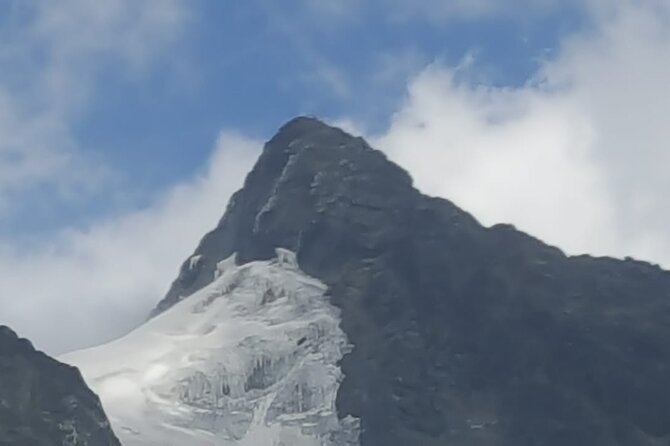
Summit day begins early. Reaching Margherita Peak usually takes about four to five hours, depending on weather and your climbing pace. The route crosses three glaciers, slippery rock, ice, and exposed sections open on several sides.
You climb onto the glaciers, cross the Stanley Plateau, and continue upward toward the summit. The combination of height, cold, fog, ice, and exposure makes this the toughest part of the trip. A summit at 5,109 meters is not earned by fitness alone. You need steady movement, sensible decisions, and close attention to your guide team.
The descent from Margherita Peak back to Elena Hut takes about two to three hours. That timing can vary with conditions, and the descent should not be treated as an easy finish. Legs are tired, the rock may be slippery, and weather can change quickly.
The supplied schedule is not fully clear about the overnight transition after the summit day. It places the summit attempt from Elena Hut and later describes the next stage from Kitandara, so confirm the exact night-by-night arrangement with Bujuku Eco Tours before departure. That is a useful practical question, not a reason to dismiss the trek.
Day 6: Freshfield Pass and the return route
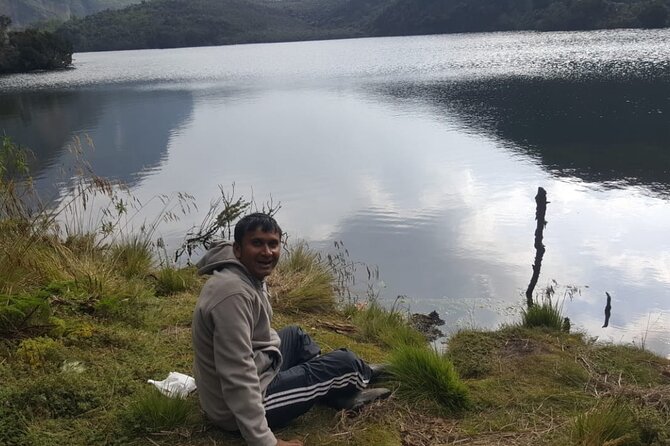
The next section is described from Kitandara toward Freshfield Pass at 4,282 meters. The trail climbs steeply up the headwall from the base of Mount Baker and continues along the mountain’s south side.
At the pass, you can look west toward the Congo and north toward Mount Stanley. The high route then follows a long, mossy alpine section before descending along steep rocky trails.
You also pass Bujongolo rock shelter, the base camp for the Duke of Abruzzi’s 1906 expedition. It adds a small but interesting historical detail to an otherwise wild mountain day. The overnight stop is Guy Yeoman Camp.
This stage takes around six to seven hours. It remains demanding even though you are heading down overall. Descending steep rock can be harder on tired knees than climbing it, so trekking poles may be useful if you normally use them.
Day 7: Returning through bamboo to Mihunga Gate
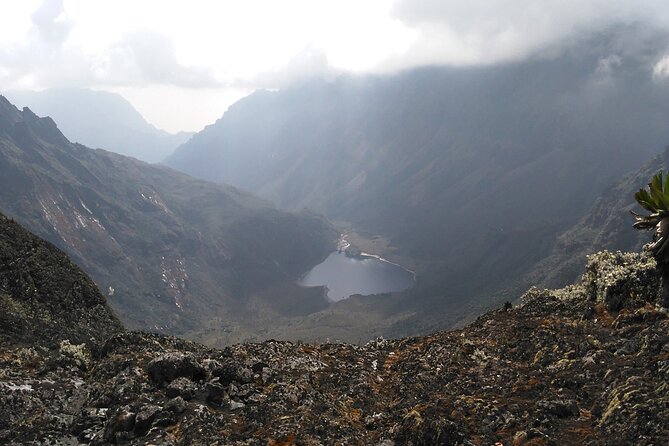
The final day descends below Guy Yeoman through the cliffs of Kichuchu. Beyond Kichuchu, the muddy route crosses the Mubuku River twice and passes through bamboo forest before climbing down toward Nyabitaba.
You complete the circuit at Nyabitaba Camp, then continue descending to Mihunga Gate by evening. The descent is listed at seven to eight hours, so this is not a short walk out. Plan to finish tired, muddy, and pleased to be back at the park boundary.
The final day also shows why the Rwenzori should not be judged only by its summit. You return through forest and river country that feels far removed from the glaciers above. The route changes character again before the trek ends.
What the $1,400 price includes
At $1,400 per person, this is a serious purchase, but the value depends on what you want from a mountain trip. The seven-day private format includes breakfast, lunch, and dinner for the seven days, along with the trekking service and support arranged by Bujuku Eco Tours & Travel.
Pickup is offered from Entebbe Airport, and the activity ends back at the meeting point. That removes some of the transport planning around the start and finish, which is useful after a long international flight or a week in the mountains.
The main extra cost to watch is climbing gear. It is specifically excluded, so ask for a current equipment list before paying. The summit route includes glaciers, ice, slippery rock, and exposed ground. Ordinary walking clothes will not cover every need.
The company’s strongest service points are organization, communication, and guide support. Names associated with past trips include Johnson, Geoffrey, and Joeffery. Past accounts describe fast communication, flexibility when plans needed adjustment, and professional assistance during summit attempts. That matters here because the route is long and conditions can change.
The displayed rating is 5, with 100 percent recommending the experience across 13 reviews. The comments particularly praise the guides, safety, organization, reasonable pricing, and personal support. One account describes a successful Mount Stanley and Margherita summit with help from Joeffery and Johnson. Another describes a seven-day Rwenzori trek without the peak, which is a useful reminder that the itinerary can be adjusted if the summit is not sensible.
Who should book this trek?
You should consider this trip if you already enjoy long mountain days and want a demanding route with unusual plants, serious altitude, and a real summit objective. A moderate fitness level is required, but the published timings suggest that you should be comfortable walking six to eight hours on difficult ground.
You will probably enjoy it less if you want dry trails, hotel-style nights, or a relaxed sightseeing schedule. The bogs are wet, the rocks can be slick, and the summit includes exposed icy terrain. The route is also private, so you may have more control over your pace, but you will still need to meet the physical demands of the mountain.
The trek suits someone who values wild scenery and a full mountain experience more than polished comforts. It also works for people who want guide support and meals arranged while keeping the group private.
Practical details before you reserve
The activity starts at Entebbe Airport in Uganda and ends at the same meeting point. The stated operating hours are Monday through Friday, 7:00 AM to 5:00 PM, for the listed booking period.
Confirmation is provided when you book. Service animals are allowed, and this is a private activity for your group only. The stated cancellation rule allows a full refund when you cancel at least 24 hours before the start time. Changes or cancellations inside that window are not accepted, and a minimum group requirement may apply.
Before you go, ask Bujuku Eco Tours to confirm:
- The exact climbing gear required and what can be rented
- The night-by-night hut plan after the summit attempt
- The current pickup and return arrangements
- How the guide team handles a summit attempt in poor weather
These questions are especially important because the summit day is technical and the schedule contains a transition that should be clarified.
Should you book the Margherita Peak trek?
Book it if you want Uganda’s highest peak as part of a demanding seven-day route through forest, bog, rare alpine plants, glaciers, and high mountain rock. The price is reasonable for a private, meal-supported expedition, provided you budget separately for climbing equipment and prepare for basic hut conditions.
Think twice if your idea of a mountain holiday means short walks and predictable weather. The Rwenzori asks for patience, balance, stamina, and a willingness to get wet. For the right hiker, that is exactly its appeal.
FAQ
Where does the trek start?
The activity starts at Entebbe Airport in Uganda.
Where does the trek finish?
It finishes back at the meeting point.
How long is the Rwenzori trek?
The trek lasts approximately seven days.
How high is Margherita Peak?
Margherita Peak is 5,109 meters above sea level.
Is airport pickup available?
Yes. Pickup is offered from Entebbe Airport.
Are meals included?
Yes. Breakfast, lunch, and dinner are listed for all seven days.
Is climbing gear included?
No. Climbing gear is specifically excluded from the price.
What level of fitness is required?
You should have a moderate physical fitness level. Several days involve six to eight hours of hiking, steep climbs, bogs, slippery rock, and high-altitude terrain.
Is this a private tour?
Yes. Only your group participates in the activity.
Can I cancel for a full refund?
Yes, if you cancel at least 24 hours before the experience start time. Cancellations or changes made less than 24 hours before the start are not accepted for a refund.
Latest treks added in Kampala
- 3 Days Uganda Gorilla trek Safari Tour★ 5.0 · 4 reviews
- Mountain Rwenzori Trekking Uganda 9 Day Safari★ 4.5 · 3 reviews
- 1 Day chimpanzee trekking at Ngamba Island★ 5.0 · 3 reviews
- Uganda 4 days Gorilla Trekking★ 5.0 · 3 reviews
- 3 Days Gorilla trekking tour★ 3.5 · 10 reviews
- Gorilla trekking★ 5.0 · 16 reviews
- 3 days Gorilla Trekking in Bwindi Inpenetrable national Park★ 5.0 · 5 reviews
- 11-Day African Big 5 with Gorilla Trekking Safari in Uganda.★ 5.0 · 2 reviews
Kampala Trekking Tours, compared.
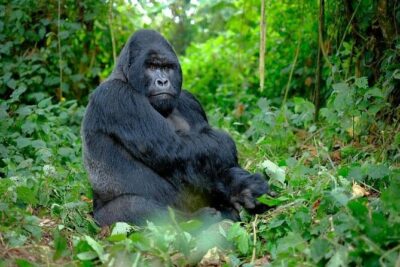
3 Days gorilla trekking Safari tour in Uganda
Read our review →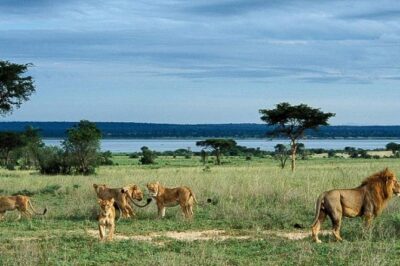
8-Day Murchison Falls, Chimp and Epic Gorilla Trekking Safari
Read our review →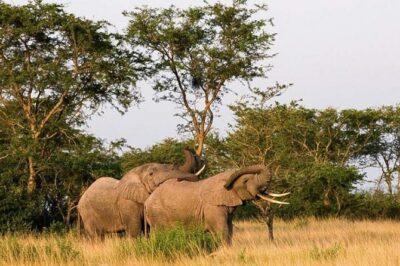
5-Day Pearl of Africa Chimps and Gorilla Trekking Safari
Read our review →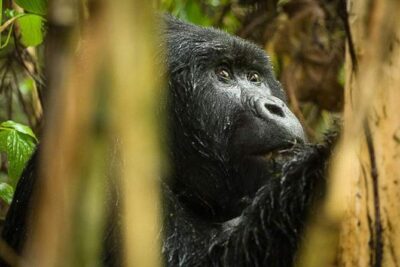
3-Day Tour to Uganda – Gorilla Trekking Bwindi Forest
Read our review →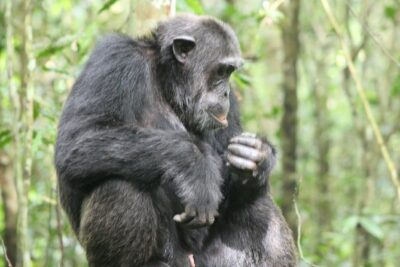
4-Day Uganda Gorilla Trekking and Wildlife Safari
Read our review →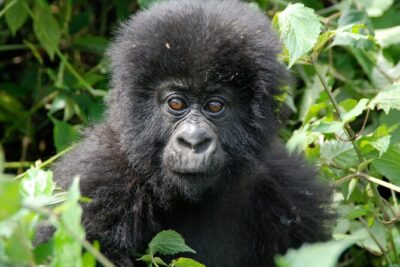
Private 3 Day Gorilla Trekking Safari in Uganda
Read our review →
15-Day Gorilla and chimps Trekking, Big 5 and Nature Sighting Safari
Read our review →Browse the lists this tour appears in