
REVIEW · ETHIOPIA
4 Days Trekking to Simien Mountain National Park
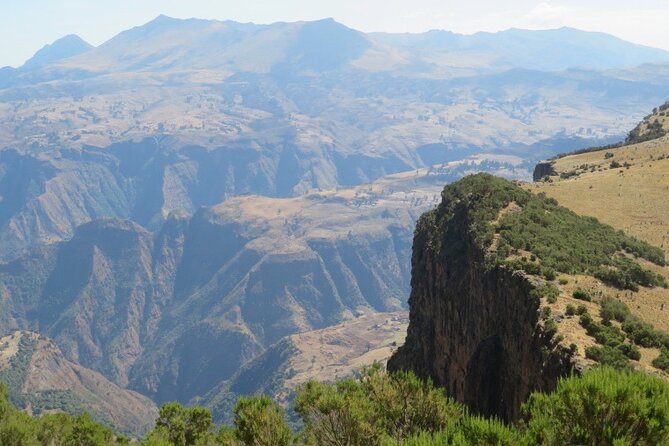
The Simien Mountains give you Ethiopia at its most dramatic: sheer escarpments, high volcanic peaks, giant lobelia, gelada baboons, and farming villages perched beside deep valleys. Over four days, you walk a chain of trails rather than simply stopping at viewpoints, with the route reaching more than 4,000 meters.
I like the mix of nature and local life. A traditional coffee ceremony in Gich village gives the trek a human scale, while the Jinbar waterfall and Imet-Gogo provide the kind of grand views that make the long walks worthwhile. I also like the small group limit of eight people, which should make a difference on narrow trails and during camp routines.
The main caution is altitude. This is not a gentle sightseeing tour, even though the first walk is easy. Day three reaches 4,070 meters, and day four includes Buwahit at 4,430 meters. You need moderate physical fitness, patience, and a sensible attitude toward high-altitude exertion.
Key points at a glance
- Four days on foot: The route moves from Sankaber to Gich, Imet-Gogo, and the high country near Buwahit.
- Geladas and Walia ibex: These are the signature mammals of the park, with geladas appearing early and Walia ibex possible near Buwahit.
- A 500-meter waterfall: The Jinbar River drops dramatically into the abyss near the trail.
- A real village visit: The Gich stop includes a traditional coffee ceremony and a look at local farm life.
- High-altitude walking: The route reaches 4,070 meters on day three and 4,430 meters on day four.
- Small-group format: The maximum group size is eight, with pickup from Gondar Airport or a hotel.
Why the Simien Mountains deserve four days
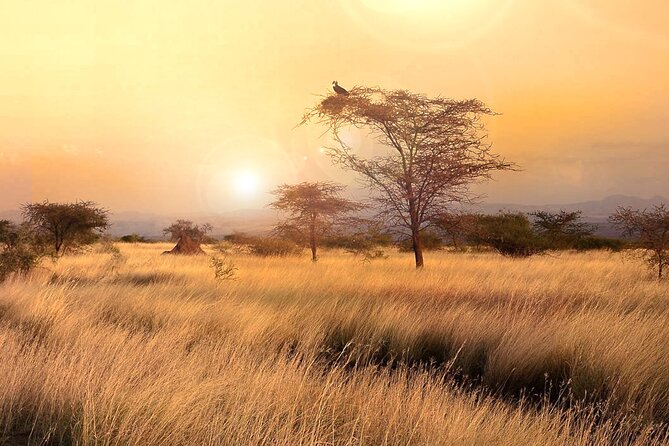
Simien Mountains National Park is one of Africa’s major high mountain areas. At least a dozen peaks rise above 4,000 meters, including Ras Dejen, Ethiopia’s highest point at 4,543 meters and one of Africa’s highest summits.
The area became a national park in 1966, and the mountain range received UNESCO World Heritage status in 1978. Those labels matter here because the appeal is not one isolated summit. It is the combination of volcanic cliffs, open plateaus, deep valleys, unusual plants, endemic animals, birds, and villages spread across the high ground.
A four-day trek gives you time to see how the mountains change. You begin with an easy introduction along the northern edge of the escarpment. Later, you cross barley fields, descend toward river valleys, pass giant lobelia, and walk beside cliffs that fall away for hundreds of meters.
You should not expect a polished resort-style mountain holiday. This is a demanding outdoor trip in a remote national park. The reward is access to scenery that is difficult to appreciate from a vehicle, along with a closer look at rural life in the highlands.
More National Park Treks in Ethiopia
- 4 days semien mountain national park trekking,
★ 5.0 · 11 reviews - Simien Mountains National Park – 7 Day Trek
★ 5.0 · 5 reviews - Chiang Mai: Doi Inthanon National Park and Pha Dok Siew Trek
★ 4.5 · 527 reviews
From Gondar to Debark and Sankaber
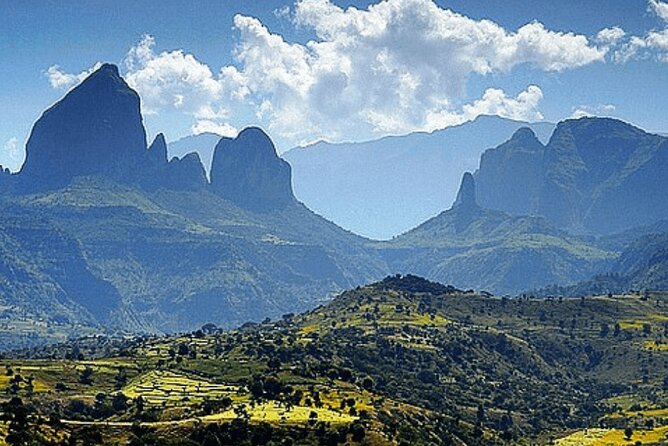
The trip begins at 8:00 a.m., with pickup available from Gondar Airport or your hotel. The drive to Debark is about 100 kilometers and takes roughly two hours on a paved road.
Debark is the park headquarters. This is where permits are arranged and a park scout is collected before you continue toward the trailhead. The process adds useful structure to the trip, since you are entering a protected area rather than setting off alone.
After Debark, the drive continues for about an hour. The first walk is intentionally light. You follow the northern edge of the escarpment, with views over the foothills and plains of northern Ethiopia.
This introductory hike is a good idea after the road journey. It lets you stretch your legs without using up all your energy on the first afternoon. It also gives you a first chance to see gelada baboons, one of the park’s most memorable animals.
You spend the night at Sankaber. The supplied timing lists the first walk at about one hour, so this day is less about distance and more about getting into the mountain setting.
Sankaber to Gich, with the Jinbar waterfall
Day two is the first full walking day. From Sankaber, the trail follows the northern escarpment eastward before dropping a little into the Kaba Valley. You then climb again toward Gich Abyss.
This up-and-down pattern is typical of the route. The distance may look manageable on paper, but altitude and repeated climbs make the walking harder than a lowland hike of the same length. Take your time, especially if you are still adjusting to the height.
The route continues along a narrow ridge toward a cliff with a broad view into the abyss and across to the Simien foothills. The most striking feature here is the Jinbar waterfall, where the Jinbar River plunges about 500 meters into the valley.
You continue for around two hours before stopping for lunch near the Jinbar River. The waterfall is a major visual high point, but the setting also gives you a useful break from the exposed ridge walking.
After lunch, the character of the route changes. You walk through barley fields toward Gich village, where the mountain scenery is joined by working farmland. A traditional coffee ceremony takes place in one of the huts, and you can learn about local farm life.
This part of the day is especially valuable because it keeps the trek from becoming a string of scenic overlooks. Ethiopia’s coffee culture is an important part of daily life, and sharing coffee in a village setting gives you a more grounded experience than simply passing through the countryside by car.
From Gich village, it is a short walk to Gich camp. The day is described as roughly one full day of activity, with about two hours noted for one section of the route. Expect the actual walking time to feel longer once you include climbs, lunch, the village visit, and time at the viewpoints.
Gich Camp, giant lobelia, and Imet-Gogo
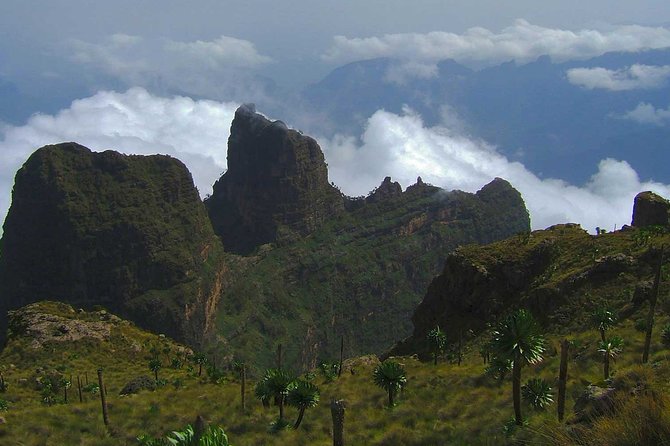
Day three begins among the high fields near Gich camp. The trail passes through areas filled with giant lobelia before reaching the cliffs of Imet-Gogo at 3,926 meters.
Giant lobelia is one of the plants that gives the Simien highlands their unusual look. These tall, striking plants make the open slopes feel very different from ordinary mountain country. For anyone interested in plants, birds, or natural history, this section adds another layer to the trek.
At Imet-Gogo, you have time to take in views across the mountain valleys and toward strange volcanic formations in the distance. The route then descends into the Jinbahir River Valley, giving you a different angle on Imet-Gogo and the surrounding rock formations.
From below, the volcanic terrain can look as if large pieces of the mountains have been removed. That change in viewpoint is one of the strengths of walking this route. A road lookout usually gives you one fixed scene. Here, the mountains keep changing as you climb, descend, and follow the edge of the escarpment.
The trail later runs beside a completely vertical section of cliff, with several hundred meters falling away from the edge. This is spectacular, but it is also where you should pay attention to your footing and follow the guide’s instructions.
The day includes a climb to about 4,070 meters. That is high enough for the altitude to become a serious factor, even for people who are fit at home. Walk slowly, drink when you can, and tell the guide if you feel unwell rather than trying to prove something.
The provided details do not specify every overnight arrangement or exact walking distance for day three, so you should ask the operator for the final camp plan before departure. The important point is that this is one of the trek’s most demanding days, combining high elevation, exposed cliffs, and changing terrain.
More four-day treks in Ethiopia
- Trekking in Ethiopia’s Lalibela Wollo Highland 4 Days / 3 Nights
★ 5.0 · 6 reviews - 4 Days Lalibela Tour with Day Trek to Hudad
★ 5.0 · 2 reviews - 4 Day Trekking Simien Mountains
★ 5.0 · 2 reviews - Pokhara: 4-Day Ghorepani, Poonhill & Ghandruk Mountain Trek
★ 5.0 · 132 reviews
Buwahit at 4,430 meters
The final day aims higher still. You climb Buwahit, listed as the second-highest peak in the Simien Mountains, at 4,430 meters.
The summit offers wide views across the surrounding mountains and may provide a chance to see Walia ibex, an endemic Ethiopian animal associated particularly with the Simien range. The ibex belongs to the goat family and is one of the wildlife prizes of the trek.
You may also see Ras Dejen, Ethiopia’s highest mountain, at 4,543 meters. The view toward Ras Dejen gives the final day a clear sense of scale. Buwahit is already a major height, yet the nearby summit rises higher still.
This is not a casual summit walk. The route’s age range is listed as 12 to 70, but that does not make it suitable for every person in those age groups. The stated requirement is moderate physical fitness, and the altitude makes personal health, experience, and pacing important.
After the high point, you descend to Chenek camp, where the vehicle waits. From there, the drive back to Gondar takes about four hours. That return journey makes day four a long one, with a high climb followed by a substantial road transfer.
If you prefer a relaxed final afternoon, this schedule may feel tough. If you like a strong finish and want to reach one of the range’s highest summits, it gives the trip a memorable goal.
Wildlife, plants, and the value of a park scout
The Simien Mountains are not only about cliffs. The park’s appeal comes from the way wildlife and vegetation fit into the high mountain setting.
Gelada baboons can appear during the first introductory walk, so you do not need to wait until the most remote section of the trek to start looking for animals. On day four, Walia ibex is a particular possibility near Buwahit.
The route also includes giant lobelia, barley fields, and varied highland vegetation. Bird life is another reason to bring binoculars if you have room, though the exact species you see will depend on conditions and timing.
A park scout is arranged at Debark. This matters because the trip is not simply a private walk with a driver. The scout is part of the park access system, while your guide handles the route and the day-to-day flow of the trek.
The named people connected with the operator include Solomon and the guide Jon. Solomon is described as helpful with arrangements, while Jon is identified as a guide who works hard to support the group. Ask at booking who will lead your particular departure, since the supplied details do not promise that both men will be present on every trip.
What the $275 price means
At $275 per person, the trip offers a fairly substantial four-day mountain program rather than a short park visit. The stated package includes pickup, park access arrangements, a scout, walking between several camps, and transport back to Gondar.
The price is most attractive if you value structure. You do not have to arrange the Gondar transfer, Debark permits, park entry process, route planning, or the return vehicle separately.
The small maximum group of eight also helps explain the value. A smaller party is more practical on narrow ridges and makes it easier to keep a steady pace. It should also make the village visit and coffee ceremony feel less like a large group stop.
Still, check the final inclusions before paying. The supplied information does not clearly spell out every meal, camping item, porter service, or personal equipment provision. Those details matter on a four-day high-altitude trip.
The price is a good fit for someone who wants a guided introduction to the Simien Mountains and prefers one company to coordinate the moving parts. Independent trekkers may want to compare the cost with arranging permits, transport, a scout, and support on their own.
Practical matters before you book
Pickup is offered from Gondar Airport or your hotel, with an 8:00 a.m. start. The activity ends back at the meeting point after the drive from Chenek to Gondar.
The booking confirmation is sent within 48 hours, subject to availability. The activity is near public transportation, but the main logistics are handled through the arranged pickup and vehicle.
Bring a realistic view of the physical effort. Day one is easy, but the later route includes steep changes in height, exposed escarpment trails, and elevations above 4,000 meters. The altitude is the key issue, not just the number of hours spent walking.
The experience is limited to ages 12 through 70. That is a broad range, so you should judge yourself by fitness and comfort at altitude rather than age alone.
Weather can affect the departure. If poor weather cancels the trip, you are offered another date or a full refund. You can also cancel for a full refund up to 24 hours before the start time. Cancellations or changes within 24 hours are not refunded or accepted, and the trip requires a minimum number of participants.
Who should book this Simien trek?
I would choose this trip if you want a serious introduction to Ethiopia’s highlands, not a quick scenic drive. It suits walkers who enjoy long days, big views, wildlife watching, and the chance to meet people in a rural village.
It is also a good choice if you want the major Simien sights in one connected route: Sankaber, Gich, the Jinbar waterfall, Imet-Gogo, Buwahit, and views toward Ras Dejen.
I would think twice if you dislike altitude, exposed cliff trails, or long vehicle transfers. The final day combines a 4,430-meter climb with about four hours on the road, so the schedule is rewarding but not soft.
Should you book it?
Book this four-day trek if your priorities are high mountain scenery, gelada baboons, unusual plants, a village coffee ceremony, and a route that reaches genuinely high summits. The $275 cost is sensible for a coordinated small-group trip, provided the final inclusions match your needs.
Before confirming, ask who your guide will be, what camping and meal supplies are included, and how the day-three overnight is arranged. If you are comfortable with the altitude and moderate physical demands, this is one of the more complete ways to experience the Simien Mountains from Gondar.
FAQ
Where does the trek start?
The trek starts at Gondar Airport or your hotel in Gonder, Ethiopia. Pickup is offered, and the stated start time is 8:00 a.m.
Where does the activity end?
The activity ends back at the meeting point in Gondar after the vehicle returns from Chenek.
How long does the experience last?
The trek lasts approximately four days.
How much does the trek cost?
The listed price is $275 per person.
How many people can join the tour?
The activity has a maximum group size of eight travelers.
What level of fitness do I need?
You should have a moderate physical fitness level. The route reaches about 4,070 meters on day three and 4,430 meters on day four, so altitude is an important consideration.
What age range is allowed?
The stated age range is 12 to 70.
Can I cancel for a refund?
You can cancel at least 24 hours before the start time for a full refund. Cancellations or changes made less than 24 hours before the start time are not accepted for a refund. If poor weather or insufficient participation cancels the experience, you are offered another date or a full refund.
Latest treks added in Ethiopia
- Lalibela 2-Day Eco Trekking Tour★ 5.0 · 3 reviews
- Trekking in Ethiopia’s Lalibela Wollo Highland 4 Days / 3 Nights★ 5.0 · 6 reviews
- 3-days Scheduled Lalibela Churches & Abune Yosef Trekking★ 5.0 · 7 reviews
- Lasta Mountains: Highland Eco Trekking Tour in Lalibela★ 5.0 · 4 reviews
- 4 Days Lalibela Tour with Day Trek to Hudad★ 5.0 · 2 reviews
- Day trek to Simien Mountain★ 5.0 · 5 reviews
- Day trek to Simeien Mountains★ 5.0 · 3 reviews
- Simien Mountains National Park – 7 Day Trek★ 5.0 · 5 reviews
National Park Treks, compared.
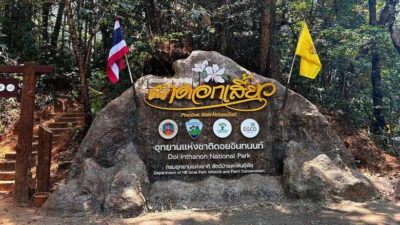
Doi Inthanon National Park and Pha Dok Siew Trek
Read our review →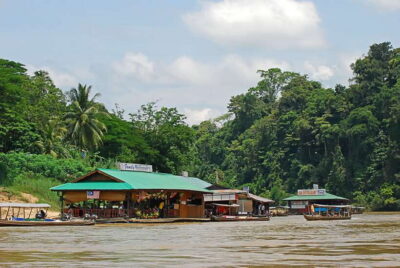
From Kuala Lumpur: Taman Negara National Park Trek Day Tour
Read our review →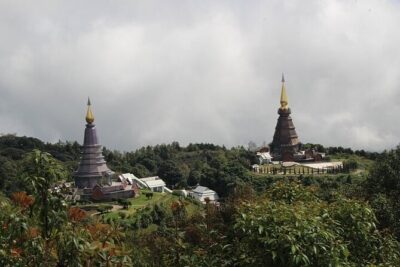
Doi inthanon National Park + 2Hour Fantastic Trekking with Lunch
Read our review →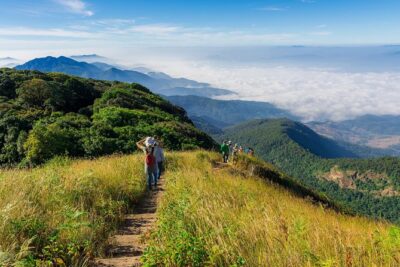
Doi Inthanon National Park with Nature Trail Trekking 1-Day Tour
Read our review →
Cat Ba National Park Full Day Trekking Tour to Viet Hai Village
Read our review →
From Da Nang or Hoi An: Bach Ma National Park Trek & Lunch
Read our review →
Bach Ma National Park trekking deluxe daily tour from Hue
Read our review →
Browse the lists this tour appears in