
REVIEW · CHIANG RAI
Authentic trek only walk in Chiang Rai jungle
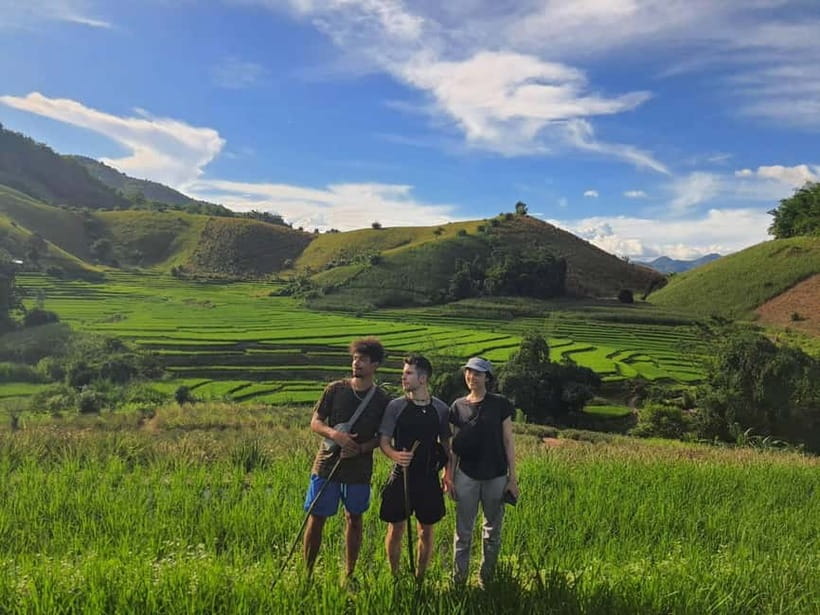
The best part of this Chiang Rai day is that it is a real jungle hike, not a quick stroll beside a road. You walk steep slopes, duck under fallen bamboo, pass tea fields and villages, and reach a waterfall where you can cool off. James, Wat, Tee, or Sammy may guide the day, and the guides are known for mixing useful local knowledge with plenty of jokes.
I like the hands-on bamboo cooking, which turns lunch into part of the adventure rather than a pause between activities. I also like the route’s variety: Lisu and Chinese villages early on, Akha and Lahu villages later, with tea plantations, jungle trails, and a waterfall in between. The main caution is simple: this is harder than the words moderate fitness suggest. Expect steep climbs, rocky ground, and some clambering.
Key points at a glance
- A proper 9-hour hike: Much of the day is spent walking on uneven jungle trails, with steep sections and fallen bamboo.
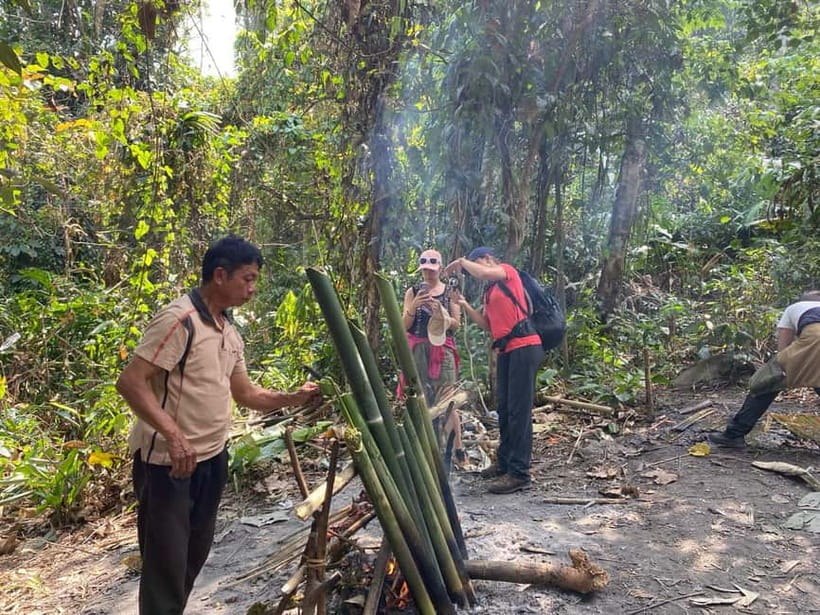
- Lunch cooked in bamboo: You help prepare traditional Thai food using bamboo and banana leaves, then eat it in the forest.
- Four hill-community stops: The route includes Lisu, Chinese, Akha, and Lahu villages, each adding a different cultural angle.
- A waterfall swim: Bring swimwear and a towel so you can cool down after the more demanding part of the walk.
- Guides who shape the day: James, Wat, Tee, and Sammy are praised for humor, care, and practical help on the trail.
- Good value for active visitors: At $57 per person, the price covers hotel transport, a TAT guide, lunch, and a full day outdoors.
Why this Chiang Rai trek feels different
Many day trips around Chiang Rai involve short walks, photo stops, and transport between sights. This one puts the walking first. The title says Only Walk, and that is a useful warning as much as a selling point.
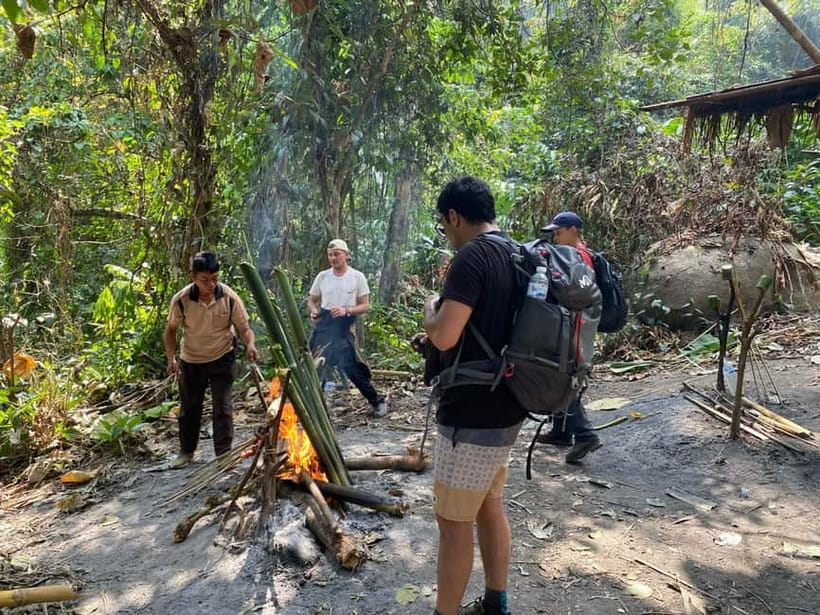
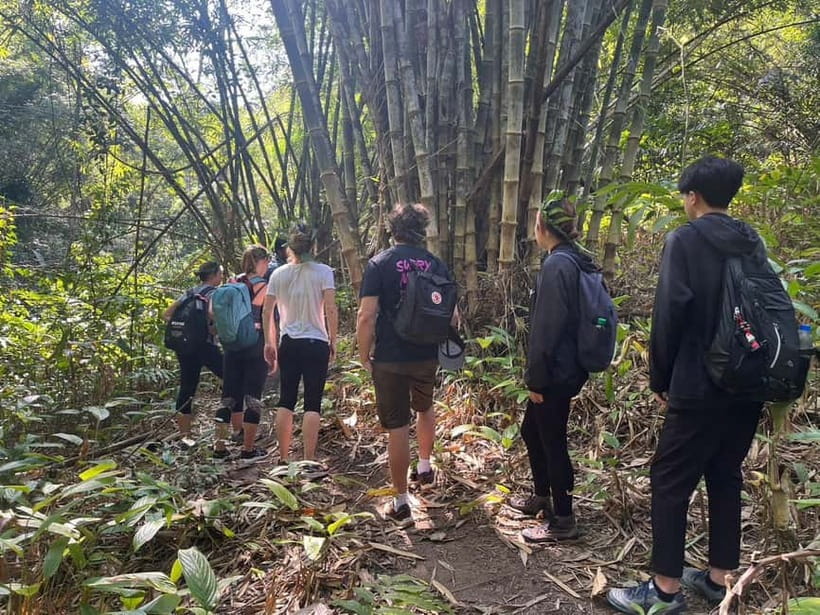
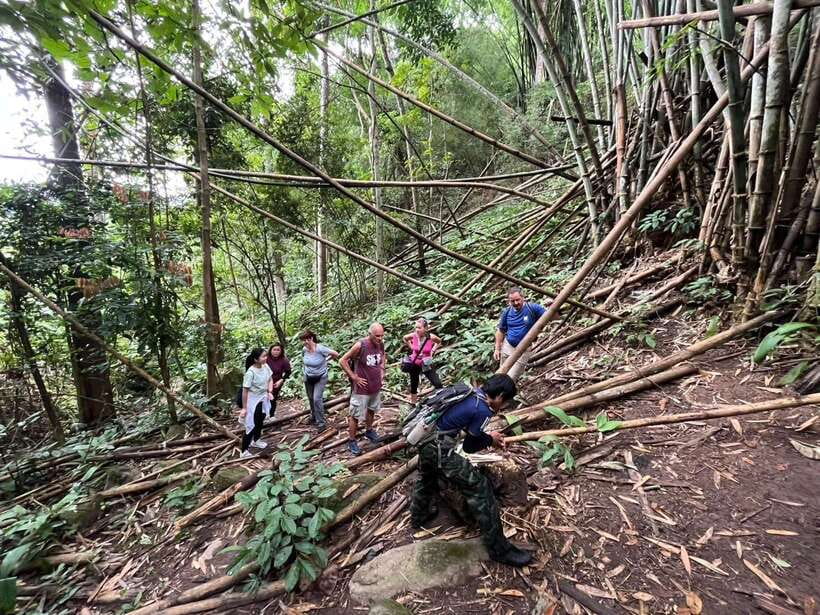
You spend hours on jungle trails rather than simply stepping out of a vehicle for a picture. The route can include steep ascents, rocky ground, low branches, and fallen bamboo. You may need to use your hands for balance. That gives the day a stronger sense of adventure, but it also rules out anyone looking for an easy nature outing.
I like the balance between the physical route and the cultural stops. The villages are not treated as a rushed backdrop to the forest. You pass through Lisu, Chinese, Akha, and Lahu communities, giving you a look at the mix of cultures around northern Thailand. The experience is best approached with respect and curiosity. It is not a staged cultural show, and the short visits should not be mistaken for a full study of village life.
The sustainability angle also matters. The meal uses bamboo gathered from the jungle, and the cooking method makes use of simple natural materials. Small bamboo souvenirs carved by the guides have also been part of the day for some groups. These details give the outing a local feel without adding a long list of formal attractions.
More Jungle Treks in Thailand
- Chiang Rai: Jungle Adventure-Group Trekking & Bamboo Cooking
★ 4.9 · 166 reviews - Chiang Rai: 2-Day Jungle Trek only walk with Waterfall
★ 4.8 · 17 reviews - Trekking with Lunch cooked by Bamboo in the Chiang Rai jungle
★ 5.0 · 12 reviews
The 9 am pickup and ride into the hills
Pickup is included from Chiang Rai hotels, with the day starting around 9 am. You should wait in the hotel lobby 10 minutes before the scheduled time. The return is to Chiang Rai after the full day.
The transport is practical rather than luxurious. One group reported a strong diesel smell in the vehicle, which caused some discomfort. That may not happen on every departure, but it is worth knowing if you are sensitive to fumes or motion. Keep your hands free during the walking sections, and pack only what you need for the trail.
The guides speak English and Thai. James and Wat receive especially warm praise for keeping the group together, explaining what you are seeing, and making the long walk feel social. Tee and Sammy have also led groups. The exact guide team can vary, but the personal style is a clear part of the outing.
Lisu and Chinese villages: a cultural start
The first part of the route includes a visit to a Lisu village, followed by a Chinese village. These stops help place the forest walk in its human setting. Chiang Rai Province is not just a patch of trees and mountains. It is home to communities with different customs, languages, and backgrounds.
The visits are short enough to fit into a long walking day, but they add something that a standard forest hike misses. You get a sense of how village life connects with the surrounding hills, farms, and forest paths. Your guide is the person to ask about local customs and daily life, since the amount of explanation depends on the group and the timing.
There is also a shopping element listed for this part of the route. Do not expect a large market or a major retail stop. It is better to think of it as a chance to see local goods and perhaps make a small purchase if something interests you.
A little courtesy goes a long way here. Ask before taking close-up photographs of people, follow your guide’s lead, and avoid treating homes and working areas like museum exhibits.
Tea plantations and the first long walking stretch
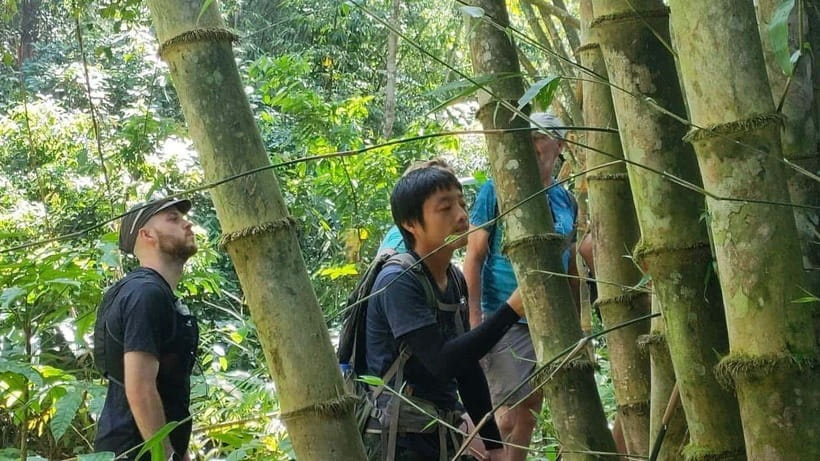
After the village visits, the route passes through tea plantations. The change from settlement to cultivated hillside to thick jungle gives the day much of its visual appeal. You can stop for photographs and take in the smell of the tea plants as you walk.
This section also shows why sturdy footwear matters. The route is not presented as a paved plantation tour. It continues into varied ground, and wet conditions can make the trail more demanding. In the rainy season, the route may become particularly challenging, though one group described having a private-feeling day because there were few other people around.
Your guide may point out plants, fruit, rubber trees, and other features along the way. One group enjoyed eating several wild-grown fruits during the walk. The exact plants available will depend on the season, so treat anything edible as something to try only when the guide offers it.
The views are a strong reward for the effort. You get open moments around the tea fields and village areas, then more enclosed walking through the jungle. It is a varied route rather than one long, identical forest track.
More Jungle Treks in Chiang Rai
- Chiang Rai Trek:Jungle Hike, Bamboo-Cooked Lunch & Boat Ride
★ 5.0 · 7 reviews - Chiang Rai Jungle Trek & Bamboo Tube Cooking Adventure
★ 5.0 · 5 reviews - Chiang Rai 1 Day Jungle Trek with Bamboo Lunch & Local Guide
★ 5.0 · 5 reviews - One Day Trekking Chiang Rai Jungle Adventure and Bamboo Cooking
★ 3.5 · 3 reviews
Bamboo cooking: the day’s most memorable stop
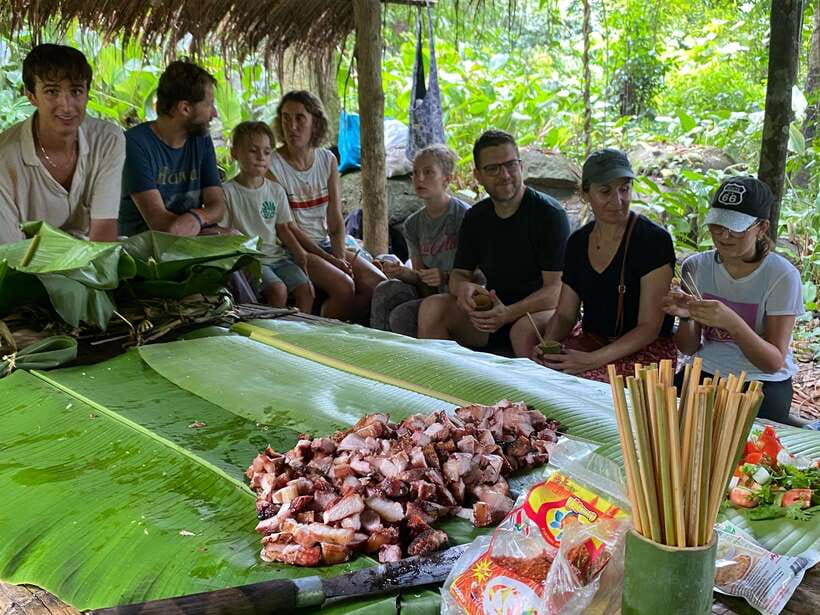
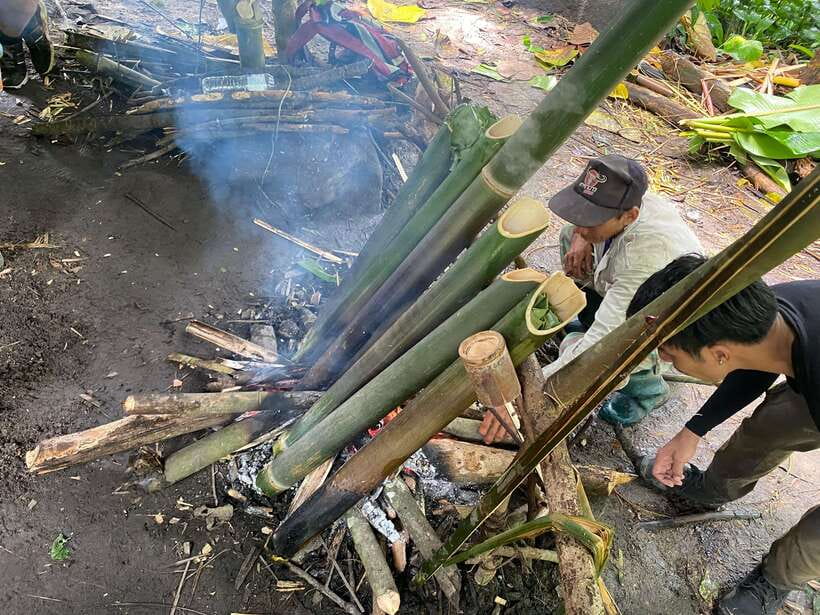
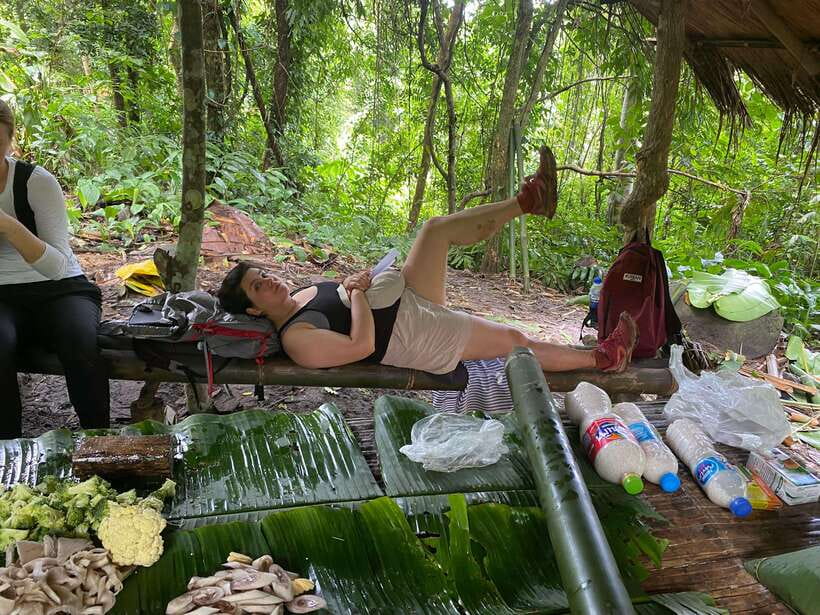
Lunch is not handed to you in a restaurant. You help prepare it in the jungle, using bamboo and banana leaves. This is the activity that gives the trek its strongest sense of place.
The guides cut and prepare the bamboo, show you how the cooking works, and serve a traditional Thai meal after the first major walking section. You get time to catch your breath, but the cooking also becomes a practical lesson in how food can be prepared with very little equipment.
The meal is frequently praised for its flavor and generous quality. That matters because lunch on an active day can make or break the afternoon. Here, the food is part of the main event. It also gives groups a natural chance to talk with the guides and one another.
Tell the operator about dietary restrictions before booking. Medical conditions should also be shared in advance. Drinks other than water are not included, so bring enough water for a hot and strenuous day.
Small bamboo ornaments may be carved for you to take home. They are modest souvenirs, but they fit the experience far better than a mass-produced item from a shop.
The waterfall reward after lunch
After eating, the trail continues through dense foliage to a waterfall. This is the natural payoff for the hardest part of the walk. The water offers a chance to cool down, rest, and take photographs in a setting that feels far removed from Chiang Rai town.
Swimming is allowed as part of the outing, which is why you should bring swimwear and a towel. The water is described as clear and refreshing, though conditions can change with weather. Use sensible care on wet rocks and listen to the guide.
The waterfall does not turn the trek into an easy day. You still need to walk out afterward. For that reason, I would not save all your energy for the waterfall. Set a steady pace from the start, drink often, and tell the guide if you need a short break.
This stop works especially well because it follows lunch and a demanding trail section. It is not just another photo stop. It gives your body a practical reason to recover before the route continues.
Akha and Lahu villages on the return route
The later section reaches Akha and Lahu villages. Together with the Lisu and Chinese village visits earlier in the day, these stops show the cultural variety of the hills around Chiang Rai.
The timing is useful. By now, you have seen how the area changes from plantation to forest and can better understand the connection between village communities and the surrounding terrain. Your guide can add context about customs and daily life, although the visit is still part of a walking tour rather than a dedicated cultural program.
The jungle itself becomes part of the atmosphere here. You hear the forest around you, walk through thicker vegetation, and move at a slower pace than you would on a road. That is one reason the route feels more personal than a bus-based sightseeing trip.
There is a potential ethical question with any village visit. You should follow the guide’s instructions, ask before photographing people, and avoid expecting residents to perform for you. The value comes from passing respectfully through a lived-in community, not from collecting pictures.
How difficult is the hike?
Take the warnings seriously. The route is best for someone with reasonable fitness and confidence on uneven ground. It includes steep slopes, rocky sections, and places where you may need to duck under fallen bamboo or use your hands while climbing.
One person in a group had to leave at the beginning because the hike was too demanding. Another described it as technical at times, while several people called it strenuous but well worth the effort. That is a more useful description than simply calling it moderate.
You do not need to be a serious mountain hiker, but you should be comfortable walking for hours in heat and humidity. Mobility difficulties may make the route unsuitable. Good grip matters more than fashionable footwear, and sandals are a poor choice.
Bring:
- Hiking shoes with a firm grip
- Sun hat and sunscreen
- Insect repellent
- Swimwear and towel
- Camera
- Water
Keep your bag light. You will appreciate having both hands free when the trail gets steep or cluttered with branches.
Is $57 a fair price?
At $57 per person, this is not the cheapest way to see the countryside around Chiang Rai. It is also not simply a transfer to a waterfall. The fee includes hotel pickup and drop-off, a TAT guide, lunch, and roughly nine hours of activity.
The value depends on what you want from a day out. If you want a gentle walk and a few quick stops, this is probably too demanding for the money. If you want a full day with a real hike, a bamboo-cooked meal, village visits, a waterfall, and a guide, the price is easier to justify.
The lunch adds real value because it is both food and an activity. Transport also matters in a rural area, where arranging your own route between villages, plantations, and jungle trails would be awkward. The sustainability focus and local guide element add further weight, though you should not expect a luxury vehicle or polished resort-style service.
Free cancellation is available up to 24 hours before departure, and you can reserve now and pay later. Those terms are useful if your Chiang Rai plans are still changing.
Who should book this walk?
I would recommend it to active visitors who want to see a less polished side of northern Thailand. It suits you if you enjoy long walks, local food preparation, forest scenery, and guides who keep the mood light.
It is also a good match if you have already seen Chiang Rai’s main temples and want a day outside town. The route gives you several distinct settings instead of repeating the same type of stop.
I would be cautious if you have mobility difficulties, dislike steep trails, or want a relaxed sightseeing day. Families should consider the fitness of every participant, not just the adults. The waterfall is a reward, but you must earn it through the walk.
Final call: book it if you want the walk, not just the sights
Book this tour if the words proper jungle trek sound appealing. The strongest parts are the bamboo lunch, the waterfall swim, the changing scenery, and guides such as James and Wat who make a demanding day feel friendly.
Skip it if you are mainly looking for easy access, polished transport, or a short forest visit. At $57, the value is good for a full active day, but only if you are ready for steep ground, heat, and a few moments of scrambling.
FAQ
What time does the tour start?
Hotel pickup is scheduled daily at 9 am. You should wait in your hotel lobby 10 minutes before pickup.
How long does the experience last?
The full experience lasts about nine hours, including transportation, walking, village visits, lunch, and the return to Chiang Rai.
Is hotel pickup included?
Yes. Hotel pickup and drop-off in Chiang Rai are included.
What languages do the guides speak?
The live tour guide service is available in English and Thai.
Who guides the trek?
Guides named in the available information include James, Wat, Tee, and Sammy. The guide assigned to your departure may vary.
How difficult is the walk?
The trek requires a moderate to strong level of physical fitness. It includes steep slopes, rocky areas, varied jungle ground, and places where you may need to move under fallen bamboo.
Can I swim at the waterfall?
Yes. Swimming at the waterfall is part of the experience. Bring swimwear and a towel.
What is included in the price?
The $57 price includes hotel pickup and drop-off, a TAT guide, and lunch.
Are drinks included?
Water is included, but drinks other than water are not. Bring enough water for a long walk in warm conditions.
Can I cancel the booking?
You can cancel up to 24 hours in advance for a full refund. You can also reserve now and pay later.
Latest treks added in Chiang Rai
- Trekking with Lunch cooked by Bamboo in the Chiang Rai jungle★ 5.0 · 12 reviews
- Full Day Trekking & bamboo cooking Tour in Chiang Rai★ 5.0 · 7 reviews
- Akha private eco-trekking 2 days 1 night Chiang Rai★ 4.5 · 2 reviews
- One Day Trekking Chiang Rai Jungle Adventure and Bamboo Cooking★ 3.5 · 3 reviews
- Cultural trekking and boat trip★ 5.0 · 5 reviews
- Chiangrai: Group Trekking with Bamboo Cooking★ 4.8 · 5 reviews
- Chiang Rai: The Adventure of Trekking & Bamboo Cooking★ 5.0 · 3 reviews
- Chiang Rai Jungle Trek & Bamboo Tube Cooking Adventure★ 5.0 · 5 reviews
Jungle Treks, compared.

3-Day Ethical Orangutan Jungle Trek | Bukit Lawang, Sumatra
Read our review →
Monkey Business 3 days – 2 nights Jungle trekking (including rafting)
Read our review →
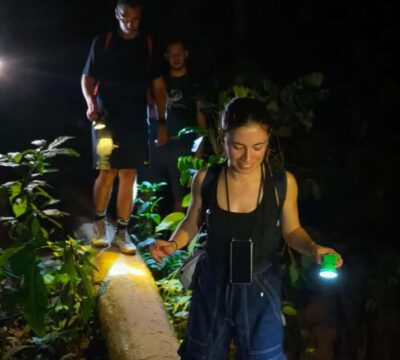
Khao Sok: Private Day Trekking, Jungle Dinner & Night Safari
Read our review →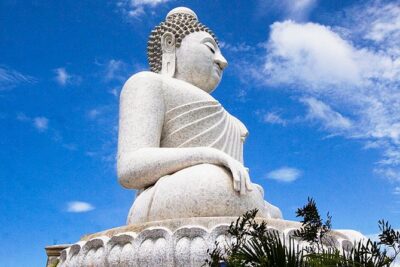
Big Buddha Jungle Trekking and Temple tour with Lunch
Read our review →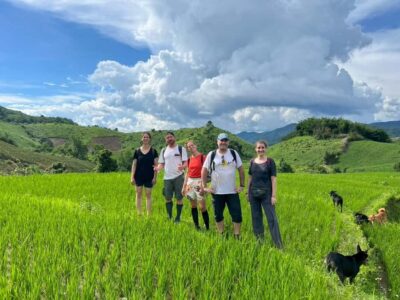
Jungle Adventure-Group Trekking & Bamboo Cooking
Read our review →
ORANGUTAN TREK (2D/1N) by EcoTravel Bukit Lawang
Read our review →Browse the lists this tour appears in