
REVIEW · ADDIS ABABA
2 days trek around Lalibela
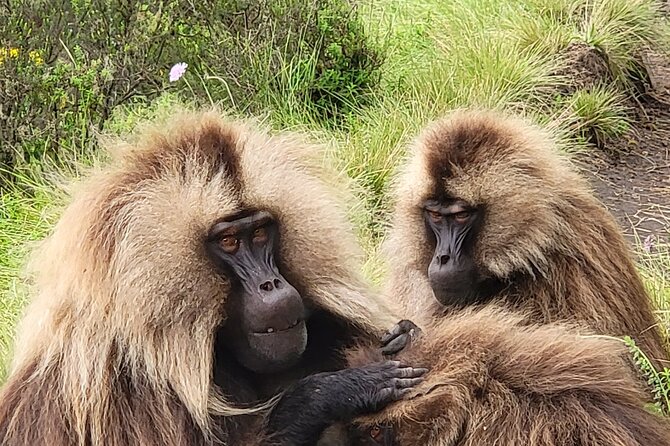
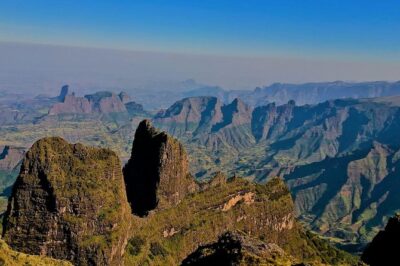
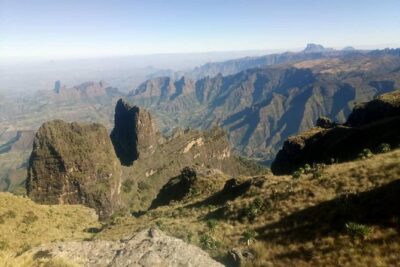
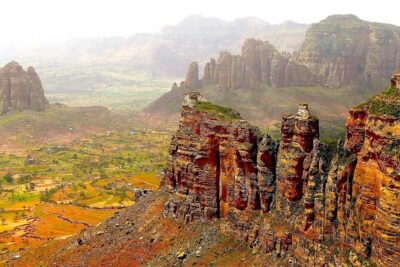
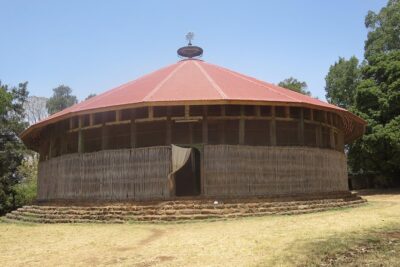
Lalibela is famous for its rock-hewn churches, but this trek takes you beyond the town and into the highlands where wildlife is the main attraction. You’ll walk among open mountain scenery, look for gelada baboons and rare birds, and spend time with a local family rather than sleeping only in a standard hotel. The community stay is the most personal part of the trip.
I like the chance to combine wildlife with a real overnight stay, and I like the small maximum group size of 12. Guides connected with this service include Moges and Abebe, both praised for being patient, flexible, caring, and helpful. The main drawback is physical: walking five to six hours on day one, followed by a high-point hike, calls for moderate fitness and comfortable walking gear.
Key points to know before booking
- Wildlife is the focus: The trek is designed around gelada baboons, birds, and the rare simian wolf named in the tour description.
- One day is a serious walk: Plan for five to six hours of walking on day one, with more hiking on day two.
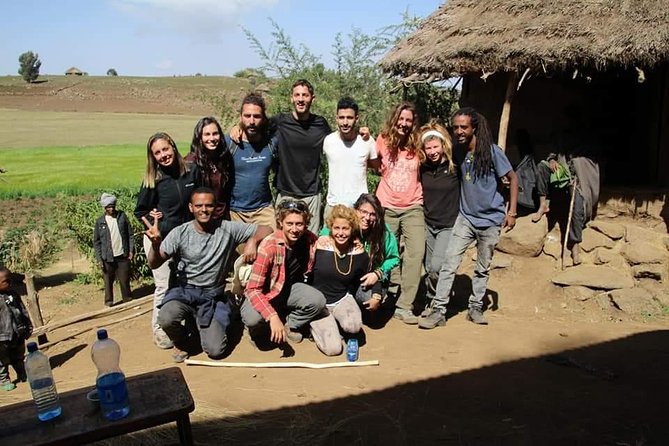
- You stay with a local family: This gives the trip a stronger community connection than a standard hotel-based excursion.
- The group is limited to 12 people: That should make walking and communication easier than on a large coach tour.
- The $250 price includes meals and lodging: Two nights of accommodation plus two breakfasts, two lunches, and two dinners are included.
- Check the overnight details: The experience lasts about two days but lists two nights of accommodation, so confirm the exact sleeping plan before paying.
Why this trek adds another side to Lalibela
Lalibela is usually associated with its famous churches. Those churches deserve time, but the surrounding highlands offer a different kind of experience. Instead of moving from one historic site to another, you spend much of this trip on foot, watching for animals and birds while getting a closer look at rural life.
The wildlife promise is appealing because the trip is not simply a walk with views. The stated aim is to observe the animals of the massif, including gelada baboons, many types of birds, and a rare simian wolf. Sightings are never guaranteed, so you should book this for the walking, scenery, and chance to see wildlife, not for a promised animal checklist.
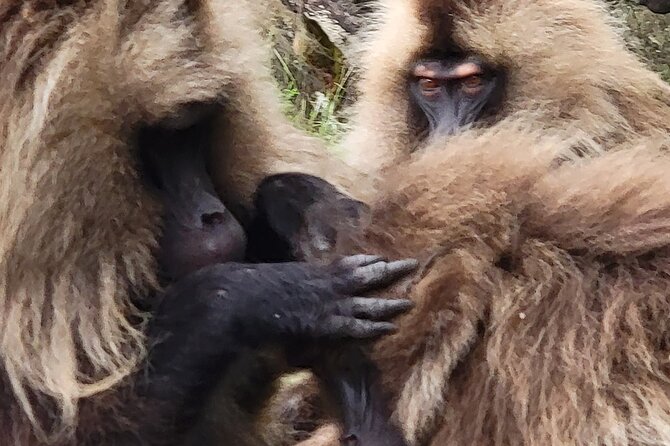
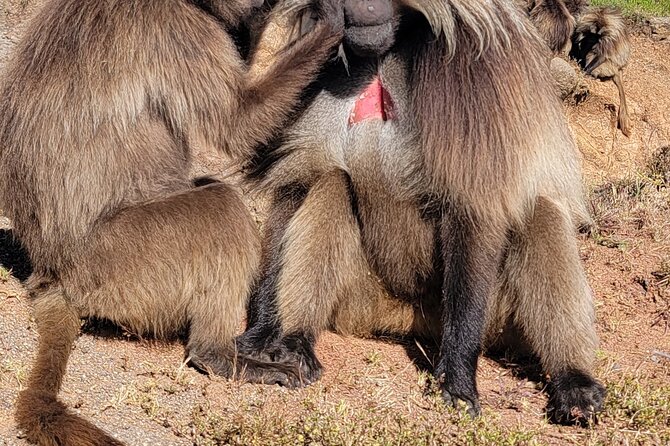
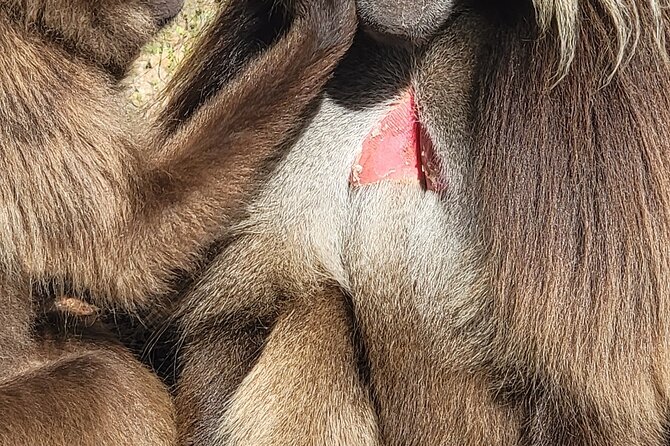
Gelada baboons are the most clearly identified animal on the trip. They are a notable part of Ethiopia’s highland wildlife, and seeing them in open mountain country can be more memorable than seeing animals in a fenced setting. The description also highlights birds, which means you should keep your eyes open during quieter stretches of the walk.
The trip works best for someone who wants more than a church visit. You get time in the countryside, time with a local family, and a physical connection to the region. It is less suitable if you want a gentle sightseeing program with short walks and frequent vehicle transfers.
More two-day treks in Ethiopia
- 2 Days Simien Mountains Trekking
★ 5.0 · 6 reviews - Lalibela 2-Day Eco Trekking Tour
★ 5.0 · 3 reviews - Mt Toubkal Ascent Express Trek 2 Days 1 Nights
★ 4.7 · 962 reviews
Day one: five to six hours through the highlands
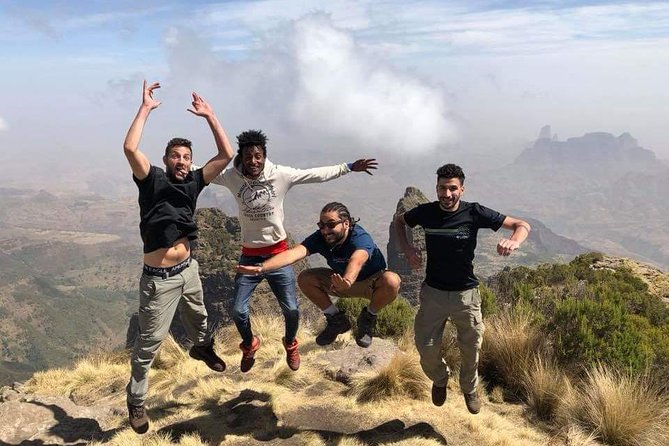
The first day is the main walking day. You’ll walk for roughly five to six hours through beautiful highland scenery before staying with a local community and family.
That length matters. Five to six hours is not an extreme expedition, but it is too long for casual city footwear or a slow stroll between attractions. You should arrive ready for sustained walking and should expect the day to feel active, especially if the route includes climbs or uneven ground.
The best part of day one is the change of pace. You are not rushing through a series of short stops. The walk gives you time to notice the setting, scan for wildlife, and see how rural life sits alongside the better-known Lalibela sights.
The family stay gives the day a clear human side. You are not simply passing through the countryside and returning to town before dinner. You spend the night within a local community, which can make the trip feel more personal and less like a packaged sightseeing loop.
At the same time, the description does not provide the family’s name, the exact village, the room arrangements, or the bathroom facilities. I would ask about those points before booking, especially if you need private facilities or have specific accommodation needs. The phrase local community with the family suggests a homestay-style experience, but the precise standard should be confirmed.
Meals are listed as included. You receive breakfast, lunch, and dinner as part of the package, although no menu is provided. Drinks are not included, so budget separately for water and any other beverages. Carrying drinking water during the walk is sensible, but the tour details do not state how water is supplied or whether refills are available.
Day two: the high peak and the walk back to Lalibela
The second day takes you to a high peak before you trek back to Lalibela. This is a strong finish for people who enjoy reaching a clear high point, but it also confirms that this is an active trip rather than an easy overnight outing.
The phrase high peak does not give an elevation, route length, or estimated walking time. You should ask for those details if altitude, steep climbs, or walking pace are important to you. The tour only gives a general moderate-fitness requirement, so the exact difficulty may depend on the route and weather.
The return to Lalibela gives the day a practical shape. You finish where the trip began rather than ending at an unspecified rural location. That is useful if you have onward plans in Lalibela, though you should still confirm the expected return time before arranging another activity on the same day.
I like the simple structure: a long rural walk, a local overnight stay, a high point, and a return to town. It feels easier to understand than an itinerary packed with too many stops. The tradeoff is that the experience gives you less information about exact timing, distances, and terrain than a highly detailed trekking program would.
A local stay with a personal guide
The strongest personal element is the chance to stay with a family. A local overnight can give you a better feel for the area than a standard accommodation block, especially when the visit is paired with walking rather than a quick drive through the countryside.
The guiding service has been associated with Moges and Abebe. Moges is linked with a Lalibela visit that included the churches, while Abebe is described as adding personal touches and showing places beyond what you can find in standard online material and guidebooks. Another account describes Abebe as funny, patient, flexible, caring, and helpful.
Those qualities matter on a walking trip. A guide who can adjust the pace, explain what you are seeing, and handle small changes is more useful than someone who simply leads from the front. Still, you should confirm which guide will lead your booking. The information does not guarantee that every departure will have Moges or Abebe.
The maximum group size is 12 people. That is small enough for a more manageable walk and easier conversation with the guide, though it is not a private trek. If you want one-to-one attention or a pace set entirely around your group, ask about a private option.
Pickup is offered, which can make the start simpler. The details do not specify the pickup area, vehicle type, or exact meeting time, so confirm those points after booking. A mobile ticket is also provided, making it convenient to keep the booking details on your phone.
More Trekking Tours in Ethiopia
- Trekking at Bale Mountains 3 Days
★ 5.0 · 28 reviews - 3 Days Bale Mountains Trekking
★ 5.0 · 19 reviews - 4 days semien mountain national park trekking,
★ 5.0 · 11 reviews - 6 Days Bale Mountains Trekking
★ 5.0 · 10 reviews
What the $250 price really covers
At $250 per person, the value depends on how you use the package. You are paying for a two-day guided walk, accommodation, three meals on each listed day, and the chance to spend a night with a local family. Pickup is offered, and the group can include no more than 12 people.
That is a fair package for someone who wants an organized trek without arranging food, guiding, and rural accommodation separately. The meals are especially useful because you are away from Lalibela for much of the experience. Drinks and tips are extra, so leave room in your budget for both.
There is one important detail to clear up. The tour is described as lasting two days, yet the inclusions list two nights of accommodation and two breakfasts, two lunches, and two dinners. A two-day trip often means one night, so this wording may reflect a longer overnight schedule or a simple listing error. Contact Ethiopian Wanderer Tours & Travel and ask exactly where both nights are spent and how many walking days are included.
The price is less attractive if you are mainly interested in Lalibela’s churches. In that case, a church-focused guide may better match your plans. This trek earns its cost through the rural walking, wildlife focus, family stay, and meals, not through a long list of historic attractions.
Who should book this experience
I would choose this trek if you want to add active time to a visit centered on Lalibela. It suits you if you enjoy walking for several hours, prefer small groups, and are open to a simpler community stay rather than a conventional hotel.
It also suits people who want a guide to handle the practical side of a rural trip. The included meals and accommodation reduce the amount of planning you need to do, while the guide can help connect the walk with the local setting.
Families may be able to join, but the child rate only applies when the child shares with two paying adults. The moderate fitness requirement still matters for younger participants. The information does not give a minimum age, so ask before booking for children.
The experience is less suited to you if you dislike long walks, need a detailed hour-by-hour plan, or require confirmed private accommodation. It is also not the right choice if a particular animal sighting is essential. Wildlife is an aim, not a guarantee.
Service animals are allowed. A current valid passport is required on the day of travel, so make sure you carry it. Confirmation is sent at booking, and the provider offers free cancellation if you cancel at least 24 hours before the local start time. Cancellations or changes made later are not accepted for a refund, and the trip requires a minimum number of participants.
What to ask before you pay
The basic plan is appealing, but a few practical questions will help you know exactly what you are buying.
Ask for the exact walking route, the elevation of the high peak, and the expected walking time on day two. Ask where the pickup takes place and when you should be ready. Also confirm the accommodation arrangement, since two nights are listed for a trip described as two days.
You should ask which guide is assigned to your departure. Moges and Abebe are names connected with the service, but the listing does not promise either one for every booking.
Finally, ask about drinking water, since drinks are not included. You may need to buy water before leaving Lalibela or arrange refills during the walk.
Should you book the Lalibela trek?
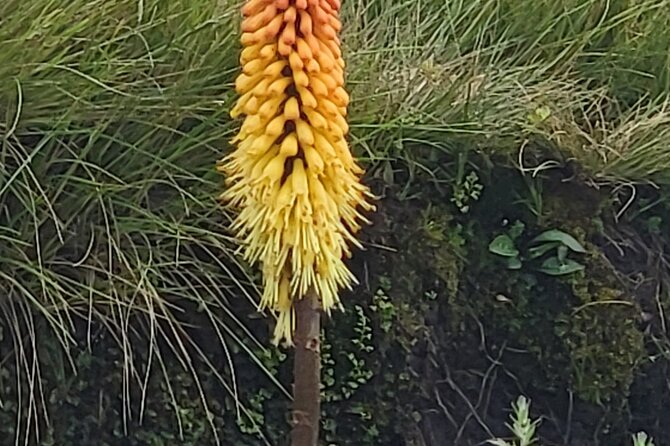
Book it if you want to see the countryside on foot, look for geladas and birds, and spend time with a local family. The guide support, meals, pickup, and group limit make it a practical choice for an active two-day addition to Lalibela.
I would not book until the two-night detail is explained. Once the provider confirms the sleeping arrangements, route difficulty, assigned guide, and return time, the $250 price looks reasonable for a guided rural experience with food and accommodation included.
FAQ
Where does the trek take place?
The trek takes place around Lalibela in Ethiopia, with walking through the surrounding highlands and a return to Lalibela on the second day.
How long is the experience?
It lasts approximately two days.
How much does the trek cost?
The listed price is $250 per person.
What wildlife might I see?
The experience focuses on wildlife in the massif, including gelada baboons, many types of birds, and the rare simian wolf named in the tour description. Sightings are not guaranteed.
How much walking is required?
Day one includes approximately five to six hours of walking. Day two includes a hike to a high peak and a trek back to Lalibela.
Where do I stay?
You stay with a local community and family during the trip. The inclusions also list two nights of accommodation, so confirm the exact sleeping arrangements before booking.
Are meals included?
Yes. The package lists two breakfasts, two lunches, and two dinners. Drinks are not included.
How many people can join the tour?
The maximum group size is 12 people.
Can I cancel for a full refund?
Yes, if you cancel at least 24 hours before the experience start time. Cancellations or changes made less than 24 hours before the start are not accepted for a refund.
Latest treks added in Ethiopia
- Lalibela 2-Day Eco Trekking Tour★ 5.0 · 3 reviews
- Trekking in Ethiopia’s Lalibela Wollo Highland 4 Days / 3 Nights★ 5.0 · 6 reviews
- 3-days Scheduled Lalibela Churches & Abune Yosef Trekking★ 5.0 · 7 reviews
- Lasta Mountains: Highland Eco Trekking Tour in Lalibela★ 5.0 · 4 reviews
- 4 Days Lalibela Tour with Day Trek to Hudad★ 5.0 · 2 reviews
- Day trek to Simien Mountain★ 5.0 · 5 reviews
- Day trek to Simeien Mountains★ 5.0 · 3 reviews
- Simien Mountains National Park – 7 Day Trek★ 5.0 · 5 reviews
Addis Ababa Trekking Tours, compared.
Northern Ethiopia & Trekking Simien Mountains , 10 Days
Read our review →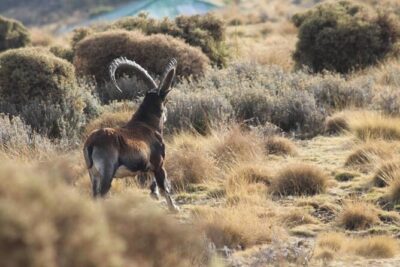

One Day Trekking Tours To Mount Zuqualla And Lake Zuqualla
Read our review →Browse the lists this tour appears in